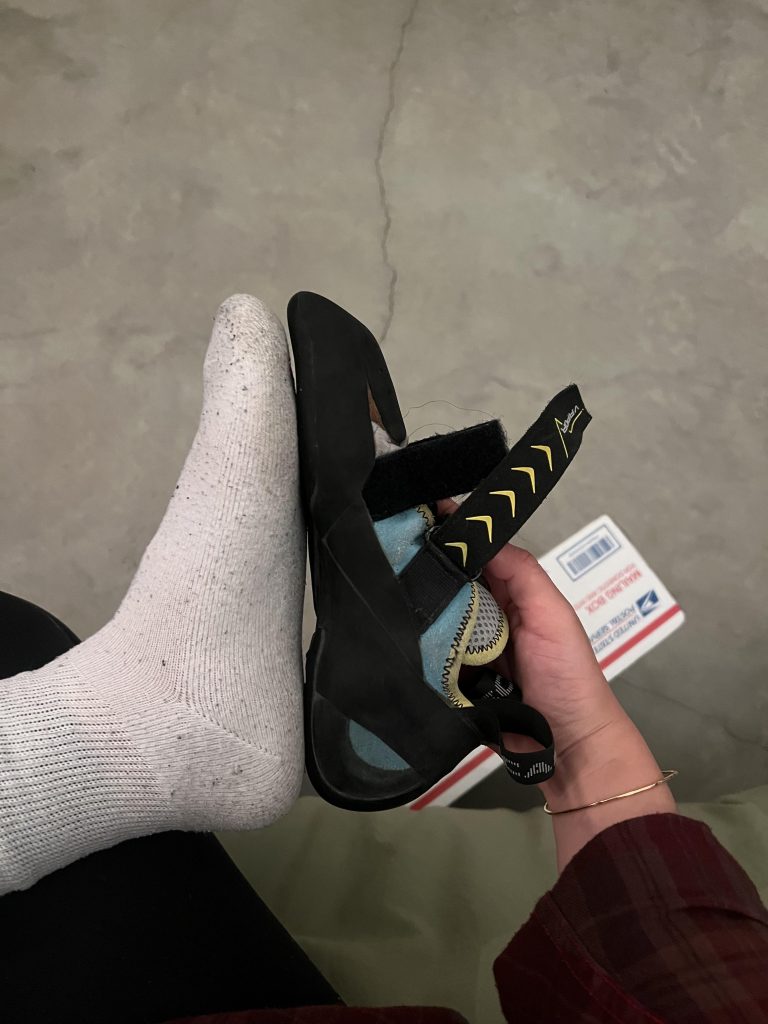
Have you ever wondered if your rock climbing shoes should feel tight or just snug? Getting the right fit can make a huge difference in your climbing performance and comfort.
If your shoes are too loose, you might slip off holds. But if they’re too tight, your feet could hurt and distract you from climbing your best. You’ll discover why the perfect fit matters, how tight is too tight, and tips to find the balance that helps you climb stronger and longer.
Keep reading to unlock the secret to climbing shoes that work with your feet—not against them.
Why Fit Matters
Rock climbing shoes need to fit well for safety and performance. Tight shoes are common, but the right fit is key.
Shoes that are too loose or too tight can cause problems. Understanding why fit matters helps you choose better shoes.
Impact On Performance
Shoes that fit well give better control and power on the rocks. A good fit helps you climb harder and longer.
- Snug fit improves foot sensitivity
- Reduces foot slipping inside the shoe
- Helps push off small holds
- Supports better balance and precision
Preventing Injuries
Shoes that are too tight or too loose can cause pain and injury. Proper fit protects your feet during climbs.
| Fit Issue | Possible Injury |
| Too tight | Blisters, numbness, bruised toes |
| Too loose | Foot slipping, ankle strains |
| Wrong shape | Arch pain, joint stress |

Credit: www.reddit.com
Signs Of Proper Fit
Rock climbing shoes should fit snugly. A proper fit enhances climbing performance and safety. The fit should be tight but not painful.
Understanding signs of a good fit helps in choosing the right shoes. Let’s explore key areas to focus on.
Heel And Toe Fit
The heel should be snug with no space. The toes should curl slightly but not be cramped.
| Fit Area | Sign of Proper Fit |
| Heel | No air gaps, secure hold |
| Toes | Curled but comfortable |
Comfort Vs. Tightness
Balance is key between comfort and tightness. Shoes should feel tight but not cut off circulation.
- Check for numbness after wearing for a few minutes
- Ensure no sharp pain or pinching
- Assess if you can wiggle your toes slightly
Pressure Points To Avoid
Be aware of pressure points that cause pain. These can lead to discomfort and affect climbing performance.
Different Shoe Types And Fit
Rock climbing shoes come in many shapes and fits. Choosing the right shoe depends on your climbing style and skill level.
The fit of climbing shoes is very important. Shoes should feel snug but not cause pain that distracts you.
Aggressive Vs. Neutral Shoes
Aggressive shoes have a downward curve and tight fit. They help with steep climbs and small holds.
Neutral shoes are flat and more comfortable. They work well for long climbs and all-day wear.
- Aggressive Shoes:Tight fit, curved shape, best for advanced climbers
- Neutral Shoes:Roomier fit, flat sole, good for beginners and long climbs
Fit For Beginners Vs. Experts
Beginners should choose shoes that fit comfortably. Shoes should feel snug but not painful.
Experts often wear tighter shoes. This helps with precision and control on difficult routes.
- Beginners:Comfortable fit, slight snugness, focus on comfort
- Experts:Very tight fit, less comfort, focus on performance
Breaking In Rock Shoes
New rock climbing shoes often feel stiff and tight at first. Breaking them in helps shape the shoes to fit your feet better. It also makes climbing more comfortable and improves performance.
The break-in period varies by shoe type and material. Leather shoes tend to stretch more, while synthetic ones hold their shape longer. Knowing what to expect can help you avoid pain and damage.
Expectations During Break-in
At the start, your shoes may feel very tight and even painful. This is normal and part of the process. You may notice some discomfort around your toes and heel. The shoes will soften and mold to your feet after repeated use.
- The shoes will stretch slightly, especially leather ones.
- Pressure points may develop but should lessen over time.
- Initial soreness is common but should not be extreme.
- Break-in can take a few days to a few weeks.
- Wear your shoes for short sessions at first.
Tips To Ease The Process
Follow these tips to help your rock shoes break in faster and with less pain. Proper care and patience improve comfort and shoe life.
| Tip | Explanation |
| Wear Socks | Use thin socks to reduce friction and ease tightness. |
| Use Shoe Stretchers | Apply stretchers to widen tight spots carefully. |
| Gradual Use | Start with short climbing sessions to allow adjustment. |
| Heat Molding | Some shoes can be gently heated to shape them better. |
| Store Properly | Keep shoes in a cool, dry place to maintain material quality. |
Common Mistakes In Sizing
Rock climbing shoes fit differently than regular shoes. Many climbers think shoes must be very tight. This idea can cause problems with comfort and performance.
Knowing common mistakes helps you pick the right size. This guide covers two big errors to avoid when choosing climbing shoes.
Choosing Too Small
Picking shoes that are too small is a frequent mistake. Many climbers want a tight fit for better control. But shoes that are too tight cause pain and harm your feet.
- Shoes that pinch toes can reduce blood flow.
- Too-small shoes cause numbness and blisters.
- Overly tight shoes hurt during long climbs.
- Small shoes may damage toenails and skin.
- They can change your natural foot shape over time.
It is better to have a snug fit without pain. Your toes should gently touch the shoe’s end but not curl uncomfortably.
Ignoring Foot Shape
Every foot is unique. Ignoring your foot shape leads to poor shoe choice. Different brands and models fit differently based on foot width, arch, and toe shape.
| Foot Shape | Climbing Shoe Fit Tip |
|---|---|
| Wide feet | Look for shoes with a wide toe box or stretchable material |
| Narrow feet | Choose shoes with a narrow fit and firm heel cup |
| High arches | Find shoes with good arch support or custom insoles |
| Flat feet | Shoes with a lower volume and less arch height work better |
Expert Tips For Buying
Rock climbing shoes should fit snugly but not cause pain. Choosing the right size helps you climb better and stay safe.
This guide shares expert tips on how to pick the best rock climbing shoes for your feet.
Trying On Shoes
Try on climbing shoes at the store to check the fit. Shoes should feel tight but not hurt your toes or feet.
Walk and stand in the shoes to see if they stay comfortable during movement. The right shoes will feel snug and secure.
- Check if toes are slightly curled but not pinched
- Make sure there are no pressure points
- Feel if the heel fits well without slipping
Considering Socks
Most climbers wear shoes without socks for a better fit and grip. Socks can change how tight the shoes feel.
If you prefer socks, use thin ones made for climbing. Thick socks can make shoes too tight and uncomfortable.
- Try shoes both with and without socks
- Thin socks help prevent blisters without adding bulk
- Choose socks that wick moisture to keep feet dry
Time Of Day To Shop
Feet swell during the day, so shoe size can change. Shop for climbing shoes later in the afternoon for the best fit.
Shoes that fit well after swelling are less likely to feel tight or painful during climbs.
- Try shoes in the afternoon or evening
- Check fit after walking around the store
- Avoid shopping first thing in the morning
When To Replace Rock Shoes
Rock climbing shoes wear out over time. Knowing when to replace them keeps you safe and climbing well.
Worn shoes affect your grip and comfort on the rock. Check your shoes often for signs of damage.
Signs Of Wear
Look for these common signs that your rock shoes need replacing:
- Thin or worn-down soles that reduce grip
- Holes or tears in the upper fabric or leather
- Loose or broken stitching along seams
- Stretched or damaged heel cups and toe boxes
- Soles peeling away from the shoe body
Impact On Climbing Safety
Worn shoes can cause slipping and loss of control. This increases the chance of falls and injuries.
| Issue | Effect on Safety | Replacement Need |
| Worn soles | Less grip on rock | Replace immediately |
| Damaged toe box | Weak foot support | Replace soon |
| Loose stitching | Shoe may fall apart | Replace soon |
| Holes in upper | Less protection | Replace when large |
| Heel damage | Poor heel hook grip | Replace soon |

Credit: www.reddit.com

Credit: www.reddit.com
Frequently Asked Questions
Are Rock Climbing Shoes Meant To Fit Tightly?
Yes, rock climbing shoes should fit snugly to provide optimal control and precision. Tightness ensures better grip and reduces foot movement inside the shoe, improving climbing performance. However, they shouldn’t cause severe pain or restrict circulation.
How Tight Is Too Tight For Climbing Shoes?
If your climbing shoes cause intense pain, numbness, or bruising, they are too tight. Proper fit means firm but comfortable pressure. Shoes should not deform your toes or cause long-term discomfort.
Why Do Climbers Prefer Tight Shoes?
Tight shoes enhance sensitivity and allow precise foot placements on small holds. This improves balance and grip during climbs. Climbers often choose tight fits to maximize performance and control.
Can Tight Climbing Shoes Cause Foot Problems?
Yes, excessively tight shoes may lead to blisters, bunions, or nerve pain. Wearing them for extended periods increases risks. It’s crucial to balance fit and comfort to avoid injury.
Conclusion
Rock climbing shoes should fit snug but not hurt your feet. Tight shoes help with grip and control on the wall. Too tight can cause pain and damage your toes. Always choose comfort over extreme tightness for longer climbing sessions.
Remember, shoes will stretch a little over time. Finding the right balance keeps you safe and climbing well. Wear your shoes around the house first to check the fit. Good shoes help you climb better and enjoy the sport more.