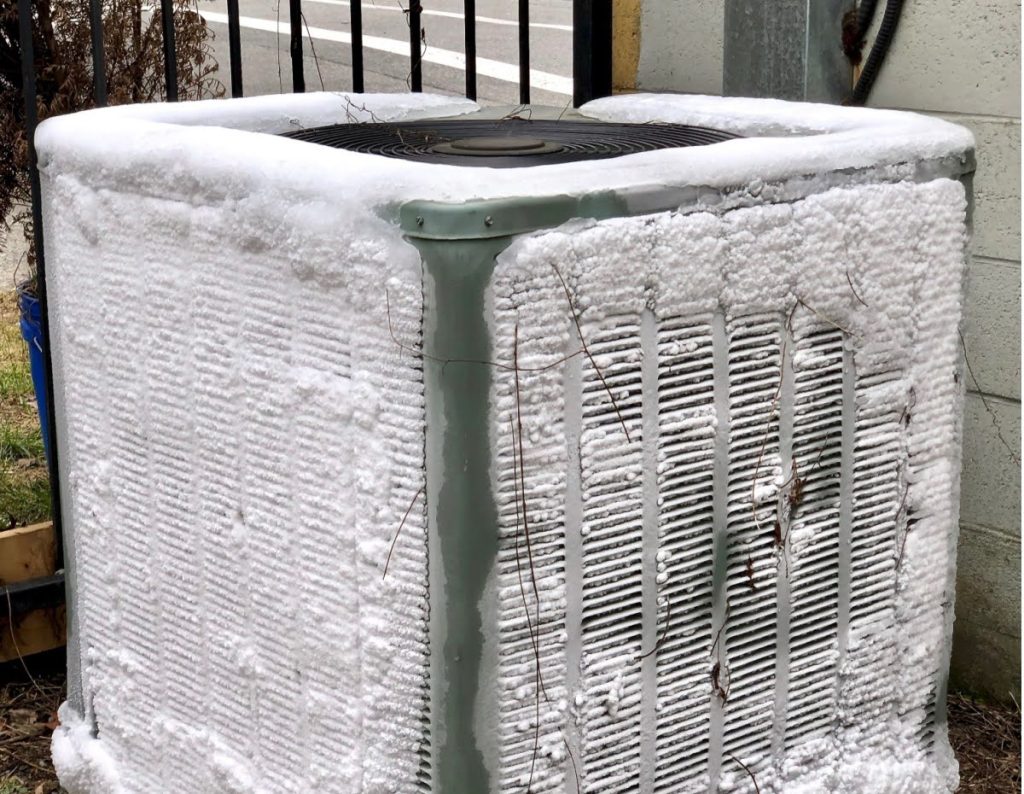
Have you ever noticed your AC unit suddenly freezing up and wondered why it’s happening? It’s frustrating when your home doesn’t cool properly, and you might be tempted to blame the weather or your unit’s age.
But what if the real culprit is something as simple as your thermostat? Yes, a bad thermostat can actually cause your AC to freeze, leading to poor performance and costly repairs. If you want to keep your home comfortable and avoid unexpected breakdowns, understanding this connection is crucial.
Keep reading to find out how your thermostat affects your AC and what you can do to fix it before things get worse.

Credit: www.lexairconditioning.com
How Thermostats Affect Ac Performance
Your thermostat plays a crucial role in how well your AC performs. It acts as the command center, telling your system when to cool and when to stop. If your thermostat isn’t working right, it can cause your AC to behave strangely, including freezing up.
Role Of Thermostat In Ac Systems
The thermostat controls the temperature inside your home by communicating with the AC unit. It senses the room temperature and signals the AC to turn on or off to maintain your desired comfort level.
Think of it as a temperature sensor and switch combined. If the thermostat is inaccurate or faulty, your AC might run too long or not long enough, leading to problems like freezing coils or uneven cooling.
Common Thermostat Issues
Several issues can affect your thermostat’s performance:
- Incorrect calibration:The thermostat may not read the temperature correctly, causing the AC to run excessively or insufficiently.
- Wiring problems:Loose or damaged wires can disrupt communication between the thermostat and the AC unit.
- Sensor malfunctions:Faulty sensors may give false temperature readings, confusing the system.
- Old or outdated models:Older thermostats may lack the precision of modern digital ones, leading to inconsistent control.
Have you ever noticed your AC running non-stop or shutting off too soon? These could be signs that your thermostat needs a checkup or replacement. Fixing thermostat issues can often prevent your AC from freezing and improve overall performance.
Why Ac Units Freeze
AC units freezing up is a common issue that can leave you uncomfortable and confused. Understanding why your air conditioner freezes is key to fixing the problem and preventing it from happening again. The freeze-up typically happens when the coils inside the unit get too cold, causing moisture in the air to turn into ice.
Causes Of Frozen Ac Coils
Frozen coils can result from several problems, often related to airflow and refrigerant levels. Poor airflow means the cold air can’t circulate properly, which causes the coils to get colder than they should. Clogged air filters, blocked vents, or dirty coils are usual suspects in restricting airflow.
Low refrigerant levels also play a big role. When there isn’t enough refrigerant, the pressure drops inside the system, causing the coils to freeze. You might not notice this right away, but over time, it can lead to serious damage to your AC unit.
Impact Of Temperature Settings
Your thermostat settings have a big impact on whether your AC freezes. Setting your thermostat too low can cause the system to run nonstop, which makes the coils colder than necessary. This constant operation doesn’t give the unit time to warm up and defrost.
Have you ever set your thermostat to a very low temperature on a hot day and noticed the AC struggling? That struggle is your AC trying to keep up with unrealistic demands. Adjusting your thermostat to a moderate, consistent temperature helps avoid freezing and keeps your unit running smoothly.
Link Between Faulty Thermostat And Freezing
Have you ever found your air conditioner suddenly blasting icy cold air, only to realize it’s not just cooling your space but freezing over? A faulty thermostat might be the culprit behind this chilling surprise. Understanding the connection between a malfunctioning thermostat and an AC unit freezing can help you prevent uncomfortable situations and costly repairs.
Thermostat Malfunctions Leading To Freezing
Your thermostat acts as the brain of your cooling system, dictating when to start and stop. If it malfunctions, the AC might run continuously, leading to a drop in temperature that causes the evaporator coil to freeze. A common issue is when the thermostat fails to read the room temperature accurately, signaling the AC to cool more than necessary.
Imagine setting your thermostat to a comfortable 72°F, but due to a fault, it reads the room as 78°F. The AC will work overtime, and before you know it, you’re dealing with frozen components. Regular checks on your thermostat’s accuracy can save you from these icy dilemmas.
Signs Of A Bad Thermostat
Recognizing the signs of a bad thermostat can save you from unexpected freezes. One telltale sign is an AC unit that won’t shut off, regardless of the temperature setting. You might also notice that your AC cycles on and off irregularly, which is not only annoying but inefficient.
Have you ever adjusted the thermostat only to feel no change in temperature? That’s a red flag. Another sign is if the display is blank or unresponsive. Addressing these signs promptly can help you maintain a comfortable and efficient cooling system.
How often do you check your thermostat? Ensuring its proper function could be the key to avoiding that next icy surprise. Regular maintenance checks and being attentive to these signs can help extend the life of your AC system and keep your home comfortably cool.
Other Factors That Cause Ac To Freeze
An air conditioner freezing up is a common problem. A bad thermostat is one cause, but other factors can also lead to this issue. Understanding these causes helps keep your AC running well. Here are some key reasons why your AC might freeze beyond a faulty thermostat.
Low Refrigerant Levels
Refrigerant cools the air inside your AC system. Low refrigerant means the coil gets too cold. This causes moisture to freeze on the coil, creating ice buildup. Leaks or poor charging can reduce refrigerant levels. A professional should check and refill refrigerant to fix this problem.
Airflow Problems
Good airflow keeps the AC coil at the right temperature. Blocked vents or closed registers reduce airflow. The coil then becomes too cold and freezes. Fans not working properly also lower airflow. Clear vents and ensure fans operate well to prevent freezing.
Dirty Air Filters
Air filters trap dust and dirt from the air. Over time, filters get clogged and block airflow. This leads to freezing of the AC coil. Changing filters regularly keeps air flowing freely and stops ice buildup. Clean filters improve AC performance and air quality.
Preventing Ac Freezing Issues
Preventing your AC from freezing is crucial to keep your home comfortable and avoid costly repairs. A frozen AC often signals an underlying problem, and one common culprit can be a malfunctioning thermostat. Taking proactive steps helps you spot issues early and maintain a smooth cooling system.
Regular Maintenance Tips
Keep your AC running smoothly by scheduling regular maintenance checks. Clean or replace air filters every 1-3 months to ensure proper airflow, which prevents ice buildup on the coils.
Check the thermostat settings to make sure they match your cooling needs and are not set too low. Dirty or blocked vents can also restrict airflow and cause freezing, so inspect and clean them regularly.
Have a professional technician inspect your system annually. They can identify subtle problems like low refrigerant or faulty wiring that might cause freezing and thermostat issues.
When To Replace The Thermostat
If you notice your AC freezing despite routine maintenance, your thermostat might be failing. A thermostat that inaccurately reads the temperature can cause the system to run longer than necessary, leading to freezing.
Replace the thermostat if it shows inconsistent temperature readings, doesn’t respond to adjustments, or is over 10 years old. Modern digital thermostats offer better precision and can improve your AC’s efficiency.
Think about how often you’ve had to recalibrate or reset your thermostat. If it feels like a daily chore, it’s time to invest in a new one to protect your AC and avoid freezing issues.

Credit: www.callacs.com
Fixing A Frozen Ac Unit
A frozen AC unit stops cooling and may damage the system. Fixing it quickly saves energy and prevents costly repairs. The first step is to defrost the ice safely. Then check for underlying issues like a bad thermostat. Proper defrosting and timely repairs restore your AC’s performance.
Step-by-step Defrosting Guide
Turn off the AC unit to stop further ice buildup. Allow the ice to melt naturally for several hours. Place towels around the unit to catch water from melting ice. Use a fan to speed up the melting process if possible. Avoid using sharp objects to chip off ice; it can damage the coils. Once fully thawed, clean or replace the air filter. Check the thermostat settings and lower the cooling level slightly. Turn the AC back on and monitor if ice forms again.
Professional Repair Options
Contact a licensed HVAC technician for thorough system checks. Professionals test the thermostat for faults and replace if needed. They inspect refrigerant levels and refill if the system is low. Repair or replace damaged coils and fans to improve airflow. Technicians clean internal components to prevent future freezing. Scheduling regular maintenance keeps the AC running smoothly year-round.

Credit: serviceplusheatingcooling.ca
Frequently Asked Questions
Can A Faulty Thermostat Cause Ac Freezing?
Yes, a faulty thermostat can cause the AC to freeze by misreading temperatures. It may keep the compressor running too long, leading to ice buildup on coils.
How Does A Thermostat Affect Ac Performance?
The thermostat controls the AC cycle. If it malfunctions, it can cause improper cooling or continuous running, which may lead to freezing issues.
What Are Signs Of A Bad Thermostat In Ac?
Signs include inconsistent room temperatures, AC running constantly, or failure to turn off. These symptoms can cause the system to freeze due to improper regulation.
Can Thermostat Settings Cause Ac Coils To Freeze?
Yes, setting the thermostat too low can cause excessive cooling. This leads to ice forming on the coils, restricting airflow and causing freezing.
Conclusion
A bad thermostat can cause your AC to freeze up. It may stop the unit from turning off at the right time. This causes ice to build on the coils. Fixing or replacing the thermostat helps the AC work properly again.
Regular maintenance can prevent freezing issues too. Keep an eye on your system to avoid damage. Simple steps can save you from costly repairs. Stay comfortable by ensuring your thermostat works well.