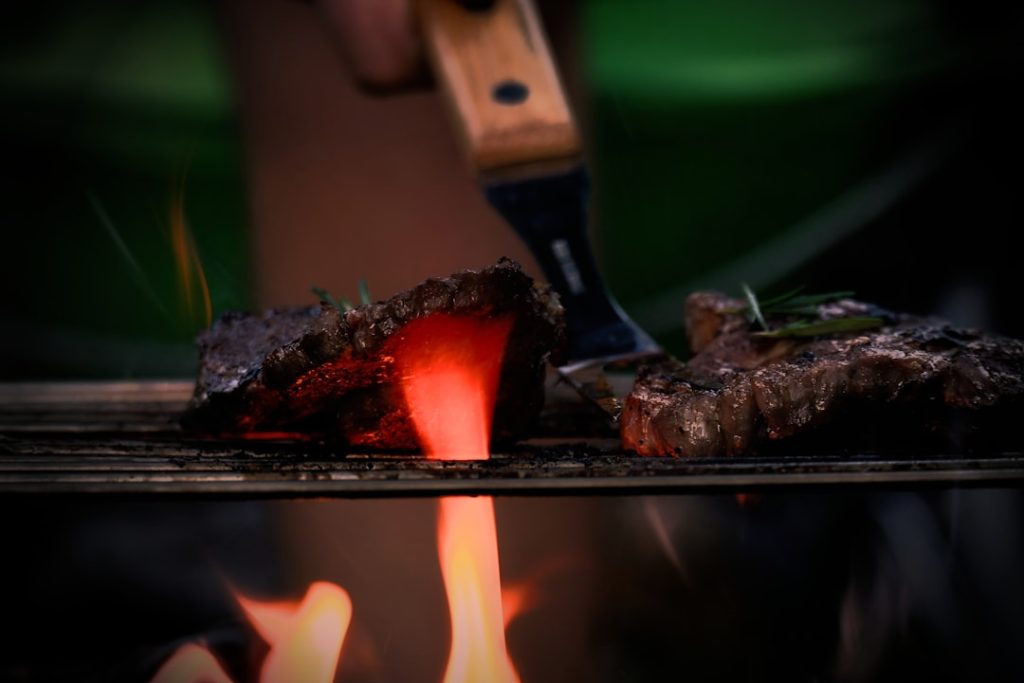
Grilling a ribeye on a charcoal grill is one of the best ways to enjoy a juicy, flavorful steak. But getting that perfect sear and smoky taste can be tricky if you don’t know the right steps.
Imagine biting into a steak that’s tender on the inside, with a crispy, charred crust that melts in your mouth. You’re about to learn exactly how to make that happen every time you fire up your charcoal grill. Ready to become the grill master your friends and family will rave about?
Keep reading, because this guide will change the way you cook ribeye forever.
Choosing The Right Ribeye
Grilling a ribeye on a charcoal grill is an art. Picking the right ribeye is the first step. A good ribeye makes a big difference in taste.
The quality of the meat and its thickness are key factors. These ensure your grilled ribeye is juicy and flavorful.
Selecting Quality Meat
Look for ribeye with marbling. Marbling means fat streaks in the meat. More marbling gives better flavor.
Check the color. Fresh ribeye is bright red. Avoid meat that is dark brown or gray.
- Marbling adds flavor
- Bright red color indicates freshness
- Avoid discoloration for best taste
Thickness Matters
Thicker ribeyes cook better on a charcoal grill. Aim for one to one-and-a-half inches thick. This thickness keeps the meat juicy.
Thin ribeyes cook too fast and can dry out. Always choose thicker cuts for grilling.
- One to one-and-a-half inches thick is ideal
- Thicker cuts stay juicier
- Avoid thin cuts to prevent dryness
Preparing The Charcoal Grill
Grilling a ribeye on a charcoal grill starts with preparing the fire correctly. Proper heat makes the steak cook evenly and taste better.
This guide explains how to set up charcoal for even heat and how to create heat zones on your grill.
Setting Up Charcoal For Even Heat
Even heat helps your ribeye cook consistently from edge to center. To get this, spread the charcoal carefully.
- Use enough charcoal to cover the grill bottom with a single layer.
- Light the charcoal and wait until it is covered with gray ash.
- Spread the hot coals evenly across the grill surface.
- Use a grill rake or tongs to move any coal clumps apart.
- Keep the grill lid closed to maintain steady heat.
Creating Heat Zones
Heat zones let you cook the ribeye at different temperatures. Use zones to sear and then cook slowly.
| Zone | Purpose | Charcoal Arrangement |
| Direct Heat | For searing steak | Pile coals thickly on one side |
| Indirect Heat | For cooking through | Leave the other side with few or no coals |
Seasoning The Ribeye
Seasoning your ribeye is key to great flavor on a charcoal grill. It helps bring out the natural taste of the meat.
Simple seasonings can create a delicious crust. You can also try marinades or spice rubs for extra taste.
Simple Salt And Pepper Rub
Salt and pepper are classic seasonings for ribeye. They enhance the beef’s flavor without hiding it.
Use coarse salt and freshly ground black pepper. Apply them evenly on both sides of the steak.
- Use about 1 teaspoon of salt per side
- Sprinkle ½ teaspoon of black pepper per side
- Pat the seasoning gently into the meat
- Let the steak rest for 30 minutes before grilling
Optional Marinades And Rubs
Marinades add moisture and flavor to your ribeye. Rubs bring a spicy or smoky taste to the meat.
Choose simple ingredients like garlic, herbs, and oil for marinades. Use paprika, cumin, or chili powder for rubs.
- Marinate for 1 to 2 hours in the fridge
- Pat dry before grilling to get a good sear
- Rubs can be applied right before grilling
- Adjust spices to match your taste
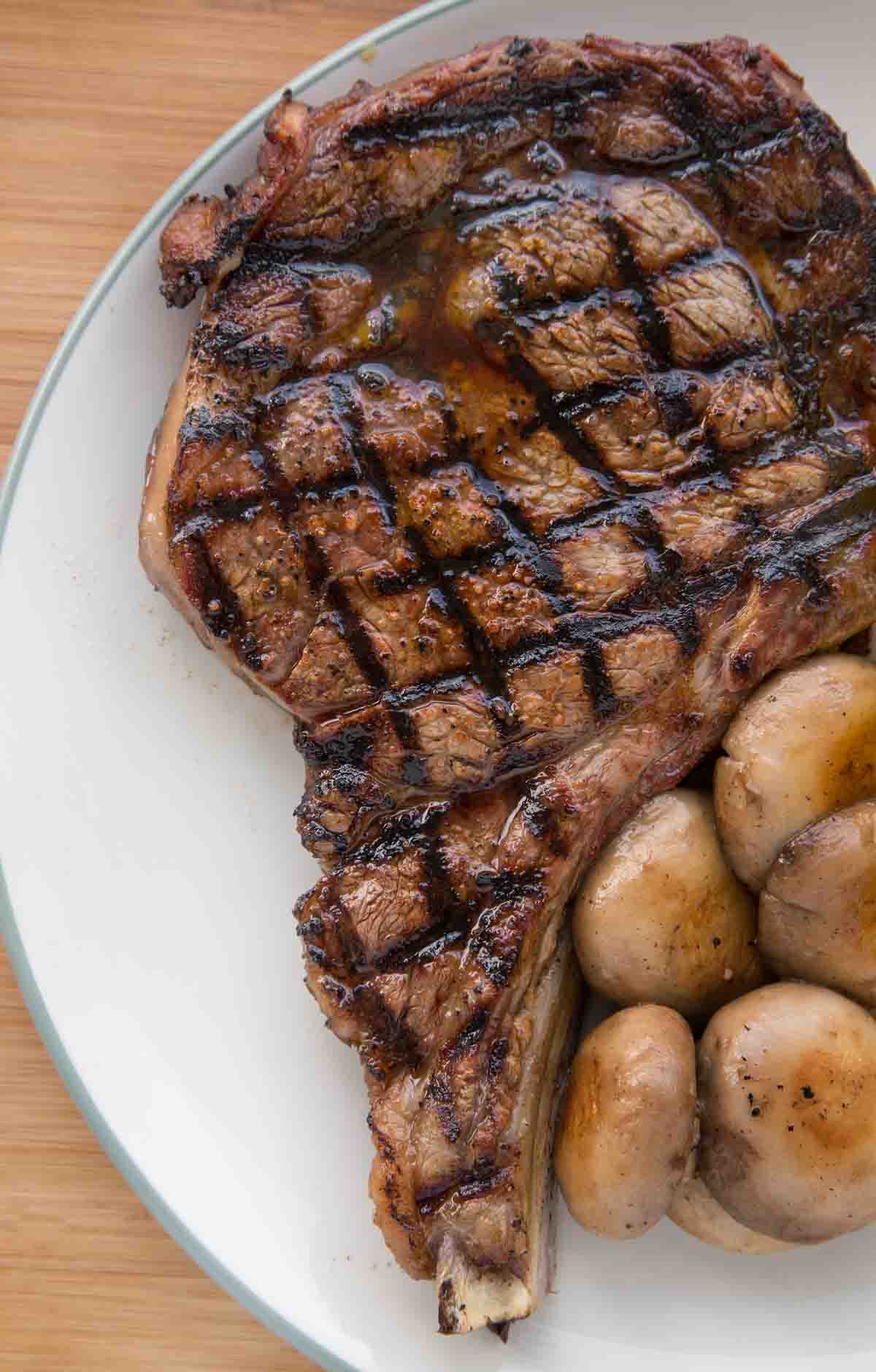
Credit: www.askchefdennis.com
Grilling Techniques
Grilling a ribeye on a charcoal grill needs good skills. You must control heat and cooking time well.
Using the right techniques brings out the best flavor and tenderness in the steak.
Searing For Flavor
Searing locks in juices and creates a tasty crust on the ribeye. It adds a rich flavor to the meat.
Place the steak directly over hot coals for a few minutes on each side. Do not move it too much.
- Preheat the grill until very hot
- Place ribeye on direct heat
- Cook 2-3 minutes per side to form a crust
- Avoid pressing the meat down
Using Indirect Heat
After searing, move the ribeye to indirect heat. This cooks the steak evenly without burning the outside.
Indirect heat helps the inside reach the right temperature while keeping the outside juicy.
- Push coals to one side of the grill
- Place ribeye on the cooler side
- Cover the grill with a lid
- Cook until desired doneness
Managing Grill Temperature
Keep the grill temperature steady for best results. Too hot will burn the meat; too low will dry it out.
Use vents to control airflow and adjust heat. Check the temperature often with a grill thermometer.
- Open vents to increase heat
- Close vents to lower heat
- Use a thermometer for accuracy
- Adjust coals by adding or spreading them
Checking Doneness
Checking doneness is key to grilling a perfect ribeye. It ensures your steak is cooked just right.
You can check doneness by using tools or by feel. Both methods help you avoid overcooking or undercooking.
Using A Meat Thermometer
A meat thermometer gives the most accurate doneness reading. Insert it into the thickest part of the steak.
| Doneness | Internal Temperature | Description |
|---|---|---|
| Rare | 120°F to 125°F (49°C to 52°C) | Cool red center |
| Medium Rare | 130°F to 135°F (54°C to 57°C) | Warm red center |
| Medium | 140°F to 145°F (60°C to 63°C) | Warm pink center |
| Medium Well | 150°F to 155°F (66°C to 68°C) | Small amount of pink |
| Well Done | 160°F and above (71°C+) | No pink, fully cooked |
Touch Test For Steak
The touch test helps you estimate doneness by feeling the steak’s firmness. Use your hand as a guide.
- Rare: Soft like the fleshy part under your thumb when your hand is relaxed.
- Medium Rare: Slightly firmer, like when you touch your thumb to your index finger.
- Medium: Firmer still, like touching your thumb to your middle finger.
- Medium Well: Firm, similar to touching your thumb to your ring finger.
- Well Done: Very firm, like touching your thumb to your pinky finger.
Credit: www.theroastedroot.net
Resting And Serving
Grilling a ribeye on a charcoal grill is just the start. Resting and serving the steak well makes a big difference. These steps help keep the steak juicy and tasty.
Take time to rest the steak before cutting. Then serve it with simple sides to enjoy the full flavor.
Importance Of Resting
Resting lets the meat’s juices spread evenly. Cutting the steak too soon makes the juices run out. This causes the meat to be dry.
Rest the ribeye for about 5 to 10 minutes after grilling. Cover it loosely with foil to keep it warm. This keeps the steak tender and juicy.
- Allows juices to redistribute inside the meat
- Makes the steak more flavorful and moist
- Prevents the steak from losing too much juice when cut
Serving Suggestions
Serve your ribeye with simple sides that match its rich flavor. Avoid heavy sauces that cover the taste of the steak.
Fresh vegetables, baked potatoes, or a crisp salad work well. A small pat of butter on top of the steak adds richness.
- Grilled asparagus or green beans
- Roasted or baked potatoes
- Simple garden salad with a light dressing
- Garlic butter or herb butter on the steak
Troubleshooting Common Issues
Grilling a ribeye on a charcoal grill can be tricky. Some common problems can ruin your steak.
Knowing how to fix these issues helps you cook a juicy and tasty ribeye every time.
Avoiding Dryness
Dry ribeye happens when you cook it too long or at too high heat. This takes away the juicy flavor.
Let your steak rest before grilling. Use medium heat and watch the time closely to keep it moist.
- Don’t cook the steak longer than 5-7 minutes per side
- Keep the grill temperature around 450°F (232°C)
- Let the ribeye rest 5 minutes after cooking
- Use a meat thermometer to check for doneness (130°F for medium rare)
Preventing Flare-ups
Flare-ups happen when fat drips on the charcoal. They cause big flames that burn the steak.
Keep flare-ups under control by trimming excess fat and moving the steak if flames grow.
- Trim large fat pieces before grilling
- Use a two-zone fire: hot side for searing, cooler side for cooking
- Move steak away from flames if flare-ups start
- Keep a spray bottle of water nearby to douse small flames
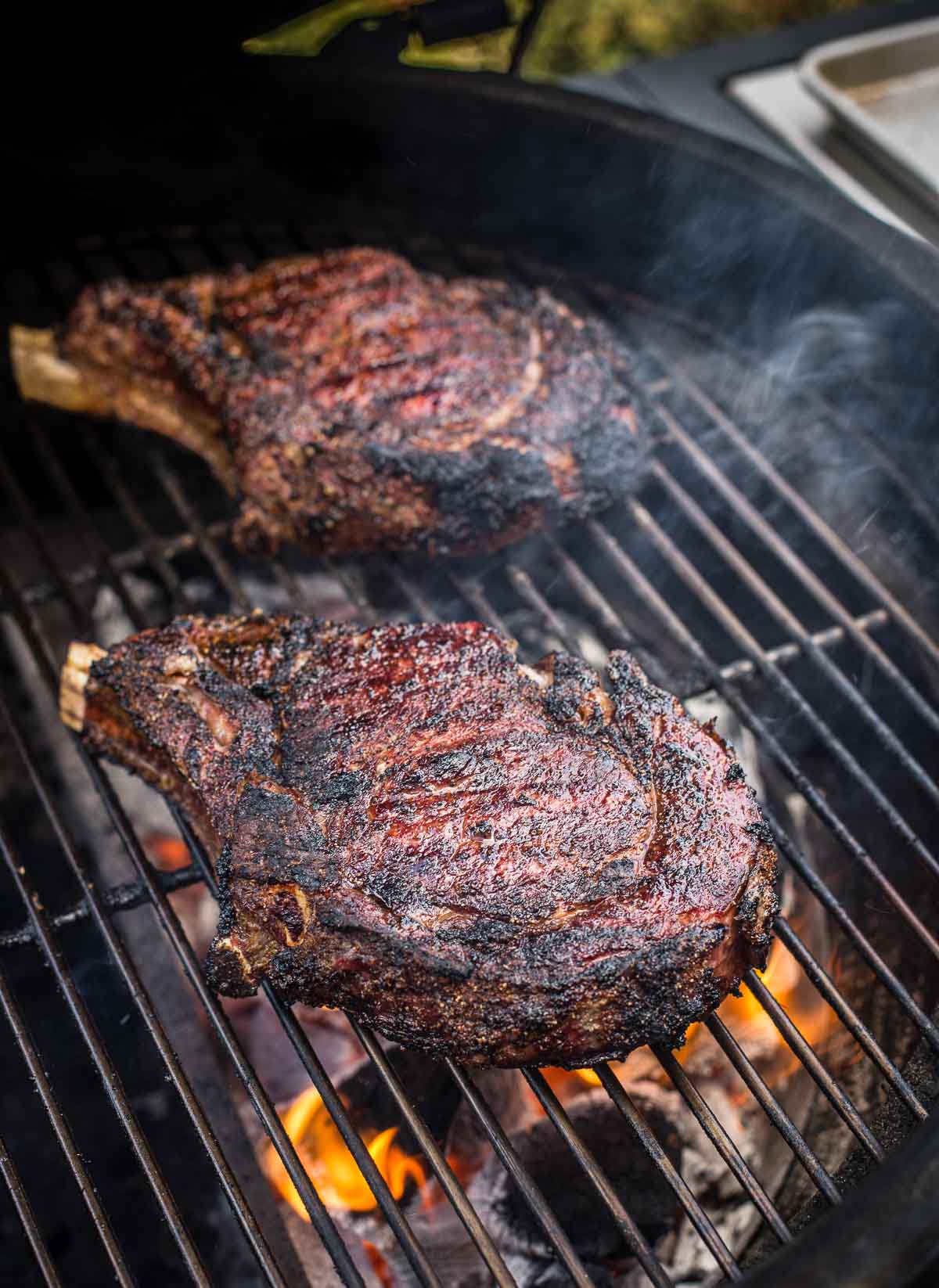
Credit: www.vindulge.com
Frequently Asked Questions
How Long Should I Grill A Ribeye Steak?
Grill a ribeye for 4-5 minutes per side over high heat. Aim for medium-rare by using a meat thermometer at 130°F. Adjust time based on steak thickness and grill temperature for perfect doneness.
What Charcoal Type Is Best For Grilling Ribeye?
Use natural lump charcoal for better heat and flavor. It burns hotter and cleaner than briquettes. Lump charcoal adds a smoky taste that enhances the ribeye’s rich flavor.
Should I Season Ribeye Before Or After Grilling?
Season your ribeye steak before grilling for best flavor. Apply salt and pepper at least 30 minutes prior. This allows seasoning to penetrate and tenderize the meat evenly.
How Do I Prevent Ribeye From Sticking To The Grill?
Preheat the grill and oil the grates well before placing steak. Also, oil the ribeye lightly. These steps reduce sticking and help achieve perfect grill marks.
Conclusion
Grilling a ribeye on charcoal brings great taste and fun. Start with good meat and hot coals. Keep the grill clean and use the right tools. Watch the steak closely to avoid overcooking. Let the meat rest before cutting for juiciness.
Try simple seasoning to enjoy the natural flavor. Practice often to improve your grilling skills. Enjoy your delicious ribeye with family or friends. Grilling this way makes every meal special and tasty.