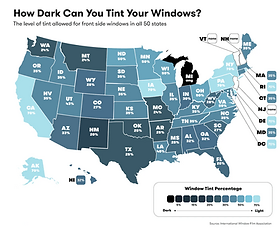
Are you planning a road trip or moving to a new state and wondering if your car’s window tint is still legal? Understanding whether auto tint laws carry over from state to state is crucial.
You don’t want to risk fines or having to remove your tint after spending time and money on it. You’ll discover how tint laws differ across states and what you need to know to stay safe and legal wherever you drive.
Keep reading to protect yourself and your ride on every road you travel.
State Auto Tint Laws
State auto tint laws differ widely across the United States. Each state sets its own rules about how dark or reflective window tint can be. These laws affect drivers who travel or move across state lines. Understanding these laws helps avoid fines and legal trouble. Knowing the basics of state auto tint laws is essential for any vehicle owner.
Variations In Tint Regulations
Some states allow very dark tints on front and rear windows. Others restrict tint darkness to maintain clear visibility. The allowed tint percentage is usually called Visible Light Transmission (VLT). This number shows how much light can pass through the tint. For example, a 35% VLT means 35% of light passes through. States may also differ on rules for side mirrors and windshield tinting.
States may require medical exemptions for darker tints. These exemptions must be documented and approved. Some states ban certain tint colors or reflective coatings. Penalties for breaking tint laws can vary from warnings to fines or vehicle inspections.
Common Restrictions Across States
- Front windshield tint is often limited or banned.
- Front side windows usually require lighter tint than back windows.
- Rear window tint rules are more lenient in many states.
- Reflective or mirrored tints are commonly restricted.
- Emergency vehicle access through windows may influence tint rules.
- Medical exemptions exist but need proper documentation.
Knowing these common rules helps when traveling between states. Always check local laws before applying or changing tint. This keeps drivers safe and within legal limits.

Credit: www.cjonline.com
Interstate Travel And Tint Compliance
Traveling across state lines with tinted windows raises important questions about legal compliance. Each state sets its own rules for window tint darkness and reflectivity. These rules do not automatically apply when moving from one state to another. Drivers must understand how to stay within the law during interstate travel.
Knowing the tint laws of the state you enter helps avoid fines. Law enforcement officers may check tint levels at any time. They use special tools to measure how much light passes through your windows. Even if your tint is legal in your home state, it might be too dark in another.
How States Enforce Tint Laws
States enforce tint laws differently. Some use strict measurements for visible light transmission (VLT). Others focus on which windows can be tinted and how dark tint can be. Police officers often carry meters to check tint levels roadside.
- Random traffic stops for tint inspection
- Safety checkpoints targeting window visibility
- Complaints from other drivers or law enforcement
- Vehicle inspections during registration or safety checks
Officers may request you to remove illegal tint if it fails their test. Some states allow warnings before fines. Others issue tickets on the spot. Enforcement varies by location and officer discretion.
Consequences Of Non-compliance
Failing to comply with tint laws carries penalties. These penalties protect driver visibility and safety on the road. Common consequences include:
- Monetary fines ranging from small to high amounts
- Orders to remove or modify illegal tint
- Possible vehicle inspection failures
- Points on your driving record in some states
Repeated violations can lead to harsher penalties. Non-compliance may also affect insurance claims if involved in an accident. Staying informed about tint laws during interstate travel avoids these risks.
Factors Influencing Tint Law Differences
Auto tint laws can vary widely from one state to another, and understanding why these differences exist helps you navigate the rules better. Several key factors shape these variations, reflecting local priorities and concerns. Let’s break down the main influences behind the diverse tint regulations you encounter across states.
Safety Concerns
Safety is often the primary reason behind tint laws. States set limits on how dark or reflective window tint can be to ensure drivers maintain clear visibility, especially at night or in bad weather.
Some areas have higher traffic volumes or more challenging driving conditions, prompting stricter tint rules. For instance, states with frequent fog or heavy rain might restrict tint to improve sightlines and reduce accidents.
Have you ever struggled to see clearly through a heavily tinted window while driving? These laws aim to prevent that exact problem, balancing protection with safety on the road.
Privacy Considerations
Privacy plays a big role in tint regulations too. Many drivers want darker tints to protect their belongings and personal space from prying eyes.
However, states differ in how much privacy they allow versus the need for law enforcement to see inside vehicles during stops. Some states permit very dark tints on rear windows but keep front windows lighter.
Think about how you feel when you park your car in a busy area—do you want strangers to see inside? Your state’s rules reflect how it weighs your privacy against public safety concerns.
Environmental Factors
Environmental conditions also affect tint laws. In hotter climates, darker tints help reduce heat buildup inside vehicles, which can be a comfort and energy-saving factor.
States with intense sunlight and high temperatures often allow darker tints to protect occupants from UV rays and reduce air conditioning use. Meanwhile, cooler states might limit tint darkness to avoid reducing visibility during low-light months.
Have you noticed how your car’s interior temperature changes with the sun? This practical aspect influences how each state sets its tint limits to match local weather challenges.
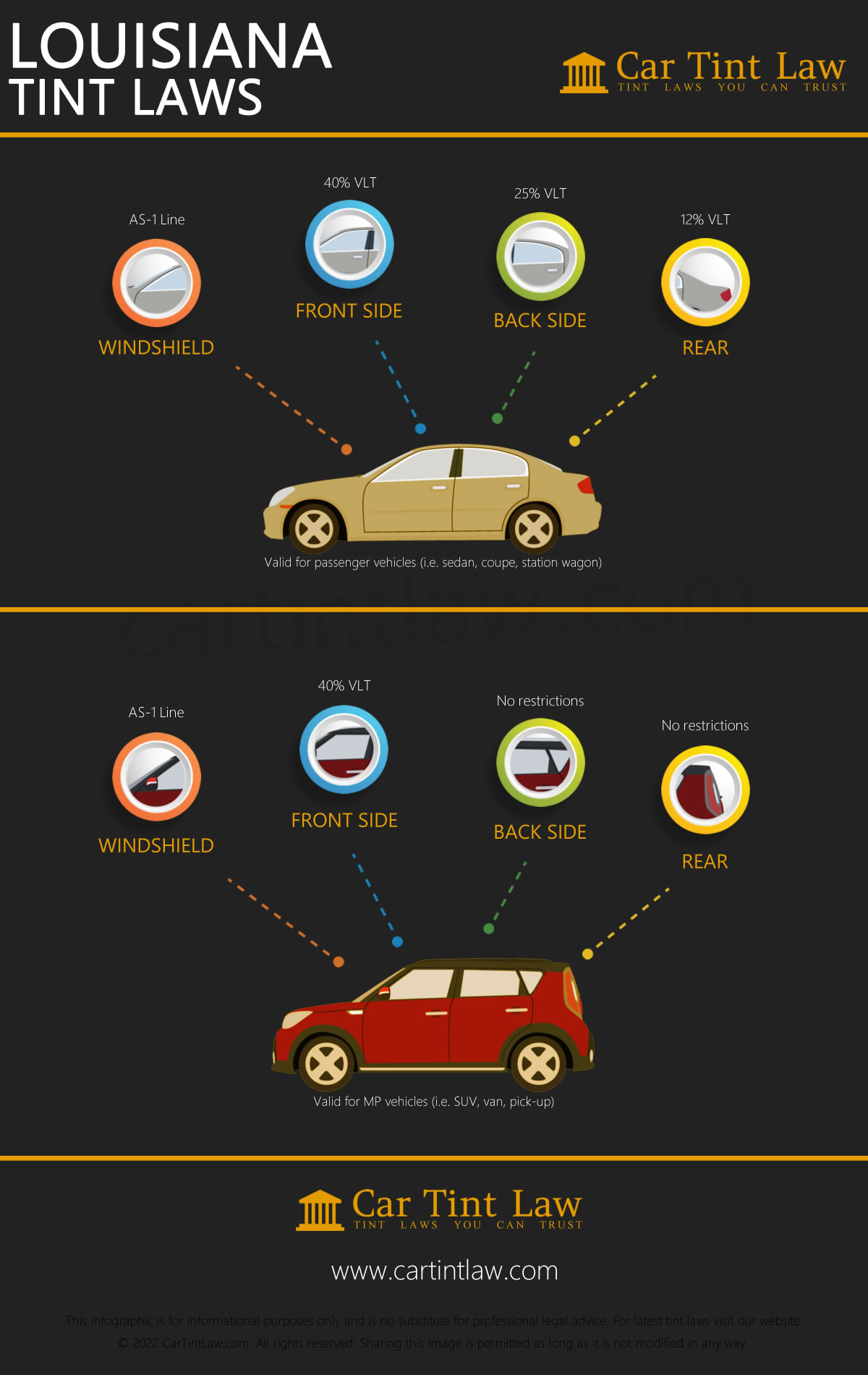
Credit: www.cartintlaw.com
Checking Tint Laws When Moving
Moving to a new state means new rules for auto tinting. Tint laws vary widely between states. Some states allow darker tints, while others have strict limits. Not checking these laws can lead to fines or forced removal of tint. Always verify the regulations before driving in a new state.
Resources For State Laws
Every state has official resources to check tint laws. State Department of Motor Vehicles (DMV) websites often list tint regulations. Law enforcement agency sites may provide clear guidelines. Some nonprofit organizations track auto tint laws across states. Use these sources to find detailed, up-to-date information.
- State DMV official websites
- Local law enforcement sites
- Automobile associations and clubs
- Government legal code databases
Tips For Ensuring Compliance
Measure your window tint before moving. Use a tint meter or visit a professional shop for accurate readings. Compare your tint percentage with the new state’s limits. Adjust or remove tint if it is too dark. Keep documentation of tint compliance handy during travel. Regularly update yourself on any law changes in your state.
Legal Alternatives And Exemptions
Understanding legal alternatives and exemptions can save you from unexpected fines and hassles when driving across state lines with tinted windows. While tint laws vary widely, some exceptions allow certain types of tint or specific individuals to legally use darker films. Knowing these can help you stay compliant without giving up your preferred level of privacy or sun protection.
Medical Exemptions
If you have a medical condition that makes your eyes sensitive to sunlight, you might qualify for a medical exemption. Many states allow darker window tinting for people with documented health issues like lupus, albinism, or photophobia.
Typically, you’ll need a doctor’s note or a medical certificate to prove your condition. This exemption often applies only to certain windows, such as the rear or side windows, and not the windshield. Have you checked if your condition qualifies you for this protection? It’s worth asking your state’s DMV or local law enforcement.
Manufacturer Tint Standards
Sometimes, the tint that comes pre-applied from the car manufacturer meets specific legal standards recognized across states. These factory-installed tints are often treated differently by law enforcement compared to aftermarket films.
For example, some vehicles come with a slight tint on the rear windows, which is accepted nationwide. This can be a legal alternative if you want some shade without worrying about breaking the rules when traveling.
Always keep your vehicle’s manual or manufacturer documentation handy to prove the tint’s origin if questioned. Have you noticed how many new cars already have some tint? It might be your easiest legal option for window shading.
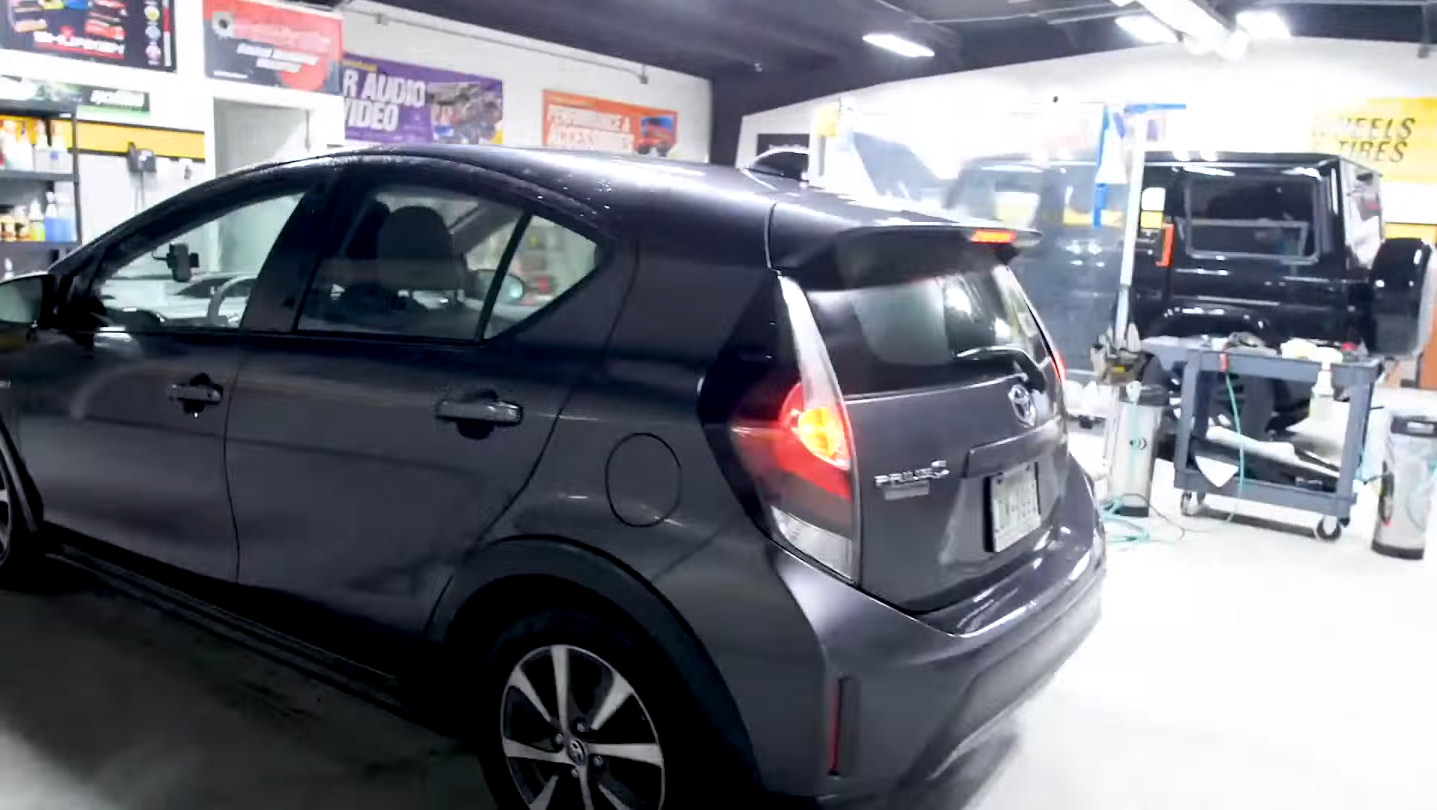
Credit: www.tintworld.com
Frequently Asked Questions
Do Tint Laws Vary Between States?
Yes, auto tint laws vary significantly between states. Each state sets its own regulations for allowable tint darkness and reflectivity. It’s crucial to check local laws before applying window tint to ensure compliance and avoid fines. Always consult your state’s specific tint regulations for the most accurate information.
Can I Drive Across States With Tinted Windows?
Yes, you can drive across states with tinted windows, but compliance is key. When traveling, your vehicle should meet the tint laws of your home state. However, it’s wise to ensure your tint is within the legal limits of states you frequently visit to avoid potential issues.
What Are The Penalties For Illegal Tint?
Penalties for illegal tint can include fines, warnings, and even vehicle inspection failures. The severity of penalties varies by state. In some cases, you may be required to remove the tint or adjust it to meet legal standards. Always adhere to state-specific laws to avoid such penalties.
How To Check My State’s Tint Laws?
To check your state’s tint laws, visit the Department of Motor Vehicles (DMV) website or consult local law enforcement. They provide detailed information on permissible tint levels. You can also contact professional window tinting services in your area for guidance on legal tint options.
Conclusion
Auto tint laws differ from state to state, so stay informed. Each state sets its own rules about tint darkness and placement. Driving with illegal tint can lead to fines or trouble. Always check local laws before you move or travel.
Following the rules keeps you safe and avoids penalties. Remember, what works in one state might not in another. Stay updated and adjust your tint if needed. This helps you drive legally wherever you go.