Have you ever wondered if something as simple as a dirty air filter could make your car overheat? It might seem unlikely, but the condition of your air filter plays a bigger role in your car’s health than you think.
If you ignore it, you could be putting your engine at risk without even realizing it. You’ll discover how a clogged air filter can affect your car’s temperature and what you can do to keep your ride running smoothly. Keep reading—your car’s well-being depends on it.
How Air Filters Work
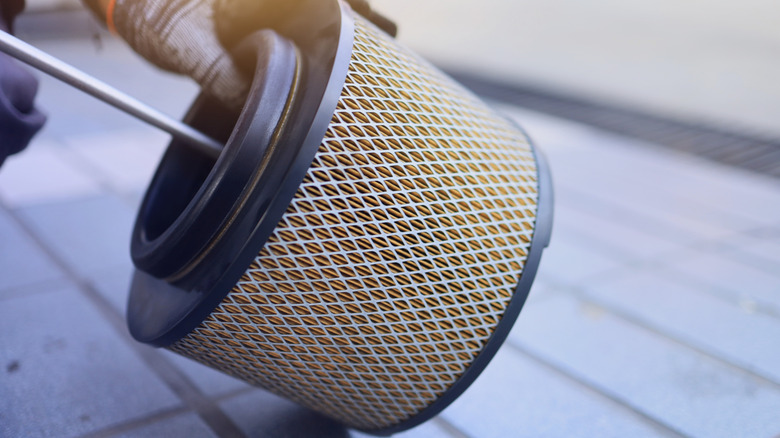
An air filter is a simple device that cleans the air entering your car’s engine. It traps dust, dirt, and other particles. Clean air is essential for the engine to run well and stay cool. The air filter helps keep harmful debris out while allowing enough air to flow inside.
Role In Engine Performance
The air filter affects how the engine breathes. A clean filter lets air pass freely, helping fuel burn properly. This improves power and fuel efficiency. A dirty filter blocks air, making the engine work harder. This can cause poor performance and higher fuel use.
Impact On Airflow
Airflow is the amount of air reaching the engine. The air filter controls this flow. A clean filter allows smooth airflow, supporting engine cooling and combustion. A clogged filter reduces airflow, causing the engine to heat up. This lack of air can lead to overheating and damage.

Credit: autos.yahoo.com
Signs Of A Dirty Air Filter
Recognizing the signs of a dirty air filter can save you from costly repairs and keep your car running smoothly. A clogged air filter restricts airflow, which affects your engine’s performance and may lead to overheating. Paying attention to subtle changes in your car’s behavior can help you spot problems early.
Reduced Fuel Efficiency
Have you noticed your car consuming more fuel than usual? A dirty air filter chokes the engine’s air supply, causing it to burn more fuel to compensate. This inefficiency means you’ll be filling up the tank more often without getting the mileage you expect.
Try tracking your fuel usage over a week. If the drop in miles per gallon is significant, your air filter might be the culprit. Swapping out a dirty filter can restore your vehicle’s fuel economy quickly.
Engine Misfires
Engine misfires feel like sudden jerks or rough idling while driving. This happens because a dirty air filter disrupts the right mix of air and fuel needed for combustion. Without enough clean air, the engine struggles to run smoothly.
Have you experienced your car hesitating or stalling unexpectedly? Check your air filter before assuming it’s a bigger engine issue. Cleaning or replacing the filter often resolves these misfires.
Unusual Engine Sounds
Listen closely to your engine’s sounds. A clogged air filter can cause your engine to sound louder or produce odd noises during acceleration. These sounds occur as the engine works harder to breathe through the blocked filter.
Next time you hear strange engine noises, inspect the air filter first. It’s a simple fix that can prevent more serious damage and keep your car’s engine running quietly.
Link Between Air Filters And Overheating
A dirty air filter can impact more than just engine performance. It plays a key role in keeping your car cool. Understanding the link between air filters and overheating helps prevent serious engine damage. A clogged filter limits airflow and affects engine temperature control.
Airflow Restriction Effects
The air filter cleans air before it reaches the engine. Dirt and debris clog the filter over time. This clog reduces the amount of air entering the engine. Less air means the engine cannot burn fuel efficiently. Poor combustion leads to higher engine heat. The engine struggles to stay cool with limited airflow.
Engine Cooling Challenges
Engines rely on air circulation to reduce heat. A dirty air filter disrupts this process. The cooling system works harder to maintain the right temperature. Over time, this extra effort can cause the engine to overheat. Hot engine parts may wear out faster or fail. Keeping the air filter clean supports proper engine cooling.

Credit: urbanlube.ca
Other Causes Of Car Overheating
When your car overheats, it’s easy to blame a dirty air filter, but several other issues could be causing the problem. Understanding these can help you spot the real culprit faster and avoid costly repairs. Let’s dive into some common causes that often get overlooked.
Coolant System Issues
Your car’s coolant system plays a vital role in keeping the engine temperature stable. If there’s a leak or the coolant level is low, your engine can quickly overheat. You might notice a sweet smell or puddles under your car—both signs that something’s wrong with the coolant system.
Have you ever checked your coolant level only to find it surprisingly low? That’s a clear warning sign to get it refilled and inspected for leaks. Ignoring this can lead to major damage, so keep an eye on the coolant reservoir regularly.
Thermostat Malfunctions
The thermostat controls when coolant flows through the engine. If it gets stuck closed, the coolant won’t circulate, causing the engine to heat up. A faulty thermostat can make your temperature gauge jump wildly or stay in the hot zone.
Think about the last time your car overheated without any obvious leaks. It might have been the thermostat failing silently. Replacing it is usually inexpensive and can save you from bigger problems down the road.
Radiator Problems
Your radiator disperses heat from the coolant to keep the engine cool. Blockages, corrosion, or damaged fins reduce its efficiency and cause overheating. Sometimes, the radiator fan also fails to engage, which worsens the problem, especially in stop-and-go traffic.
If you notice steam rising from the front of your car or your heater blowing cold air, the radiator could be the issue. Regular radiator maintenance, like flushing and cleaning, can prevent these problems. Have you inspected your radiator lately?
Preventing Overheating With Maintenance
Preventing your car from overheating requires more than just watching the temperature gauge. Proper maintenance plays a crucial role in keeping your engine cool and running smoothly. Small, consistent checks can save you from costly repairs and unexpected breakdowns on the road.
Regular Air Filter Replacement
A dirty air filter restricts airflow to your engine, causing it to work harder and heat up. You might not realize how often dust and debris clog the filter until you feel a drop in performance or notice increased fuel consumption.
Changing your air filter regularly ensures your engine breathes properly. This helps maintain the right air-to-fuel ratio, preventing overheating. Have you checked your air filter lately? It might be time to swap it out.
Coolant System Checks
Your coolant system is the frontline defense against engine overheating. Low coolant levels or leaks reduce its ability to absorb and dissipate heat effectively.
Look for signs like puddles under your car or a sweet smell inside the cabin. Flushing and refilling your coolant according to the manufacturer’s schedule keeps the system in top shape. Don’t wait for the warning light to come on—regular checks can spot issues early.
Routine Engine Inspections
Regular engine inspections catch hidden problems before they escalate. Checking belts, hoses, and the radiator for wear or damage can prevent sudden failures that lead to overheating.
During inspections, mechanics can also identify signs of sludge buildup or leaks that affect cooling efficiency. A quick look under the hood every few weeks could reveal trouble spots you might miss otherwise. How often do you give your engine a thorough once-over?
Credit: www.tyreplus-me.com
When To See A Mechanic
Knowing when to see a mechanic is crucial for your car’s health. Overheating can cause serious engine damage. Sometimes, a dirty air filter is to blame. Other times, the problem runs deeper. Early action can save costly repairs and keep you safe on the road.
Persistent Overheating Symptoms
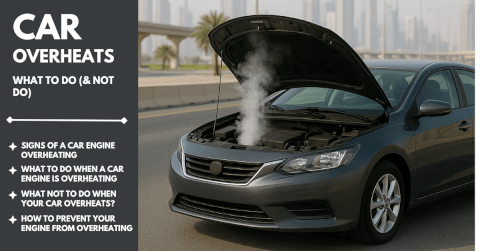
Watch for constant overheating despite cooling efforts. Your car’s temperature gauge stays in the red zone. Steam or smoke rises from under the hood. The engine may lose power or stall. Strange smells, like burning, can also appear. These signs mean it’s time for professional help.
Warning Light Indicators
Dashboard warning lights are your car’s alert system. The check engine light can signal overheating issues. A coolant temperature warning light may also glow. Don’t ignore these indicators. They help prevent severe damage by prompting quick action. Visit a mechanic as soon as these lights appear.
Frequently Asked Questions
Can A Dirty Air Filter Cause Engine Overheating?
Yes, a dirty air filter can restrict airflow to the engine. This causes it to work harder and overheat. Ensuring a clean air filter is crucial. It helps maintain optimal engine temperature and performance.
How Does A Clogged Air Filter Affect Car Temperature?
A clogged air filter limits air intake to the engine. This can lead to poor combustion and increased engine temperature. Regularly checking and replacing the air filter can prevent overheating issues.
What Are Symptoms Of An Overheating Car?
Common symptoms include a rising temperature gauge, steam from the hood, and a hot engine smell. It’s important to address these signs immediately. Ignoring them can lead to severe engine damage.
How Often Should I Change My Car’s Air Filter?
Typically, it’s recommended to change the air filter every 12,000 to 15,000 miles. However, this can vary based on driving conditions. Regular inspection ensures optimal engine performance and prevents overheating.
Conclusion
A dirty air filter can make your car work harder. This extra effort may cause the engine to heat up. Clean air filters help the engine breathe better. This keeps your car running cooler and smoother. Check your air filter often for dirt and dust.
Replacing it on time prevents overheating problems. A simple step can save you from costly repairs. Keep your car healthy with regular air filter care. Avoid overheating and enjoy a smooth drive.