Are you wondering how much soil you need for your raised garden bed? Getting the right amount of soil is key to growing healthy plants and avoiding wasted space or money.
Too little soil means your plants won’t have enough room to grow strong roots. Too much soil can be heavy and expensive. You’ll discover exactly how to calculate the perfect amount of soil for your raised bed. By the end, you’ll be ready to fill your garden with the ideal soil mix that helps your plants thrive.
Keep reading to make your gardening project a success!

Credit: www.thecelticfarm.com
Choosing Raised Bed Dimensions
Choosing the right size for your raised garden bed is important. It affects how much soil you need and how easy it is to care for your plants.
Consider the width, length, and depth to get the best results for your garden space and plant needs.
Standard Sizes And Depths
Most raised beds follow standard sizes that fit common gardening needs. The width is usually 3 to 4 feet. This size lets you reach the middle without stepping inside.
Length varies from 4 to 8 feet or more. Depth ranges from 6 to 12 inches or deeper, depending on the plants.
| Dimension | Common Size |
|---|---|
| Width | 3 to 4 feet |
| Length | 4 to 8 feet |
| Depth | 6 to 12 inches (or more) |
Customizing For Plant Types
Different plants need different soil depths. Shallow roots need less soil, while deep roots need more space.
For example, lettuce and herbs grow well in 6 to 8 inches of soil. Root vegetables like carrots or potatoes need 12 inches or deeper.
- Lettuce and herbs: 6 to 8 inches
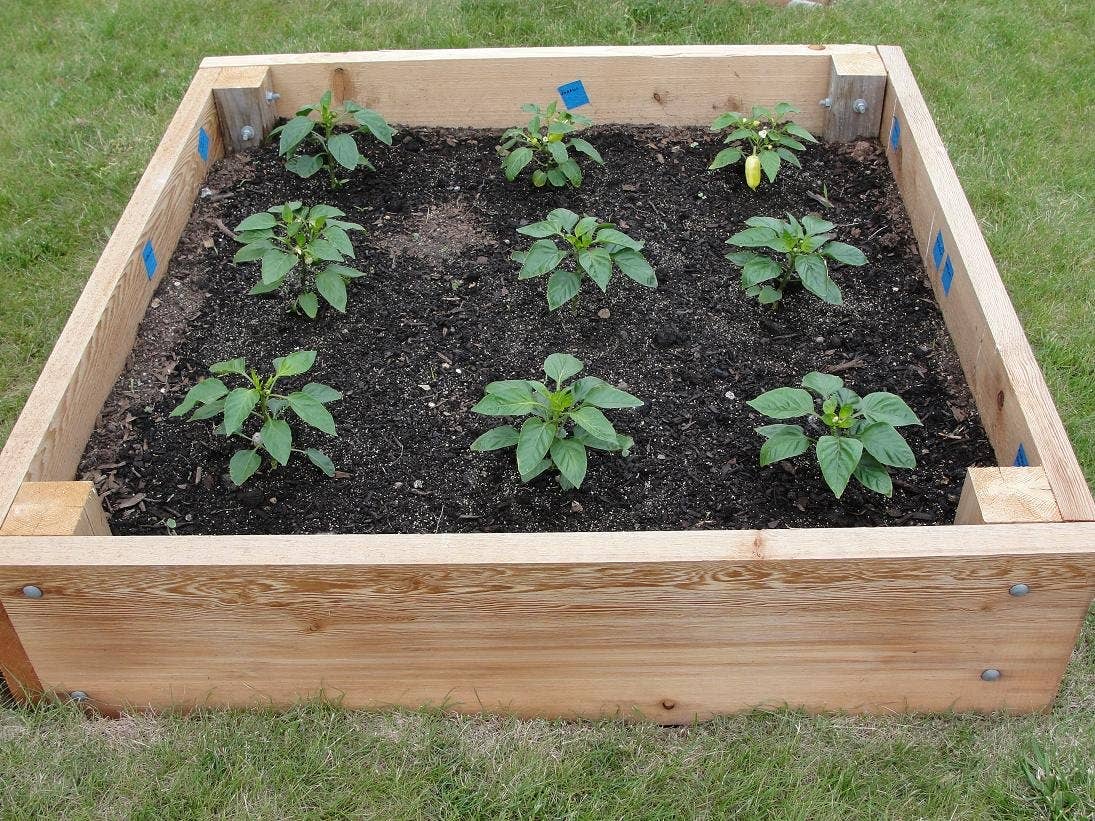
- Tomatoes and peppers: 10 to 12 inches
- Carrots and potatoes: 12 inches or more
Space Considerations
Think about the space you have available. Raised beds should fit well without crowding your garden area.
Leave enough room around beds for walking and tool use. Paths of 2 to 3 feet help you move easily.
- Measure your garden space first
- Allow 2 to 3 feet for walking paths
- Choose bed sizes that fit your layout
Calculating Soil Volume
Knowing how much soil you need for your raised garden bed is crucial. It ensures that your plants have enough room to grow.
Calculating soil volume involves using basic math and understanding the shape of your garden bed.
Basic Volume Formulas
To find the soil volume, you need to know the length, width, and height of the bed. The formula for a rectangular bed is simple.
- Measure the length in feet.
- Measure the width in feet.
- Measure the height or depth in feet.
- Multiply these three numbers together.
Adjusting For Bed Shape
Not all garden beds are rectangular. Some may be circular or have unique shapes. Adjust the formula for these shapes.
For other shapes, divide them into sections, calculate each section, and then add them together.
Common Measurement Mistakes
Errors in measuring can lead to buying too much or too little soil. Be precise with your measurements.
| Common Mistake | Solution |
| Measuring in inches instead of feet | Convert inches to feet by dividing by 12 |
| Forgetting to measure depth | Always include the height or depth in your calculations |
| Assuming all beds are rectangular | Check the shape and adjust the formula |
Soil Composition Essentials
Raised garden beds need the right soil mix for plants to grow well. Soil gives plants water, nutrients, and support.
Good soil helps roots grow deep and keeps plants healthy. The soil must drain well and hold enough moisture.
Ideal Soil Mix Ratios
The best soil mix has three parts: topsoil, compost, and a light material like peat moss or coconut coir.
A common ratio is 60% topsoil, 30% compost, and 10% peat moss. This mix holds water and nutrients well.
- 60% good quality topsoil
- 30% organic compost
- 10% peat moss or coconut coir
Organic Matter And Amendments
Organic matter feeds plants and improves soil texture. It helps keep the soil loose and full of life.
Amendments like compost, worm castings, and leaf mold add nutrients and improve soil quality over time.
- Use compost for nutrients
- Add worm castings for soil health
- Leaf mold improves moisture retention
- Mix amendments well into soil
Drainage And Aeration Needs
Soil must drain excess water to stop roots from rotting. It should also have air pockets for oxygen.
Adding perlite or coarse sand helps keep soil loose. This improves drainage and lets roots breathe.
- Use perlite or coarse sand to improve drainage
- Keep soil loose for good airflow
- Avoid heavy clay soil alone
- Check soil moisture regularly
Filling Your Raised Bed
Knowing how much soil to use is key for a healthy garden. Your raised bed needs enough soil for strong plant roots.
Choosing the right soil and filling it correctly helps plants grow better. Let’s look at how to fill your raised bed well.
Layering Techniques
Layering soil and other materials keeps the bed healthy. Start with rough materials at the bottom for drainage.
Next, add compost and topsoil layers. This mix gives plants nutrients and space for roots.
- First layer: small branches or straw
- Second layer: compost or manure
- Top layer: rich garden soil or topsoil
Sources For Quality Soil
Good soil helps plants get the nutrients they need. Buy soil from a trusted garden center or make your own mix.
Look for soil that drains well and feels loose. Avoid soil with too much clay or sand alone.
- Local garden centers offer tested soil mixes
- Compost improves soil with natural nutrients
- Mix sand and clay for balanced texture
Avoiding Soil Compaction
Compacted soil stops air and water from reaching roots. Avoid stepping inside the bed after filling it.
Use loose soil and add organic matter to keep it light. Turning the soil can also help stop compaction.
- Do not walk on the soil in the bed
- Add compost or peat moss to loosen soil
- Use a garden fork to gently turn soil each season
Maintaining Soil Health
Good soil health is key for a raised garden bed. Healthy soil helps plants grow strong and produce more food.
Keeping soil healthy means checking and caring for it often. This keeps nutrients and moisture just right.
Regular Soil Testing
Test your soil regularly to see what it needs. Soil tests show pH levels and nutrient amounts.
Testing helps you add the right nutrients and avoid problems like too much acid or salt.
Nutrient Replenishment
Plants use up nutrients from the soil. You must replace these nutrients to keep soil healthy.
Add compost, manure, or organic fertilizers to feed the soil. This keeps plants growing well.
- Use compost for natural nutrients
- Add manure for rich organic matter
- Apply balanced fertilizers if needed
- Rotate crops to avoid nutrient loss
Managing Soil Moisture
Soil moisture must be just right. Too dry or too wet soil harms plant roots and growth.
Water regularly but avoid waterlogging. Mulch can help keep moisture steady in the soil.
- Water early in the day for best absorption
- Use mulch to reduce evaporation
- Check soil moisture by feeling the soil
- Improve drainage if water pools

Credit: www.thunderbirddisco.com
Troubleshooting Soil Issues
Good soil is key for healthy plants in a raised garden bed. Sometimes soil problems can stop plants from growing well.
Knowing how to spot and fix soil issues will help your garden stay strong and productive.
Common Soil Problems
Soil in raised beds can have issues like poor drainage, low nutrients, or pests. These problems affect plant health.
- Soil that stays too wet can cause root rot
- Hard or compacted soil stops roots from growing
- Low nutrients make plants weak and small
- Weeds compete with your plants for food
- Soil pests like grubs can damage roots
Fixes And Preventative Tips
Fixing soil problems early keeps plants healthy. You can prevent many issues with regular care and simple steps.
- Improve drainage by adding compost and sand
- Loosen compacted soil with a garden fork
- Add fertilizer or organic matter for nutrients
- Remove weeds by hand or mulch the soil
- Use natural pest controls like nematodes or beneficial insects
- Test soil pH and adjust with lime or sulfur if needed
Water raised beds properly. Too much water can cause problems. Too little water stresses plants.
When To Replace Soil
Sometimes soil in raised beds needs to be replaced. This happens if problems keep coming back or soil is old.
Replace soil if it smells bad, is very hard, or has many pests. Fresh soil gives plants a better start.
- Replace soil every 3 to 5 years
- Replace soil if plants show poor growth despite care
- Use good quality garden soil and compost
- Mix old soil with fresh soil to keep nutrients balanced
Credit: dengarden.com
Frequently Asked Questions
How Much Soil Fills A 4×8 Raised Garden Bed?
A 4×8 raised bed with 12-inch depth requires about 2. 67 cubic yards of soil. Calculate by multiplying length, width, and depth in feet, then convert to cubic yards. This amount ensures proper root growth and soil moisture retention for most vegetables.
What Soil Depth Is Ideal For Raised Garden Beds?
The ideal soil depth is 12 to 18 inches for most raised beds. This depth allows roots to grow well and access nutrients. Shallow beds may stunt plants, while deeper beds improve drainage and plant health.
How Do I Calculate Soil Volume For My Raised Bed?
Multiply your bed’s length, width, and depth in feet to get cubic feet. Divide this number by 27 to convert to cubic yards. This method helps you buy the right soil amount without waste or shortage.
Can I Use Less Soil For Shallow Raised Beds?
Yes, shallow beds need less soil but limit plant types. Use 6 to 8 inches for herbs or shallow-rooted plants. Deeper soil is better for vegetables with extensive roots, ensuring healthy growth and yield.
Conclusion
Knowing how much soil your raised garden bed needs saves time and money. Measure the bed’s length, width, and height to find the volume. Fill it with good quality soil for healthy plants. Avoid overfilling to prevent waste. Proper soil depth helps roots grow strong and plants thrive.
Keep your garden bed well-maintained for the best results. A little planning goes a long way in gardening success. Start with the right amount of soil and watch your garden flourish.