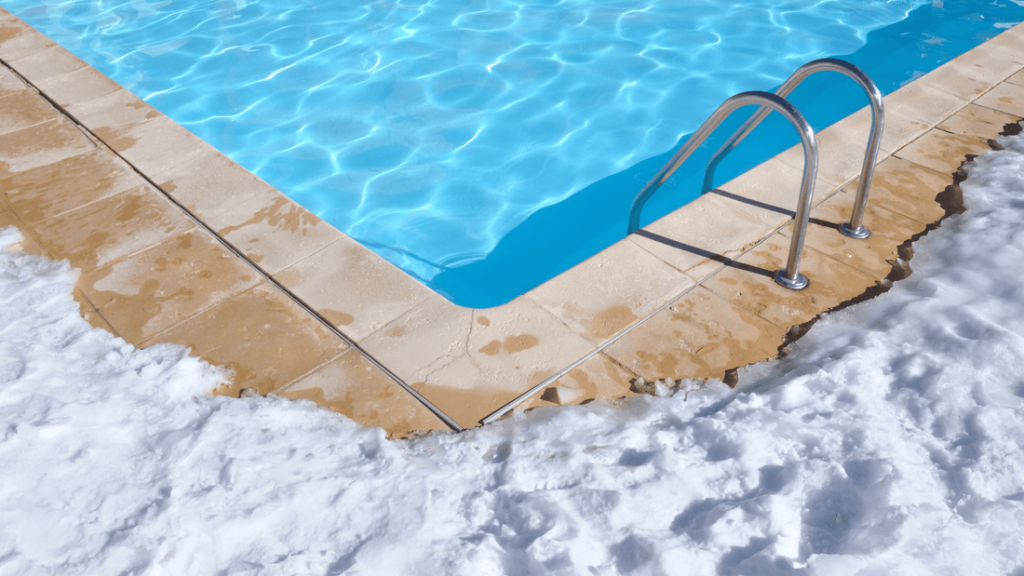
Have you ever wondered if chlorine, the essential element that keeps your swimming pool sparkling and safe, can freeze? It’s a question that might have crossed your mind, especially if you live in a region where temperatures can plummet.
Understanding the properties of chlorine can help you manage your pool effectively and avoid any unexpected surprises. You’ll discover the science behind chlorine’s freezing point and how it affects your pool management strategies. Dive into this intriguing topic with us, and you’ll gain valuable insights that could save you both time and money.
Don’t miss out on learning how to keep your pool in perfect condition all year round!

Credit: www.youtube.com
Chlorine Basics
Understanding the basics of chlorine is essential before diving into whether it can freeze. Chlorine is a widely used chemical with unique characteristics that influence its behavior under different conditions. Knowing its properties and uses helps you grasp why freezing chlorine is not a simple matter.
Physical Properties
Chlorine is a greenish-yellow gas at room temperature. It has a strong, distinctive smell that you might recognize from swimming pools.
Its boiling point is about -34°C (-29°F), which means it turns from gas to liquid below this temperature. The freezing point is even lower, around -101°C (-150°F), so chlorine freezes only at extremely cold temperatures.
Because of these low freezing points, chlorine rarely freezes under normal environmental conditions. Have you ever wondered how such a common chemical can remain a gas in most situations?
Common Uses
Chlorine plays a vital role in keeping water safe to drink. It kills harmful bacteria and viruses in swimming pools and drinking water.
Industries use chlorine to make everyday products like paper, plastics, and solvents. You might not see chlorine directly, but it’s behind many things you use daily.
Its powerful disinfecting ability makes chlorine indispensable in hospitals and sanitation. Have you thought about how many places rely on chlorine without you noticing?

Credit: www.sciencedirect.com
Freezing Point Explained
Understanding the freezing point helps explain whether chlorine can freeze. It tells us the temperature at which a liquid turns solid. This section breaks down the freezing point and the factors affecting it. Simple terms and clear examples make it easy to grasp.
What Freezing Point Means
The freezing point is the temperature where a liquid becomes solid. At this point, molecules slow down and pack tightly. Each substance has its own freezing point. Water freezes at 0°C (32°F), but chlorine freezes at a much lower temperature. Knowing the freezing point helps predict how substances behave in cold conditions.
Factors Affecting Freezing
Several factors change the freezing point of a substance:
- Pressure:Higher pressure can raise or lower freezing points.
- Purity:Pure substances freeze at specific points; impurities lower freezing points.
- State of Matter:Gases like chlorine need very cold temperatures to freeze.
- Molecular Structure:How molecules bond affects freezing behavior.
These factors explain why chlorine freezes at much colder temperatures than water. Understanding them helps clarify chlorine’s freezing behavior.
Chlorine’s Freezing Point
Chlorine is a common chemical used in pools and water treatment. Understanding its freezing point helps us know how it behaves in cold weather. Chlorine can indeed freeze, but only at very low temperatures. This section explains chlorine’s freezing point and compares it with other elements.
Temperature Requirements
Chlorine freezes at a temperature of -101.5°C (-150.7°F). This is much colder than water’s freezing point. To freeze chlorine, you need a very cold environment, much colder than normal winter temperatures.
At this temperature, chlorine changes from gas or liquid to solid. This solid form is rarely seen outside a lab or industrial setting. Most people will never encounter frozen chlorine in daily life.
Comparison With Other Elements
Chlorine’s freezing point is low compared to many common elements. For example:
- Water freezes at 0°C (32°F)
- Oxygen freezes at -218.8°C (-361.8°F)
- Nitrogen freezes at -210°C (-346°F)
These differences show chlorine freezes at a temperature between water and oxygen. It is much colder than water but warmer than oxygen and nitrogen.

Credit: www.youtube.com
States Of Chlorine
Chlorine exists in different states depending on temperature and pressure. It changes from gas to liquid, and then to solid. Each state has unique properties and uses. Understanding these states helps explain if chlorine can freeze or not.
Gas To Liquid Transition
At room temperature, chlorine is a greenish-yellow gas. Cooling chlorine causes it to change to liquid. This happens at -34.04°C (-29.27°F) under normal pressure. The gas condenses as molecules slow down and come closer. Liquid chlorine is dense and has a strong smell. It is used in water treatment and chemical manufacturing.
Liquid To Solid Transition
Lowering temperature further turns liquid chlorine into solid. Chlorine freezes at -101.5°C (-150.7°F). At this point, molecules arrange tightly in a crystal structure. Solid chlorine looks pale yellow and is brittle. It is rare to see solid chlorine outside laboratories due to extreme cold requirements.
Practical Implications
Understanding whether chlorine can freeze has real-world importance beyond just scientific curiosity. How chlorine behaves at low temperatures affects how you store, handle, and use it in various industries. This knowledge helps prevent accidents and ensures efficient use.
Storage And Handling
Chlorine freezes at about -101.5°C (-150.7°F), which is extremely cold. Most storage facilities won’t reach these temperatures, so chlorine usually remains in gas or liquid form under pressure. However, if you handle chlorine in very cold climates or specialized environments, you must monitor temperatures closely.
Proper storage tanks are designed to withstand pressure and temperature changes, but freezing can cause solid chlorine to expand and damage containers. Have you checked if your storage setup accounts for such risks? Using insulated tanks and temperature sensors helps avoid unexpected freezing.
Industrial Applications
Industries using chlorine—like water treatment or chemical manufacturing—depend on its stable state. Frozen chlorine can disrupt processes, clog pipes, and damage equipment. For example, chlorine used in water purification is stored as a liquid under pressure, and freezing could halt the entire operation.
Have you ever wondered how plants maintain chlorine flow during cold weather? They often use heaters or pressure controls to keep chlorine from freezing. Understanding these controls can improve your process safety and efficiency.
Myths Vs Facts
Understanding whether chlorine can freeze involves separating myths from facts. Many people have heard conflicting information, which can lead to confusion about how chlorine behaves in cold temperatures. Let’s clear up the misunderstandings and look closely at the science behind chlorine’s freezing point.
Common Misconceptions
One common myth is that chlorine freezes easily like water does. People often imagine chlorine turning solid in winter or in cold environments, but this isn’t true under normal conditions.
Another misconception is that chlorine in swimming pools can freeze during cold nights. Many pool owners worry about damaging their equipment due to frozen chlorine, but chlorine’s freezing point is much lower than water’s.
Have you ever wondered why pool chemicals don’t freeze even when the temperature drops below zero? This question highlights how widespread the misunderstanding is about chlorine’s freezing behavior.
Scientific Evidence
Chlorine’s freezing point is -101.5°C (-150.7°F). This means it needs to be extremely cold to freeze, far colder than typical winter temperatures anywhere on Earth.
In practical terms, you won’t see chlorine freezing in your backyard or even in most laboratory settings unless special cooling equipment is used.
Scientific data confirms that chlorine gas liquefies and solidifies only under controlled industrial conditions. So, your pool’s chlorine stays liquid and effective even in freezing weather.
Understanding this fact can help you manage your pool chemicals without fear of them freezing and causing damage.
Frequently Asked Questions
Can Chlorine Freeze Under Normal Conditions?
Chlorine freezes at -101. 5°C (-150. 7°F), much colder than typical weather. So, it does not freeze under normal Earth conditions.
What Temperature Does Chlorine Freeze At?
Chlorine freezes at -101. 5°C (-150. 7°F). This is its solidification point under standard atmospheric pressure.
Does Liquid Chlorine Turn Solid Easily?
No, chlorine requires extremely low temperatures below -101. 5°C to solidify, making it difficult to freeze in everyday environments.
How Is Frozen Chlorine Stored Safely?
Frozen chlorine is stored in specially designed cryogenic containers to maintain its low temperature and prevent hazards.
Conclusion
Chlorine can freeze, but only under very cold conditions. Its freezing point is much lower than water’s. This means you won’t see chlorine ice in normal weather. Understanding this helps in handling chlorine safely. It also shows how chemicals behave differently.
Remember, always store chlorine properly to avoid risks. Knowing such facts keeps you informed and safe. Curious about other chemicals? Keep exploring and learning!