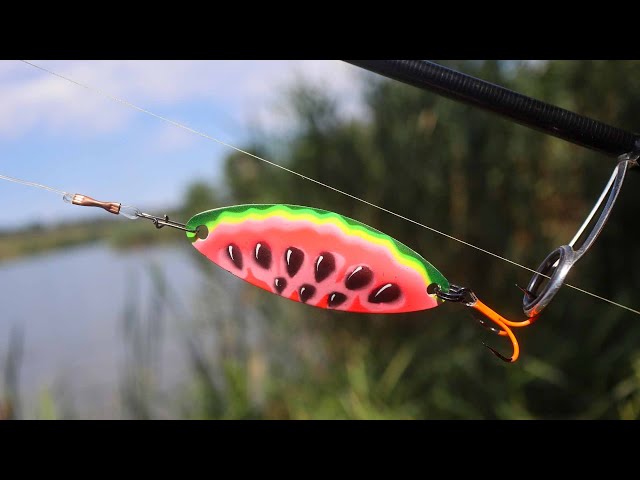
Have you ever wanted to catch more fish without spending a fortune on expensive lures? Making your own fishing lures at home is easier than you think—and it can give you a real edge on the water.
Imagine using lures that you crafted yourself, designed to attract exactly the fish you want. In this guide, you’ll discover simple steps and insider tips to create effective, personalized fishing lures that work. Ready to boost your fishing game and enjoy the satisfaction of catching fish with your own handmade gear?
Keep reading to learn how.

Credit: www.youtube.com
Choosing Materials
Making homemade fishing lures starts with picking the right materials. The choice affects how well the lure works and lasts.
This guide covers wood and plastic options, tools you need, and paints and finishes to use.
Wood Vs Plastic
Wood offers a natural feel and easy shaping. It is light and floats well. Plastic is durable and lets you make many shapes. It can sink or float depending on the type.
| Material | Advantages | Disadvantages |
| Wood | Easy to carve, floats naturally, lightweight | Can absorb water, may crack over time |
| Plastic | Durable, many shapes, water-resistant | Requires molds, can be heavier |
Essential Tools
You need some basic tools to shape and finish your lures. Good tools make the process safer and faster.
- Carving knife or rotary tool for shaping
- Sandpaper in various grits for smoothing
- Drill for making hook holes
- Paintbrushes for applying paint
- Protective gear like gloves and goggles
Paints And Finishes
Paints add color and patterns to attract fish. Finishes protect the lure from water and damage.
Choose:
- Acrylic paints for bright colors and quick drying
- Clear epoxy or polyurethane for a shiny, tough finish
- Waterproof sealers to keep wood from soaking water

Credit: www.amazon.com
Basic Lure Shapes
Making your own fishing lures can be fun and rewarding. You can create lures that are perfect for your fishing needs.
Understanding basic lure shapes is important. Each shape works best for different fish and conditions.
Minnow Style
Minnow style lures mimic small fish. They are popular because many fish eat minnows.
These lures usually have a slender, elongated shape. This design helps them move like real minnows in the water.
- Slender body
- Realistic swimming action
- Great for bass and trout
Crankbait Design
Crankbaits are known for their wobbling action. They have a wide body which makes them look like baitfish.
These lures dive deep into the water. They are perfect for reaching fish that stay below the surface.
- Wide, rounded body
- Wobbling movement
- Effective for deeper waters
Spinnerbaits
Spinnerbaits have a unique design. They come with one or more spinning blades.
The spinning blades create vibrations and flashes of light. This attracts fish even in murky waters.
- Includes spinning blades
- Creates light and vibration
- Good for murky water
Crafting The Lure Body
Making your own fishing lure starts with crafting the body. The body shape affects how the lure moves in water.
Use simple tools to cut, shape, and prepare the lure for hooks and paint.
Cutting And Shaping
Begin by choosing wood or plastic as the lure base. Use a saw or knife to cut the rough shape.
Carve the edges to create a smooth, fish-like shape. Keep the size and shape balanced for better movement.
- Draw the lure shape on the material first
- Cut slowly to avoid mistakes
- Use a sharp blade for clean edges
- Remove large chunks before fine shaping
Sanding Techniques
After shaping, sand the lure body to smooth rough spots. Start with coarse sandpaper, then use finer grit.
Sanding helps the paint stick better and gives the lure a natural finish. Sand evenly on all sides.
- Use 80-grit sandpaper first
- Move to 150-grit for finer smoothing
- Finish with 220-grit for a smooth surface
- Check for rough patches and sand again
Drilling Hook Holes
Mark the spots where hooks will attach. Use a small drill bit to make clean holes without splitting the body.
Drill slowly and keep the holes straight. Test the fit with hooks before moving on to paint or finish.
- Measure hook size before drilling
- Use a drill bit slightly smaller than the hook eye
- Drill holes straight through the lure body
- Clean out sawdust to avoid hook problems
Adding Color And Details
Adding color and details makes homemade fishing lures look real. This helps attract fish to your lure.
Use paint, eyes, and scales to give your lure a natural look. These small touches improve your lure’s effectiveness.
Painting Tips
Start with a base coat that matches the fish you want to catch. Use thin layers of paint to avoid clumps.
Use small brushes for details like stripes or spots. Let each layer dry before adding the next one.
- Use acrylic paint for quick drying
- Apply light coats to keep paint smooth
- Add patterns that mimic real fish
- Use bright colors for clear water
- Use dull colors for murky water
Adding Eyes And Scales
Attach small plastic or glass eyes to make the lure more lifelike. Use glue that dries clear to avoid mess.
Paint or scratch scales onto the lure’s body. Scales add texture and reflect light underwater.
- Place eyes near the front of the lure
- Use a toothpick to add scale details
- Try silver or white paint for shiny scales
- Keep details small for a natural look
Sealing For Durability
Seal your painted lure with a clear coat to protect colors. This keeps your lure looking good after many uses.
Use a waterproof sealer made for outdoor use. Apply several thin coats for the best protection.
- Choose a non-yellowing clear coat
- Spray or brush on the sealer
- Let each coat dry fully before the next
- Seal all parts, including eyes and scales
Attaching Hooks And Hardware
Attaching hooks and hardware is a key step in making fishing lures. Proper attachment ensures your lure works well and lasts long.
This guide covers how to pick hooks, secure split rings, and add weights to your homemade lures.
Choosing The Right Hooks
Use hooks that fit your lure size and fishing style. Small hooks suit small fish, while bigger hooks catch larger fish.
Choose hooks made from strong, rust-resistant metal. This helps hooks last longer in water.
- Match hook size to lure size
- Pick sharp, strong hooks
- Use rust-resistant materials
Securing Split Rings
Split rings connect hooks to the lure. Use pliers to open the rings without bending them out of shape.
Attach the split ring through the lure’s eyelet and then add the hook. Make sure the ring is fully closed to avoid losing hooks.
- Use pliers to open split rings
- Attach ring to lure eyelet first
- Add the hook onto the ring
- Close ring tightly to secure
Adding Weights
Weights help your lure sink and move naturally in water. Choose weights that fit your lure size and fishing depth.
Attach weights by gluing or inserting them inside the lure body. You can also tie small lead or tungsten weights to the split ring.
- Select weights based on lure size
- Glue or insert weights inside lure
- Or attach weights to split rings
- Test lure movement in water
Testing And Adjusting
After making your fishing lure, testing is a key step. Testing helps you see how the lure moves in water.
Adjusting the lure improves its action and balance. This makes it more attractive to fish.
Water Testing Methods
Test your lure in a calm water place like a pond or pool. Watch how it moves when you pull it.
You can also test it by casting in a small lake. See if it swims straight or spins.
- Use clear water for better visibility
- Test with slow and fast pulls
- Note how the lure dives or floats
Balancing The Lure
Balance affects how the lure sits in the water. A well-balanced lure swims smoothly.
Add or remove weight to find the right balance. Use small weights inside or outside the lure.
- If the lure tips forward, add weight at the back
- If it tilts back, add weight near the front
- Check balance by floating the lure in water
Tweaking Action
Action means how the lure moves. It can wobble, dart, or glide. Adjust parts to change action.
Bend the hooks or lips slightly to alter movement. Test after each change to see effects.
- Bend the lip down for deeper dives
- Twist the lip for more wobble
- Adjust hook position to change balance and action
Safety And Maintenance
Making homemade fishing lures is fun but requires care. Safety and maintenance keep you and your tools safe.
Proper handling and storage help lures last longer. Fixing damaged lures saves money and time.
Handling Tools Safely
Use sharp tools with care to avoid cuts. Always cut away from your body and fingers.
Wear safety glasses to protect your eyes from flying pieces. Keep your workspace clean and organized.
- Keep blades sharp but handle them carefully
- Wear protective gloves if needed
- Store tools in a safe place after use
- Do not rush while working with tools
Storing Lures Properly
Store lures in a dry box to stop rust and damage. Use compartments to keep lures separate and untangled.
Keep lures away from direct sunlight. Heat and light can change their colors and weaken materials.
- Use tackle boxes with dividers
- Keep lures dry and cool
- Check lures regularly for damage
- Label boxes for easy finding
Repairing Damaged Lures
Fix small cracks or chips quickly to keep lures working well. Use strong glue made for fishing gear.
Replace hooks if they are bent or rusted. Check split rings and eyes for wear and fix or swap them.
- Clean the lure before repairs
- Use waterproof glue or epoxy
- Replace damaged hooks and rings
- Test repaired lures before use

Credit: www.youtube.com
Frequently Asked Questions
What Materials Do I Need To Make Homemade Fishing Lures?
You need wood, hooks, paint, wire, and eyes. These basic materials help you create durable and effective lures. Additional items like glue and sandpaper improve quality and finish.
How Can I Design Effective Homemade Fishing Lures?
Study local fish habits and water conditions. Use colors and shapes mimicking natural prey. Experiment with sizes and movements to attract more fish.
What Is The Best Paint For Homemade Fishing Lures?
Use waterproof, non-toxic acrylic paint. It adheres well and resists water damage. Finish with a clear sealant to protect your paint job.
How Do I Attach Hooks Securely To My Lures?
Use strong wire or split rings to connect hooks. Make sure the attachment is tight and durable. This prevents losing fish during a catch.
Conclusion
Making your own fishing lures can be fun and rewarding. You control the shape, color, and size to match your fishing needs. It saves money and lets you try new ideas easily. Experiment with different materials and designs. Each lure you make teaches you something new about fishing.
Keep practicing and enjoy catching more fish with your handmade lures. Simple tools and a bit of patience bring great results. Give it a try and see how satisfying it feels. Happy fishing!