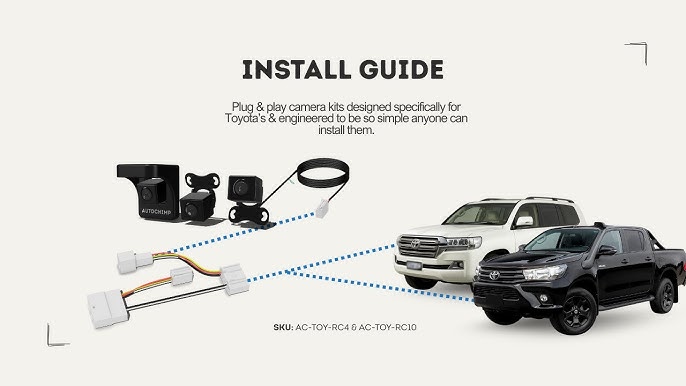
Have you ever wished your car had a reverse camera to make parking and reversing safer and easier? Maybe your vehicle didn’t come with one, or you’re driving an older model.
The good news is, you don’t have to settle for guessing what’s behind you anymore. Adding a reverse camera to your car is possible, and it might be simpler than you think. You’ll discover how you can upgrade your car with a reverse camera, what options are available, and what to consider before making the switch.
Keep reading to find out how this small addition can make a big difference in your driving experience.
Benefits Of Adding A Reverse Camera
A reverse camera helps drivers see behind their car clearly. It improves safety and makes parking easier.
Many cars today come with reverse cameras, but you can add one to older models. The benefits are worth it.
Improved Safety
A reverse camera reduces blind spots behind your vehicle. It helps prevent accidents with pedestrians, pets, and objects.
Ease Of Parking
Parking in tight spaces becomes simpler with a reverse camera. You can see exactly where your car is going.
- Align your car properly in parking spots
- Avoid hitting curbs or other cars
- Reverse safely in crowded areas
Better Vehicle Awareness
The camera gives you a wider view of the area behind your car. This helps in spotting small objects or children.
Increased Vehicle Value
Adding a reverse camera can increase your car’s resale value. Buyers often look for this safety feature.
| Benefit | Description |
| Safety | Reduces risk of backover accidents |
| Parking | Makes parking easier and more precise |
| Awareness | Improves view of blind spots |
| Value | Raises resale price of the car |
Credit: dashcamtalk.com
Types Of Reverse Cameras
Reverse cameras help drivers see behind their cars while backing up. They improve safety by showing obstacles and pedestrians.
There are different types of reverse cameras based on how they connect and how they are installed.
Wired Vs Wireless
Reverse cameras connect to your car’s display in two main ways: wired or wireless. Each has pros and cons.
- Wired camerasuse cables to link the camera to the screen. They offer a steady and clear video signal.
- Wireless camerassend video signals through radio waves. They are easier to install but may face interference.
- Wired systems need more installation work and may require running cables through the car.
- Wireless systems are simpler to add but could have slight delays or signal loss in some areas.
Built-in Vs Aftermarket
Reverse cameras come either built-in by the car maker or as aftermarket products added later.
| Type | Description | Pros | Cons |
|---|---|---|---|
| Built-in | Installed by the manufacturer during car production. | Seamless design, usually better integration with car systems. | Limited to specific car models, costly to repair. |
| Aftermarket | Added later by the owner or installer. | Wide variety of choices, can fit many cars, often cheaper. | May not fit perfectly, installation may be tricky. |
Selecting The Right Reverse Camera
Adding a reverse camera to your car helps you park and drive safely. Picking the right camera is important for the best results.
Consider key factors before buying a reverse camera. This guide covers compatibility and camera features.
Compatibility With Your Vehicle
Not all reverse cameras fit every car. Check if the camera works with your vehicle model and year.
Some cameras need special wiring or mounts. Make sure your car supports these requirements before buying.
- Check your car’s manual for camera compatibility
- Look for cameras designed for your vehicle type
- Confirm power and video connection options
- Consider professional installation if unsure
Camera Quality And Features
Good camera quality gives clear images, especially in low light. Look for cameras with high resolution.
Extra features can improve safety and ease of use. Some cameras include night vision and wide viewing angles.
- High resolution for sharp images
- Wide viewing angle to see more area
- Night vision for dark conditions
- Waterproof design for all weather
- Guidelines to help judge distance

Credit: www.youtube.com
Installation Process
Adding a reverse camera to your car can improve safety when backing up. The process involves several steps from gathering tools to mounting the camera.
Follow the instructions carefully to install the camera correctly and avoid damage to your vehicle.
Tools And Materials Needed
You need the right tools and materials before starting the installation. This helps make the process smooth and safe.
- Reverse camera kit (camera, monitor, cables)
- Power drill with bits
- Screwdrivers (Phillips and flathead)
- Wire strippers and crimpers
- Electrical tape
- Multimeter
- Zip ties
- Vehicle wiring diagram (optional)
Step-by-step Installation
The installation requires connecting the camera to power and the display monitor. Follow the steps carefully in order.
- Locate the best place to mount the camera, usually above the license plate.
- Drill holes if needed and secure the camera with screws.
- Route the camera cable through the vehicle’s body to the inside.
- Connect the camera’s power wires to the reverse light circuit.
- Run the video cable from the camera to the monitor inside the car.
- Mount the monitor on the dashboard or rearview mirror.
- Connect the monitor to the car’s power source.
- Test the system by putting the car in reverse gear.
| Step | Action | Tools Needed |
| 1 | Mount camera | Drill, screws, screwdriver |
| 2 | Route cables | Wire strippers, zip ties |
| 3 | Connect power | Multimeter, electrical tape |
| 4 | Install monitor | Screwdriver, mounting kit |
| 5 | Test system | None |
Common Installation Challenges
Adding a reverse camera to a car can improve safety. Many drivers want to install one by themselves. The process is not always easy.
Some common problems appear during installation. These include wiring issues and mounting difficulties. Knowing these helps prepare for the task.
Wiring Issues
Wiring the reverse camera needs care. Cars have complex wiring systems. Finding the right wires can be tricky. Wrong connections may cause damage or failure.
- Locate the reverse light wire for power.
- Use a test light to confirm the correct wire.
- Connect the camera’s power cable properly.
- Route the video cable to the monitor without sharp bends.
- Secure all wires to avoid loose connections.
Mounting Difficulties
Mounting the camera in the right place is important. The location must provide a clear view. Some cars have no obvious spot for the camera.
| Mount Location | Challenge |
| License Plate Area | May need drilling or special brackets |
| Bumper Edge | Limited space and weather exposure |
| Rear Window | Possible glare and limited angle |
| Factory Camera Slot | May require adapters or custom parts |
Maintenance And Troubleshooting
Adding a reverse camera to your car helps you park safely. It needs regular care to work well. Troubleshooting can fix common issues fast.
Proper maintenance keeps the camera clear and the system reliable. Troubleshooting helps find and solve problems early.
Regular Maintenance Tips
Clean the camera lens often. Dirt and water drops can block the view. Check the wiring for damage or loose connections.
- Use a soft cloth and mild cleaner for the lens
- Inspect cables for cuts or frays
- Ensure the camera mount is tight and stable
- Test the display screen for clear images
- Keep the car battery charged to avoid power issues
Solving Common Problems
If the camera image is blurry or missing, check the lens first. A dirty or scratched lens often causes this. Also, inspect the wiring and connectors for faults.
| Problem | Possible Cause | Solution |
| No Image | Loose wiring or power issue | Check connections and battery power |
| Blurry Image | Dirty or scratched lens | Clean lens gently with cloth |
| Flickering Screen | Bad connection or interference | Secure cables and avoid signal blockers |
| Image Distorted | Camera misalignment | Adjust camera angle carefully |
Cost Considerations
Adding a reverse camera to your car helps with parking and safety. Understanding the costs involved is important before you start.
Costs can vary depending on parts and installation choices. Planning your budget will make the process smoother.
Budgeting For Parts And Labor
The price of a reverse camera kit depends on features and quality. Basic cameras cost less, while advanced models with screens or sensors cost more.
| Item | Estimated Cost |
| Basic Camera Kit | $50 – $100 |
| Advanced Camera with Display | $150 – $300 |
| Professional Labor Charges | $100 – $200 |
| DIY Installation Tools | $20 – $50 |
Comparing Diy Vs Professional Installation
Choosing between DIY and professional installation affects your total cost and time spent. Each option has pros and cons.
- DIY Installation:Saves money but needs time and some skills.
- Professional Installation:Costs more but ensures correct setup and warranty.
- Tools:DIY may require buying or borrowing tools.
- Complexity:Professional help is better for complex wiring or newer cars.

Credit: www.youtube.com
Enhancing Safety With Additional Features
Adding a reverse camera to your car can improve safety while driving. It helps you see behind the vehicle clearly. This reduces the risk of accidents when reversing.
Besides a reverse camera, other features can boost safety. Parking sensors and blind spot detection are two useful tools. They help drivers avoid collisions and stay aware of their surroundings.
Parking Sensors
Parking sensors use sound waves to detect objects near your car. They alert you with beeps that get faster as you get closer. This helps you park safely in tight spaces.
These sensors work well with a reverse camera. Together, they give a clear view and warning signals. This combination lowers the chance of hitting obstacles.
- Detect objects behind or in front of the car
- Provide audio warnings to avoid collisions
- Help in parking in tight or crowded places
- Work day and night in various weather conditions
Blind Spot Detection
Blind spot detection warns you about cars in hard-to-see areas. Sensors monitor the sides and rear of your vehicle. This helps prevent accidents during lane changes.
Many systems use lights on side mirrors or sounds to alert drivers. This feature adds an extra layer of safety beyond mirrors and cameras.
- Monitors areas not visible in side mirrors
- Alerts driver of vehicles approaching from behind
- Uses lights or sounds to warn during lane changes
- Reduces risk of side collisions on busy roads
Frequently Asked Questions
Can Any Car Have A Reverse Camera Installed?
Yes, most cars can have a reverse camera installed. Aftermarket kits are widely available and compatible with many vehicles. Professional installation ensures proper wiring and functionality.
How Much Does Adding A Reverse Camera Cost?
Adding a reverse camera typically costs between $100 and $500. The price depends on camera quality, installation complexity, and vehicle type. DIY kits may reduce installation costs.
Does A Reverse Camera Improve Driving Safety?
Yes, a reverse camera greatly improves safety by providing a clear rear view. It helps avoid obstacles and pedestrians while reversing, reducing accident risks significantly.
Can I Install A Reverse Camera Myself?
Yes, many reverse camera kits are designed for easy DIY installation. Basic tools and following the instructions carefully can help you install it correctly and save money.
Conclusion
Adding a reverse camera to your car is a smart choice. It helps you see better while backing up. Installation can be simple or need a professional. Most cars can support this upgrade without trouble. It improves safety for you and others around.
Costs vary, but many find it worth the price. Check your car’s model and options before buying. A reverse camera adds confidence and ease to parking. Consider this addition for a safer driving experience.