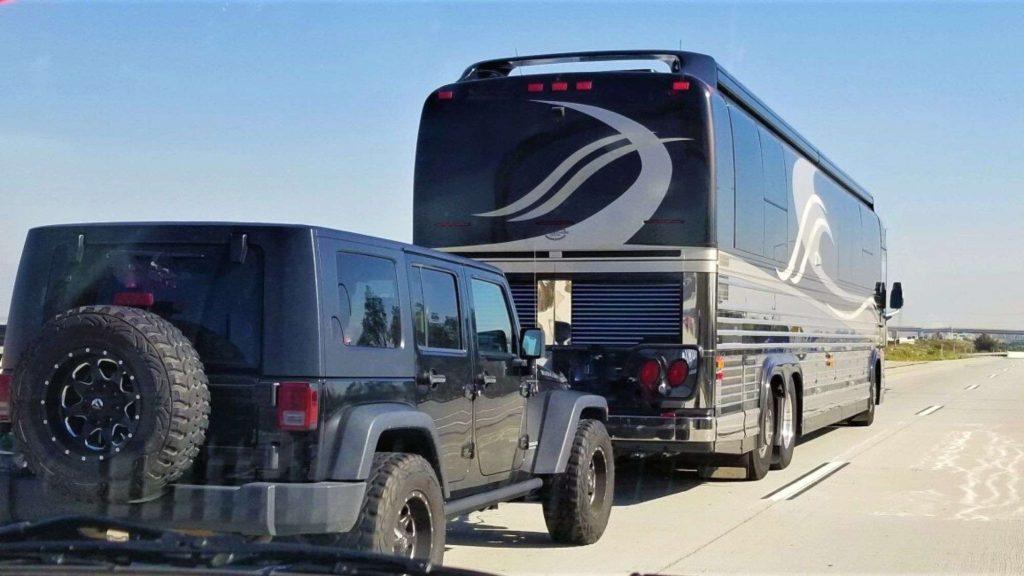
Are you wondering if you can flat tow your Jeep Cherokee? Whether you’re planning a road trip or need to move your vehicle without driving it, knowing the right way to tow your Jeep is crucial.
Tow it the wrong way, and you could face costly damage or safety risks. This guide will help you understand exactly what flat towing means for your Jeep Cherokee and whether it’s the best option for you. Keep reading to find out how to protect your vehicle and tow with confidence.
Credit: www.ascentforums.com
Flat Towing Basics
Flat towing is a popular way to tow vehicles like the Jeep Cherokee. It means pulling the vehicle with all four wheels on the ground. This method is simple and cost-effective for many drivers. Understanding flat towing basics helps ensure safety and vehicle care during travel.
What Is Flat Towing
Flat towing means attaching your Jeep Cherokee to a tow vehicle with a tow bar. The Jeep’s four wheels stay on the road while being towed. No trailer or dolly is needed. The steering wheel must unlock to allow the Jeep to follow the tow vehicle smoothly. The transmission should be in neutral to avoid damage.
Benefits Of Flat Towing A Jeep Cherokee
- Cost Savings: No trailer rental or purchase is needed.
- Easy Setup: Connect the tow bar, safety cables, and lighting.
- More Control: Towing the Jeep keeps it close and stable.
- Less Storage Space: No trailer takes up space when not in use.
- Quick Detachment: Remove the Jeep fast when you reach your destination.
Jeep Cherokee Towing Compatibility
If you’re thinking about flat towing your Jeep Cherokee, understanding its towing compatibility is key. Not every model or transmission type supports flat towing, and using the wrong setup can lead to costly damage. Knowing which Cherokee models and transmissions are suitable helps you make safe and informed choices.
Model Years Suitable For Flat Towing
Flat towing a Jeep Cherokee isn’t possible across all years. Generally, Cherokee models from the mid-1980s up to the early 2000s are more commonly compatible with flat towing. Newer models, especially those built after 2014, often have complex transmissions that don’t support flat towing without modifications.
For example, the Jeep Cherokee XJ (1984-2001) is widely recognized for flat towing. If you own a newer Jeep Cherokee, check your owner’s manual or contact Jeep directly to confirm compatibility. Have you checked your model year’s specifications before planning a trip?
Transmission Types And Towing
Your Jeep Cherokee’s transmission plays a crucial role in flat towing. Manual transmissions are usually easier and safer to flat tow because they don’t require additional equipment. Automatic transmissions, however, often need a transmission lubrication pump or special adapters to prevent damage.
The Jeep Cherokee XJ’s manual transmission models are frequently towed flat without extra gear. On the other hand, automatic transmissions in later Cherokee models might not be flat towable at all or require disconnecting the driveshaft. Knowing your transmission type can save you from unexpected repair bills after towing.
Required Equipment
Flat towing a Jeep Cherokee requires specific equipment for safety and efficiency. Each piece plays a key role in the towing setup. Using the right gear helps protect your vehicle and ensures smooth towing.
Tow Bar Selection
The tow bar connects your Jeep Cherokee to the towing vehicle. Choose one that matches your Jeep’s weight and towing capacity. Look for a sturdy, easy-to-use model. Adjustable tow bars offer flexibility for different vehicles. Check the tow bar’s rating to avoid overloading.
Base Plates And Safety Cables
Base plates attach to your Jeep’s frame and provide a secure connection for the tow bar. They must fit your Jeep Cherokee model exactly. Safety cables act as a backup in case the tow bar fails. Use heavy-duty cables rated for your Jeep’s weight. Cross the cables under the tow bar to catch it if it detaches.
Lighting And Wiring Kits
Lighting kits keep your Jeep’s brake lights and signals working while towing. Choose a wiring kit designed for flat towing. It should sync your Jeep’s lights with the towing vehicle’s lights. Proper lighting prevents accidents and keeps you legal on the road. Test all lights before every trip.
Credit: www.jeepcherokeeclub.com
Preparing Your Jeep Cherokee
Preparing your Jeep Cherokee for flat towing is key for a safe and smooth trip. Proper preparation protects your vehicle’s transmission and drivetrain. It also prevents costly repairs. Taking time to prepare ensures your Jeep stays in good condition during towing.
Neutral Gear Engagement
Put your Jeep Cherokee’s transmission into neutral. This step stops the engine from driving the wheels. Without neutral engagement, flat towing can damage the transmission. Make sure the gear shift is fully in the neutral position. Check the owner’s manual to confirm how to do this properly.
Transfer Case Positioning
The transfer case must be set correctly for flat towing. Most Jeep Cherokees have a 4WD transfer case that needs to be in neutral. This disconnects the driveline from the wheels. Leaving it in 4WD or 2WD can cause damage. Follow the manufacturer’s instructions to locate and shift the transfer case.
Tire Pressure And Suspension Checks
- Check tire pressure before towing. Inflate tires to the recommended PSI.
- Uneven or low tire pressure can cause tire wear and poor handling.
- Inspect suspension for any loose parts or damage.
- Fix worn or broken suspension components to avoid problems on the road.
Step-by-step Flat Towing Process
Flat towing a Jeep Cherokee requires careful preparation and safety checks. Following the correct process ensures your vehicle tows smoothly without damage. Each step builds on the previous one, making the whole setup secure and reliable.
Attaching The Tow Bar
Start by aligning the tow vehicle and Jeep Cherokee in a straight line. Secure the tow bar to the frame of the Jeep using the mounting brackets. Check the tow bar locks to make sure they are fully engaged. Use the provided pins or clips to keep the connection firm. Adjust the tow bar arms for a tight, level fit between both vehicles.
Connecting Safety Features
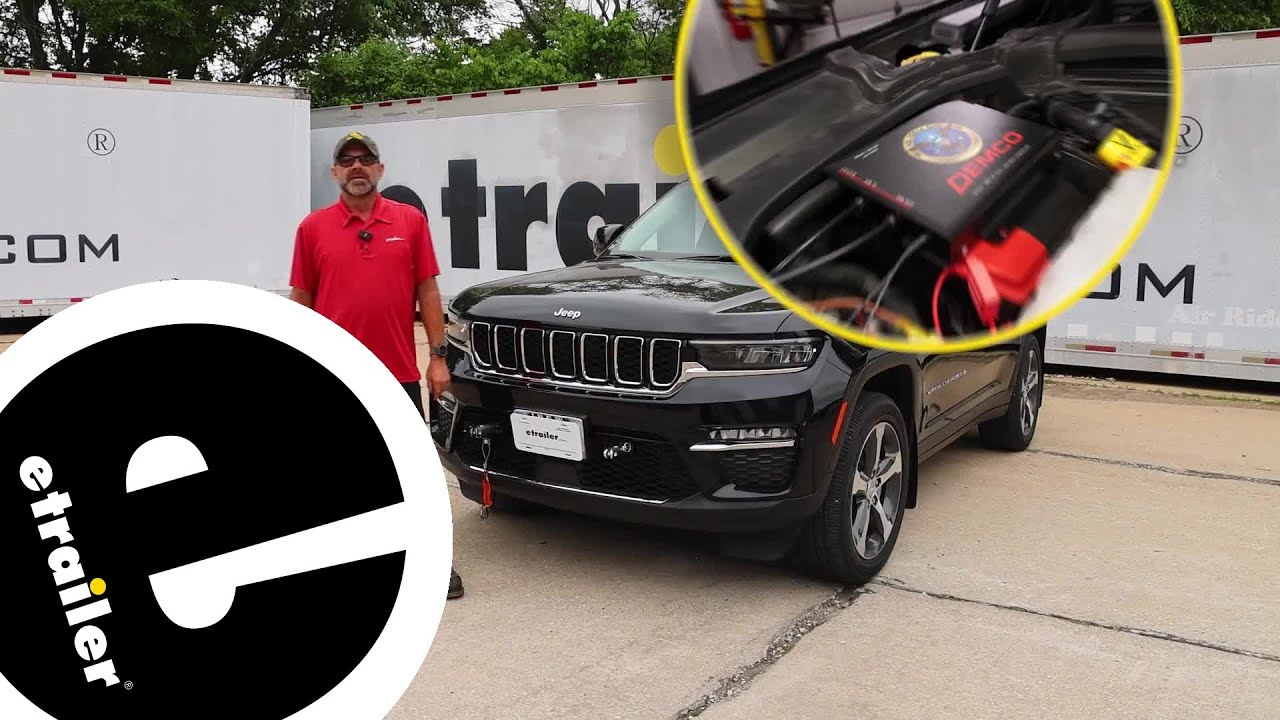
Attach the safety chains in a crisscross pattern under the tow bar. This prevents the Jeep from hitting the ground if the tow bar fails. Connect the electrical wiring harness to sync brake lights and turn signals. Test the lighting system by turning on signals and brakes. Secure the breakaway cable to the tow vehicle to activate the brakes if the trailer detaches.
Final Inspection Before Driving
Walk around both vehicles to check all connections. Look for loose pins, chains, or wiring plugs. Confirm the Jeep’s parking brake is off and transmission is in neutral. Inspect tire pressure on both vehicles for safe towing. Verify the steering wheel of the Jeep is unlocked for proper tracking. Double-check all lights work correctly before starting the trip.
Credit: www.youtube.com
Common Challenges And Solutions
Flat towing a Jeep Cherokee can be tricky. It involves specific challenges that need attention. Understanding these issues helps protect your vehicle and ensures safe towing. Below are common problems and practical solutions.
Transmission Damage Risks
Flat towing a Jeep Cherokee without proper setup can harm the transmission. The transmission may not get enough lubrication while moving. This causes wear and possible failure.
Use a transmission lubrication pump or a neutral gear setting designed for towing. Check the owner’s manual for model-specific instructions. Avoid towing distances that exceed recommended limits.
Electrical System Issues
The Jeep’s electrical system may face problems during flat towing. Brake lights, turn signals, and other functions might not work properly. This leads to safety risks on the road.
Install a proper wiring harness to connect the Jeep’s lights to the towing vehicle. Test all lights before departure. Use a battery disconnect switch if needed to prevent draining.
Weight And Balance Concerns
Weight distribution affects towing stability and control. Uneven weight can cause swaying or poor handling. It also stresses the towing vehicle and hitch.
- Check the Jeep’s curb weight and ensure the towing vehicle can handle it.
- Use a weight-distributing hitch for better balance.
- Secure the Jeep properly to avoid shifting during transit.
Proper weight and balance reduce risks and improve towing safety.
Legal And Safety Considerations
Towing your Jeep Cherokee by flat towing isn’t just about hooking it up and hitting the road. Legal rules and safety measures play a huge role in making sure your journey is smooth and trouble-free. Understanding these factors can save you from costly fines, damage, or even accidents.
State Towing Laws
Each state has different rules about flat towing a vehicle. Some states require specific equipment like safety chains or lighting on the towed vehicle. Others may forbid flat towing altogether or impose restrictions based on the vehicle’s weight or type.
Before you tow your Jeep Cherokee, check your state’s DMV website or contact local authorities. This helps avoid unexpected fines and ensures you follow the proper procedures. Have you ever been surprised by local rules during a road trip? Knowing these laws upfront prevents those headaches.
Maximum Speed And Distance Limits
States often set maximum speeds for towing to maintain control and safety on the road. For example, many states limit towing speeds to 45 or 55 mph. Driving faster can increase wear on your Jeep’s transmission and brakes, and raise accident risks.
There may also be limits on how far you can flat tow a vehicle without special permits or inspections. Planning your route with these limits in mind helps prevent mechanical issues. Ask yourself: how far and fast do you really need to tow your Jeep?
Insurance Implications
Flat towing your Jeep Cherokee can affect your insurance coverage. Some policies don’t cover damage that occurs while towing unless you have specific endorsements. Without proper coverage, you might face high repair costs after an accident or breakdown.
Contact your insurance provider before towing to clarify what’s covered. Adding a towing endorsement is usually affordable and offers peace of mind. Have you checked if your insurance protects you during towing? Don’t wait until it’s too late to find out.
Alternative Towing Methods
Alternative towing methods provide options beyond flat towing your Jeep Cherokee. These options can protect your vehicle’s transmission and reduce wear. They offer flexibility depending on your towing needs and available equipment.
Using dollies or trailers can simplify towing. Each method has unique benefits and considerations. Choosing the right one depends on your situation and vehicle setup.
Dollies And Trailers
Dollies lift either the front or rear wheels of your Jeep off the ground. They connect to the tow vehicle and carry part of the Jeep’s weight. Dollies are smaller, lighter, and easier to store than full trailers. They work well for short distances and lighter vehicles.
Trailers carry the entire Jeep off the ground. Your Jeep rests fully on the trailer bed. Trailers protect the Jeep’s drivetrain completely. They require a hitch and proper trailer brakes. Trailers are ideal for longer trips or heavy-duty towing.
Tow Dolly Vs. Flat Towing
| Aspect | Tow Dolly | Flat Towing |
|---|---|---|
| Wheel Contact | Two wheels off the ground | All four wheels on the ground |
| Transmission Wear | Reduced wear on towed wheels | Potential transmission damage if not prepared |
| Setup Complexity | Requires dolly and secure attachment | Needs base plates and safety cables |
| Storage | Smaller, easier to store | No extra equipment needed if properly equipped |
| Cost | Moderate cost for dolly | Lower cost, but may need vehicle modifications |
Expert Tips For Smooth Towing
Towing a Jeep Cherokee flat requires attention to detail and smart preparation. Expert tips help ensure a smooth, safe ride for both the Jeep and the towing vehicle. Focus on maintenance, driving habits, and emergency readiness for the best towing experience.
Routine Maintenance Checks
Check tire pressure on both vehicles before towing. Inspect brakes to ensure they work properly. Verify all lights and signals are functioning. Look for any fluid leaks under the Jeep. Tighten all towing connections securely. Replace worn or damaged parts promptly. Keep the battery fully charged to avoid issues.
Driving Techniques While Towing
Drive slower than usual to maintain control. Increase following distance to allow more stopping space. Avoid sudden turns or sharp lane changes. Use lower gears to reduce stress on the engine. Brake gently to prevent jerking motions. Stay alert and watch for road hazards. Plan your route to avoid rough roads.
Emergency Preparedness
Carry a basic tool kit for quick fixes. Have a spare tire and jack ready. Keep a flashlight and first aid kit inside the Jeep. Know how to disconnect the tow safely in an emergency. Store contact numbers for roadside assistance. Practice emergency stops in a safe area. Stay calm and focused if problems occur.
Frequently Asked Questions
Can You Flat Tow A Jeep Cherokee?
Yes, you can flat tow a Jeep Cherokee, but only certain models. Typically, models with a two-speed transfer case, like the Trailhawk, can be flat towed. Always check the owner’s manual for specific towing instructions and ensure all necessary steps are followed to prevent damage.
Which Jeep Cherokee Models Are Towable?
Only specific Jeep Cherokee models with a two-speed transfer case can be flat towed. Models like the Cherokee Trailhawk are designed for flat towing. Always verify with your vehicle’s manual or dealer to confirm if your specific model is suitable for flat towing.
What Equipment Is Needed To Flat Tow?
To flat tow a Jeep Cherokee, you’ll need a tow bar, base plates, safety cables, and a braking system. Additionally, a wiring harness is essential for brake lights and turn signals. Ensure all equipment is compatible with your Jeep Cherokee model for a safe towing experience.
Is Flat Towing Safe For A Jeep Cherokee?
Flat towing is safe for specific Jeep Cherokee models when done correctly. Ensure your model is approved for flat towing and follow all guidelines in the owner’s manual. Using proper equipment and following correct procedures will help avoid damage and ensure a safe towing experience.
Conclusion
Flat towing a Jeep Cherokee can be done with care and the right setup. Check your owner’s manual for towing guidelines. Make sure to use the correct equipment to avoid damage. Always disconnect the driveshaft if required. Keep safety in mind on every trip.
Proper preparation helps protect your vehicle and ensures smooth towing. Drive carefully and enjoy the journey ahead.