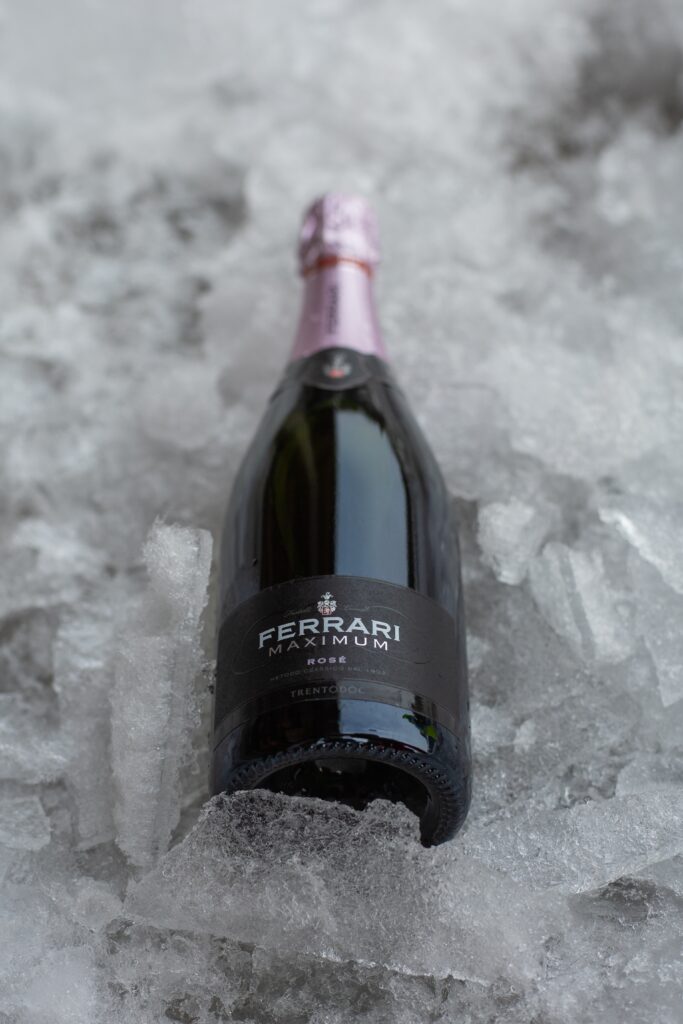
Have you ever wondered if you can freeze champagne without ruining its taste and bubbles? Maybe you have a special bottle left over from a celebration, and you don’t want it to go to waste.
Freezing champagne sounds like a quick way to save it, but is it really safe? You’ll discover the surprising truth about freezing champagne and learn the best way to keep your sparkling wine fresh and delicious. Keep reading to find out how to handle your champagne like a pro!

Credit: www.vinovest.co
Freezing Champagne Basics
Freezing champagne might seem like a quick way to chill your bottle for a celebration. But before you pop that cork, it’s important to understand what happens when champagne meets extreme cold. Knowing the basics about freezing champagne can save you from a fizzy disaster and help you decide if it’s worth the risk.
How Champagne Reacts To Freezing
Champagne contains a high level of carbon dioxide, which creates those famous bubbles. When you freeze it, the liquid expands as ice forms. This expansion puts pressure on the bottle and cork, which can cause the bottle to crack or even explode in your freezer.
Freezing also affects the texture and taste. The delicate bubbles you enjoy can disappear, leaving the champagne flat and dull once thawed. The flavor compounds may separate or weaken, so your once vibrant drink might taste bland or off.
Risks Of Freezing Bubbly
- Bottle Damage:Glass bottles can crack or break due to ice expansion.
- Loss of Carbonation:Freezing causes bubbles to dissipate, ruining the effervescence.
- Flavor Changes:Freezing can alter the taste, making it less enjoyable.
- Safety Hazard:A frozen bottle might explode if pressure builds up inside.
Have you ever tried freezing champagne to speed up chilling? Did you notice any change in taste or bubbles? Understanding these risks helps you decide if chilling in the freezer briefly is worth it or if you should stick to traditional methods.
Best Methods To Freeze Champagne
Freezing champagne can cause the bottle to break due to pressure. Instead, chill it quickly in an ice water bath for best results.
Freezing champagne might seem unconventional, but it offers a creative solution for those times when you can’t finish the bottle. While purists might raise an eyebrow, freezing champagne can extend its life and open new doors for culinary experiments. Whether you’re looking to chill leftovers for future use or want to try your hand at champagne-infused ice cubes, there are effective methods to do so without losing its essence.Using Ice Cube Trays
One of the simplest ways to freeze champagne is by using ice cube trays. This method is perfect if you want to add a touch of luxury to your cocktails or chill your orange juice with a bit of fizz. – Pour the champagne into ice cube trays, filling each compartment about three-quarters full. This allows room for expansion as the liquid freezes. – Cover the trays with plastic wrap to prevent the champagne from absorbing other freezer odors. – Freeze overnight, and you’ll have sparkling ice cubes ready to elevate any drink. Imagine surprising your guests with a glass of juice chilled by champagne cubes. It adds a fun twist and a hint of sophistication to your gatherings.Freezing In Bottles
Freezing champagne directly in the bottle is a bit more challenging but doable. It’s crucial to leave enough space for the liquid to expand to avoid a messy freezer mishap. – Pour out a glass of champagne before freezing to ensure there’s ample room for expansion. – Seal the bottle tightly with its original cork or a champagne stopper. – Place the bottle upright in the freezer to maintain the seal and prevent leaks. This method is ideal if you’re planning to use the champagne later in cooking or baking, where a slight loss in fizz won’t matter.Quick Freeze Tips
If you’re in a rush, there are a few tricks to freeze champagne faster. Consider these quick tips to speed up the process: – Use smaller containers like mini mason jars or silicone molds. Smaller volumes freeze quicker. – Spread out the containers so that cold air circulates evenly. – Check periodically to ensure the champagne isn’t over-expanding and risking a spill. Do you have a favorite method for freezing champagne, or have you tried any creative recipes using champagne ice cubes? Share your thoughts and experiences in the comments below!Thawing Champagne Correctly
Thawing champagne correctly is key to keeping its delicate flavors and bubbles intact. Improper thawing can cause the wine to lose its sparkle or taste flat. Patience and the right temperature make all the difference in enjoying your champagne after freezing.
Ideal Thawing Temperature
Thaw champagne slowly in the fridge at about 4°C (39°F). This gentle temperature helps preserve the wine’s texture and flavor. Avoid room temperature thawing, which warms the champagne too fast and risks spoilage.
Keep the bottle upright to prevent pressure loss and sediment mixing. Allow 12 to 24 hours for the champagne to thaw fully. This slow process protects the bubbles and keeps the taste fresh.
Avoiding Loss Of Fizz
Open the bottle carefully to keep the fizz inside. Sudden pressure changes can make champagne go flat quickly. Chill the bottle before opening to reduce gas loss.
Pour slowly into a tilted glass to keep bubbles longer. Avoid shaking or moving the bottle vigorously. These steps help maintain the sparkling sensation that makes champagne special.
Alternatives To Freezing Champagne
Freezing champagne can damage its flavor and texture. There are better ways to enjoy your bubbly cold without risking the quality. These alternatives help keep champagne fresh and refreshing.
Chilling Without Freezing
Chill champagne in the refrigerator for about 3 to 4 hours. This cools it gently without harming the bubbles. Another fast way is to use an ice bucket with water and ice. Keep the bottle in the bucket for 20 to 30 minutes. Avoid dry ice or very cold temperatures that can freeze the liquid.
Using Wine Preservers
Wine preservers keep champagne fresh after opening. They stop air from entering the bottle and spoiling the bubbles. Use a champagne stopper designed to hold pressure. Store the bottle in the fridge after sealing. This method can keep champagne good for a few days without freezing.
When To Freeze Champagne
Freezing champagne might sound unusual, but it can be a handy trick if done right. Knowing when to freeze champagne is key to preserving its flavor and fizz. It’s not just about popping a bottle in the freezer on a whim; timing and purpose really matter.
Best Occasions
You might wonder when freezing champagne makes sense. One common occasion is if you have leftover champagne after a celebration and want to save it for later. Freezing can also work if you want to create champagne ice cubes for cocktails or chilled desserts.
Another good time to freeze champagne is when you plan to make frozen treats like sorbets or granitas. It’s a clever way to add a bubbly twist to your recipes. But freezing just to keep a bottle cold for a party isn’t the best idea—chilling in the fridge works better for that.
Storage Duration
How long can you freeze champagne? Typically, champagne can stay in the freezer for up to 3 months without losing much quality. Beyond that, the texture and bubbles may start to degrade, affecting taste and mouthfeel.
If you freeze champagne in small portions, like ice cubes, you can use them within a month for the best results. Always store the champagne in an airtight container or tightly sealed bottle to avoid freezer burn. Do you want your champagne to retain its sparkle? Then keep track of how long it’s been frozen.

Credit: www.vinovest.co
Common Mistakes To Avoid
Freezing champagne might seem like a clever way to keep it fresh or prepare for a special occasion, but there are common pitfalls that can spoil your plans. Avoiding these mistakes will save you from wasted bottles and disappointing taste. Let’s look at some key errors you should steer clear of when freezing champagne.
Freezing Open Bottles
One of the biggest mistakes is freezing champagne that’s already open. Once the bottle is opened, the bubbles start to escape and the wine begins to lose its fizz. Freezing an open bottle often causes the champagne to go flat and can alter its delicate flavors.
If you’ve opened a bottle and want to preserve it, consider using a champagne stopper and refrigerate it instead of freezing. Have you ever tried freezing an open bottle and ended up with a flat disappointment? It’s a frustrating experience you can easily avoid.
Ignoring Bottle Pressure
Champagne bottles are under high pressure, typically around 90 pounds per square inch. When you freeze champagne, the liquid expands as it turns to ice. Ignoring this pressure can cause the bottle to crack or even explode in your freezer.
Always use a sturdy freezer space away from other items, and never freeze champagne in a sealed glass bottle for too long. Have you thought about how the pressure inside the bottle reacts to freezing temperatures? It’s a critical factor that many overlook, risking a messy and dangerous freezer situation.

Credit: www.amazon.ca
Frequently Asked Questions
Can You Freeze Unopened Champagne Bottles?
Yes, you can freeze unopened champagne bottles. However, the liquid expands and may crack the bottle or alter the taste. It’s best to freeze for short periods only and avoid long-term storage to maintain quality and safety.
What Happens If You Freeze Opened Champagne?
Freezing opened champagne causes loss of carbonation and flavor. The bubbles disappear, and the texture becomes flat. It’s not recommended to freeze once opened, as it spoils the drinking experience.
How Long Can Champagne Stay Frozen Safely?
Champagne can stay frozen safely for up to two weeks. Beyond this, the taste and bubbles may degrade. Always store it upright to reduce pressure on the cork and prevent leaks.
Does Freezing Champagne Affect Its Taste?
Freezing champagne can dull its delicate flavors and aromas. The cold temperature reduces carbonation, resulting in a flat and less enjoyable drink. For best taste, chill in the fridge, not the freezer.
Conclusion
Freezing champagne is possible but requires care. Avoid freezing a full bottle to prevent breakage. Use ice cube trays for small amounts instead. Thaw champagne slowly in the fridge for best taste. Remember, freezing may change its flavor and bubbles.
Enjoy your champagne fresh when you can. This way, you get the best experience every time.