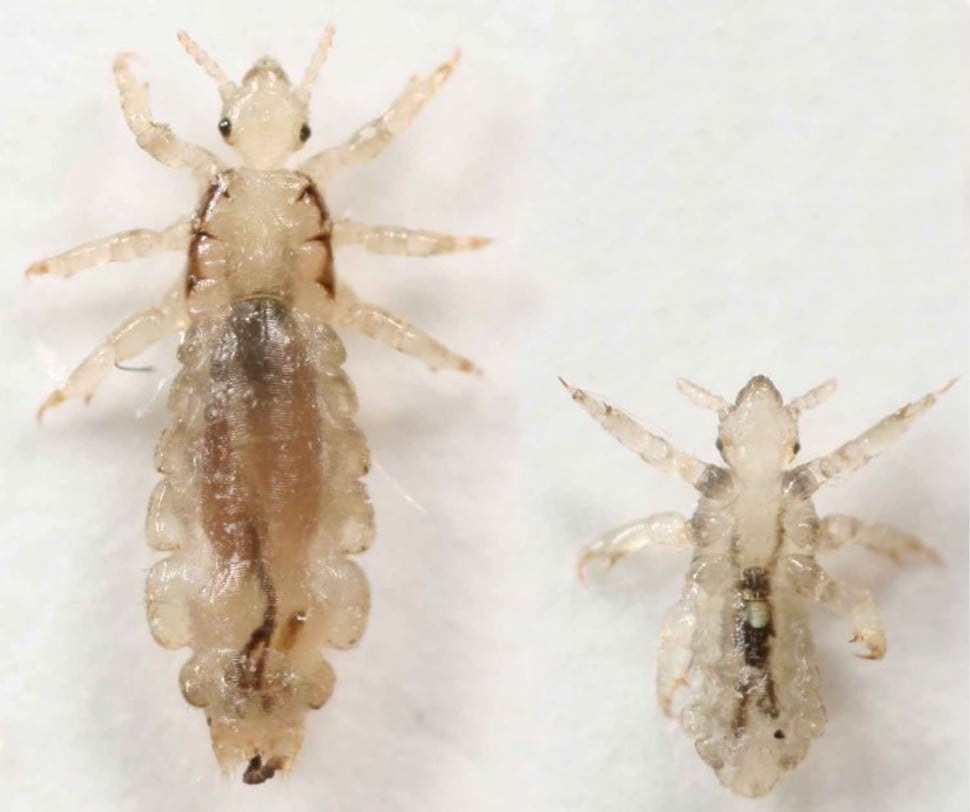
Have you ever wondered if freezing lice can actually get rid of them? If you’re dealing with these tiny pests, you’re probably looking for quick and easy solutions.
Freezing might sound like a simple fix, but does it really work? You’ll discover the truth about freezing lice, what really kills them, and the best ways to protect yourself and your family. Keep reading—you don’t want to miss these important facts that could save you time and frustration.
Credit: www.maheu-maheu.com
Lice Survival In Cold Temperatures
Lice are notorious for their ability to cling tightly to hair and survive under various conditions. But what happens when they encounter freezing temperatures? Understanding how lice respond to cold can help you decide if freezing items is an effective way to get rid of them. Let’s dive into the science behind lice survival in the cold and what it means for your treatment efforts.
How Lice React To Freezing
Lice are quite resilient creatures, but freezing temperatures challenge their survival. When exposed to cold, lice tend to become immobile and enter a state similar to hibernation. This doesn’t mean they die instantly; instead, they slow down their metabolism to survive the harsh conditions.
Interestingly, while lice can survive brief cold snaps, prolonged freezing causes ice crystals to form inside their bodies, damaging their cells. This cellular damage is what ultimately kills them, not just the cold itself. So, freezing can be effective, but only if it’s done correctly and for long enough.
Freezing Duration Needed To Kill Lice
Simply putting infested items in the freezer for a short time won’t guarantee lice death. Research suggests that lice and their eggs (nits) need to be frozen for at least 24 to 48 hours to ensure they are killed. Anything less might only stun them, allowing survival and potential reinfestation.
If you’re considering freezing items like hats, brushes, or stuffed toys, make sure the temperature is at or below 0°F (-18°C). Maintaining this temperature consistently for two full days is key. After that, you can be more confident that lice and nits on those objects are no longer viable.
Have you ever tried freezing belongings to tackle lice? How long did you leave them in the freezer, and what was the outcome? This simple method can be a useful part of your lice control strategy when done with the right timing and temperature.

Credit: www.cleanandgreenpest.com.au
Freezing Lice On Personal Items
Freezing lice on personal items is a common question among those dealing with infestations. Lice can cling to clothing, bedding, and other fabric items. These items may carry lice or their eggs, called nits. Freezing is one method people consider to kill lice on these materials. Understanding its effectiveness helps choose the best approach for cleaning personal belongings.
Effectiveness On Clothing And Bedding
Freezing can kill lice on clothing and bedding if done correctly. Lice cannot survive extreme cold for long. Placing items in a sealed plastic bag and freezing for at least 24 hours is important. This time ensures lice and nits die from the cold. Freezing works best for small items like hats, scarves, and pillowcases. Large bedding pieces may not freeze evenly, reducing effectiveness.
Freezing Vs Other Cleaning Methods
Freezing is gentle and avoids harsh chemicals. Washing clothes and bedding in hot water above 130°F kills lice and nits quickly. Drying on high heat also helps. Vacuuming and sealing non-washable items in airtight bags for two weeks can starve lice. These methods often prove more reliable than freezing alone. Combining freezing with washing or sealing increases success in removing lice from personal items.
Fast Lice Removal Techniques
Dealing with lice can be challenging and stressful. Fast removal is essential to prevent spreading. Luckily, there are effective techniques to tackle lice quickly and efficiently.
Medicated Shampoos And Treatments
Medicated shampoos are popular for lice removal. They contain special ingredients that kill lice on contact. Follow package instructions for best results. Usually, you apply the shampoo and leave it for a specified time. Then, rinse thoroughly. Some treatments may need a second application after a few days. This ensures any remaining lice or nits are eliminated.
Combing And Manual Removal
Combing is a natural lice removal method. Use a fine-tooth comb to remove lice and nits. Wet the hair first. This makes it easier to comb through. Divide the hair into sections. Start at the scalp and move to the ends. Check the comb for lice after each pass. Clean the comb with hot water. Repeat the process until all sections are clear.
Common Myths About Lice Control
Dealing with lice can be frustrating, especially with so much conflicting information floating around. Many myths about lice control make it harder to find effective solutions. Understanding these misconceptions can save you time and effort in your battle against these pests.
Freezing As A Guaranteed Solution
A popular myth is that freezing items will always kill lice and their eggs. While freezing can kill lice if done correctly, it’s not a foolproof method. You need to freeze items at a very low temperature for at least 24 hours to have any chance of success.
Even then, lice eggs (nits) are much harder to kill with freezing. These eggs can survive cold conditions and hatch later, causing reinfestation. So, relying solely on freezing clothes or toys won’t guarantee lice control.
Have you ever noticed lice coming back despite freezing your belongings? That’s because this method often misses the root problem: lice on the scalp. Treating the person directly is always necessary alongside any cleaning methods.
Other Misconceptions
- Lice prefer dirty hair:Lice are attracted to clean and dirty hair alike. They need blood to survive, not dirt.
- Pets can spread lice:Human lice do not live on animals. Your pet is safe from lice, and they won’t transmit it to you.
- Over-the-counter shampoos always work:Some lice have developed resistance to common treatments. You might need alternative or prescription options.
- Lice can jump or fly:Lice crawl; they cannot jump or fly. Close contact is necessary for them to spread.
Misunderstanding these facts can lead to ineffective treatments and frustration. What myths have you heard or believed about lice? Clearing up these misconceptions helps you act smart and get rid of lice faster.
Preventing Lice Infestations
Preventing lice infestations requires more than just reacting to an outbreak. It’s about creating habits and environments that make it hard for lice to find a home on you or your loved ones. Being proactive not only saves time and stress but also protects your daily comfort and health.
Personal Hygiene Tips
You might think lice only affect people with poor hygiene, but that’s a myth. Lice can cling to anyone’s hair, so keeping your hair clean and well-maintained lowers the chances of lice thriving.
Regularly washing your hair with shampoo and combing it thoroughly helps remove any stray lice or eggs. Using a fine-toothed lice comb after washing can catch lice before they multiply.
Avoid sharing personal items like hats, brushes, or hair ties. These objects easily transfer lice from one person to another. Have you ever noticed how quickly lice spread in schools or camps? That’s often due to shared belongings.
Household Cleaning Strategies
Lice don’t live long off the scalp, but their eggs can linger on bedding, pillows, and upholstery. Cleaning these items regularly disrupts their life cycle and stops reinfestation.
Wash bedding, hats, and scarves in hot water and dry them on high heat. Vacuum carpets, sofas, and car seats to remove stray lice or eggs that might have fallen.
Seal items that can’t be washed, like stuffed animals, in plastic bags for two weeks. This simple step ensures lice die off without risking reinfestation.
Credit: martinsfoods.com
Frequently Asked Questions
Can Freezing Kill Lice And Their Eggs?
Freezing can kill lice but is not reliable for eggs. Lice survive cold for short periods. Freezing items for 24-48 hours may help but won’t guarantee complete elimination of nits.
How Long Should Lice-infested Items Be Frozen?
Freeze items for at least 24 to 48 hours. This duration helps kill lice but may not affect eggs. Combine freezing with washing for better results.
Does Freezing Replace Washing Clothes For Lice Removal?
No, freezing does not replace washing. Washing clothes and bedding in hot water is the most effective way to kill lice and eggs. Freezing is a supplementary method.
Can You Freeze Hairbrushes And Combs To Kill Lice?
Yes, freezing hairbrushes and combs can kill lice. Keep them in a sealed plastic bag for 24-48 hours. Clean thoroughly afterward to remove any dead lice or eggs.
Conclusion
Freezing lice can kill some, but not all, of the bugs or eggs. It works best on items you cannot wash easily. Still, freezing alone does not fully solve a lice problem. Use it along with combing and treatments for better results.
Always clean bedding and clothes regularly to prevent lice from spreading. Stay patient and thorough to keep lice away. Safe and simple steps protect your home and family well.