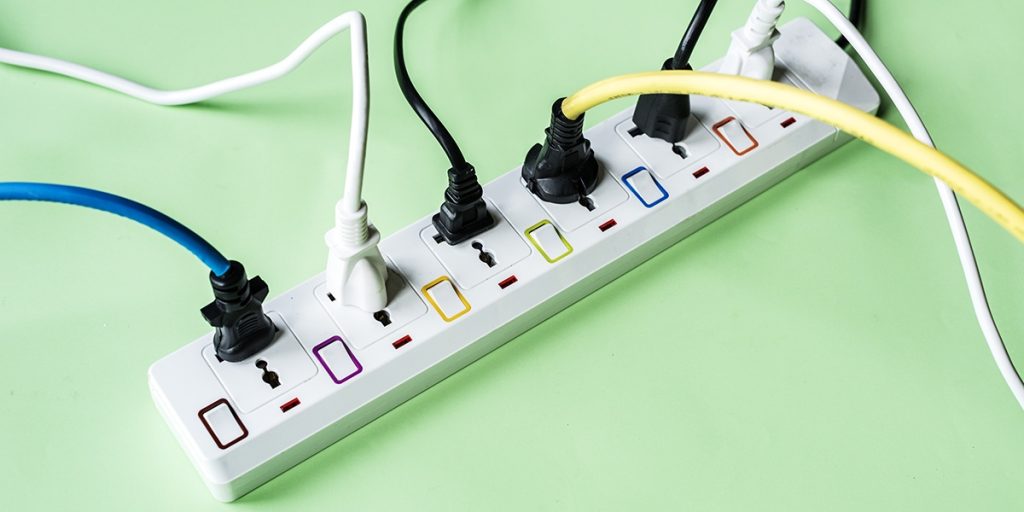
Are you wondering if it’s safe to plug your air conditioner into a power strip? You’re not alone.
Many people ask this because it seems like a simple way to add convenience. But what if doing this puts your home or your device at risk? Before you make that choice, you need to know the facts. Keep reading to discover the truth about using power strips with air conditioners and learn how to keep your cool without risking damage or danger.

Credit: www.reddit.com
Air Conditioner Power Needs
Air conditioners use a lot of electricity. Knowing their power needs helps you use them safely.
This guide explains typical wattage, amperage, and surge currents for air conditioners.
Typical Wattage And Amperage
Most air conditioners need between 500 and 1500 watts to run. The amperage depends on the wattage and voltage.
| Air Conditioner Size | Typical Wattage | Typical Amperage |
| Window Unit (5,000 BTU) | 500 – 600 W | 4 – 5 A |
| Portable Unit (8,000 BTU) | 800 – 1000 W | 6 – 8 A |
| Central AC (3 Ton) | 3000 – 3500 W | 12 – 15 A |
Understanding Surge Currents
Air conditioners draw extra power when they start. This is called surge current or starting current.
- Surge current can be 2 to 3 times the running current.
- It lasts only a few seconds during startup.
- Power strips may not handle surge currents safely.
- Always check if your power strip supports high surge currents.
- Using the right outlet reduces fire risk and damage.
Power Strips And Their Limits
Using an air conditioner with a power strip can be risky. Power strips have limits on how much power they can handle. Knowing these limits helps you avoid electrical problems.
This article explains types of power strips and their maximum load capacity. It helps you understand if you can plug an air conditioner into a power strip.
Types Of Power Strips
There are many types of power strips. Some have extra features like surge protection or USB ports. Others are basic with just simple outlets.
Surge protector strips can help protect devices from voltage spikes. Basic strips only extend the number of outlets. Heavy-duty power strips are designed for larger loads.
- Basic power strips: simple outlets, no extra protection
- Surge protector strips: protect devices from power surges
- Heavy-duty power strips: handle higher power loads safely
Maximum Load Capacity
Each power strip has a maximum load capacity. This is the highest power it can safely handle. The load is usually measured in amps or watts.
Air conditioners use a lot of power. Most small air conditioners need around 10 amps or more. Many power strips support only 15 amps total for all devices.
| Power Strip Type | Typical Max Load | Use with Air Conditioner? |
|---|---|---|
| Basic Power Strip | 10-15 amps (1200-1800 watts) | No, risk of overload |
| Surge Protector Strip | 15 amps (1800 watts) | No, risk of overload |
| Heavy-Duty Power Strip | 20 amps (2400 watts) or more | Possible, if strip rating matches AC needs |
It is safer to plug an air conditioner directly into a wall outlet. Using a power strip can cause overheating and fire risks.
Risks Of Using Power Strips With Acs
Many people wonder if they can plug their air conditioner into a power strip. Using power strips for air conditioners can be risky. Air conditioners need a lot of power to run properly.
Power strips are not made to handle large appliances. This can cause problems like overheating and electrical overload. It is important to understand these risks before using a power strip with an AC.
Overheating And Fire Hazards
Power strips can overheat when they carry too much electrical load. Air conditioners draw a lot of current, which can cause the power strip to get very hot.
Overheating can damage the power strip and the AC plug. This increases the chance of fire. Many fire accidents happen because of overloaded or poor-quality power strips.
- Heat builds up inside the power strip
- Plastic casing may melt or catch fire
- Electrical sparks can ignite nearby materials
- Fire can spread quickly in homes
Electrical Overload Issues
Power strips have limits on how much electricity they can handle. Air conditioners often need more power than a strip can safely provide. This causes electrical overload.
Overload can trip circuit breakers or blow fuses. It may also damage the air conditioner or other devices plugged into the strip. Using a power strip for an AC can lead to power cuts and equipment failure.
- Power strip rating is often lower than AC power needs
- Overload trips circuit protection devices
- Possible damage to wiring and electronics
- Short circuits can happen due to overload
Safe Alternatives For Ac Power
Plugging an air conditioner into a power strip is not safe. Air conditioners use a lot of electricity. This can cause the power strip to overheat or fail.
There are better ways to power your air conditioner safely. These methods protect your home and your device from electrical problems.
Dedicated Outlets
Air conditioners should have their own dedicated outlet. This means the outlet is used only for the AC unit. It prevents overloads and keeps the circuit safe.
Dedicated outlets are usually installed on a separate circuit. This helps avoid tripping the breaker or causing electrical fires.
Using Extension Cords Properly
Extension cords are not ideal for air conditioners. If you must use one, choose a heavy-duty cord made for high power devices. Make sure the cord matches the AC’s power needs.
Do not use thin or damaged extension cords. Keep the cord short and avoid coiling it. This helps prevent overheating and fire risks.
Tips For Safe Ac Operation
Using your air conditioner safely helps prevent damage and hazards. Follow simple steps to keep your AC running well.
This guide covers important tips about regular inspection and proper circuit breaker use for safe AC operation.
Regular Inspection
Check your air conditioner often to spot problems early. Regular inspection keeps it working efficiently and safely.
- Look for loose or damaged cords
- Clean or replace air filters every month
- Ensure vents are not blocked by furniture or curtains
- Check for unusual noises or smells during operation
- Inspect the outdoor unit for dirt and debris
Proper Circuit Breaker Usage
Use the right circuit breaker to protect your air conditioner from electrical issues. This prevents overload and fire risks.
| Tip | Details |
|---|---|
| Dedicated Circuit | Use a circuit breaker only for your AC unit to avoid overloading. |
| Correct Rating | Choose a breaker rated for your AC’s power needs. |
| Regular Testing | Test breakers monthly to ensure they trip properly. |
| Avoid Power Strips | Do not plug AC into power strips or extension cords. |

Credit: www.hickoryheatingandcooling.com

Credit: www.reddit.com
Frequently Asked Questions
Can You Safely Plug An Air Conditioner Into A Power Strip?
No, it is generally unsafe to plug an air conditioner into a power strip. Air conditioners draw high current, which can overload power strips and cause overheating or fire hazards.
Why Should Air Conditioners Avoid Power Strips?
Air conditioners require a dedicated outlet due to their high power demand. Power strips are designed for low-current devices and may not handle the AC’s load safely.
What Happens If An Air Conditioner Overloads A Power Strip?
Overloading a power strip can cause it to overheat, melt, or even start a fire. It may also trip circuit breakers, risking damage to your air conditioner and home.
Are There Any Power Strips Rated For Air Conditioners?
Most standard power strips are not rated for air conditioners. Heavy-duty, high-amperage-rated extension cords or dedicated outlets are recommended instead for safe operation.
Conclusion
Plugging an air conditioner into a power strip is usually unsafe. Air conditioners need a strong, direct power source. Power strips can overheat or cause sparks with heavy devices. Always use the wall outlet made for high power appliances. This keeps your home safe and your air conditioner working well.
Remember, safety comes first to avoid electrical problems. Choose the right connection for your comfort and peace of mind.