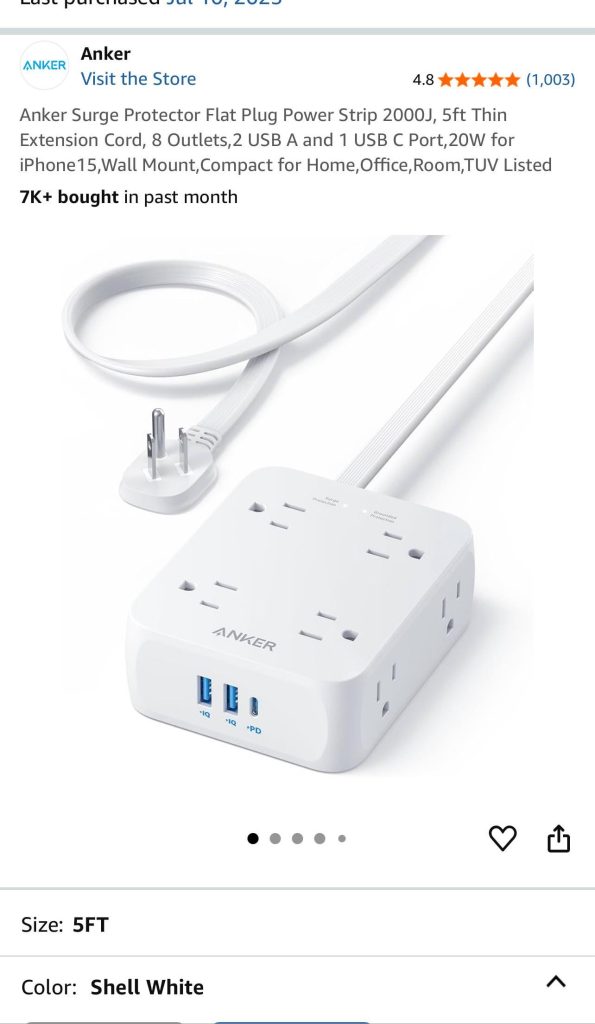
Are you wondering if it’s safe to plug your air conditioner into a surge protector? You might think it’s a simple way to protect your expensive appliance from power spikes.
But before you do, there are important facts you need to know. Using the wrong surge protector could cause damage or even create a fire risk. Keep reading to discover what experts say, what could go wrong, and how to keep your air conditioner—and your home—safe and cool.
Don’t risk your comfort or safety without the right information.

Credit: www.reddit.com
Air Conditioner Power Needs
Air conditioners usually need 1000 to 2000 wattsto run. Most use 110 to 120 voltsin homes. The exact power depends on the size and type of the unit.
At startup, air conditioners draw more power. This is called the startup surge current. It can be 3 to 5 timesthe normal running power. This surge lasts only a few seconds but is very strong.
| Power Aspect | Typical Range |
|---|---|
| Running Wattage | 1000 – 2000 watts |
| Voltage | 110 – 120 volts |
| Startup Surge Current | 3 to 5 times running watts |

Credit: www.hickoryheatingandcooling.com
Surge Protector Basics
A surge protectorstops sudden spikes in electricity. It protects devices from damage.
It works by redirecting extra voltageto the ground wire. This keeps the current safe for your devices.
Surge protectors have different ratings. These ratings show how much energy they can absorb before failing.
| Type | Description | Common Rating |
|---|---|---|
| Basic | Simple protection for low-power devices. | 300-600 Joules |
| Advanced | Offers stronger protection for sensitive electronics. | 1000-2000 Joules |
| Whole-House | Protects all appliances in a home. | 6000+ Joules |
Compatibility Issues
Most surge protectors are made for small devices like phones or laptops. Air conditioners need much more power. Using a surge protector that is not strong enough can cause it to overheator fail. This is because air conditioners pull a lot of electricity, especially when they start.
Check the surge protector’s capacity ratingbefore plugging in an air conditioner. The rating is shown in amps or watts. It must match or be higher than the air conditioner’s needs. If it is lower, it can cause damageto both the air conditioner and the surge protector.
- Surge protectors have limits on how much power they handle.
- Overloading can cause fire hazardsor electric shocks.
- Always read the power ratings on your devices and protectors.

Credit: lsp.global
Manufacturer Recommendations
Most air conditioner manufacturersadvise against plugging units into surge protectors. The high power demandcan overload the protector, causing damage or fire risk. Many AC models need a dedicated outletto function safely and efficiently.
Some brands recommend using a specialized surge protectormade for heavy appliances. These protectors handle high wattagewithout tripping or degrading performance.
| Electrical Code Requirement | Description |
|---|---|
| Dedicated Circuit | AC units often require a circuit separate from other devices. |
| Ground Fault Circuit Interrupter (GFCI) | Some areas require GFCI protection for outdoor or damp locations. |
| Proper Wire Gauge | Wiring must match the AC’s amperage to prevent overheating. |
Safe Alternatives
Dedicated circuitsoffer the safest way to power an air conditioner. These circuits are built to handle high power loads without tripping breakers. They keep the air conditioner running smoothly and prevent electrical fires.
Whole-house surge protectionprotects all appliances from power surges. It installs at the main electrical panel and guards against voltage spikes. This helps prevent damage to expensive devices like air conditioners.
| Option | Benefit | Details |
|---|---|---|
| Dedicated Circuits | Reliable Power Supply | Prevents overloads, avoids breaker trips |
| Whole-House Surge Protection | Wide Protection | Guards all home devices from surges |
Practical Safety Tips
Select a surge protectorwith a high joule rating. This helps it handle power spikes safely. Check the voltage and current ratingsmatch your air conditioner’s needs. Avoid using small or cheap surge protectors. They might not support the air conditioner’s power.
Install the surge protector close to the power source. Use a dedicated outletif possible. Avoid plugging other heavy devices into the same protector. Keep cords neat and avoid extension cords. This reduces tripping hazards and power loss.
| Best Practices | Details |
|---|---|
| Use correct rating | Match surge protector to air conditioner’s power |
| Dedicated outlet | Prevents overload and power drops |
| Proper cord management | Reduces hazards and keeps power stable |
| Regular checks | Inspect surge protector for wear or damage |
Frequently Asked Questions
Can An Air Conditioner Cause A Surge?
Yes, an air conditioner can cause a power surge. When it starts, it draws a lot of electricity. This sudden demand can lead to voltage fluctuations. Using a surge protector can help mitigate potential damage to electronics from these surges.
Is It Safe To Use A Surge Protector?
Yes, using a surge protector for an air conditioner is generally safe. It can protect against voltage spikes. However, ensure the surge protector can handle the air conditioner’s power requirements. Always check the manufacturer’s guidelines for compatibility and safety.
What Type Of Surge Protector Is Needed?
Choose a surge protector with a high joule rating for your air conditioner. This ensures better protection against voltage spikes. Look for one with a minimum of 2000 joules for optimal safety. Also, consider a model with a built-in circuit breaker for added protection.
Will A Surge Protector Save Energy?
No, a surge protector does not save energy. It primarily guards against voltage spikes. Its main function is to protect devices from electrical surges. To save energy, consider using energy-efficient air conditioner models and maintaining them regularly.
Conclusion
Plugging an air conditioner into a surge protector can be risky. Most surge protectors are not designed for high power devices. Using the wrong protector can cause damage or fire. It is safer to use a dedicated outlet for your air conditioner.
Check the power rating before plugging in. Always follow the manufacturer’s instructions. Protect your home and appliances by choosing the right option. Stay safe and keep cool during hot days. Simple steps help avoid costly problems later.