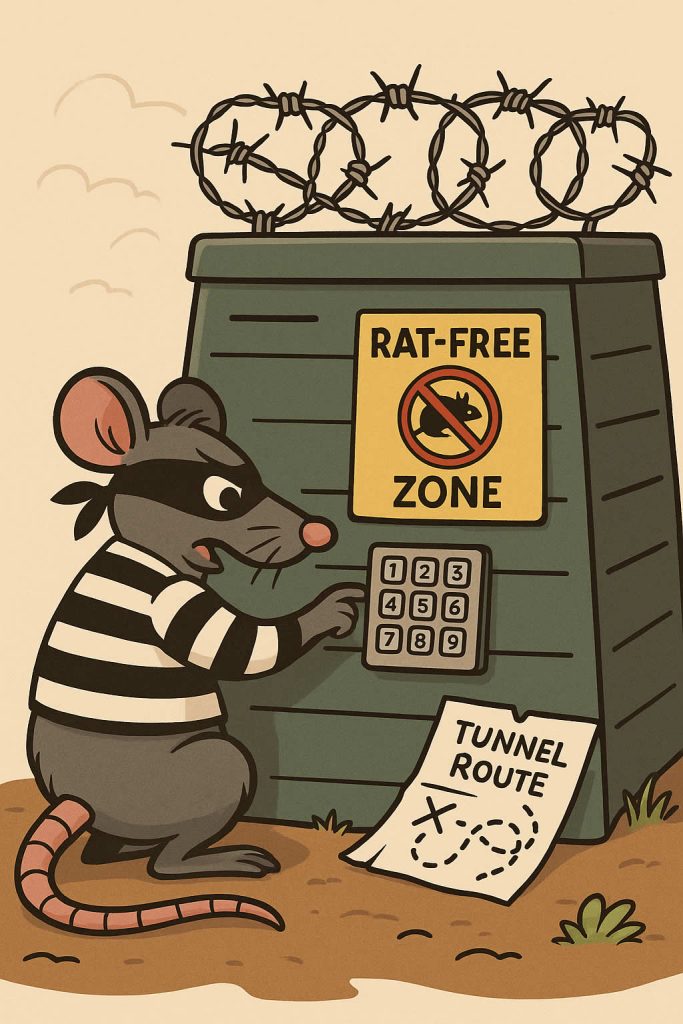
Are you worried that your compost bin might be inviting unwanted guests like rats into your yard? You’re not alone.
Many people wonder if composting at home can turn into a rat magnet. Understanding what attracts rats and how to keep your compost bin safe is key to enjoying the benefits of composting without the hassle of pests. You’ll discover simple tips and facts that will help you protect your home while turning waste into nutrient-rich soil.
Keep reading to find out how to compost smartly and keep those rats away for good.
Credit: www.theguardian.com
Why Rats Are Drawn To Compost
Compost bins break down food and garden waste. This process creates an inviting spot for rats. Understanding why rats visit compost helps manage them better.
Rats seek food and shelter. Compost bins can provide both in ways people may not expect.
Food Sources In Compost
Compost contains many food scraps that attract rats. These include fruit peels, vegetable leftovers, and other organic matter. Rats have a strong sense of smell and can find these scraps easily.
- Fruit and vegetable scraps
- Leftover bread and grains
- Cooked food waste
- Eggshells with bits of membrane
Shelter Opportunities
Rats look for safe places to hide and build nests. Compost bins that are left open or poorly maintained give them shelter. The warmth inside the compost pile helps rats stay comfortable, especially in cold weather.
Common Compost Bin Types
| Bin Type | Material | Attractiveness to Rats |
| Open Pile | None | High |
| Plastic Tumbler | Plastic | Low |
| Wooden Bin | Wood | Medium |
| Wire Mesh Bin | Metal | Medium |
Signs Of Rat Activity Near Compost
Compost bins can attract rats if food scraps are left uncovered. It is important to spot signs of rats early. This helps protect your compost and keep your yard safe.
Rats leave clear marks when they visit compost bins. You can watch for these signs to know if rats are nearby.
Droppings And Tracks
Rat droppings are small, dark, and pellet-shaped. They often appear near the base of the compost bin. Fresh droppings look shiny and moist.
Rats also leave tracks in soft soil or dusty areas. You may see tiny footprints with four toes on front feet and five on back feet.
- Look for small black droppings around the bin
- Check for tracks in loose soil near compost
- Shiny droppings mean recent rat activity
- Smaller footprints with tail marks are common
Damage To Compost Bins
Rats chew holes in compost bins to get inside. Look for gnaw marks on wood or plastic parts. These marks are rough and uneven.
Bins may also have broken lids or loose parts. Rats push or pull to open bins. You might see shredded compost material outside the bin.
- Check for holes or chew marks on the bin surface
- Look for broken or loose lids
- Find shredded compost near the bin
- Damaged ventilation openings can be a sign
Noises And Smells
Rats make scratching or rustling sounds inside bins at night. Listen carefully near your compost after dark. These noises are often soft but steady.
A strong, musty smell can come from rat urine or droppings. This smell is different from normal compost odors. It is sharp and unpleasant.
- Listen for scratching or rustling sounds after dark
- Smell for strong, unpleasant odors near the bin
- Rat urine has a sharp, musty scent
- Sounds may increase if rats are nesting nearby
Compost Materials That Attract Rats
Compost bins can sometimes attract rats if certain materials are added. Rats look for food that is easy to find and eat. Knowing which compost items attract rats helps keep them away.
Some common compost materials are more likely to invite rats than others. It is important to watch what you put in your compost bin.
Meat And Dairy Scraps
Meat and dairy scraps are very tempting to rats. These foods have strong smells and can spoil quickly. Rats find them easy to eat and often dig into compost bins for these scraps.
Fruits And Vegetables
Fruits and vegetables can attract rats if left to rot. Soft and sweet items are especially attractive. Peels, cores, and spoiled pieces are easy for rats to find in compost.
- Banana peels
- Apple cores
- Tomato scraps
- Potato peels
Grains And Bread
Grains and bread are also favorites for rats. These items provide good energy and are easy to store. Leftover bread and grain products in compost bins may invite rats to stay.
| Grain Type | Why It Attracts Rats |
| Bread | Soft texture and easy to eat |
| Rice | High in energy and small pieces |
| Cereal | Sweet taste and crumbs |
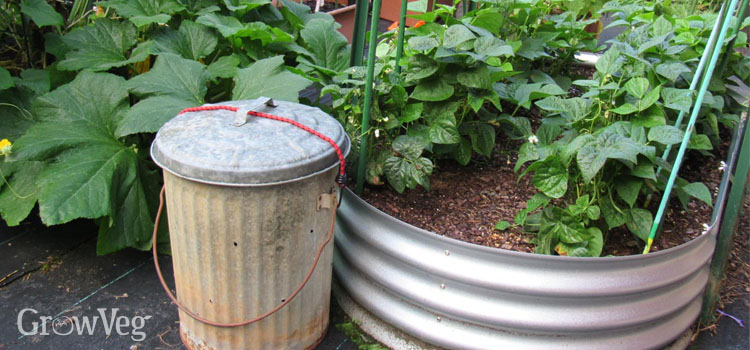
Credit: www.growveg.com
How To Make Compost Less Attractive To Rats
Compost bins can sometimes attract rats if not managed well. You can take simple steps to keep your compost safe from pests. This guide will help you reduce rat problems in your compost area.
Using the right bin, managing waste properly, and regular maintenance are key. Follow these tips to keep your compost healthy and rodent-free.
Choosing The Right Bin
Select a compost bin that closes tightly and has no large gaps. Rats can enter small holes, so a sealed bin is best. Metal or heavy plastic bins work well to keep pests out.
- Use bins with secure lids that lock or fasten.
- Choose bins made from metal or thick plastic.
- Avoid bins with holes larger than 1/4 inch.
- Place bins on a solid surface to block underground access.
Proper Waste Management
What you put in your compost affects how attractive it is to rats. Avoid adding food scraps that attract rodents. Balance green and brown materials to speed up decomposition and reduce smells.
| Do Compost | Don’t Compost |
| Vegetable scraps | Meat and bones |
| Fruit peels | Dairy products |
| Eggshells | Oily foods |
| Leaves and grass | Pet waste |
Regular Maintenance Tips
Keep your compost bin clean and turn the pile often. Regular turning helps compost break down faster. It also stops smells that can attract rats. Check your compost for any signs of pests.
- Turn your compost every 1 to 2 weeks.
- Remove finished compost to make room for new waste.
- Keep the area around the bin free of debris.
- Fix any holes or gaps in the bin immediately.
Natural Deterrents And Controls
Compost bins can sometimes attract rats if not managed properly. Using natural methods helps keep rats away without harmful chemicals.
These natural deterrents include plant-based repellents, physical barriers, and encouraging animals that hunt rats.
Plant-based Repellents
Some plants and herbs smell strong and can repel rats. Planting these near your compost bin may keep rats away.
Common plant-based repellents include peppermint, garlic, and cayenne pepper. These scents bother rats and make them avoid the area.
- Peppermint leaves or oil
- Crushed garlic cloves
- Sprinkled cayenne pepper
- Onion slices
Physical Barriers
Physical barriers stop rats from entering compost bins. Using strong materials and secure lids helps block their access.
Wire mesh with small holes works well. It keeps rats out while letting air flow through the compost.
- Use wire mesh with holes smaller than half an inch
- Keep bin lids tightly closed
- Raise bins off the ground
- Seal any gaps or holes in the bin
Encouraging Predators
Natural predators help control rat populations. Birds of prey, cats, and snakes hunt rats in gardens.
Creating a habitat for these animals near your compost bin can reduce rat problems naturally.
- Install birdhouses for owls and hawks
- Allow cats to roam safely in your yard
- Keep garden areas tidy to attract snakes
- Avoid using poisons that harm predators
Risks Of Rats In Gardens
Compost bins are a great way to recycle kitchen waste. But they can also attract unwanted visitors like rats.
Rats can bring various risks to your garden environment. Understanding these risks helps in managing them effectively.
Health Hazards
Rats carry diseases that can be harmful to humans and pets. They spread illnesses through their droppings and urine.
- Leptospirosis
- Salmonella
- Hantavirus
Impact On Plants
Rats may damage your garden by eating plants and seeds. This can lead to reduced growth and poor harvests.
Spread To Other Areas
Once rats settle in your garden, they can move to other parts of your property. This increases the risk of infestation in your home.
| Area | Risk Level |
| Garden | High |
| Garage | Medium |
| House | Low |
Alternatives To Traditional Composting
Traditional compost bins can sometimes attract rats if not managed well. There are other ways to recycle kitchen and garden waste without this problem. These methods often take up less space and control pests better.
Here are some popular alternatives to traditional composting that can help keep your home clean and pest-free.
Vermicomposting
Vermicomposting uses worms to break down food scraps. It is done in a contained bin and works fast. Worms eat the waste and turn it into rich soil called worm castings.
- Needs a small, covered bin
- Works well indoors or outdoors
- Produces liquid fertilizer called worm tea
- Does not attract rats if managed properly
Bokashi Composting
Bokashi composting is a fermentation process that uses special microbes. It ferments all kitchen waste, including meat and dairy. This method uses an airtight container that stops pests from entering.
| Feature | Description |
| Type of waste | All kitchen scraps, including meat and dairy |
| Container | Airtight bucket with a lid |
| Process time | 2 weeks fermentation |
| Pest attraction | Very low due to sealed container |
Community Composting Programs
Community composting lets you drop off your organic waste at a shared site. These programs are managed by local groups or municipalities. They handle composting on a large scale, reducing pests at home.
Benefits of community composting:
- Less space needed at home
- Professional waste management
- Helps the local environment
- Reduces risk of pests like rats
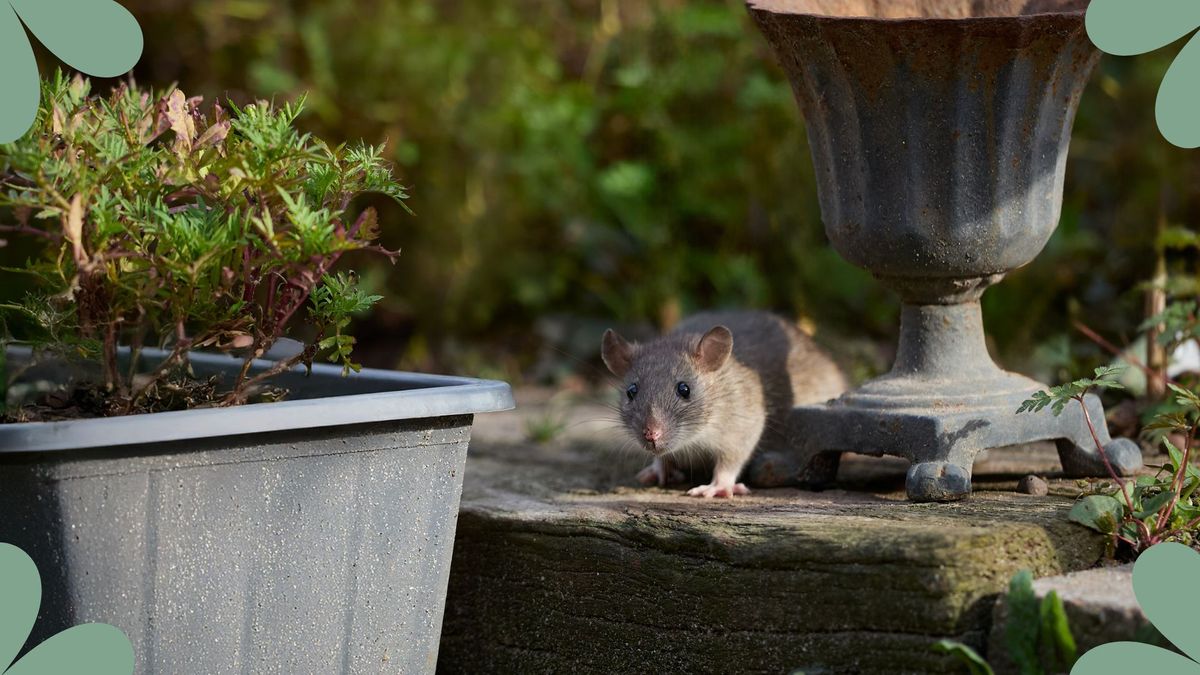
Credit: www.womanandhome.com
Frequently Asked Questions
Do Compost Bins Attract Rats Easily?
Compost bins can attract rats if not managed well. Proper sealing and avoiding meat scraps reduce rat attraction effectively.
How To Prevent Rats In Compost Bins?
Use sealed bins, avoid food scraps like meat, and turn compost regularly. This minimizes odors that attract rats.
Are Certain Compost Bin Types Better Against Rats?
Yes, enclosed bins with tight lids and fine mesh bottoms deter rats better than open or homemade bins.
Can Rats Damage Compost Bins?
Yes, rats can chew through weak materials and spread waste. Durable bins help prevent such damage and contamination.
Conclusion
Compost bins can attract rats if not managed well. Avoid adding meat, dairy, or oily foods. Use a bin with a secure lid to keep pests out. Turn your compost regularly to speed decomposition and reduce smell. Keep the area around the bin clean and dry.
Taking these steps helps keep rats away from your compost. You can enjoy composting without worrying about pests. Simple care makes a big difference.