Are you tired of scraping off every last bit of food from your dishes before loading them into the dishwasher? You’re not alone.
Many homeowners wonder if dishwashers come equipped with garbage disposals. The idea of a dishwasher that can handle leftover food scraps seems like a dream come true, doesn’t it? But before you dive into your next kitchen appliance purchase, it’s crucial to understand the capabilities and limitations of these machines.
We’ll explore whether dishwashers really have garbage disposals and what that means for you and your kitchen cleanup routine. Stick around to discover how this feature can simplify your life and save you time.
Dishwasher Basics
Understanding the basics of dishwashers can change how you view your kitchen chores. Knowing what happens inside your dishwasher helps you use it better and keeps it running longer. Let’s break down the core workings and parts of a dishwasher so you can spot what’s normal and what might need fixing.
How Dishwashers Work
Your dishwasher cleans dishes through a few simple steps. First, it fills with water and heats it to a high temperature.
Then, powerful jets spray the water mixed with detergent onto your dishes, loosening food and grease. After washing, the dirty water drains out, and the dishwasher rinses the dishes with clean water.
Finally, a drying cycle removes moisture, leaving your plates and glasses ready to use.
Common Dishwasher Components
Several key parts work together inside your dishwasher:
- Spray Arms:These rotate and spray water to clean dishes from all angles.
- Heating Element:Heats water and helps dry the dishes at the end of the cycle.
- Filter:Catches food particles to prevent them from clogging the drain.
- Drain Pump:Removes dirty water from the dishwasher after washing.
- Detergent Dispenser:Releases soap at the right time during the wash.
Knowing these parts can help you understand if your dishwasher is missing something like a garbage disposal or if it’s designed differently. Have you ever wondered why your dishwasher doesn’t handle certain leftovers well? It might be linked to how these components work together.
Garbage Disposal Explained
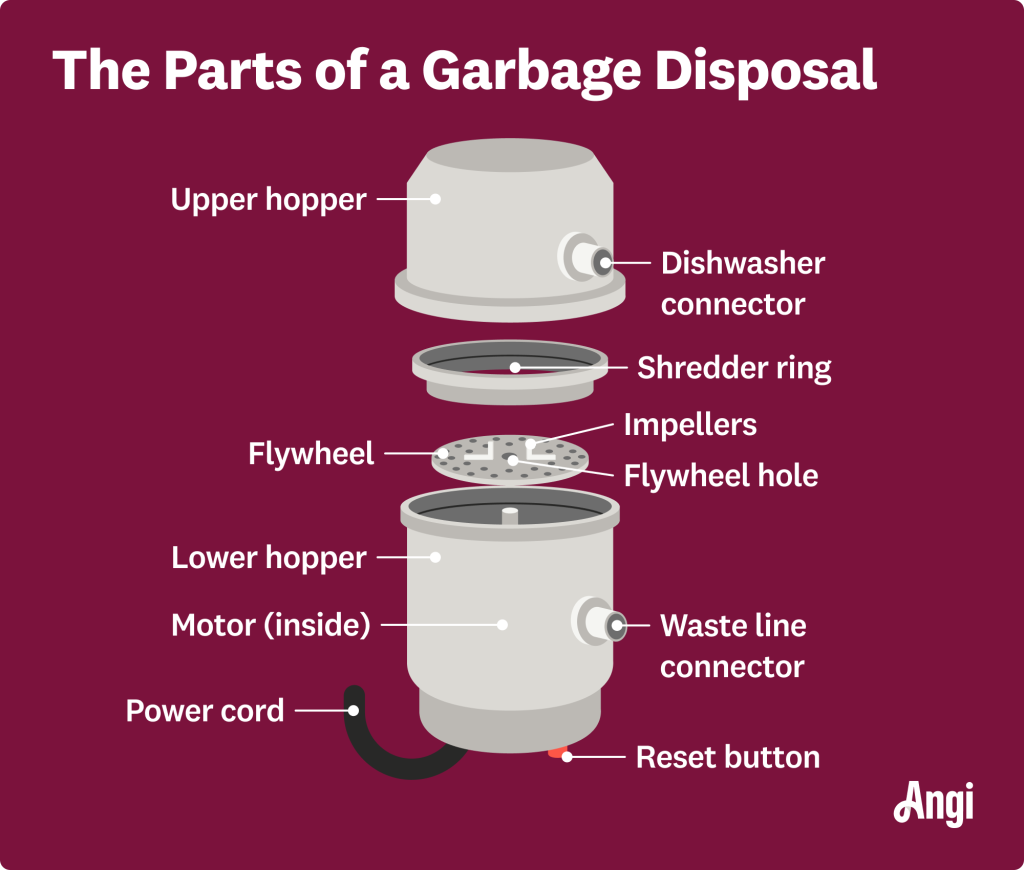
Understanding garbage disposals helps clarify their role in kitchens. These devices are installed under sinks to handle food waste. They grind leftover food into small pieces. This prevents clogs in plumbing and makes waste disposal easier.
Purpose And Function
Garbage disposals break down food scraps quickly. They protect pipes from blockages caused by solid waste. The device uses a spinning plate and sharp blades. Food waste gets shredded into tiny particles. Water then flushes these particles through the drain system.
Using a disposal reduces kitchen odors. It also lowers the amount of trash sent to landfills. This helps maintain a cleaner kitchen environment.
Types Of Garbage Disposals
- Continuous Feed:Operates as long as the switch is on. Easy to use and common in many homes.
- Batch Feed:Works only when the cover is locked. Safer option to prevent accidents.
- High-Speed:Grinds waste faster with less noise. Ideal for heavy use.
- Standard-Speed:Suitable for typical kitchen waste. More affordable and reliable.
Dishwashers And Garbage Disposals
Dishwashers and garbage disposals often share a place under the kitchen sink. Both help keep your kitchen clean but serve different roles. Understanding how these two appliances work together can help you maintain your kitchen better. This section explains if dishwashers include garbage disposals and how they connect in your kitchen.
Do Dishwashers Include Garbage Disposals?
Dishwashers do not come with built-in garbage disposals. Their job is to wash dishes, not to grind food waste. Garbage disposals grind food scraps into tiny pieces. These pieces then flow down the drain safely. Dishwashers usually drain water and food particles into the garbage disposal, if one is installed.
This setup helps prevent clogs in your pipes. Without a garbage disposal, food scraps might clog the dishwasher drain. Some dishwasher models have filters to catch food bits. These filters need regular cleaning to keep the dishwasher working well.
How They Connect In The Kitchen
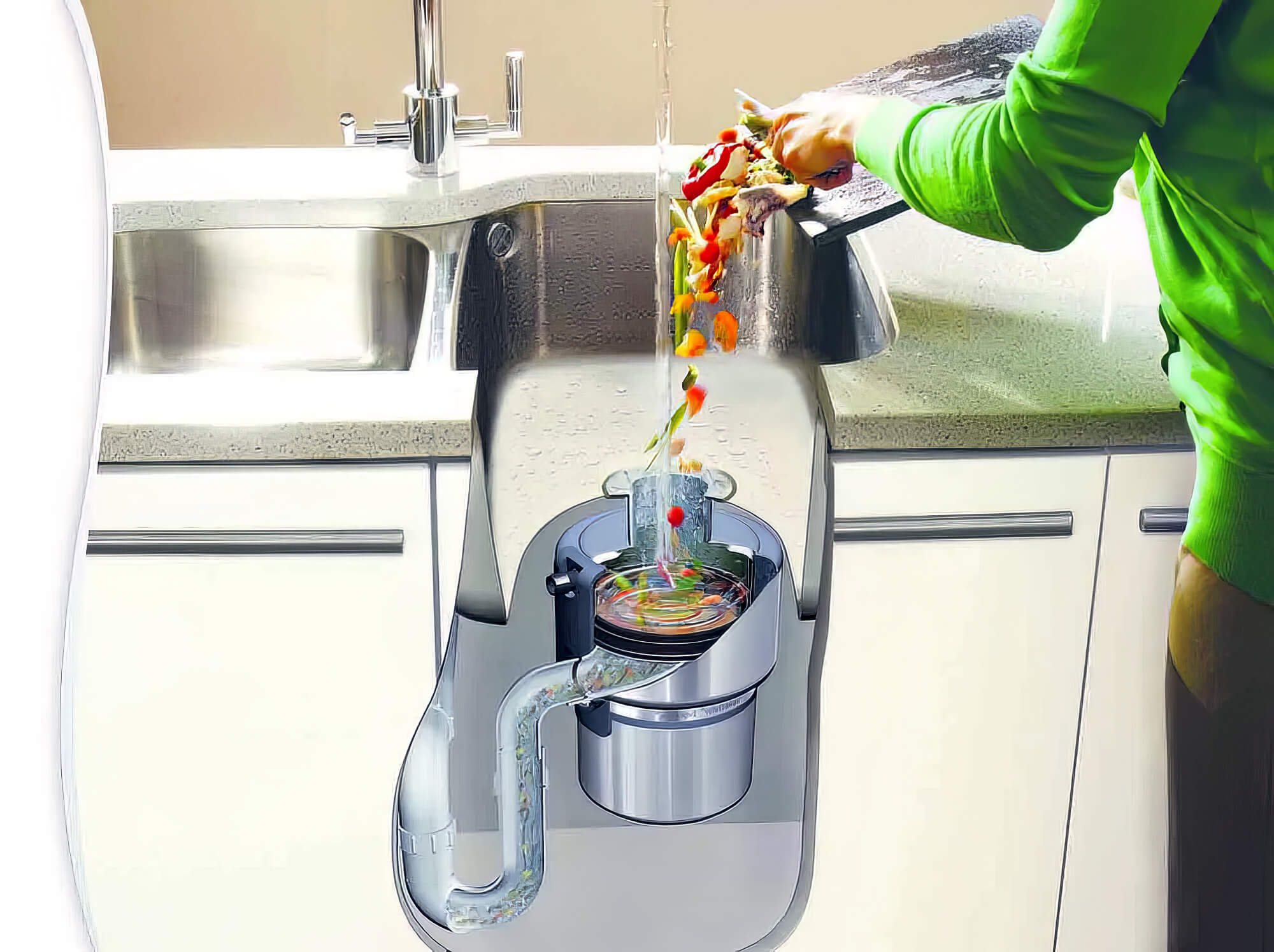
Dishwashers and garbage disposals connect through plumbing under the sink. The dishwasher drain hose often links directly to the garbage disposal inlet. This connection allows dishwasher water and food waste to enter the disposal unit.
- The dishwasher pump pushes dirty water through the drain hose.
- Food scraps get ground up by the disposal blades.
- Wastewater flows out through the home’s drain system.
Installing this connection requires a special dishwasher inlet on the disposal. If you install a new disposal, it usually comes with this inlet. If not, a plumber can modify the disposal for dishwasher use.
Proper connection prevents leaks and bad odors. It also helps the dishwasher drain efficiently. Regular checks keep both appliances working smoothly together.

Credit: www.reddit.com
Food Waste Management In Dishwashers
Managing food waste in dishwashers is a topic many overlook until they face clogged filters or unpleasant odors. Understanding how your dishwasher handles leftover food can save you time and prevent costly repairs. Let’s dive into how food waste management actually works in dishwashers and what you can do to keep your appliance running smoothly.
Filter Systems Vs. Disposals
Most dishwashers use filter systems rather than built-in garbage disposals. These filters catch food particles during the wash cycle, preventing them from clogging your pipes. You need to clean these filters regularly to avoid buildup that leads to bad smells or poor cleaning results.
Dishwashers without disposals rely heavily on these filters, so don’t ignore them. Some models come with self-cleaning filters that grind food waste into tiny pieces, but even those need occasional maintenance. Are you checking your dishwasher’s filter often enough to keep it efficient?
Dealing With Food Residue
Leaving large food scraps on your dishes before loading them into the dishwasher can cause trouble. While it’s tempting to skip rinsing, your dishwasher isn’t designed to handle big chunks of food. Scrape off excess food into the trash or compost bin before loading.
For sticky or greasy residue, a quick rinse can make a big difference in cleaning performance. It also reduces the risk of clogging the filter or spray arms. Have you noticed how pre-rinsing affects your dishwasher’s cleaning power?
Benefits Of Having Both Appliances
Having both a dishwasher and a garbage disposal in your kitchen brings several practical benefits. These two appliances work well together to keep your kitchen clean and running smoothly. They help save time and reduce the effort needed for cleaning after meals. This combination improves how waste is handled and ensures better hygiene in your home.
Efficiency And Hygiene
Dishwashers clean dishes with hot water and soap. Garbage disposals break down food scraps quickly. Together, they reduce leftover food on dishes before washing. This means your dishwasher can clean better and faster. Less food stuck on dishes lowers the chance of bacteria growth. The kitchen stays cleaner and smells fresher.
Preventing Clogs And Odors
Food waste can cause clogged pipes and bad smells. Garbage disposals grind up most scraps into tiny pieces. These pieces wash away easily with water. This stops big chunks from blocking your drains. Using a disposal before the dishwasher helps keep pipes clear. It also reduces unpleasant odors from trapped food.
Credit: www.homedepot.com
Installation And Maintenance Tips
Installing a dishwasher connected to a garbage disposal can make kitchen cleanup much easier, but it requires careful attention to setup and ongoing maintenance. Without the right approach, you might face leaks, clogs, or unpleasant odors. Understanding how to properly install and maintain both appliances ensures they work together smoothly and last longer.
Proper Setup For Dishwasher And Disposal
Make sure your garbage disposal has a knockout plug removed where the dishwasher drain hose connects. This step is often missed and can prevent proper drainage.
Use a hose clamp to secure the dishwasher drain hose firmly to the disposal’s inlet. This prevents leaks and keeps the connection tight during use.
Check if your disposal model supports dishwasher connections; some older units do not. If yours doesn’t, adding an air gap or an alternative drain method might be necessary.
Don’t forget to install a high loop in the dishwasher drain hose. This helps prevent dirty water from flowing back into your dishwasher.
Cleaning And Troubleshooting
Regularly clean the garbage disposal by running cold water and grinding ice cubes to remove buildup. This simple trick sharpens the blades and clears stuck debris.
If your dishwasher isn’t draining, inspect the hose for clogs or kinks. Sometimes food particles get trapped where the hose meets the disposal.
Use a flashlight to look inside the disposal and check for any visible blockages. Avoid using harsh chemicals; mechanical removal is safer for your pipes.
Unpleasant smells can signal trapped food. Running lemon peels through the disposal or using baking soda and vinegar can freshen it up without damage.
Have you noticed your dishwasher draining slowly? Sometimes the issue lies in the disposal, not the dishwasher. Testing each part separately can save time and frustration.
Common Myths And Misconceptions
Many people wonder if dishwashers come with built-in garbage disposals or if they serve the same function. This confusion often leads to misunderstandings about how to properly use and maintain your dishwasher. Let’s clear up some of these common myths and misconceptions so you can avoid costly mistakes and keep your kitchen running smoothly.
Separating Facts From Fiction
Dishwashers do not have garbage disposals inside them. While both appliances deal with food waste, they operate differently and serve distinct purposes. A garbage disposal grinds up food scraps to prevent clogging your sink drain, but dishwashers rely on filters and drainage systems to handle leftover food particles.
Many people think they can just toss large food scraps into the dishwasher, expecting it to dispose of them. This is not true. Leaving big chunks of food inside can clog your dishwasher and reduce its cleaning efficiency.
Here’s what you should keep in mind:
- Rinse or scrape your dishesbefore loading to prevent buildup.
- Use the dishwasher’s filterto catch smaller particles.
- Regularly clean your dishwasher’s filterto maintain performance.
What Not To Expect
You shouldn’t expect your dishwasher to completely eliminate all food waste. Unlike a garbage disposal, it won’t grind or flush away large food particles. Instead, it’s designed to wash and rinse dishes, not manage food disposal.
Thinking your dishwasher can handle everything can lead to frequent clogs and a shorter lifespan for your appliance. You might have experienced this yourself if your dishwasher started smelling bad or draining slowly. These issues often stem from food buildup that a garbage disposal would normally prevent in a sink.
So, what should you do? Always scrape off large food scraps into the trash or compost bin before loading dishes. This simple habit saves you from headaches and expensive repairs.
Credit: goldcoastplumbingcompany.com.au
Frequently Asked Questions
Do Dishwashers Come With Built-in Garbage Disposals?
Most dishwashers do not have built-in garbage disposals. They rely on pre-rinsing dishes to remove food particles before washing. Garbage disposals are separate units installed under the sink to grind food waste. This helps prevent clogs and improves dishwasher efficiency.
Can Dishwashers And Garbage Disposals Work Together?
Yes, dishwashers and garbage disposals often work together. The dishwasher drains into the garbage disposal, which helps break down food waste. This connection prevents clogs and keeps the kitchen sink clean. Proper installation is important for smooth operation.
Does Having A Garbage Disposal Improve Dishwasher Performance?
Having a garbage disposal can improve dishwasher performance by reducing large food particles. It prevents clogs in the dishwasher drain and sink pipes. However, rinsing dishes before loading is still necessary for optimal results. It helps maintain both appliances.
Should I Install A Garbage Disposal With My Dishwasher?
Installing a garbage disposal with your dishwasher is recommended for convenience. It efficiently handles food waste and prevents drain blockages. This combination keeps the kitchen cleaner and reduces maintenance issues. Consider local plumbing codes before installation.
Conclusion
Dishwashers do not usually have garbage disposals inside. They use filters or grinders to handle food bits. This keeps your dishwasher running smoothly. Knowing this helps you keep your kitchen clean. Always scrape plates before loading the dishwasher. This reduces clogs and improves washing.
Understanding how dishwashers work saves time and money. It also makes your cleaning routine easier. Simple steps make a big difference in appliance care.