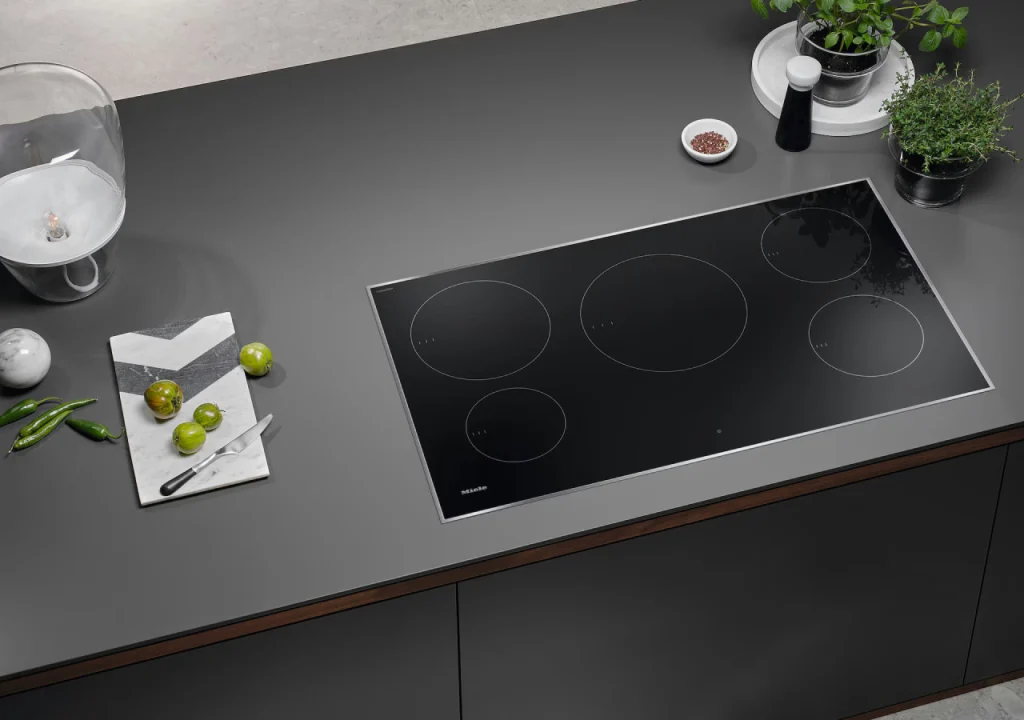
If you’re considering upgrading your kitchen appliances, you might be wondering about the need for venting with induction cooktops. This question may seem simple, but it’s crucial to ensure your kitchen is both functional and safe.
You may have heard about the efficiency and sleek design of induction cooktops, but the details about their venting requirements might still be unclear. Don’t worry; you’re not alone. Many people are curious about how these modern appliances fit into their home environment.
In this blog post, we’ll uncover the truth about induction cooktops and their venting needs, providing you with the information necessary to make a confident decision for your home. Stay with us, and by the end, you’ll have a clear understanding of how to optimize your kitchen space while embracing the latest in cooking technology.
How Induction Cooktops Work
Understanding how induction cooktops work can change the way you think about cooking and kitchen ventilation. Unlike traditional gas or electric stoves, induction cooktops heat your pots and pans directly through magnetic fields. This unique method leads to faster heating and improved energy efficiency, but does it affect the need for venting?
How Magnetic Induction Heats Cookware
Induction cooktops use an electromagnetic coil beneath the cooking surface to create a magnetic field. When you place a compatible pot or pan on the cooktop, the magnetic field induces electric currents in the cookware’s metal. These currents generate heat directly inside the pan, not on the cooktop surface itself.
This means the cooktop stays cooler compared to traditional stoves. Have you noticed how quickly water boils on an induction cooktop? That’s because the heat goes straight where it’s needed.
Why Cookware Material Matters
Not all pots and pans work with induction cooktops. They need to be made of magnetic materials like cast iron or stainless steel. Aluminum, copper, or glass cookware won’t heat properly because they don’t respond to the magnetic field.
Choosing the right cookware ensures efficient cooking and prevents damage to your induction unit. Have you checked if your favorite pan is induction-compatible yet?
Heat Generation And Kitchen Ventilation
Since induction cooktops heat the cookware directly, less heat escapes into the kitchen air. This often results in a cooler cooking environment compared to gas or electric stoves. You might find that your kitchen feels more comfortable, especially during long cooking sessions.
However, even with less heat escaping, cooking still produces steam, smoke, and odors. So, while induction reduces heat buildup, it doesn’t eliminate the need for ventilation entirely.

Credit: us.ciarraappliances.com
Heat And Smoke Production
Heat and smoke production are key factors in deciding if an induction cooktop needs venting. Unlike traditional stoves, induction cooktops use electromagnetic energy to heat pots directly. This process produces less heat around the cooktop itself.
With less heat released into the air, kitchens stay cooler. Smoke production also differs. Induction cooktops do not burn gas or wood, so they do not emit combustion gases.
Heat Generation Compared To Gas And Electric Stoves
Induction cooktops heat only the cookware, not the air or surface. This means less heat escapes into the kitchen. Traditional gas stoves release a lot of heat from the flame. Electric coil stoves also spread heat around the burner.
Less ambient heat means a more comfortable cooking space. It also lowers the need for strong ventilation to remove hot air.
Smoke And Odor Production On Induction Cooktops
Induction cooking does not produce smoke from fuel combustion. Smoke usually comes from food burning or oil overheating. This happens on all cooktops, but induction’s precise heat control helps reduce it.
Good cooking habits, like avoiding overheating oil, limit smoke and odors. Still, some smoke may arise from food itself, not the cooktop.
Ventilation Needs Based On Heat And Smoke Levels
Since induction cooktops produce less heat and no combustion smoke, venting needs differ. Ventilation mainly removes smoke, odors, and steam from cooking food. It does not primarily manage heat from the cooktop.
Homes with induction cooktops may need less powerful vents. However, strong ventilation helps keep air fresh and clear of cooking smells.
Venting Needs Compared To Gas
Comparing venting needs between induction cooktops and gas stoves reveals key differences. Gas stoves burn fuel, releasing combustion gases into the kitchen air. These gases include carbon monoxide, nitrogen dioxide, and water vapor. Proper venting is essential to remove these harmful byproducts and keep air safe.
Induction cooktops use electricity to heat pots directly. They do not burn fuel or produce combustion gases. This changes the venting requirements significantly. Understanding these differences helps decide what type of ventilation system a kitchen needs.
Air Quality Impact Of Gas Stoves
Gas stoves emit pollutants during cooking. These include:
- Carbon monoxide (CO)
- Nitrogen dioxide (NO2)
- Particulate matter
- Water vapor
These pollutants can cause health problems. Proper venting removes them from the kitchen. Without venting, indoor air quality worsens, increasing risk of respiratory issues.
Induction Cooktops And Ventilation
Induction cooktops generate heat without combustion. They produce no harmful gases. Venting is less about removing pollutants and more about handling steam and odors. Ventilation systems mainly control moisture and cooking smells.
Ventilation System Differences
| Feature | Gas Stove | Induction Cooktop |
|---|---|---|
| Pollutant Emission | Yes, combustion gases | No |
| Ventilation Need | High, for safety | Moderate, for moisture and odors |
| Vent Type | Range hood with exhaust | Range hood or recirculating filter |
| Air Quality Impact | Significant | Minimal |
Choosing The Right Ventilation
Gas stoves require powerful exhaust hoods that vent outside. This removes dangerous gases efficiently. Induction cooktops can use less powerful hoods or recirculating systems with filters. These control steam and odors but do not need outside venting.
For kitchens with induction cooktops, ventilation focuses on comfort rather than safety. This can reduce installation costs and complexity. Understanding these differences helps plan kitchen ventilation effectively.

Credit: www.hgtv.com
Types Of Ventilation Options
Choosing the right ventilation for your induction cooktop can shape your cooking experience. Ventilation is not just about removing smoke or smells; it also keeps your kitchen air fresh and your surfaces clean. Let’s look at different options that can fit various kitchen layouts and personal preferences.
Downdraft Venting
Downdraft ventilation pulls air downwards, right where your cooktop is. This system is built into the countertop or the cooktop itself, making it perfect for kitchens with limited overhead space.
One thing to consider is that downdraft vents might not be as powerful as overhead hoods. However, they are great at capturing steam and odors close to the cooking surface. Have you noticed how some kitchens feel stuffy even with a vent? Downdraft systems can help prevent that by pulling air away quickly.
Overhead Range Hoods
Overhead range hoods are the classic choice. They hang above your cooktop and suck up smoke, steam, and smells, venting them outside or filtering and recirculating the air.
This type offers strong ventilation and can be a design feature in your kitchen. If you cook often and use high heat, an overhead hood can make a big difference in keeping your kitchen comfortable. Think about how often you see kitchens with stylish hoods – it’s not just for looks; they’re highly effective.
Recirculating Systems
Recirculating systems filter the air and send it back into the kitchen. They don’t need ductwork, which makes them easier to install in apartments or homes without external venting options.
Keep in mind, these systems rely on filters that need regular cleaning or replacement. They’re less effective at removing heat but still help reduce odors and smoke. Could this be the right choice if your kitchen doesn’t allow venting outside?
Benefits Of Proper Venting
Proper venting plays a key role in kitchens with induction cooktops. It helps maintain a clean and safe cooking space. Venting removes unwanted particles and gases. It also controls heat and moisture. These benefits create a more comfortable cooking experience. Let’s explore the main advantages of proper venting.
Air Quality Improvement
Venting removes smoke, steam, and tiny particles from the air. This keeps the kitchen air fresh and clean. Good air quality prevents breathing problems and allergies. It also stops grease buildup on walls and furniture. Clean air makes cooking healthier for everyone in the home.
Odor Removal
Cooking produces strong smells that can linger for hours. Proper venting helps remove these odors quickly. It stops food smells from spreading to other rooms. This keeps your entire home smelling fresh. No more unwanted cooking smells ruining your living space.
Heat Reduction
Cooking can make the kitchen very hot and uncomfortable. Venting helps remove excess heat from the area. This keeps the kitchen cooler and more pleasant. It also reduces the load on air conditioning systems. A cooler kitchen means better cooking comfort and energy savings.
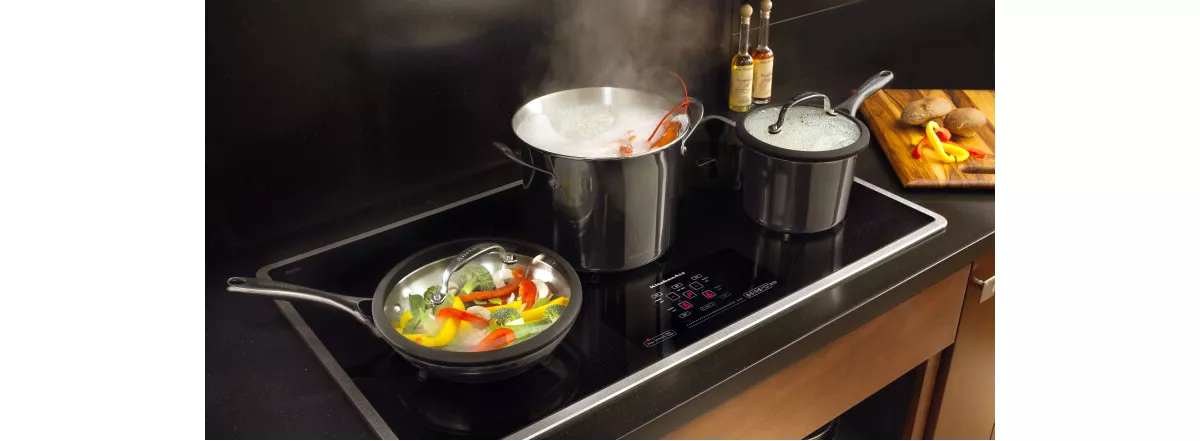
Credit: www.maytag.ca
When Venting Might Be Unnecessary
Induction cooktops produce less heat than traditional stoves. This feature can reduce the need for venting in many kitchens. Understanding when venting might be unnecessary helps save on installation costs and keeps your kitchen simpler.
Low Heat And Minimal Smoke Production
Induction cooktops heat cookware directly. The cooktop surface stays cooler than gas or electric coils. This reduces smoke and fumes. Less smoke means less need for strong ventilation.
Cooking Styles That Generate Little Odor
Some cooking methods create fewer smells. Boiling water, steaming vegetables, or reheating food usually produce minimal odors. These styles often do not require venting.
Well-ventilated Kitchen Spaces
Kitchens with good natural airflow reduce indoor air pollution. Open windows or cross-ventilation help clear cooking smells. This can make mechanical venting unnecessary.
Use Of Recirculating Range Hoods
Recirculating hoods filter and recycle air inside the kitchen. They remove some odors without outside venting. This option suits apartments or spaces without ductwork.
Short Cooking Duration
Quick cooking tasks create less heat and fumes. Simple meals that take minutes may not need venting at all.
Building Codes And Safety Guidelines
Building codes and safety guidelines play a key role in kitchen design. They ensure homes stay safe and healthy. For induction cooktops, understanding these rules helps prevent accidents and maintain air quality. These regulations vary by location but share common goals.
Most codes focus on proper ventilation to remove smoke, steam, and odors. Induction cooktops produce less heat and fumes than gas stoves. This difference affects venting requirements. Still, safety rules often require some form of ventilation.
Ventilation Requirements In Building Codes
Building codes usually mandate a range hood or exhaust fan above cooktops. The vent must lead outside, not just recirculate air. This removes pollutants and moisture effectively. For induction cooktops, the airflow rate may be lower. Some codes allow flexible venting options due to less heat output.
Safety Guidelines For Installation
Install induction cooktops with clearance from walls and cabinets. This prevents heat damage and allows airflow. Follow manufacturer instructions carefully. Use licensed professionals for electrical wiring and vent installation. Proper grounding and circuit protection reduce fire risks.
Local Code Variations And Enforcement
Check local building departments for specific rules. Some areas have stricter ventilation standards. Inspectors verify compliance during or after installation. Non-compliance can cause fines or require costly changes. Staying informed avoids delays and ensures safety.
Maintenance Tips For Ventilation Systems
Keeping your ventilation system in top shape is key to ensuring your kitchen stays fresh and smoke-free while using an induction cooktop. Regular maintenance not only boosts efficiency but also extends the life of your vent. Have you ever noticed a lingering smell or reduced airflow? That’s often a sign your ventilation system needs attention.
Cleaning The Filters Regularly
Filters trap grease and particles, so they clog up fast. Check your filters every month, especially if you cook often. Clean metal filters with warm, soapy water or run them through the dishwasher if the manufacturer allows it.
Carbon filters, common in ductless vents, can’t be washed. Replace these every 3 to 6 months to keep your system working well. Ignoring filter maintenance can cause poor air quality and even damage your vent.
Inspecting The Vent Ducts
Over time, ducts can collect dust and grease, blocking airflow. Take a peek inside your ducts at least twice a year. Use a flashlight and a flexible brush to clear out any buildup.
If your kitchen smells stale or you notice smoke lingering, your ducts might be clogged. In some cases, hiring a professional duct cleaning service can save you time and effort.
Checking The Fan And Motor
The fan and motor are the heart of your ventilation system. Listen for unusual noises or a drop in suction power. Both can signal that the motor needs lubrication or the fan blades are dirty.
Cleaning the fan blades gently with a damp cloth can improve airflow. If the motor seems faulty, don’t hesitate to call a technician to avoid further damage.
Maintaining Proper Ventilation Usage Habits
Using your ventilation system wisely helps it last longer. Turn on the vent a few minutes before you start cooking and leave it running a few minutes after you finish. This practice helps clear out lingering odors and moisture.
Also, avoid blocking the vents with pots, pans, or other kitchen items. Good airflow depends on keeping the system free from obstructions.
Frequently Asked Questions
Do Induction Cooktops Produce Fumes Needing Venting?
Induction cooktops generate minimal fumes since they use electromagnetic heat. Venting is generally not necessary for smoke or odors. However, venting helps remove steam and cooking smells for better kitchen air quality.
Is A Range Hood Necessary For Induction Cooktops?
A range hood is not mandatory for induction cooktops but recommended. It improves air circulation and removes steam, grease, and odors. Choosing a hood depends on your kitchen size and cooking habits.
Can You Use Existing Venting With An Induction Cooktop?
Yes, existing venting for gas or electric cooktops works well with induction models. Induction cooktops emit less heat and fumes, so your current venting system is usually sufficient and effective.
How Does Venting Affect Induction Cooktop Performance?
Venting does not directly impact induction cooktop performance. It mainly improves kitchen air quality by removing moisture and odors. Proper ventilation keeps your cooking area comfortable and clean.
Conclusion
Induction cooktops produce less heat and smoke than gas stoves. They do not always need venting, but good airflow helps. Venting removes odors and keeps your kitchen fresh. Small kitchens especially benefit from some ventilation. A simple exhaust fan or window works well.
Clean air makes cooking safer and more pleasant. Choosing the right vent depends on your kitchen size and setup. Remember, good ventilation supports a healthy cooking space. Keep your kitchen fresh and enjoy cooking with induction.