Are you curious about what’s really in your drinking water? You might be surprised to learn that even the water coming from your refrigerator could contain more than you bargained for.
One common concern is fluoride, a mineral often added to tap water. But does your refrigerator’s filter actually remove it? Understanding what your fridge filter can and can’t do is crucial for your family’s health. We’ll dive into the nitty-gritty of refrigerator filters and their effectiveness against fluoride.
Uncover the truth behind your water quality and make informed decisions about your hydration. Stick around, because what you learn could change the way you think about your water.
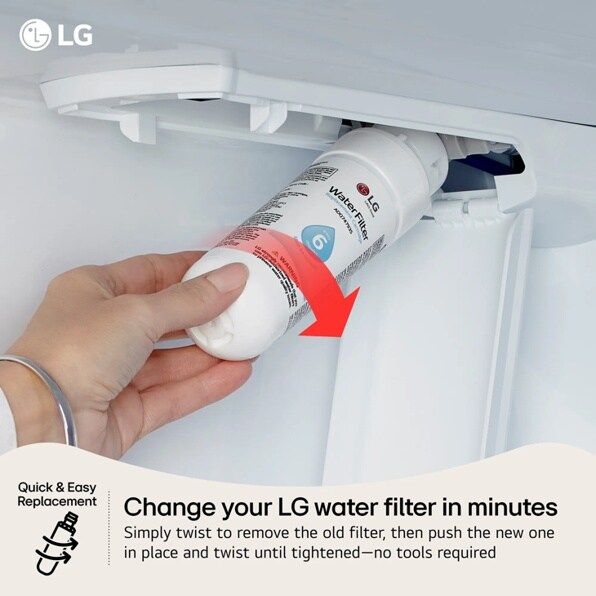
Credit: www.lg.com
How Fluoride Enters Drinking Water
Understanding how fluoride gets into your drinking water can help you decide if your refrigerator’s water filter meets your needs. Fluoride appears naturally in some water sources, but it’s also added intentionally in many areas to promote dental health. Knowing these details can guide you in choosing the right filtration method for your home.
Natural Occurrence
Fluoride is a mineral that can be found naturally in rocks, soil, and water. As rainwater passes through these materials, it picks up fluoride and carries it into rivers, lakes, and underground aquifers.
The amount of fluoride varies widely depending on your location. Some regions have higher natural fluoride levels, sometimes exceeding what is considered safe for daily consumption.
Water Fluoridation Practices
Many communities add fluoride to their public water supplies to help reduce tooth decay. This process is carefully controlled to maintain fluoride at levels deemed safe and effective by health authorities.
However, you might wonder if your refrigerator filter can remove this added fluoride. Since it’s dissolved in the water, not all filters are designed to eliminate fluoride particles.

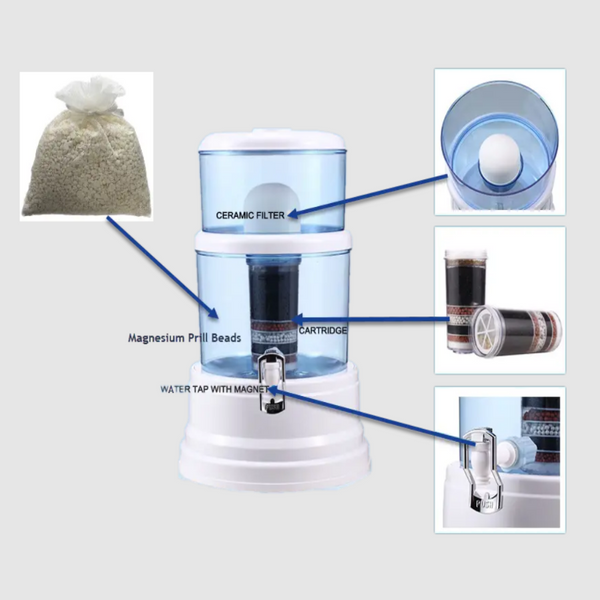
Credit: www.frizzlife.com
Types Of Refrigerator Water Filters
Refrigerator water filters use different technologies to clean water. Each type works in its own way to remove impurities. Understanding these types helps you choose the best filter for your needs. Some filters focus on taste and odor, while others target specific chemicals like fluoride.
Carbon Filters
Carbon filters are common in refrigerators. They use activated carbon to trap particles and chemicals. These filters improve water taste and reduce chlorine. They do not remove fluoride effectively. Carbon filters are best for removing odors and some contaminants.
Reverse Osmosis Filters
Reverse osmosis filters push water through a fine membrane. This process removes many impurities, including fluoride. These filters provide very clean water. They are less common inside refrigerators but can be used with them. Reverse osmosis systems need more space and maintenance.
Other Filter Technologies
Some filters use special materials like ion exchange resins. These can reduce fluoride and heavy metals. Others combine different methods for better results. Some newer filters include ceramic or UV light technology. These options vary in price and effectiveness.
Effectiveness Of Refrigerator Filters On Fluoride
Refrigerator filters play a role in improving water taste and removing some impurities. Many people wonder if these filters can remove fluoride, a common additive in water. Understanding how effective refrigerator filters are at reducing fluoride helps make better choices for water safety.
Carbon Filters And Fluoride Removal
Most refrigerator filters use activated carbon to trap chemicals and odors. Carbon filters work well for chlorine and some pesticides. They do not remove fluoride effectively. Fluoride ions are too small for carbon to capture. Relying on carbon filters alone will not reduce fluoride levels in water.
Reverse Osmosis Efficiency
Reverse osmosis (RO) systems use a fine membrane to filter water. RO can remove up to 95% of fluoride. This method is much more effective than carbon filters. Some refrigerators include RO technology, but many do not. RO systems require maintenance to keep working well.
Limitations Of Common Filters
- Standard fridge filters rarely target fluoride.
- Fluoride removal needs specialized filtration methods.
- Filter lifespan affects performance and water quality.
- Fluoride passes through most simple filter materials.
- Extra filtration devices may be needed for fluoride reduction.
Testing Fluoride Levels In Filtered Water
Testing fluoride levels in filtered water is essential if you want to know whether your refrigerator filter is doing its job. Many people assume that all filters remove fluoride, but that’s not always true. Measuring fluoride helps you make informed choices about your water quality and health.
Methods For Measuring Fluoride
You can test fluoride levels using several easy-to-access methods. One popular choice is using fluoride test strips, which change color based on fluoride concentration. These strips are affordable and simple, but may not be very precise for very low or high fluoride amounts.
Another option is a digital fluoride meter, which gives more accurate readings. This device uses an electrode sensitive to fluoride ions, providing quick results you can trust. Laboratories also offer water testing services that analyze fluoride with advanced techniques, delivering detailed reports.
- Fluoride test strips – good for rough estimates
- Digital fluoride meters – more accuracy, higher cost
- Laboratory testing – best for exact fluoride levels
Interpreting Test Results
Once you get your fluoride test results, understanding what they mean matters. Fluoride levels in drinking water are usually measured in milligrams per liter (mg/L) or parts per million (ppm). The recommended fluoride concentration for health benefits is about 0.7 mg/L.
If your filtered water shows fluoride levels close to or below this number, your filter may be effectively reducing fluoride. But if the numbers remain high, it means fluoride is passing through the filter. This insight lets you decide if you need a specialized fluoride filter or a different water source.
Have you checked your filtered water recently? Knowing your fluoride levels can change how you view your daily hydration routine.
Alternatives For Fluoride Removal
If you’re concerned about fluoride in your drinking water, you might wonder if your refrigerator filter is enough. Most standard refrigerator filters don’t effectively remove fluoride. So, what can you do to ensure your water is fluoride-free? There are several alternatives specifically designed to tackle fluoride removal, giving you more control over your water quality.
Specialized Filtration Systems
Specialized filtration systems often use technologies like reverse osmosis or ion exchange to remove fluoride. These systems are more powerful than typical fridge filters and can reduce fluoride levels significantly. If you want a reliable way to lower fluoride, investing in one of these systems could be a smart choice.
Think about your daily water use: Would having a whole-house system or a countertop unit fit better into your lifestyle? These systems vary in size and price, so you can find one that matches your needs and budget.
Activated Alumina Filters
Activated alumina is a porous material that attracts fluoride and removes it from water effectively. Filters using activated alumina are common in point-of-use devices, such as under-sink filters. These are compact and easy to install, making them a practical option for many households.
One tip: activated alumina filters need regular replacement to maintain their effectiveness. Have you checked how often your filter needs changing? Keeping up with maintenance ensures you get the fluoride-free water you’re aiming for.
Distillation Units
Distillation units boil water and collect the steam, leaving fluoride and other impurities behind. This method produces very pure water, free from most contaminants, including fluoride. It’s a straightforward process, but the units can be bulky and slower compared to filtration systems.
Consider how much water you use daily—would a distiller meet your household’s demand? While it requires patience, many find the taste and purity of distilled water worth the wait.
Health Considerations Of Fluoride In Water
Fluoride is a common additive in many water supplies. It helps protect teeth but also raises health questions. Understanding fluoride’s effects on the body helps make better water choices. This section explores the health considerations of fluoride in water.
Benefits Of Fluoride
Fluoride strengthens tooth enamel, making it harder to decay. It reduces cavities, especially in children. Many dentists support fluoride for oral health. It helps rebuild weakened teeth surfaces. Fluoride in water has lowered tooth decay rates worldwide.
Potential Risks Of Excess Fluoride
Too much fluoride can cause dental fluorosis, which changes tooth appearance. Severe cases lead to brown spots or streaks. High fluoride intake may affect bones, causing pain or fractures. Some studies suggest links to other health issues, but evidence is limited. Monitoring fluoride levels in water is important for safety.
Choosing The Right Water Filter For Your Needs
Choosing the right water filter can feel overwhelming, especially if you’re worried about specific contaminants like fluoride. Not all filters are designed to handle every type of impurity, so understanding what your water contains is key. By focusing on your unique needs, you can pick a filter that truly improves your water quality and fits your lifestyle.
Assessing Water Quality
Start by testing your tap water. You might be surprised by what you find. Local water reports or home testing kits can reveal fluoride levels along with other minerals and chemicals.
Knowing the exact contaminants helps you choose a filter that targets those substances. For example, while many refrigerator filters improve taste by reducing chlorine, they often don’t remove fluoride. Are you aware of what’s really in your water?
Filter Certification And Standards
Look for filters certified by organizations like NSF International or the Water Quality Association. These certifications confirm that a filter performs as claimed, including fluoride reduction if specified.
Filters marked with NSF/ANSI Standard 53 or 58 are typically effective against fluoride. Checking certifications helps you avoid wasting money on filters that won’t meet your needs.
Maintenance And Replacement Tips
Even the best filter can fail if not maintained properly. Keep track of replacement schedules—usually every 3 to 6 months depending on usage.
Ignoring maintenance can let contaminants slip through or clog your system. Set reminders or mark your calendar to ensure your filter works at peak performance.

Credit: www.frizzlife.com
Frequently Asked Questions
Do Refrigerator Filters Remove Fluoride Effectively?
Most standard refrigerator filters do not remove fluoride. Fluoride requires specialized filters like reverse osmosis or activated alumina. Check the filter specifications to confirm fluoride removal capabilities before purchase.
Which Filters In Fridges Can Reduce Fluoride?
Only certain advanced filters, such as reverse osmosis or activated alumina, reduce fluoride. Common carbon filters in refrigerators typically do not filter out fluoride.
Is Fluoride Removal Important In Drinking Water?
Fluoride helps prevent tooth decay but excess fluoride can cause health issues. Knowing fluoride levels and filtering needs depends on your local water supply.
Can I Test If My Fridge Filter Removes Fluoride?
Yes, you can test filtered water with a fluoride test kit. Testing confirms if the refrigerator filter effectively reduces fluoride levels.
Conclusion
Refrigerator filters mostly remove chlorine and dirt from water. They do not remove fluoride effectively. Fluoride needs special filters like activated alumina or reverse osmosis. Knowing what your filter can do helps you choose the right one. Clean water matters for your health and taste.
Check your filter’s details before buying. This way, you get water that meets your needs. Stay informed and drink safe water every day.