Setting up an ice fishing rod might seem tricky if you’re new to it, but once you know the simple steps, it becomes second nature. Imagine holding your rod, feeling the cold, and waiting for that thrilling tug beneath the ice.
Getting your gear ready the right way is the first step to making your ice fishing experience successful and enjoyable. In this guide, you’ll learn exactly how to set up your ice fishing rod quickly and easily, so you can spend less time preparing and more time catching fish.
Let’s get started!

Credit: www.youtube.com
Choosing The Right Ice Fishing Rod
Picking the right ice fishing rod makes your fishing trip better. The right rod helps you catch fish easier and enjoy your time on the ice.
There are many rods to choose from. Knowing the types, length, power, and materials helps you find the best one for your needs.
Types Of Ice Fishing Rods
Ice fishing rods come in different styles. Each type works well for different fishing styles and fish sizes.
- Spinning rods: Good for beginners and easy to use.
- Tip-up rods: Used with tip-up devices for hands-free fishing.
- Jigging rods: Designed for quick, small movements to attract fish.
Rod Length And Power
Rod length affects control and sensitivity. Short rods give better control in small spaces. Longer rods help with casting and detecting bites.
Power means how strong the rod is. Light power rods work for small fish. Medium and heavy power rods are better for bigger fish and tougher conditions.
- Length: Usually 24 to 36 inches long
- Power: Light, medium, or heavy
Material Considerations
Rod materials affect weight and strength. Common materials are graphite, fiberglass, and composite blends.
Graphite rods are light and sensitive. Fiberglass rods are tougher but heavier. Composite rods offer a balance of both.
- Graphite: Light and sensitive
- Fiberglass: Strong and durable
- Composite: Mix of graphite and fiberglass
Essential Ice Fishing Gear
Ice fishing needs special gear to be safe and fun. You must have the right tools to catch fish through the ice.
This guide covers the basic gear for setting up an ice fishing rod. Knowing your gear helps you enjoy fishing more.
Reels And Lines
Reels for ice fishing are smaller and made to work in cold. They help you pull fish up through the hole in the ice.
Lines must be strong but thin. They should not freeze or tangle easily. Choose a line that fits your fishing style.
- Use spinning or closed-face reels
- Pick braided or monofilament line
- Choose line strength from 4 to 8 pounds
- Look for low memory lines to prevent tangles
Bait And Lures
Live bait works well in cold water. Worms, minnows, and maggots attract many fish species under the ice.
Lures come in many shapes and colors. Small jigs and spoons mimic fish or bugs to catch attention.
- Try wax worms or mealworms as live bait
- Use small jigs in bright colors
- Spoons with shiny finishes attract fish
- Match lure size to fish size
Additional Accessories
Besides rod and bait, some tools make ice fishing easier. These help you stay safe and catch more fish.
Tools like ice augers, fish finders, and tip-ups improve your fishing setup and experience.
- Ice auger to drill holes in the ice
- Fish finder to locate fish under ice
- Tip-ups for hands-free fishing
- Warm gloves and boots for safety
- Bucket or sled to carry gear
Preparing Your Rod For Ice Fishing
Getting your ice fishing rod ready helps you catch fish easily. It is important to prepare your rod the right way before heading out on the ice.
This guide shows you how to set up your rod step-by-step. Follow these simple tips to have a smooth ice fishing experience.
Assembling The Rod And Reel
Start by putting together your rod and reel. Match the pieces of the rod and firmly connect them. Make sure they fit tightly to avoid any wobbling.
Attach the reel to the rod’s reel seat. Tighten the reel seat so the reel does not move while fishing.
- Align rod sections and push them together
- Secure the reel by tightening the reel seat
- Check for loose parts before use
Attaching The Line
Next, attach the fishing line to the reel. Tie the line to the spool using a strong knot. This keeps the line from slipping off while you fish.
After tying the knot, wind the line evenly onto the spool. Make sure the line is not twisted or loose to avoid tangles.
- Use a reliable knot like the Arbor knot
- Wind the line tightly and evenly
- Leave some line free for casting
Setting The Drag
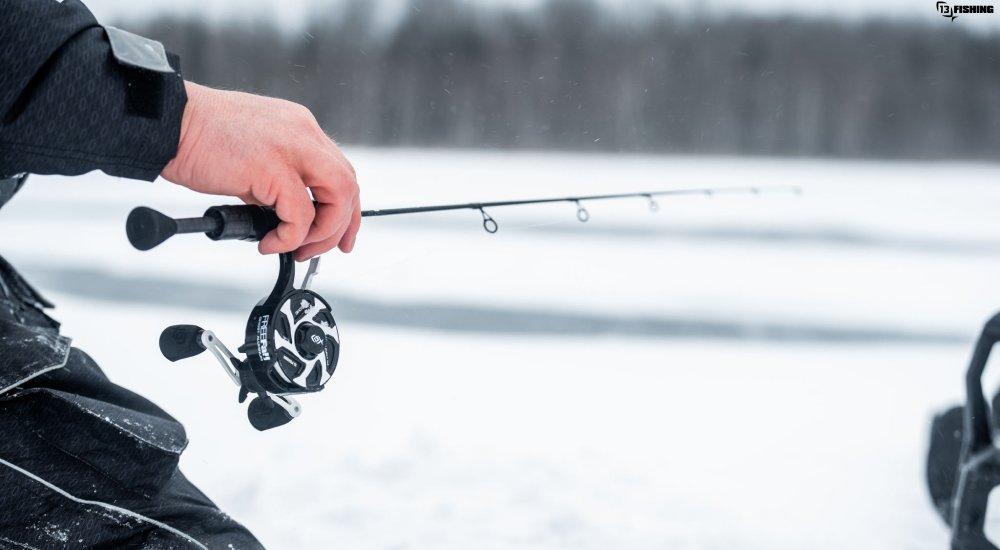
Set the drag on your reel to control the line tension. The drag helps prevent the line from breaking when a fish pulls hard.
Adjust the drag so it is firm but not too tight. Test it by pulling the line with your hand. The line should pull out smoothly with some resistance.
- Turn the drag knob clockwise to tighten
- Turn the knob counterclockwise to loosen
- Test drag tension before fishing
Credit: www.scheels.com
Selecting The Right Bait And Lures
Choosing the right bait and lures is key to successful ice fishing. Different fish prefer different types of bait.
Understanding your options helps you catch more fish during your ice fishing trip.
Live Bait Options
Live bait works well because it moves naturally in the water. This movement attracts fish easily.
Common live baits include minnows, waxworms, and maggots. They are easy to find and use.
- Minnows:Small fish that many species like to eat.
- Waxworms:Larvae that are soft and smell good to fish.
- Maggots:Small fly larvae that attract many fish.
Artificial Lures
Artificial lures copy the look and movement of real bait. They can be used over and over.
Common types include jigs, spoons, and soft plastics. Each works in different ways.
- Jigs:Small weighted lures that bounce on the bottom.
- Spoons:Shiny lures that flash and move like fish.
- Soft Plastics:Flexible lures that look like worms or small fish.
Matching Bait To Target Species
Different fish prefer different bait types. Pick bait that your target species likes.
Here are some common fish and their preferred baits for ice fishing.
| Fish Species | Preferred Bait |
|---|---|
| Walleye | Live minnows, jigs |
| Panfish (Bluegill, Crappie) | Waxworms, small jigs |
| Northern Pike | Spoons, large soft plastics |
| Trout | Maggots, small spoons |
Techniques For Using Your Ice Fishing Rod
Using an ice fishing rod takes some practice. You need to know how to cast, watch for bites, and set the hook.
These techniques will help you catch fish through the ice more easily and enjoy your time on the ice.
Casting And Dropping The Line
Start by cutting a hole in the ice. Then, drop your line straight down into the water below. Avoid swinging the rod too much.
Keep the line tight but not too tight. This helps you feel any movement or bites from fish below the ice.
- Use smooth, controlled movements to drop the line.
- Watch the line carefully as it sinks.
- Adjust the depth to where fish might be swimming.
Detecting Bites
Pay close attention to your rod tip. Small twitches or taps can mean a fish is interested.
Sometimes, the line may move slightly or the rod may bend. This is a good sign that a fish is nibbling.
- Hold the rod steady and watch for small movements.
- Listen for any unusual sounds from your reel or line.
- Be patient but ready to act quickly.
Setting The Hook
When you feel a strong pull or see the rod bend sharply, it’s time to set the hook. Pull the rod upward firmly.
A quick, confident motion helps secure the hook in the fish’s mouth. Avoid jerky or slow movements.
- Lift the rod tip swiftly to set the hook.
- Keep the line tight to prevent the fish from escaping.
- Prepare to reel in the fish smoothly after setting the hook.
Maintaining And Storing Your Rod
Keeping your ice fishing rod in good shape helps it last longer. Proper care after each use prevents damage. Storing it correctly protects the rod from wear.
Read these tips to clean, store, and fix common problems with your ice fishing rod.
Cleaning After Use
After fishing, clean your rod to remove dirt and moisture. Use a soft cloth and warm water for cleaning. Avoid harsh chemicals that can damage the rod’s finish.
- Rinse the rod with fresh water to remove salt and dirt.
- Dry the rod completely using a soft towel.
- Check guides and reel seat for any residue or debris.
- Apply a small amount of lubricant to the reel seat if needed.
- Store the rod only after it is fully dry to prevent rust.
Proper Storage Tips
Store your ice fishing rod in a cool, dry place away from direct sunlight. Avoid leaning it against walls which can cause warping. Use a rod rack or holder for support.
| Storage Method | Benefit |
| Rod rack | Prevents bending and damage |
| Rod sock or case | Protects from dust and scratches |
| Vertical storage | Helps keep rod straight |
| Climate-controlled area | Prevents moisture buildup |
Troubleshooting Common Issues
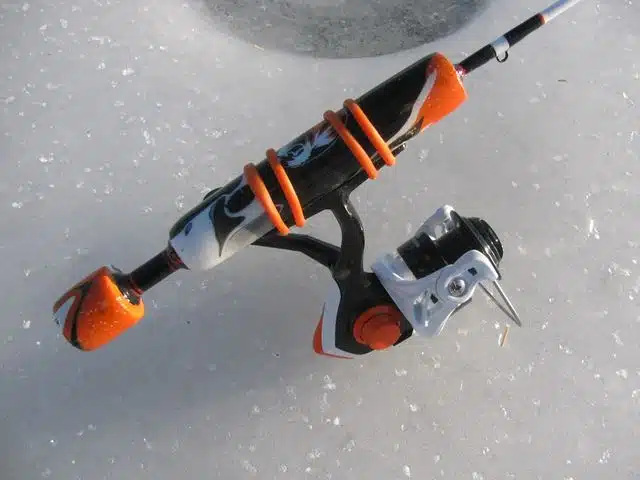
Common problems include loose guides, reel seat issues, and rod blank cracks. Fixing these early keeps your rod ready for the next trip.
- Loose guides: Tighten or replace with the right tools.
- Sticky reel seat: Clean and lubricate to ensure smooth operation.
- Rod blank cracks: Inspect carefully; replace the rod if cracks are deep.
- Line tangles: Check guides for damage and clear obstructions.
Credit: anglersresource.net
Frequently Asked Questions
What Equipment Is Needed To Set Up An Ice Fishing Rod?
You need a short rod, reel, line, hooks, and bait. Also, an ice auger to drill holes and a rod holder help. Proper gear ensures a successful ice fishing experience.
How Do I Choose The Right Line For Ice Fishing?
Select a low-temperature, braided or fluorocarbon line. These lines resist cold and have low memory. This choice improves sensitivity and durability on ice.
What Is The Best Way To Rig An Ice Fishing Rod?
Attach a small jig or lure with a suitable leader line. Use a bobber or tip-up for bite detection. Proper rigging attracts fish efficiently.
How Do I Maintain Sensitivity On An Ice Fishing Rod?
Keep the line taut and use light tackle. Watch the rod tip closely for movement. Sensitivity helps detect subtle bites under the ice.
Conclusion
Setting up your ice fishing rod is simple with the right steps. Start with choosing the correct rod and reel. Then, string the line carefully through the guides. Attach your preferred lure or bait securely. Adjust the drag to suit the fish you aim to catch.
Check your setup before heading out onto the ice. Practice makes perfect, so try different techniques. Enjoy the thrill of ice fishing with confidence. Your rod is ready. Now, it’s time to catch those fish and have fun on the ice.
Happy fishing!