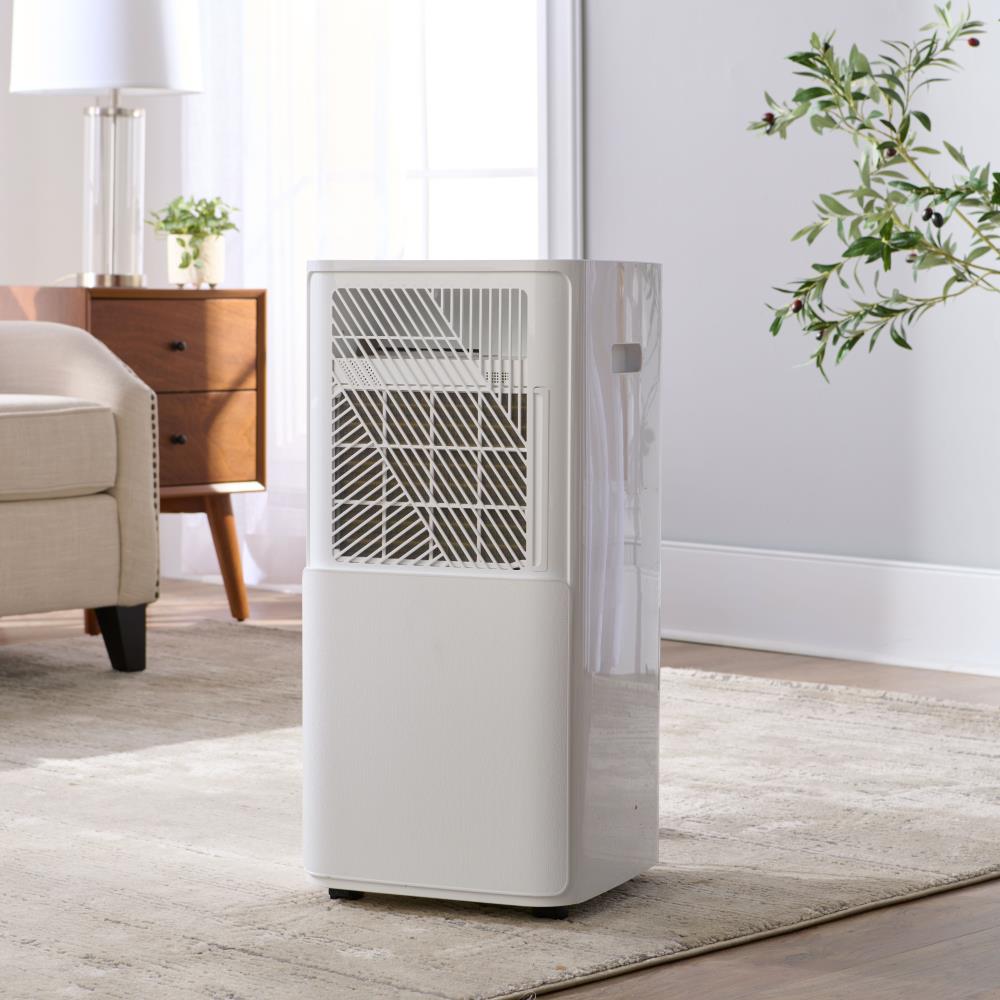
Are you tired of sweating through hot days and searching for a simple way to cool your space? You might have heard about ventless portable air conditioners and wondered, “Do they really work?”
It’s a question that matters because choosing the right cooling solution can save you money, space, and frustration. You’ll discover how ventless portable air conditioners perform, what to expect, and whether they’re the right fit for your home or office.
Keep reading to find out if this cooling option can truly beat the heat for you.

Credit: www.hammacher.com
How Ventless Portable Acs Operate
Ventless portable air conditioners cool rooms without needing a vent or hose. They are different from traditional units that push hot air outside.
These units use special methods to lower temperature and remove some moisture. Understanding their operation helps know if they work well for your space.
Basic Cooling Mechanism
Ventless portable ACs mainly cool by using water evaporation or absorption. They pull warm air inside and cool it down before releasing it back.
Some models use a fan to blow air through wet filters. The air loses heat as water evaporates, making it feel cooler in the room.
- Air is drawn into the unit
- Air passes through moist pads or filters
- Water evaporates, cooling the air
- Cooled air blows back into the room
- Some moisture stays in the air, increasing humidity
Differences From Vented Units
Vented portable ACs remove hot air outside through a hose or duct. Ventless units do not have this feature and do not expel heat outdoors.
Without venting, heat stays inside the room. Ventless units cool air by adding moisture, which can raise humidity and reduce comfort in some cases.
- Vented ACs remove hot air outside
- Ventless ACs recycle air inside the room
- Vented units control humidity better
- Ventless units add moisture to air
- Vented ACs usually cool more effectively

Credit: northnjhvac.com
Common Myths About Ventless Acs
Ventless portable air conditioners are often misunderstood. Many believe they cool rooms like traditional ACs. This is not always true.
Let’s explore some common myths about ventless ACs. We will look at cooling efficiency and energy use.
Cooling Efficiency Misconceptions
Some think ventless ACs cool a room as well as vented units. Ventless models usually work by evaporating water to lower air temperature. This method works best in dry climates but is less effective in humid areas.
- Ventless ACs do not remove hot air from a room.
- They cool by adding moisture, which can raise humidity.
- They work well in small spaces but struggle in large rooms.
- Expect less powerful cooling compared to vented ACs.
Energy Consumption Myths
Many believe ventless ACs save more energy than vented ones. This is not always the case. Some models use more electricity because they run water pumps and fans constantly.
| Myth | Fact |
| Ventless ACs use less energy. | They can use similar or more energy depending on the model. |
| They cool rooms without extra power. | Running water pumps and fans adds to power use. |
| They reduce electricity bills significantly. | Energy savings vary and depend on usage and climate. |
Pros Of Ventless Portable Air Conditioners
Ventless portable air conditioners cool rooms without needing a window vent. They use water or refrigerant to lower temperature. These units are popular for small spaces and easy use.
These air conditioners offer several benefits. They can fit many needs and spaces. Let’s look at some key advantages.
Portability And Convenience
Ventless portable air conditioners are light and easy to move. You can carry them from room to room. They do not need heavy setup or fixed installation.
This makes them good for renters or people who move often. You can use them only when needed and store them away easily.
- Lightweight design for easy carrying
- No permanent installation required
- Can be stored when not in use
- Use in different rooms as needed
Installation Flexibility
Ventless models do not need a window or vent pipe. You can place them almost anywhere in a room. This gives more options to fit your space.
They work well in apartments, offices, or rooms without easy vent access. You only need a power outlet to run them.
- Works without window or vent
- Fits rooms with limited vent access
- Requires only a power source
- Easy to set up quickly

Credit: www.hammacher.com
Cons And Limitations
Ventless portable air conditioners have some clear downsides. They do not work like traditional AC units. This limits their use in certain spaces and situations.
Understanding these limits helps you decide if this type of cooling fits your needs. Two main issues are cooling capacity and moisture control.
Cooling Capacity Challenges
Ventless units often struggle to cool large rooms effectively. They use water evaporation or absorb heat in small areas. This means they have lower cooling power than standard air conditioners.
- Best for small rooms or personal spaces
- Not suitable for open floor plans or large rooms
- Can feel less cool on very hot days
- May require close proximity to the user
Moisture And Humidity Issues
Ventless portable ACs often add moisture to the air. This happens because they cool by evaporating water or do not vent hot air outside. Excess humidity can cause discomfort and other problems.
| Problem | Effect |
| Increased humidity | Feels sticky and warm inside |
| Condensation buildup | Can damage walls or furniture |
| Mold growth risk | Health hazards and bad odors |
| Reduced cooling efficiency | Unit must work harder |
Best Use Cases For Ventless Acs
Ventless portable air conditioners cool without needing a vent or hose. They work by using water or ice to lower air temperature. These units are different from traditional ACs that push hot air outside.
Ventless ACs have limits but can be useful in certain situations. This guide covers the best places to use them for cooling.
Small Spaces
Ventless ACs work well in small rooms or tight spaces. They can cool areas where a window or vent is not available. These units are compact and easy to move around.
They fit well in bedrooms, small offices, or dorm rooms. The limited cooling power matches the size of these spaces.
- Bedrooms under 150 square feet
- Small home offices
- Dorm rooms without AC vents
- Tiny apartments or studio rooms
Temporary Cooling
Ventless ACs are good for short-term use. They cool well during heat waves or when other ACs break down. You can move them easily to different rooms as needed.
They work great for events, camping in cabins, or temporary housing. Just add water or ice to get instant cooling.
- Cooling during power outages (with generator)
- Temporary rooms or rental spaces
- Outdoor covered areas or patios
- Travel cabins or RVs without vents
Supplemental Cooling Options
Ventless ACs can support your main cooling system. They add extra cool air to hot spots or rooms not reached by central AC.
You can use them with fans or dehumidifiers to improve comfort. They help reduce heat without changing your entire cooling setup.
- Extra cooling in rooms with poor airflow
- Additional relief in very hot areas
- Combine with fans for better air circulation
- Use with dehumidifiers to reduce moisture
Energy Efficiency And Cost Considerations
Ventless portable air conditioners offer cooling without a vent hose. This design affects their energy use and costs. Understanding these factors helps decide if they suit your needs.
We will explore how much electricity these units use and what expenses you may face over time.
Electricity Usage
Ventless portable air conditioners use electricity to cool air and remove moisture. They often recycle indoor air, which can raise room humidity and affect comfort.
- They tend to use less power than traditional air conditioners.
- Energy efficiency depends on the model and room size.
- Some models include energy-saving modes.
- Higher humidity may require extra fans or dehumidifiers.
- Running time impacts overall electricity consumption.
Long-term Expenses
Costs add up beyond the initial price. Maintenance, electricity bills, and possible repairs affect your budget over time.
| Expense Type | Details | Impact |
|---|---|---|
| Initial Purchase | Price of the unit | One-time cost |
| Electricity Bills | Power used during operation | Ongoing monthly cost |
| Maintenance | Cleaning filters and parts | Low to moderate cost |
| Repairs | Fixing mechanical issues | Variable cost |
| Additional Equipment | Fans or dehumidifiers if needed | Extra cost |
Alternatives To Ventless Portable Air Conditioners
Ventless portable air conditioners cool rooms without needing a vent. They use water or other methods to lower temperature.
These units can be less effective for large spaces. There are other options that cool better and save energy.
Window Units
Window air conditioners fit inside a window frame. They blow hot air outside and cool air inside.
These units are good for small to medium rooms. They use less energy than ventless portable units.
- Easy to install in most windows
- Remove in winter to save space
- Cool rooms quickly and efficiently
- Require proper sealing to avoid leaks
Ductless Mini-splits
Ductless mini-splits have an indoor unit and an outdoor compressor. They cool air without ductwork.
These systems work well for homes without ducts. They save energy and provide consistent cooling.
- Quiet operation inside the room
- Control temperature in different rooms
- More expensive but energy efficient
- Professional installation is recommended
Tips For Maximizing Ventless Ac Performance
Ventless portable air conditioners cool rooms without needing an exhaust vent. They work best with the right setup and care. Small changes can improve how well they cool your space.
Read these tips to place and maintain your ventless AC for better results and longer use.
Proper Placement
Where you put your ventless AC affects its cooling power. It should be in a place with good airflow. Avoid placing it near heat sources or direct sunlight.
- Keep the AC near the center of the room for even cooling.
- Do not block the air intake or outlet vents.
- Place the unit on a flat, stable surface to prevent tipping.
- Ensure windows and doors are closed to keep cool air inside.
Maintenance Practices
Regular care keeps your ventless AC running well. Clean and check parts often to avoid problems and improve cooling.
| Maintenance Task | Frequency |
| Clean air filter | Every 2 weeks |
| Empty water tank | Daily or when full |
| Check for leaks | Monthly |
| Wipe exterior surfaces | Weekly |
Frequently Asked Questions
How Do Ventless Portable Air Conditioners Work?
Ventless portable air conditioners cool by using water evaporation or absorption. They don’t expel hot air outside. This makes them easy to install but less effective in very hot conditions.
Are Ventless Portable Acs Energy Efficient?
Yes, ventless portable ACs generally use less energy. They cool smaller spaces and avoid power-heavy compressors. However, their cooling power is limited compared to vented units.
Can Ventless Portable Acs Cool Large Rooms Effectively?
No, ventless portable ACs are best for small to medium rooms. They lack the capacity to cool large spaces efficiently or consistently.
Do Ventless Portable Air Conditioners Increase Indoor Humidity?
Yes, many ventless models add moisture to the air. This can be beneficial in dry climates but problematic in humid areas, causing discomfort.
Conclusion
Ventless portable air conditioners offer convenience and flexibility. They work well in small spaces. These units provide relief without complex installation. Easy to move and set up. Not as powerful as traditional ACs. They suit mild climates and temporary cooling needs.
Energy-efficient and budget-friendly. Consider room size and ventilation. Understand their limitations before buying. Perfect for quick cooling solutions. Ideal for renters and small apartments. Choose wisely based on your needs. Ventless ACs can be a practical choice. Make sure they fit your cooling requirements.