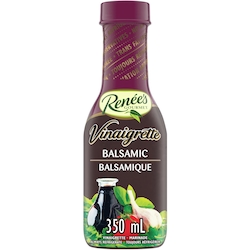
Have you ever stood in front of your pantry, hesitating over whether to put that bottle of balsamic vinegar in the fridge? You’re not alone.
With so many kitchen tips and tricks floating around, it’s easy to get confused about the right way to store certain items. Understanding how to properly store balsamic vinegar can not only preserve its rich, tangy flavor but also save you from wasting money and time.
Imagine every drizzle of this luxurious liquid enhancing your meals to perfection. Curious to find out whether your balsamic vinegar belongs in the refrigerator or not? Read on, because the answer might just surprise you!
Balsamic Vinegar Basics
Balsamic vinegar is a pantry staple for many home cooks and food lovers. Its rich flavor and versatility make it a favorite for adding depth to dishes. But before you decide whether to refrigerate it or not, it’s important to understand what balsamic vinegar really is and the different types you might encounter.
Types Of Balsamic Vinegar
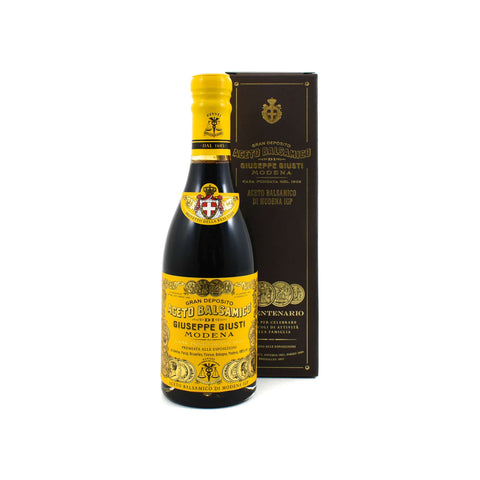
Balsamic vinegar comes in various forms, each with unique qualities. Traditional balsamic vinegar, aged for many years, is thick, sweet, and complex. It’s often used sparingly to enhance dishes.
Then there’s commercial-grade balsamic vinegar, which is more affordable and younger. It tends to be thinner and less sweet but still adds a tangy kick to your meals.
Some balsamic vinegars are infused with flavors like fig or cherry, perfect for creative cooking or dressings. Knowing the type you have helps you decide how to store and use it.
Common Uses In Cooking
Balsamic vinegar shines in many dishes beyond salad dressings. You can add a splash to roasted vegetables to bring out their natural sweetness. It’s also excellent when drizzled over grilled meats or fresh strawberries.
Many people use it to balance flavors in sauces and marinades. Have you ever tried reducing balsamic vinegar to a syrup? It creates a rich glaze that elevates simple dishes.
Because balsamic vinegar is so versatile, keeping it fresh matters. How you store it can affect the taste and quality you get each time you cook.

Credit: www.souschef.co.uk
Storage Myths
Many people have strong opinions about how to store balsamic vinegar. Some swear by refrigeration, while others keep it on the kitchen counter. But which approach is really best? Let’s clear up some common storage myths and help you get the most out of your balsamic vinegar.
Does Balsamic Vinegar Need Refrigeration?
You might wonder if balsamic vinegar belongs in the fridge like other condiments. The truth is, it doesn’t need refrigeration to stay fresh. Balsamic vinegar is naturally acidic, which prevents harmful bacteria from growing.
Keeping it in a cool, dark place away from direct sunlight is usually enough. A pantry or cupboard works well. Storing it in the fridge won’t harm the vinegar, but it can cause the liquid to thicken or develop sediment, which is harmless but sometimes off-putting.
How Storage Affects Flavor
Have you noticed a change in your balsamic vinegar’s taste after storing it a certain way? Temperature and exposure to light can subtly alter its flavor over time. Heat and sunlight can degrade the vinegar’s quality, making it less vibrant and smooth.
On the other hand, refrigeration can slow down these changes but might mute the vinegar’s aroma and sweetness. If you prefer a more pronounced flavor, keeping the bottle at room temperature is better. Just make sure the cap is tightly closed to prevent air from dulling the taste.
What’s your experience with storing balsamic vinegar? Have you noticed differences in flavor or texture based on where you keep it? Experiment with your storage spots and see what works best for your palate.
Best Practices For Storing
Properly storing your balsamic vinegar is key to preserving its rich flavor and aroma over time. Understanding the best conditions and containers can make a noticeable difference in how long your vinegar stays fresh and enjoyable. Let’s look at some practical ways to keep your balsamic vinegar at its best.
Ideal Temperature And Environment
Keep your balsamic vinegar in a cool, dark place away from heat and direct sunlight. A pantry or a kitchen cabinet away from the stove or oven works well. Temperatures between 60°F and 75°F (15°C to 24°C) help maintain its quality without causing it to deteriorate.
Have you noticed how vinegar stored near a window loses flavor faster? Light and heat speed up chemical changes that dull the vinegar’s taste. Avoid places with temperature fluctuations, like near the dishwasher or refrigerator door.
Choosing The Right Container
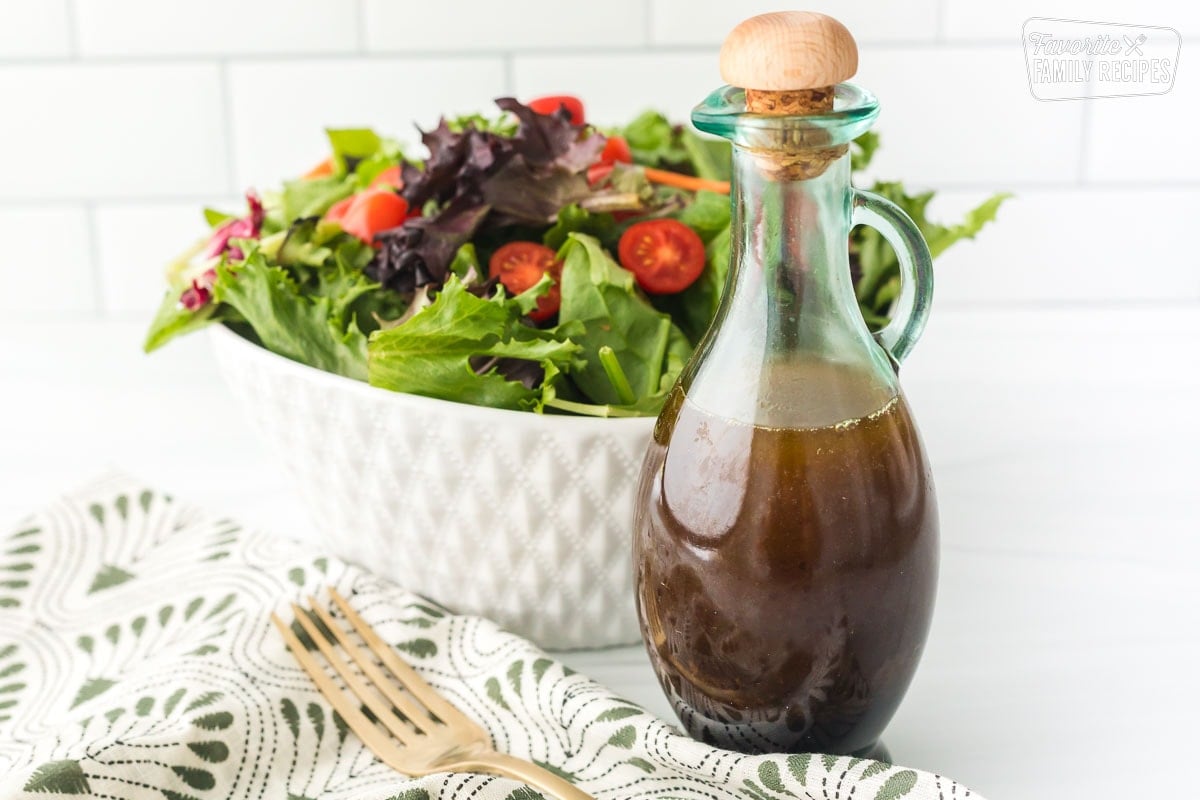
Use a tightly sealed glass bottle to store balsamic vinegar. Glass is non-reactive and won’t alter the vinegar’s taste like some plastics can. If your original bottle is glass with a secure cap, it’s best to keep using it.
Think about the bottle’s size too. Smaller bottles reduce air exposure after opening, which helps retain flavor. If you buy vinegar in bulk, consider transferring some into a smaller bottle for daily use.
Credit: www.favfamilyrecipes.com
Signs Of Spoiled Balsamic Vinegar
Balsamic vinegar is known for its rich flavor and long shelf life. However, it can spoil over time. Knowing the signs of spoiled balsamic vinegar helps avoid bad taste and possible health risks. Spotting these signs early keeps your dishes fresh and delicious.
Changes In Smell And Taste
Fresh balsamic vinegar has a sweet and tangy aroma. A sour or off smell signals spoilage. The taste may turn bitter or overly sharp. If the vinegar tastes strange or unpleasant, it is likely spoiled. Trust your senses when checking balsamic vinegar.
Visual Indicators
Look for cloudiness or sediment inside the bottle. Some sediment is normal, but a thick, murky layer is a warning. Dark spots or mold on the surface mean the vinegar has gone bad. Also, changes in color to a dull, faded shade can indicate spoilage. Always inspect balsamic vinegar before use.
Extending Shelf Life
Balsamic vinegar has a long shelf life, but proper storage can extend it even more. Keeping it fresh ensures the flavor stays rich and balanced. Understanding how to store balsamic vinegar prevents spoilage and maintains its quality over time.
Tips To Keep Vinegar Fresh Longer
- Store in a cool, dark place away from sunlight.
- Keep the bottle tightly sealed after each use.
- Use a glass or food-safe container to avoid chemical reactions.
- Avoid storing near heat sources like stoves or ovens.
- Do not refrigerate unless recommended by the manufacturer.
Common Storage Mistakes To Avoid
- Leaving the cap open or loose.
- Exposing vinegar to direct sunlight or heat.
- Using plastic containers that can affect flavor.
- Storing near strong-smelling foods which can alter taste.
- Refrigerating balsamic vinegar unnecessarily, causing cloudiness.
Credit: www.souschef.co.uk
Frequently Asked Questions
Should You Refrigerate Balsamic Vinegar After Opening?
No, balsamic vinegar does not need refrigeration. Store it in a cool, dark place away from direct sunlight. This keeps its flavor intact for a long time.
How Long Does Balsamic Vinegar Last Unopened?
Unopened balsamic vinegar can last up to 3 to 5 years. Its high acidity preserves it well without refrigeration.
Can Refrigeration Affect Balsamic Vinegar’s Flavor?
Refrigeration may thicken balsamic vinegar and mute its flavor. Room temperature storage preserves its rich, complex taste best.
What Is The Best Way To Store Balsamic Vinegar?
Store balsamic vinegar in a sealed bottle at room temperature. Keep it away from heat and sunlight to maintain quality.
Conclusion
Balsamic vinegar stays fresh best at room temperature. Keep it away from heat and sunlight. Refrigeration can change its flavor and thickness. Store it in a cool, dark place instead. Use a sealed bottle to keep air out. This helps maintain its rich taste longer.
Enjoy your balsamic vinegar in salads and dishes. Simple care keeps your vinegar delicious and ready to use.