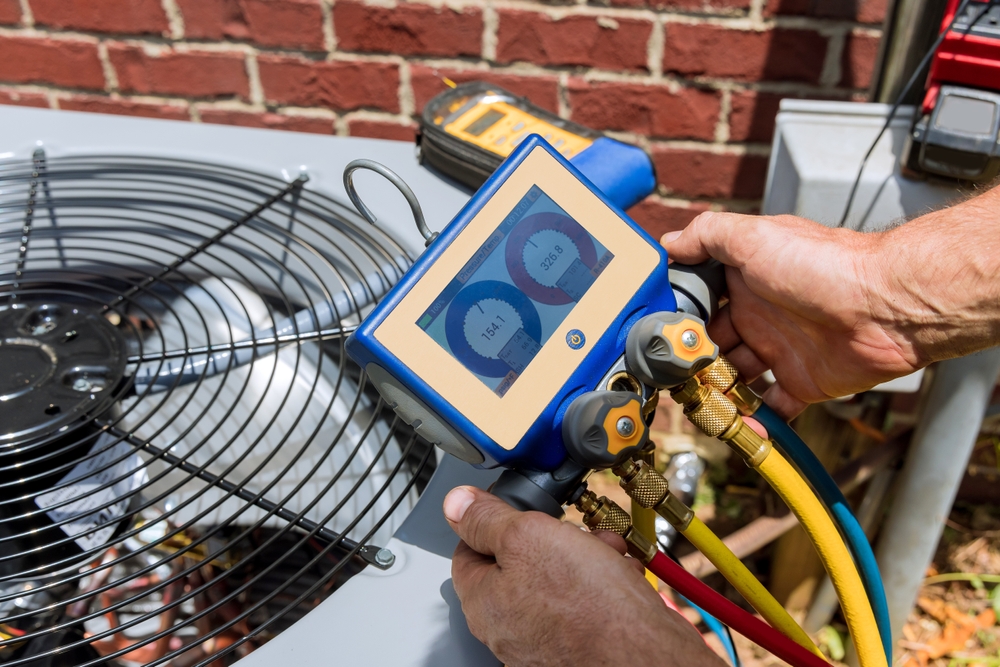
Have you ever noticed an unusual smell coming from your air conditioner and wondered if it might be the refrigerant? You’re not alone.
Many homeowners are curious about whether AC refrigerant has a distinct odor and what it might mean for their system’s health. This curiosity might even come from a slight worry—after all, your AC is crucial for comfort, especially during those sweltering summer months.
By understanding the characteristics of AC refrigerant, you can better detect potential issues and ensure your cooling system is running safely and efficiently. Stick with us as we unravel the mystery of AC refrigerant smells and provide you with tips to maintain a healthy and odor-free home environment.
Credit: airaceheatingandcooling.com
What Ac Refrigerants Are Made Of
Understanding what AC refrigerants are made of is key to knowing why some have distinct smells while others don’t. Refrigerants are special chemicals designed to absorb and release heat efficiently in your air conditioning system. Their chemical makeup influences not only their cooling power but also their safety and environmental impact.
Common Types Of Ac Refrigerants
Most air conditioners use a few main types of refrigerants. These include:
- R-22 (Freon): Once very popular, this refrigerant is being phased out due to environmental concerns.
- R-410A: A newer, more eco-friendly refrigerant found in many modern units.
- R-134a: Often used in automotive AC systems and some home appliances.
Each type has a unique chemical formula that affects its smell and performance.
Chemical Composition And Smell
AC refrigerants are mostly made of fluorinated hydrocarbons or chlorofluorocarbons (CFCs). These compounds generally have very little odor, which makes leaks hard to detect by smell alone. However, when refrigerants break down under high heat or in contact with certain materials, they may produce a faint chemical smell.
Have you ever noticed a slightly sweet or sharp scent near your AC? That could be a sign of refrigerant leakage or system issues.
Environmental And Safety Considerations
Many older refrigerants, like R-22, contain chlorine, which harms the ozone layer. Newer options like R-410A avoid chlorine but still require careful handling because of toxicity risks. Knowing what your refrigerant is made of helps you understand the safety precautions needed around your AC unit.
Do you know what type of refrigerant your AC uses? It’s worth checking to ensure you manage your system safely and efficiently.
Common Types Of Refrigerants
Refrigerants play a key role in air conditioning systems. Different types exist, each with unique properties. Knowing common refrigerants helps understand their smells and safety.
R-22 (chlorodifluoromethane)
R-22 was popular in older AC units. It has a faint, sweet smell if leaked. This refrigerant harms the ozone layer. Many countries have phased out R-22.
R-410a (puron)
R-410A is common in modern systems. It has little to no odor. It is more efficient and safer for the environment than R-22. R-410A is a blend of two refrigerants.
R-134a (tetrafluoroethane)
R-134a is used in car ACs and refrigerators. It has a slight chemical smell. This refrigerant is less harmful to the ozone layer. It is being replaced by newer options.
R-32 (difluoromethane)
R-32 is gaining popularity in new AC models. It has a mild ether-like smell. It offers better energy efficiency. R-32 has lower global warming potential.
Natural Refrigerants (ammonia, Co2)
Some systems use natural refrigerants like ammonia or carbon dioxide. Ammonia has a strong, sharp smell. CO2 has no smell but is under high pressure. Natural refrigerants are eco-friendly but require special handling.
Do Refrigerants Have A Smell
Refrigerants are chemicals used in air conditioning systems to cool the air. Many wonder if these substances have a smell. Knowing this helps detect leaks or issues early. Let’s explore whether refrigerants have a scent and what it might be like.
Types Of Refrigerants And Their Smells
Most refrigerants are colorless and odorless. Some newer types have a mild chemical smell. Older refrigerants can emit a sweet or ether-like scent. The smell varies depending on the refrigerant’s chemical makeup.
Can You Detect A Refrigerant Leak By Smell?
Leaks often release refrigerants in small amounts. The smell may be faint or hard to notice. Some refrigerants include additives that produce a noticeable odor. This helps in finding leaks quickly and safely.
Safety Concerns With Refrigerant Smells
Refrigerants can be harmful if inhaled in large amounts. A strange smell near your AC might mean a leak. Avoid breathing in the gas and call a professional immediately. Proper handling and detection keep you safe.
How Professionals Identify Refrigerant Smells
Technicians use special tools to detect leaks. These tools sense the refrigerant even if the smell is weak. Sometimes, they add a tracer gas with a strong scent. This makes leak detection easier and faster.
How To Detect Refrigerant Leaks
Detecting refrigerant leaks early can save you from costly repairs and keep your AC running efficiently. Refrigerants often escape quietly, so knowing how to spot these leaks is crucial. Let’s explore practical ways to identify if your system is losing refrigerant.
Signs You Can Smell
Some refrigerants have a distinct chemical odor, often described as sweet or ether-like. If you notice an unusual smell near your AC unit, it might be a sign of a leak. However, not all refrigerants have a strong scent, so don’t rely solely on smell to detect leaks.
Other signs include:
- Hissing sounds near the AC unit
- Reduced cooling performance
- Ice buildup on the evaporator coil
Have you ever caught a strange smell near your AC and wondered if it was something serious? Paying attention to these subtle clues can make a big difference.
Using Leak Detectors
Electronic leak detectors are handy tools for finding refrigerant leaks that you can’t smell or see. These devices sense refrigerant gases in the air and alert you with a sound or light. They work best when you move them slowly around the AC components, especially near joints and hoses.
Some common types include:
- Halide torch detectors
- Ultraviolet (UV) dye detectors
- Electronic sensors
If you have a DIY spirit, investing in a leak detector can help you catch problems early. But remember, these tools require some practice to use effectively.
Professional Inspection
Sometimes, leaks hide in places that are tough to access or detect. A professional HVAC technician has specialized tools and experience to find and fix leaks accurately. They can perform pressure tests and use advanced leak detection methods that are not available to most homeowners.
Scheduling regular inspections can prevent small leaks from turning into major issues. Have you considered how much smoother your AC would run with a thorough professional checkup?
Health Risks From Refrigerant Exposure
Exposure to AC refrigerants can pose serious health risks, even if you don’t notice any smell. These chemicals often escape unnoticed during maintenance or leaks, putting you in harm’s way without warning. Understanding both the short term and long term effects helps you protect yourself and your loved ones from potential harm.
Short Term Effects
Breathing in refrigerants can quickly affect your body, often within minutes. You might experience dizziness, headaches, or nausea. Some people feel a burning sensation in their throat or eyes.
If you’ve ever felt lightheaded around a leaking AC unit, this is why. In high amounts, refrigerants can cause confusion or difficulty breathing. These symptoms shouldn’t be ignored—they mean your body is reacting to harmful chemicals.
Long Term Effects
Repeated or prolonged exposure to refrigerants can lead to more serious health issues. Damage to your nervous system is a real risk, causing memory problems or lack of coordination over time. Some refrigerants may also harm your liver or kidneys.
Think about the people who work regularly with AC systems. Without proper safety gear, their long-term health can be compromised. Are you taking the necessary precautions when handling or near refrigerants?
Credit: subzerotempcontrol.com
Safety Tips For Handling Refrigerants
Handling refrigerants safely is very important. These chemicals can be harmful if not treated with care. Knowing the right safety tips helps protect your health and the environment.
Refrigerants may leak or cause skin and eye irritation. Proper precautions reduce these risks. Always follow safety rules when working with AC refrigerants.
Wear Protective Gear
Use gloves to protect your hands from cold burns and chemical contact. Wear safety goggles to shield your eyes from splashes. Long sleeves and pants help protect your skin.
Work In A Well-ventilated Area
Good airflow prevents the buildup of harmful gases. Open windows or use fans to keep air moving. Avoid confined spaces to reduce inhalation risks.
Use Proper Tools And Equipment
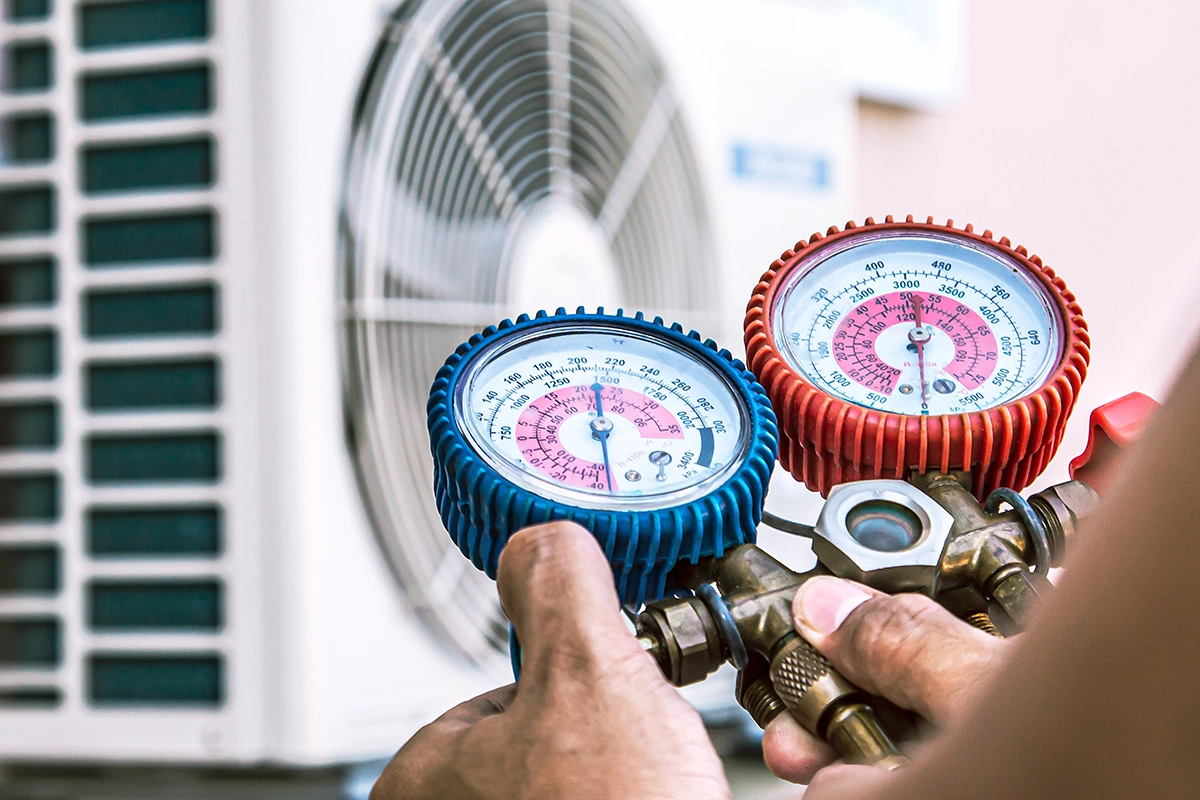
Use gauges and hoses designed for refrigerants. Check for leaks before starting work. Avoid using damaged or worn-out tools to prevent accidents.
Handle Refrigerants Carefully
Do not release refrigerants into the air. Follow local laws for disposal and recycling. Store refrigerants in approved containers away from heat sources.
Know Emergency Procedures
Have a first aid kit nearby. Know how to respond to refrigerant leaks or spills. Call emergency services if someone breathes in large amounts of refrigerant.
When To Call A Professional
Knowing when to call a professional for your AC refrigerant issues is crucial. Refrigerant leaks or smells might indicate serious problems. Handling refrigerants without proper tools or knowledge can be dangerous. Trained technicians have the right equipment and expertise to diagnose and fix these issues safely. Early professional help can prevent bigger repairs and keep your home safe.
Signs Of A Refrigerant Leak
A strong chemical smell near your AC unit may mean a refrigerant leak. Watch for unusual odors that seem oily or sweet. Also, notice if your AC is not cooling as well as before. These signs suggest a problem beyond simple cleaning or filter replacement.
Refrigerants can cause headaches, dizziness, or nausea. Prolonged exposure may lead to breathing problems. Avoid touching or smelling refrigerant directly. If you experience symptoms, leave the area and get professional help immediately.
Complex Repairs Require Special Tools
Fixing refrigerant leaks needs special tools for safe handling. Professionals use gauges and detectors to find and fix leaks. They also recharge the system with the correct amount of refrigerant. DIY attempts can cause more damage or harm.
Legal And Environmental Considerations
Refrigerants are regulated due to their impact on the environment. Improper handling can lead to legal fines. Licensed technicians follow strict rules to protect the environment. Calling a professional ensures compliance with these laws.

Credit: www.reddit.com
Frequently Asked Questions
Does Ac Refrigerant Have A Distinct Smell?
AC refrigerants are generally odorless. However, some leaks may emit a faint chemical or sweet smell. This helps in detecting leaks early and preventing system damage.
Can You Smell A Refrigerant Leak In Ac?
Yes, a refrigerant leak can sometimes be detected by a slight chemical odor. If you notice this smell, inspect the AC system promptly for leaks.
Is Refrigerant Smell Harmful To Humans?
Refrigerant smells can be harmful in high concentrations. Prolonged exposure may cause dizziness, headaches, or respiratory issues. Always ensure proper ventilation if a leak is suspected.
How To Detect Ac Refrigerant Leaks By Smell?
A sweet or chemical odor near the AC unit may indicate a refrigerant leak. Use this smell cue to check for leaks and call a professional if needed.
Conclusion
AC refrigerant usually has little to no smell. If you notice a strong or unusual odor, it might signal a leak or problem. Breathing in refrigerant fumes can be harmful. Always get your AC checked by a professional if you detect strange smells.
Keeping your system well-maintained helps it work better and last longer. Stay alert to any changes in smell to protect your home and health. Simple care goes a long way in avoiding costly repairs.