Have you ever wondered why some dishwashing liquids feel thicker or heavier than others when you pour them out of the bottle? The secret lies in a concept known as density.
Understanding the density of dishwashing liquid might not seem crucial at first glance, but it can actually impact how effectively you clean your dishes and how much product you use. By knowing this, you can make smarter choices, save money, and even help the environment.
Ready to discover how the density of your dishwashing liquid can transform your kitchen routine? Let’s dive in and explore this often overlooked yet fascinating aspect of your cleaning arsenal.

Credit: beyondhygiene.net
Dishwashing Liquid Basics
Understanding the basics of dishwashing liquid gives you more control over your cleaning routine. It’s not just about bubbles and scents; the density and ingredients play a crucial role in how effective and safe the liquid is for your dishes and skin. Have you ever wondered why some dish soaps feel thicker or lighter in your hand? Let’s break down what goes into these common household cleaners and their physical traits.
Common Ingredients
Dishwashing liquid usually contains a blend of surfactants, which help break down grease and grime. These surfactants are often combined with water, fragrances, and preservatives to keep the formula stable and pleasant to use.
- Surfactants:These are the main cleaning agents that lower water’s surface tension, making it easier to remove dirt.
- Water:Acts as the solvent, carrying other ingredients and influencing the product’s thickness.
- Fragrances and Colorants:Added for a fresh scent and appealing look.
- Preservatives:Keep the liquid from spoiling over time.
Each ingredient affects the liquid’s overall density and performance. For example, more surfactants typically mean a thicker, denser liquid. Have you noticed some brands feel slimier or more viscous? That’s due to their specific ingredient mix.
Physical Properties
Density is a key physical property of dishwashing liquid. It’s the measure of how much mass is packed into a given volume. A denser liquid will feel heavier and thicker in your hand, affecting how it spreads on your sponge or dishes.
Most dishwashing liquids have a density ranging from 1.0 to 1.1 grams per cubic centimeter, which is close to water but slightly heavier. This small difference is enough to influence how the soap behaves when mixed with water during washing.
Viscosity, or thickness, often correlates with density but isn’t the same. A liquid can be dense but still flow easily, or thick and sticky. Understanding these properties helps you pick the right product for your washing style—whether you prefer a quick rinse or a thorough scrub.

Credit: swish.ca
Density Defined
Density is an important property of dishwashing liquid. It tells us how much mass is packed into a given space. This helps understand the thickness and concentration of the liquid. Knowing density helps manufacturers make consistent products. It also guides users on how much liquid to use for cleaning.
How Density Is Measured
Density is measured by dividing mass by volume. First, the mass of the dishwashing liquid is weighed using a precise scale. Then, the volume is measured, often in a graduated cylinder. The formula used is:
| Density | = | Mass ÷ Volume |
This calculation gives a clear idea of how compact the liquid is. The process requires careful measurement to ensure accuracy.
Units Of Density
Density units show the amount of mass per unit volume. The most common units are:
- grams per milliliter (g/mL)
- kilograms per liter (kg/L)
- grams per cubic centimeter (g/cm³)
For dishwashing liquid, grams per milliliter is often used. This unit helps compare the density with water, which has a density of 1 g/mL. A higher density means the liquid is thicker than water.
Typical Density Range
Dishwashing liquid density varies but usually falls within a specific range. This range helps manufacturers balance cleaning power and ease of use. Understanding typical density values aids in comparing different products and their effectiveness. Density often affects how the liquid spreads and how much is needed per wash.
Variations By Brand
Different brands use unique formulas, causing density differences. Some brands have thicker liquids, while others are more watery. These variations depend on the ingredients and the target market. Thicker liquids often feel richer but may require more water to rinse.
Brand differences can also affect how the liquid behaves in hard or soft water. Some brands add agents to maintain consistency regardless of water type. This can influence the density slightly but keeps cleaning reliable.
Impact Of Concentration
Concentration directly changes dishwashing liquid density. Higher concentration means more cleaning agents per volume. This makes the liquid thicker and heavier. Concentrated liquids require smaller amounts for each use.
Lower concentration liquids are thinner and lighter. They spread more easily but may need more volume for effective cleaning. Understanding concentration helps users choose the right product for their needs and avoid waste.
Factors Affecting Density
Understanding the factors that affect the density of dishwashing liquid can help you better grasp why different brands and formulas behave uniquely. Density influences how the liquid pours, spreads, and cleans, which impacts your overall dishwashing experience. Let’s break down the key elements that play a role in changing the density of this common household product.
Temperature Effects
Temperature has a direct impact on the density of dishwashing liquid. As the temperature rises, the liquid tends to become less dense because the molecules move faster and spread apart.
Have you ever noticed how your soap feels thinner on a hot day? That’s temperature at work. Conversely, colder temperatures make the liquid thicker and more viscous, which can affect how easily it pours out of the bottle.
Keeping your dish soap at room temperature helps maintain a consistent density, but if you live somewhere with extreme weather, this variation might be more noticeable.
Additives And Formulations
The ingredients mixed into dishwashing liquid drastically change its density. Manufacturers add various detergents, thickeners, fragrances, and colorants to create unique formulas.
For instance, adding glycerin or certain polymers can make the soap thicker and denser, improving its ability to cling to dishes and cut through grease.
On the other hand, some eco-friendly or ultra-concentrated formulas might have fewer fillers, resulting in a lower density but a more potent cleaning action. This makes you wonder—does a denser soap always mean better cleaning power?
Why Density Matters
Density plays a key role in understanding dishwashing liquid. It affects how the liquid behaves and performs in daily use. Knowing the density helps in making better choices for both consumers and manufacturers.
Usage Efficiency
Density determines how much liquid you need for washing dishes. A thicker, denser liquid may require less quantity per wash. This saves money and reduces waste. Also, denser liquids often cling better to dishes, improving cleaning power. It makes washing faster and easier, especially for tough grease.
Packaging And Shipping
Density affects the weight of each bottle. Heavier liquids increase shipping costs and handling effort. Manufacturers consider density to choose the right packaging size and material. Proper packaging reduces spills and leaks during transport. It also helps in stacking and storing products efficiently.
Methods To Measure Density At Home
Measuring the density of dishwashing liquid at home is simple and requires basic tools. Density shows how heavy a liquid is compared to its size. You can find this by measuring the liquid’s mass and volume. This helps understand the thickness or concentration of the dishwashing liquid.
Several easy ways exist to measure density with common household items. These methods do not need special equipment. They give a good estimate of the liquid’s density.
Using A Scale And Graduated Cylinder
First, pour a known volume of dishwashing liquid into a graduated cylinder. Note the exact volume in milliliters (ml). Next, weigh the dishwashing liquid using a kitchen scale. Record the weight in grams (g). Calculate density by dividing the mass by the volume. The formula is density = mass ÷ volume. For example, if 50 ml weighs 60 g, density is 60 ÷ 50 = 1.2 g/ml.
This method is accurate and easy with simple tools. A clear graduated cylinder helps measure volume precisely. A digital kitchen scale shows weight clearly.
Other Diy Techniques
If no graduated cylinder is available, use a measuring cup marked in milliliters. Pour the dishwashing liquid carefully to avoid bubbles. Use a small container to weigh the liquid on the scale. Subtract the container’s weight from the total weight to get the liquid’s mass.
Another way is the water displacement method. Fill a container with water and note the level. Add dishwashing liquid and note the new level. The difference shows the liquid’s volume. Weigh the liquid and divide by this volume.
These DIY methods work well for home experiments. They provide a clear idea of the dishwashing liquid’s density without special tools.
Comparing Dishwashing Liquids
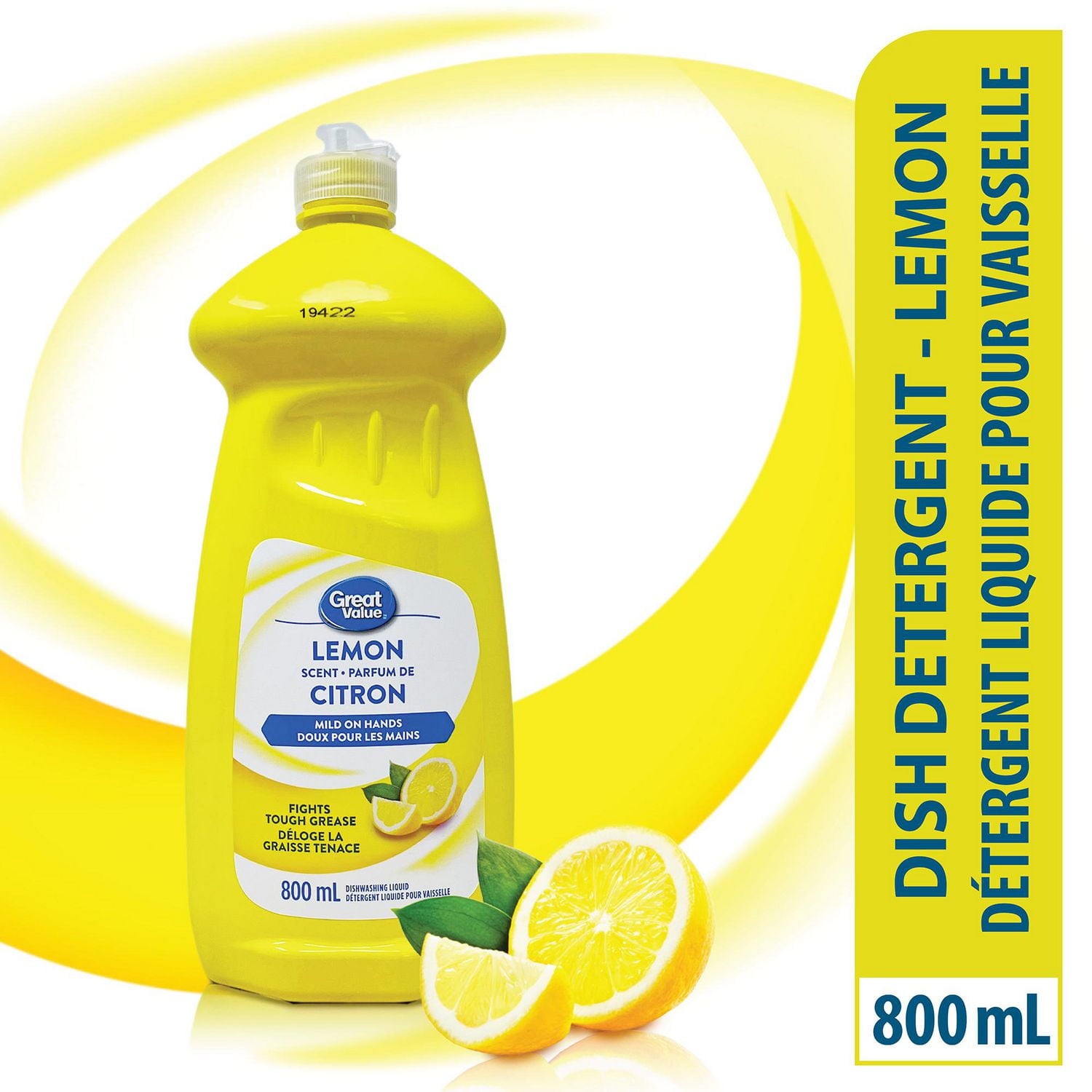
Comparing different dishwashing liquids goes beyond just picking your favorite scent or brand. Understanding their density can reveal a lot about how they perform and what’s inside them. When you shop, knowing these details helps you choose a product that works best for your needs and values.
Density Vs Performance
Density measures how heavy a dishwashing liquid is for its volume. A denser liquid usually means it has more concentrated ingredients, which can affect how well it cuts through grease or creates suds.
However, a thicker or denser liquid doesn’t always mean better cleaning power. Some lighter formulas can perform just as well because of specialized ingredients. Have you noticed how some cheaper liquids seem watery but still get your dishes clean?
When comparing bottles, check the label for density-related info or ingredient concentration. This can help you avoid buying more liquid than needed and save money in the long run.
Eco-friendly Formulations
Eco-friendly dishwashing liquids often have different densities compared to traditional ones. They might use natural or biodegradable ingredients that are lighter or less viscous.
These products usually avoid harsh chemicals, which can affect density and texture. You might find they feel thinner but still clean effectively because of plant-based surfactants.
Choosing eco-friendly doesn’t mean compromising on quality. Have you tried any green dishwashing liquids that surprised you with their cleaning power? Their unique densities highlight the balance between environmental care and performance.
Credit: www.walmart.ca
Frequently Asked Questions
What Is The Typical Density Of Dishwashing Liquid?
The density of dishwashing liquid usually ranges between 0. 95 to 1. 05 g/cm³. It varies based on ingredients and formulation. This density ensures effective cleaning and easy rinsing.
How Does Density Affect Dishwashing Liquid Performance?
Higher density indicates more concentrated detergent, leading to better grease removal. Lower density may mean more water content, reducing cleaning power. Proper density balances cleaning efficiency and ease of use.
Can Dishwashing Liquid Density Vary By Brand?
Yes, density varies by brand due to different formulas and additives. Each manufacturer adjusts density for specific cleaning needs and texture preferences. Always check product details for exact density.
Why Is Dishwashing Liquid Density Important In Manufacturing?
Density helps manufacturers control product consistency and quality. It affects packaging, shipping weight, and usage instructions. Accurate density ensures the product meets consumer expectations and regulatory standards.
Conclusion
Density tells us how heavy dishwashing liquid is for its size. It helps us understand how it behaves in water and how much to use. Knowing density can improve cleaning and save money. This simple fact affects many daily tasks.
Next time you wash dishes, think about the liquid’s weight and size. Small details like density make a big difference in everyday life.