Have you ever wondered if your dishwasher needs a GFCI (Ground Fault Circuit Interrupter)? You’re not alone.
This is a question many homeowners ask when considering kitchen safety and efficiency. Understanding whether your dishwasher requires a GFCI can help you avoid potential electrical hazards and ensure your appliance runs smoothly. We’ll explore the ins and outs of GFCI requirements, helping you make informed decisions for your kitchen.
Stick around, and you’ll discover what you need to know to keep your home safe and compliant.

Credit: www.powerelectriciansaz.com
Dishwasher And Gfci Basics
Understanding the basics of dishwashers and GFCI is important for home safety. A dishwasher uses electricity to operate, which can pose risks if not properly protected. GFCI devices help reduce the chance of electric shock in wet areas like kitchens. This section explains what a GFCI is and how dishwashers work electrically.
What Is A Gfci?
A GFCI, or Ground Fault Circuit Interrupter, is a safety device. It detects small electrical faults and quickly cuts off power. This prevents electric shock in places with water. GFCIs are common in kitchens, bathrooms, and outdoor outlets. They react when electricity flows outside the normal path.
- Monitors electrical current difference
- Interrupts power within milliseconds
- Protects against ground faults
- Essential in damp or wet locations
How Dishwashers Work Electrically
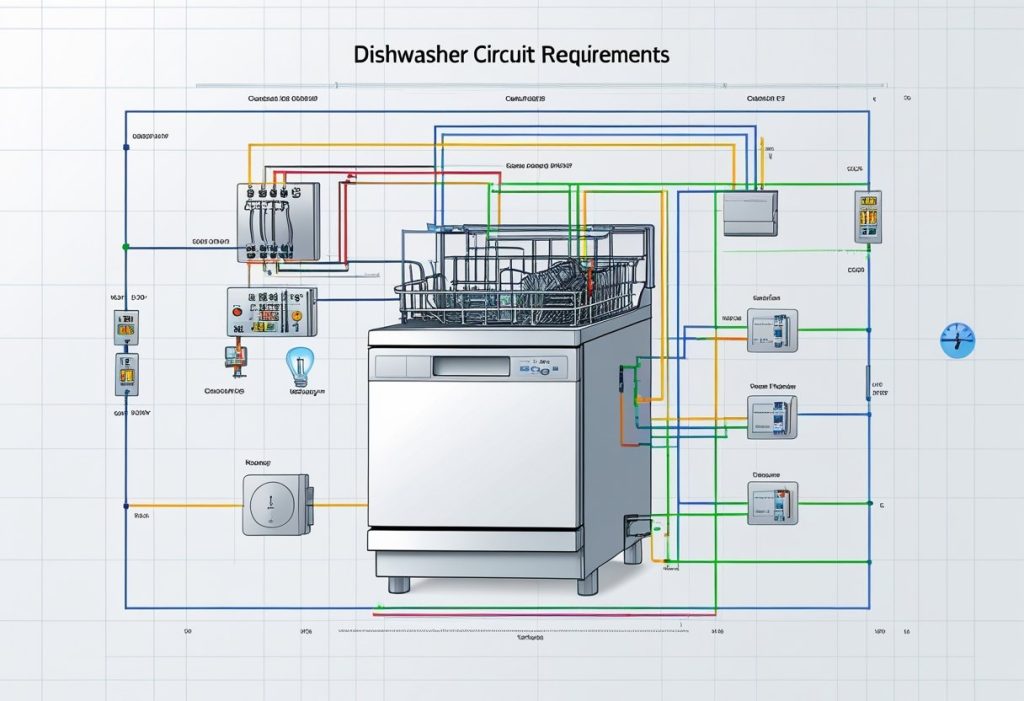
Dishwashers use electricity to power motors, pumps, and heaters. They connect to the home’s electrical system through a dedicated circuit. The control panel regulates the washing cycle and water temperature. Electrical components work together to clean dishes efficiently.
- Electric motor powers water pump
- Heating element warms the water
- Control board manages operation
- Wired to circuit breaker or GFCI outlet

Credit: www.powerelectriciansaz.com
Gfci Requirements For Dishwashers
GFCI protection is crucial for dishwashers to prevent electrical shocks. These devices detect ground faults and cut power quickly. Understanding the rules around GFCI use helps keep your kitchen safe. The requirements vary by code and location, so knowing both is important.
National Electrical Code Guidelines
The National Electrical Code (NEC) sets the standard for electrical safety. It requires GFCI protection for outlets in kitchens, including those for dishwashers. The NEC focuses on areas near water to reduce shock risks. The 2020 NEC update expanded GFCI rules to cover more kitchen appliances. It states that dishwashers must have GFCI protection if installed in specific conditions. This includes outlets within a certain distance from sinks or water sources.
Local Code Variations
Local electrical codes may differ from the NEC. Some areas require GFCI protection for all kitchen appliances, including dishwashers. Others may only require it in new construction or specific situations. Always check local rules before installing a dishwasher. Local inspectors can provide guidance on GFCI requirements. Following local codes ensures safety and prevents code violations.
Safety Benefits Of Gfci Protection
GFCI protection offers essential safety benefits for household appliances like dishwashers. It helps reduce the risk of electric shock and fire hazards. Installing a GFCI outlet near your dishwasher creates a safer environment in your kitchen. This simple device monitors electrical currents and shuts off power in dangerous situations.
Preventing Electrical Shocks
Dishwashers often work with water and electricity close together. This increases the chance of electric shock. GFCI outlets detect small leaks of current and cut off power quickly. This prevents serious injuries or even death. They protect both adults and children from accidental shocks.
Reducing Fire Risks
Electrical faults in dishwashers can cause fires if left unchecked. GFCI protection stops power when it senses a fault in the wiring. This reduces overheating and sparks that might start a fire. GFCIs keep your home and family safer by lowering fire risks from electrical problems.
When Gfci May Not Be Required
Knowing when a GFCI (Ground Fault Circuit Interrupter) is not required for your dishwasher can save you unnecessary expenses and complications. Not every situation demands this safety device, especially depending on your home’s age and the appliance’s guidelines. Understanding these exceptions helps you make informed decisions about your kitchen’s electrical setup.
Older Homes And Existing Installations
In many older homes, dishwashers were installed before GFCI requirements became standard. If your dishwasher has been working without issues for years, it might not legally require a GFCI retrofit.
However, this doesn’t mean you should ignore safety. You should consider the risks involved and whether updating your electrical system could provide better protection.
Have you checked if your home’s wiring meets current codes? Sometimes, the cost and effort to add a GFCI outweigh the immediate need, but safety should always be a priority.
Appliance Manufacturer Recommendations
Manufacturers often specify whether a GFCI is necessary for their dishwashers in the user manual. Some models are designed with built-in safety features, reducing the need for an external GFCI.
Ignoring these recommendations can void warranties or lead to electrical problems. Always review your dishwasher’s documentation carefully before making changes.
What does your dishwasher’s manual say about electrical protection? Following the manufacturer’s advice is a straightforward way to keep your appliance safe and functional without unnecessary modifications.
Installation Tips For Gfci Outlets
Installing GFCI outlets in your kitchen is crucial for safety, especially when dealing with appliances like dishwashers. Understanding the right way to install these outlets can save you from electrical hazards and costly repairs later. Let’s dive into some practical tips that make the installation process smoother and safer.
Proper Placement In Kitchens
GFCI outlets should be placed where water and electricity are most likely to meet. Near the sink, dishwasher, and countertops are prime spots since these areas often get wet. Placing the outlet too far from your dishwasher can lead to the use of unsafe extension cords, increasing the risk of electrical shock.
Think about your kitchen layout before deciding on outlet placement. You want the outlet within easy reach of your dishwasher’s power cord but also protected from direct water exposure. Have you checked if your current outlet location meets these safety standards?
Hiring A Licensed Electrician
Handling electrical installations yourself might seem tempting, but it’s risky without professional knowledge. A licensed electrician understands local codes and safety regulations, ensuring your GFCI outlet is installed correctly. This not only protects your home but also keeps your warranty intact.
Electricians can also test the outlet after installation to confirm it functions properly. I once tried to install a GFCI outlet on my own, only to realize the breaker kept tripping due to improper wiring. Calling a professional saved me time, money, and potential danger.
Would you risk your safety and that of your family by skipping professional help?
Troubleshooting Common Gfci Issues
GFCI outlets protect against electrical shocks by cutting power quickly. Sometimes, these outlets can trip often or stop working properly. Troubleshooting common GFCI issues helps keep your dishwasher and kitchen safe and running smoothly. Understanding why GFCI trips happen and how to reset or test the outlet can save time and avoid costly repairs.
Frequent Tripping Causes
GFCI outlets trip to stop electrical hazards. Frequent tripping can happen due to:
- Water or moisture near the outlet
- Faulty or damaged dishwasher wiring
- Overloaded circuit with too many devices
- Ground faults caused by worn insulation
- Old or malfunctioning GFCI outlet
Check for any water leaks or dampness around the dishwasher. Inspect the power cord and plug for damage. Avoid plugging multiple heavy appliances into the same circuit.
Resetting And Testing Gfci
To reset a tripped GFCI, press the “Reset” button on the outlet. This restores power if the issue is cleared. Test the outlet regularly:
- Press the “Test” button to cut power
- Ensure the connected appliance loses power
- Press “Reset” to restore power
- Confirm the outlet powers the appliance again
If the GFCI does not reset or trips immediately, it may need replacement. Regular testing keeps your dishwasher’s electrical system safe and reliable.
Alternative Safety Measures
Not every dishwasher setup requires a GFCI, but safety remains a priority. There are alternative ways to protect your home and yourself from electrical hazards. These methods can complement or sometimes replace GFCI protection depending on your home’s wiring and local codes.
Using Circuit Breakers
Circuit breakers act as a shield against electrical overloads and short circuits. They automatically cut power when they detect irregular current flow, which helps prevent fires and shocks.
Many homes already have circuit breakers installed for kitchen circuits. Check if your dishwasher’s circuit has one with the appropriate rating and sensitivity. A well-maintained breaker can reduce risks even if a GFCI isn’t used.
Ask yourself: when was the last time you tested your breakers? Simple monthly tests can ensure they trip properly when needed.
Routine Appliance Maintenance
Keeping your dishwasher in top shape is an easy way to avoid electrical dangers. Inspect power cords and plugs for cracks or frays regularly, and replace damaged parts immediately.
Cleaning filters and removing buildup inside the dishwasher prevents leaks, which can create shock hazards. Moisture and electricity don’t mix well, so staying on top of maintenance matters.
Have you noticed any unusual sounds or smells from your dishwasher? These signs could hint at electrical issues that need professional attention.

Credit: nassaunationalcable.com
Frequently Asked Questions
Does A Dishwasher Require A Gfci Outlet?
Yes, many local electrical codes require dishwashers to be connected to a GFCI outlet. This protects against electrical shock from water exposure. GFCI outlets quickly cut power during faults, enhancing kitchen safety.
What Happens If Dishwasher Lacks Gfci Protection?
Without GFCI protection, the risk of electrical shock increases, especially in wet conditions. It can also lead to code violations and potential insurance issues. GFCIs prevent dangerous electrical faults near water sources.
Can A Dishwasher Be Safely Installed Without Gfci?
It depends on local electrical codes and manufacturer instructions. Some areas mandate GFCI for dishwashers, while others do not. Always follow code requirements and consult a licensed electrician for safe installation.
How Does Gfci Improve Dishwasher Safety?
GFCI detects ground faults and shuts off power immediately. This prevents electric shocks if water contacts electrical parts. It is especially important in kitchens where appliances like dishwashers are near water.
Conclusion
Dishwashers often need a GFCI outlet for safety. GFCI helps stop electric shocks in wet areas. Local electrical rules may require GFCI for dishwashers. Installing a GFCI is a smart way to protect your home. Always check your local codes before installing or replacing outlets.
Using a GFCI outlet can prevent accidents and save lives. Stay safe by choosing the right electrical setup for your dishwasher. Safety matters, especially around water and electricity.