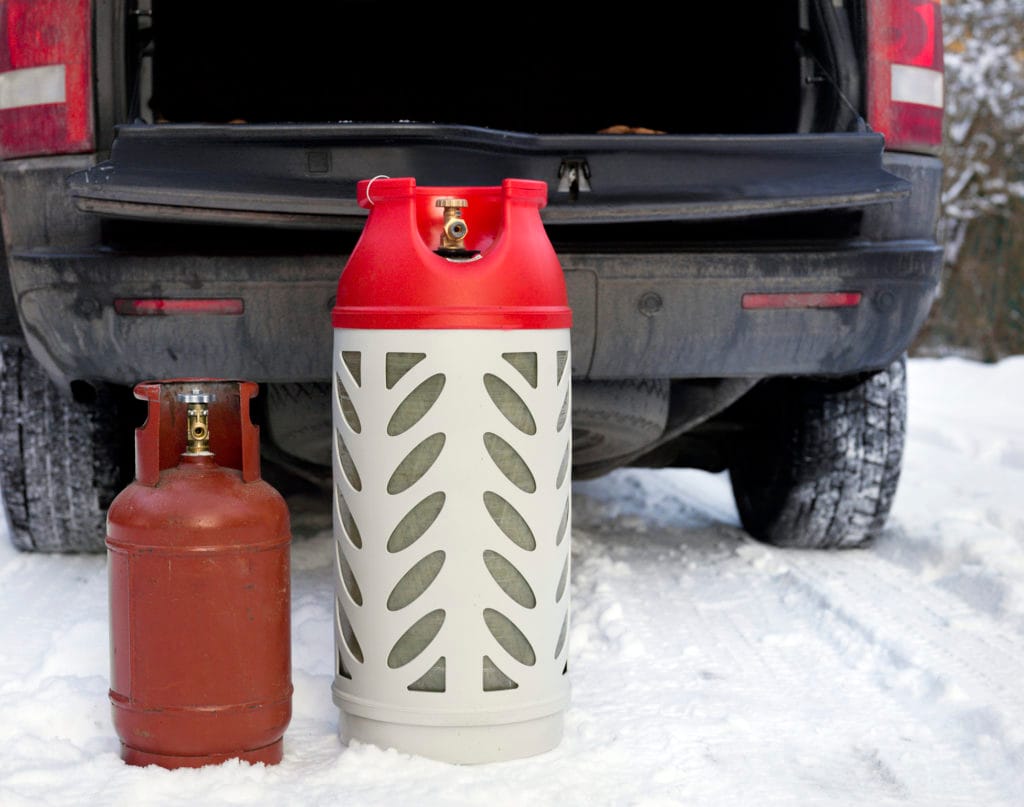
Have you ever wondered if LPG can freeze? If you rely on LPG for heating, cooking, or running your vehicle, this question might have crossed your mind—especially during cold weather.
Understanding whether LPG freezes can help you avoid unexpected problems and keep your appliances running smoothly. You’ll discover the truth about LPG and freezing temperatures, and learn practical tips to protect your system when the cold sets in. Keep reading to make sure you’re prepared for chilly days ahead.
What Is Lpg
LPG, or liquefied petroleum gas, is a fuel stored as liquid under pressure. It does not freeze easily because its freezing point is very low. This makes LPG reliable for use in cold weather.
Understanding LPG is essential, especially if you rely on it for heating, cooking, or even driving. LPG, or Liquefied Petroleum Gas, is a versatile and efficient energy source that powers many homes and businesses. But what exactly is LPG, and how does it work?What Is Lpg?
LPG is a mixture of propane and butane gases, compressed into liquid form for easy storage and transport. This conversion allows LPG to be stored in tanks and transported to your home or business effortlessly. Once you open the valve, the liquid turns back into gas, ready to ignite and provide energy.How Is Lpg Made?
LPG is derived during the refining of crude oil or extracted during natural gas production. This process ensures that the gas meets stringent safety and quality standards. The result is a clean-burning fuel, often touted for its environmental benefits compared to other fossil fuels.Where Is Lpg Used?
LPG is incredibly versatile, used in numerous applications from heating homes and cooking to fueling vehicles. In rural areas, where natural gas pipelines may not reach, LPG serves as a reliable energy source. Moreover, in industries, it powers machinery and even acts as a refrigerant.Is Lpg Safe?
Safety is a top concern when using any fuel source, and LPG is no exception. With proper storage and handling, LPG is very safe. It’s vital to regularly check your gas appliances and storage tanks for leaks and ensure they’re maintained by a professional.Can Lpg Freeze?
A common question is whether LPG can freeze, especially in colder climates. While LPG does not freeze in the conventional sense, it can fail to vaporize below certain temperatures. This means that in extremely cold environments, you might face difficulties using your LPG supply unless you take preventive measures. Consider this: If you woke up on a cold winter morning only to find your heating system isn’t working because the LPG isn’t vaporizing, how would you handle it? Being prepared with the right information and precautions can save you from such inconveniences.
Credit: blueskynewenergy.com
Freezing Point Of Lpg
LPG, or liquefied petroleum gas, is a popular fuel for heating and cooking. Understanding its freezing point helps avoid problems in cold weather. Many wonder if LPG can freeze and what temperature that might happen.
The freezing point of LPG depends on its components. LPG mainly contains propane and butane. Each has a different freezing point, affecting the overall freezing behavior.
Freezing Point Of Propane
Propane freezes at around -187°C (-305°F). This temperature is much colder than most natural environments. Therefore, propane rarely freezes during normal winter conditions.
Freezing Point Of Butane
Butane freezes at about -138°C (-216°F). This is warmer than propane but still very low. Freezing butane under usual weather is very unlikely.
Effect Of Lpg Mixture On Freezing Point
LPG is a mix of propane and butane. The freezing point varies based on their ratio. More propane lowers the freezing point. More butane raises it slightly but still stays very low.
Practical Impact Of Lpg Freezing Point
Because LPG freezes at extremely low temperatures, freezing is rarely a problem. In cold places, LPG remains liquid and usable. This makes LPG reliable for heating and cooking in winter.
Conditions That Cause Lpg To Freeze
Understanding the conditions that cause LPG (liquefied petroleum gas) to freeze is crucial, especially if you use it in cold environments. LPG consists mainly of propane and butane, and its behavior changes significantly with temperature and pressure variations. Knowing the freezing points and how pressure affects LPG can help you avoid potential problems like fuel blockages or appliance failures.
Temperature Thresholds
LPG does not freeze in the traditional sense like water, but it can solidify or become slushy at very low temperatures. Propane, a common component of LPG, has a freezing point around -187°C (-305°F), which is extremely cold and rarely encountered in everyday situations.
Butane, on the other hand, freezes at about -0.5°C (31°F), which is much closer to typical winter temperatures. This means if your LPG mix contains a lot of butane, you might notice issues in cold weather as the butane can start to crystallize and block the flow.
Have you ever experienced your gas stove sputtering or not lighting properly during a cold snap? That could be due to butane freezing inside your LPG tank or lines.
Pressure Influence
Pressure plays a key role in LPG’s state and performance. At higher pressures, LPG remains liquid even at lower temperatures. This is why LPG tanks are designed to maintain sufficient pressure to keep the gas in liquid form.
If the pressure drops too low, especially in cold weather, the LPG can start to vaporize less efficiently, leading to freezing or blockage issues. For instance, if your tank valve or regulator malfunctions and pressure falls, you might face freezing problems even if temperatures aren’t extremely low.
It’s important to regularly check your LPG system’s pressure and maintain it according to manufacturer guidelines. This simple step can prevent freezing and ensure your gas flows smoothly when you need it most.

Credit: www.reddit.com
Signs Of Frozen Lpg
Frozen LPG can disrupt your daily routine without much warning. Knowing the signs helps you act quickly and avoid potential hazards. It’s not just about cold weather; sometimes the equipment or storage conditions cause issues that mimic freezing.
Unusual Pressure Drop In The Cylinder
If you notice a sudden drop in pressure when using your LPG cylinder, it might be a sign of freezing. The liquid propane inside can cool and condense, reducing pressure and causing your appliance to sputter or stop. Have you ever experienced your gas stove flame flickering or going out unexpectedly? That could be related.
Frost Or Ice Formation On The Cylinder
Visible frost or ice on the outside of your LPG cylinder is a clear indicator that the gas inside is freezing. This happens because the liquid propane absorbs heat while it evaporates, causing the surface to cool rapidly. If you see this, it’s a signal to check your cylinder’s storage conditions immediately.
Weak Or Yellow Flame On Appliances
A weak flame or one that turns yellow instead of blue can suggest frozen LPG. Frozen gas doesn’t vaporize properly, so the combustion isn’t efficient. If your flame looks off, don’t ignore it—this could mean your LPG isn’t flowing as it should.
Difficulty In Gas Flow Or Blockages
When you find it hard to get gas to flow or feel blockages in the hose or regulator, freezing might be the cause. Frozen LPG can clog the valve or pipe, restricting flow. Think about your last experience with a gas leak or blockage—did it coincide with cold weather or unusual cylinder behavior?
Impact Of Freezing On Lpg Performance
Freezing temperatures affect many fuels, but LPG behaves differently. Understanding the impact of freezing on LPG performance helps users manage it safely. LPG, or liquefied petroleum gas, remains stable under cold conditions, but extreme cold can influence its behavior.
Exploring how freezing affects LPG reveals its performance limits. This knowledge supports efficient and safe use in cold climates and helps avoid common issues related to freezing.
Does Lpg Freeze In Cold Temperatures?
LPG does not freeze like water. It changes from liquid to gas at very low temperatures. The freezing point of LPG components is much lower than typical cold weather. This means LPG stays usable even in freezing conditions.
Effect Of Low Temperatures On Lpg Pressure
Cold temperatures reduce LPG pressure inside tanks. Lower pressure can affect gas flow and appliance performance. Users may notice weaker flames or delayed ignition during extreme cold. Proper tank maintenance and insulation help maintain pressure.
Potential Risks Of Freezing On Lpg Systems
Freezing can cause moisture inside tanks or pipes to freeze. Ice blocks valves and regulators, disrupting gas flow. This blockage reduces LPG efficiency and may cause safety hazards. Regular checks and drying systems prevent ice buildup.
Maintaining Lpg Performance In Cold Weather
- Store tanks in insulated or sheltered areas.
- Use frost-resistant valves and regulators.
- Inspect and clear any ice or moisture regularly.
- Ensure proper ventilation to avoid condensation.
Following these steps keeps LPG flowing smoothly despite freezing conditions.
Safety Risks Linked To Lpg Freezing
Understanding the safety risks linked to LPG freezing is essential for anyone using this fuel. While LPG freezing is uncommon due to its chemical properties, under certain conditions, it can occur and cause serious hazards. Recognizing these risks helps you protect yourself, your family, and your property.
How Lpg Freezing Can Affect Pressure Levels
LPG needs to maintain a specific pressure to flow correctly. When temperatures drop too low, the liquid LPG can begin to freeze or form solid particles, which reduces pressure in the tank.
Lower pressure means your appliances may not work properly, leading to incomplete combustion or even gas leaks. Have you ever noticed a sudden drop in your stove’s flame during winter? This could be a sign of pressure issues caused by freezing.
Risk Of Gas Leaks And Explosions
Freezing can cause damage to LPG containers or pipelines, like cracks or ruptures. When the container integrity is compromised, gas can escape unnoticed.
Since LPG is highly flammable, even a small leak can lead to dangerous explosions or fires. It’s vital to regularly inspect your storage tanks and connections, especially in cold weather, to avoid such risks.
Impact On Safety Equipment And Sensors
Many LPG systems rely on sensors to detect leaks or pressure changes. Freezing temperatures can cause these sensors to malfunction or give false readings.
If your safety equipment fails, you might not be alerted to hazardous conditions in time. Testing your detectors before the cold season can save you from unexpected dangers.
Preventive Measures To Reduce Freezing Risks
- Store LPG tanks in sheltered, insulated areas away from direct exposure to freezing temperatures.
- Use pressure regulators designed for low-temperature environments.
- Perform routine maintenance and check for any signs of damage or wear on your LPG system.
- Consider professional inspections if you live in areas with harsh winters.
Are you confident your LPG setup is prepared for freezing conditions? Taking these steps seriously can prevent accidents and ensure your fuel works safely all year round.
Preventing Lpg From Freezing
Preventing LPG from freezing is essential, especially if you live in colder climates or use LPG outdoors during winter. Although LPG has a low freezing point, extreme cold can affect its pressure and performance. You can take simple steps to keep your LPG safe and functioning properly even in chilly weather.
Storage Tips
Store your LPG cylinders in a cool, dry place away from direct sunlight and moisture. Avoid placing them on cold surfaces like concrete floors during winter; instead, use wooden pallets or stands to insulate them from the cold ground.
Make sure the storage area is well-ventilated to prevent gas buildup but shielded enough to protect the cylinders from frost and ice. Have you checked if your LPG storage spot stays above freezing temperatures during cold nights? This small detail can prevent freezing issues.
Handling Precautions
Handle LPG cylinders with care, especially in low temperatures. When moving cylinders from cold storage to warmer areas, allow them to warm up gradually to avoid sudden pressure changes.
Do not attempt to heat the cylinder directly if you suspect freezing; instead, bring it indoors or to a warmer spot. Use insulated gloves when touching cylinders in cold weather to protect your hands and maintain a better grip.
Have you ever noticed slower gas flow on a cold morning? This might be due to temporary pressure drops. Handling and warming the cylinder properly can restore normal flow quickly.
What To Do If Lpg Freezes
If you ever find yourself dealing with frozen LPG, it’s important to act carefully and quickly. LPG freezing is rare but can happen in extremely cold conditions or due to rapid pressure drops. Knowing exactly what to do can save you from potential hazards and get your system working smoothly again.
Identify The Signs Of Frozen Lpg
First, check if your LPG is actually frozen. You might notice a drop in gas pressure or uneven flame on your stove or heater. Frost or ice buildup around the valve or regulator is another clear sign.
Have you ever felt your gas system wasn’t working right in cold weather? Recognizing these symptoms early helps you avoid bigger problems.
Safely Warm The Lpg Tank Or Cylinder
Never apply direct heat like an open flame to a frozen LPG tank. Instead, move the tank to a warmer place if possible. You can also wrap it in warm blankets or use a heat lamp at a safe distance.
Slow and steady warming helps the gas return to its normal liquid state without causing a pressure surge. This approach has worked well for many users, including myself, during cold winter nights.
Check And Replace Faulty Regulators
A frozen LPG regulator can cause flow issues. Inspect your regulator for ice buildup or damage. Sometimes replacing an old or damaged regulator can prevent freezing problems in the future.
Have you considered how your equipment age affects LPG performance? Regular maintenance and timely replacement keep your system reliable.
Contact A Professional For Help
If you’re unsure or uncomfortable handling frozen LPG, don’t hesitate to call a certified technician. Handling LPG incorrectly can be dangerous, so professional advice is always the safest route.
Remember, your safety comes first. Would you take risks with gas, or trust someone trained to manage it?
Myths Vs Facts About Lpg Freezing
LPG freezing is a topic surrounded by many myths that can confuse even those familiar with its use. Separating fact from fiction helps you understand how LPG behaves in cold conditions. Let’s clear up common misconceptions and highlight the truth about LPG freezing.
Does Lpg Actually Freeze?
Many believe LPG freezes like water, but that’s not true. LPG is a mixture of propane and butane, which have very low freezing points.
Propane freezes at around -187°C (-304°F), and butane freezes at about -138°C (-216°F). These temperatures are far colder than natural weather conditions, so LPG does not freeze under normal circumstances.
Can Cold Weather Affect Lpg Performance?
Cold weather can impact LPG, but not by freezing it. Instead, low temperatures can reduce the pressure inside LPG tanks.
This pressure drop might cause your appliance to perform poorly or stop working. If you’ve ever noticed your gas stove acting up on a cold morning, this is likely why.
Is It Safe To Use Lpg In Freezing Conditions?
Yes, using LPG in cold weather is safe. LPG systems are designed to handle various temperatures without freezing or causing hazards.
Still, it’s important to keep your LPG tank and equipment maintained to avoid any performance issues during winter.
How To Prevent Lpg Issues In Cold Weather
- Keep your LPG tanks in a sheltered place to avoid extreme cold exposure.
- Insulate pipes and regulators to maintain proper pressure.
- Regularly check your LPG system for leaks or damage.
- Consider using propane-rich LPG mixtures in colder climates for better performance.
Have you ever wondered why your LPG appliance struggles on chilly days even though the gas doesn’t freeze? Understanding the real effects of cold on LPG helps you troubleshoot and maintain your system effectively.

Credit: www.reddit.com
Frequently Asked Questions
Does Lpg Freeze In Cold Temperatures?
LPG does not freeze under normal cold conditions. Its freezing point is extremely low, around -160°C. Therefore, typical winter temperatures do not cause LPG to freeze or solidify.
What Temperature Causes Lpg To Freeze?
LPG freezes at approximately -160°C (-256°F). This temperature is far colder than any natural weather condition on Earth. Hence, freezing of LPG is highly unlikely outdoors.
Can Lpg Pressure Drop In Cold Weather?
Yes, LPG pressure can drop in cold weather. Lower temperatures reduce vapor pressure, potentially affecting LPG flow and appliance performance. Proper insulation helps maintain consistent pressure.
How To Prevent Lpg Freezing In Winter?
Since LPG rarely freezes, focus on preventing pressure drops. Keep tanks insulated and stored in shaded, well-ventilated areas. Regular maintenance ensures safe and efficient LPG use during cold weather.
Conclusion
LPG does not freeze like water, but it can get very cold. Its low temperature can cause problems in pipes or valves. Keeping LPG tanks in a warm place helps prevent issues. Regular checks ensure safe and smooth use. Understanding how LPG behaves in cold weather keeps you prepared.
Stay safe and enjoy the benefits of LPG without worry.