Do you find yourself standing in the grocery aisle, staring at a rutabaga, and wondering if it needs to be refrigerated? You’re not alone.
Many people are unsure about how to properly store this often-overlooked root vegetable. Getting it right can mean the difference between a fresh, delicious addition to your meals and a disappointing, spoiled mess. Imagine having a crisp, flavorful rutabaga ready to enhance your dishes, instead of discovering it’s gone bad when you need it most.
We’ll unravel the mystery of rutabaga storage, ensuring you make the most of your purchase and keep your kitchen running smoothly. Stay with us to learn the secrets of keeping your rutabaga fresh and tasty for as long as possible.

Credit: www.thefreshgrocer.com
Rutabaga Basics
Understanding the basics of rutabaga helps in proper storage and use. This root vegetable often raises questions about how to keep it fresh. Knowing what rutabaga is and its benefits makes it easier to handle.
What Is Rutabaga
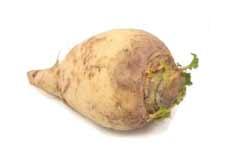
Rutabaga is a root vegetable, also called a swede. It looks like a large turnip with yellow flesh. It grows underground and is part of the cabbage family. Rutabaga has a mild, sweet taste with a slightly bitter edge. People use it in soups, stews, and roasted dishes. It is popular in cold climates and stores well if kept right.
Nutritional Benefits
Rutabaga offers many nutrients and is low in calories. It contains vitamin C, which helps the immune system. It has fiber that supports digestion and heart health. Rutabaga also provides potassium, important for muscle function. It is a good source of antioxidants that protect cells. Eating rutabaga adds vitamins and minerals to the diet without extra fat or sugar.

Credit: www.numberanalytics.com
Storage Conditions
Proper storage conditions keep rutabagas fresh and tasty for longer. Understanding the right temperature and humidity helps preserve their texture and flavor. Rutabagas have unique needs compared to other root vegetables. Storing them well prevents spoilage and waste.
Ideal Temperature
Rutabagas store best in cool temperatures. A range between 32°F and 40°F (0°C to 4°C) is perfect. At this temperature, they stay firm and crisp. Warmer conditions cause them to soften and lose flavor quickly. Avoid freezing rutabagas, as this damages their texture.
Humidity Requirements
High humidity helps rutabagas retain moisture. Aim for 90% to 95% humidity during storage. Dry air makes rutabagas shrivel and dry out. Use perforated plastic bags or damp cloths to maintain moisture. Proper humidity keeps rutabagas fresh and prevents them from becoming tough.
Refrigeration Effects
Refrigeration plays a key role in preserving rutabagas. It affects their texture, flavor, and shelf life. Understanding these effects helps you store rutabagas properly. This section breaks down the advantages and drawbacks of refrigerating rutabagas.
Pros Of Refrigerating
- Slows down spoilage and extends freshness.
- Keeps rutabagas firm and crisp longer.
- Prevents sprouting and mold growth.
- Maintains moisture, avoiding drying out.
- Ideal for long-term storage beyond a week.
Cons Of Refrigerating
- Can cause the rutabaga to become soft if stored too long.
- Excess moisture may lead to rot or sliminess.
- Cold temperatures may slightly change the flavor.
- Needs proper wrapping to avoid absorbing fridge odors.
- Not necessary for short-term storage (few days).
Alternative Storage Methods
If you’re wondering about storing rutabagas without refrigeration, there are practical alternatives that can keep them fresh for weeks. These methods rely on controlling temperature, humidity, and light exposure to slow down spoilage. Let’s explore some storage ideas that might fit your kitchen or pantry setup.
Cool, Dark Places
Rutabagas do well in environments that are cool and dark. A basement corner, a pantry shelf away from sunlight, or even an unheated garage can work if the temperature stays around 32 to 40°F (0 to 4°C).
Keep your rutabagas in a breathable container like a paper bag or a cardboard box. Avoid plastic bags because they trap moisture, which speeds up rotting.
Have you checked the temperature of your storage spots? Even a few degrees warmer can shorten how long your rutabagas stay good.
Root Cellar Storage
If you have access to a root cellar, it’s an ideal place for rutabaga storage. These spaces are designed to maintain high humidity and low temperature, both critical for root vegetables.
Place rutabagas in layers of damp sand or sawdust to keep them moist but not wet. This method helps prevent drying out and shriveling.
Root cellars also protect rutabagas from light, which can cause bitterness and sprouting. Have you ever tried this? It might surprise you how long rutabagas last under these conditions.
Signs Of Spoilage
Knowing when your rutabaga has gone bad is key to avoiding unpleasant surprises in your meals. Signs of spoilage can be subtle at first, but your senses can quickly catch them if you know what to look for. Understanding these signs helps you decide whether to save or toss your rutabaga.
Visual Indicators
Look closely at the skin of your rutabaga. Healthy rutabagas have a firm, smooth surface with a pale yellow or cream color. If you notice dark spots, mold patches, or an overall shriveled appearance, these are red flags.
Sometimes the rutabaga’s color changes to a darker or dull tone. This discoloration often signals rot beneath the skin, even if the surface seems fine at first. Have you ever cut into a rutabaga only to find a mushy or discolored center? That’s a clear visual sign it’s past its prime.
Texture And Smell Changes
Texture can tell you a lot about freshness. A fresh rutabaga feels solid and heavy for its size. If it feels soft, spongy, or unusually light, it’s likely drying out or rotting inside.
Smell is another powerful indicator. Fresh rutabagas have a mild, earthy scent. If your rutabaga smells sour, fermented, or rotten, don’t risk using it. Trust your nose—it rarely lies when it comes to spoiled vegetables.
Have you ever ignored a strange smell and regretted it later? Paying attention to these subtle changes can save you from wasting food and ruining your dish.

Credit: www.numberanalytics.com
Tips For Longevity
Keeping your rutabaga fresh for as long as possible starts with smart handling. You can extend its shelf life significantly by paying attention to how you prepare and store it. Let’s look at practical tips that will help your rutabaga stay crisp and tasty.
Proper Preparation
Before storing, make sure to remove any dirt by gently brushing off the rutabaga. Avoid washing it until you’re ready to use it, as moisture can speed up spoilage. If you’ve already cut the rutabaga, wrap the pieces tightly to prevent them from drying out.
Think about the condition of the rutabaga when you buy it. Choosing a firm, unblemished root will naturally last longer. Have you noticed how bruised or soft spots can make vegetables go bad faster?
Packaging Ideas
Packaging plays a big role in how long your rutabaga stays good. Use perforated plastic bags or wrap the rutabaga in a damp paper towel before placing it in the fridge. This helps maintain the right moisture level without trapping too much humidity.
- Store whole rutabagas in the crisper drawer of your fridge for best temperature control.
- For cut rutabaga, airtight containers work well to keep air out and prevent drying.
- Consider vacuum sealing if you want to store rutabaga for weeks.
Have you tried any unusual storage methods that made your vegetables last longer? Sometimes small changes in packaging can make a surprising difference.
Frequently Asked Questions
Does Rutabaga Need Refrigeration After Purchase?
Yes, rutabagas last longer when refrigerated. Store them in a plastic bag in the crisper drawer. This keeps them fresh for up to 2 weeks.
Can Rutabaga Be Stored At Room Temperature?
Rutabagas can be kept at room temperature for a few days. However, refrigeration is recommended to maintain freshness and prevent spoilage.
How Should I Store Cut Rutabaga?
Cut rutabagas must be refrigerated. Wrap them tightly in plastic wrap or place in an airtight container. Use within 3-4 days for best quality.
Does Refrigeration Affect Rutabaga Taste Or Texture?
Refrigeration preserves rutabaga’s taste and texture. It helps prevent softening and flavor loss, keeping the vegetable crisp and flavorful longer.
Conclusion
Rutabagas last longer when kept in a cool place. Refrigeration helps keep them fresh and crisp. Store them in a plastic bag to avoid drying out. If you leave rutabagas at room temperature, they may spoil faster. Remember to check them often for soft spots or mold.
Proper storage saves money and reduces food waste. Enjoy your rutabagas in salads, soups, or roasted dishes. Simple care keeps this vegetable tasty and ready to eat.