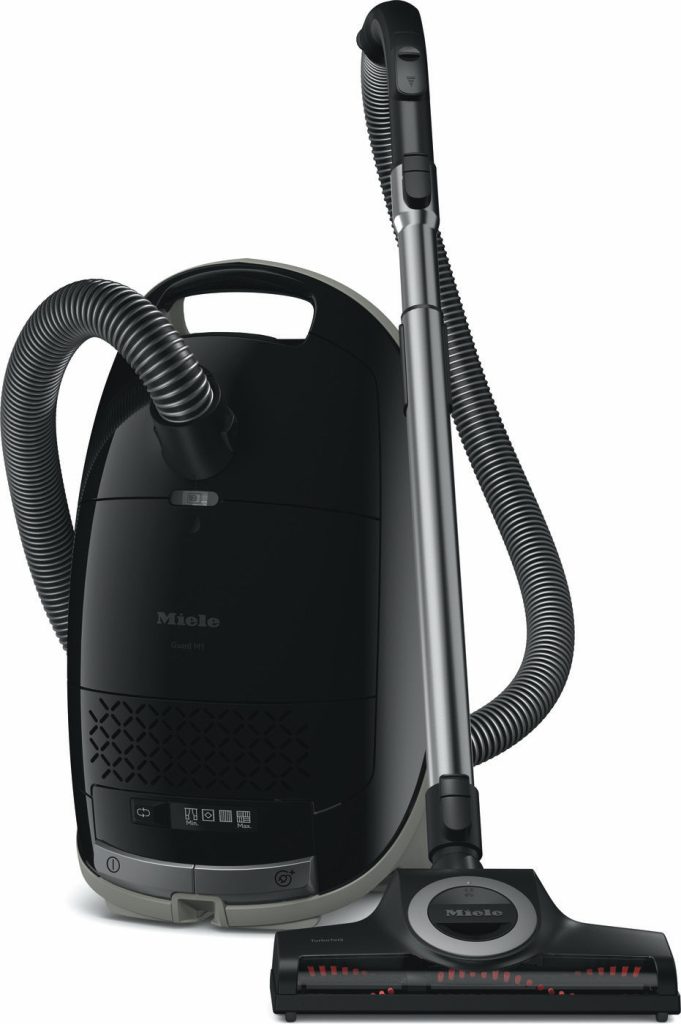
Imagine you spot a spider scuttling across your living room floor. Your first instinct might be to grab the vacuum cleaner and suck it up.
But does vacuuming actually kill spiders, or are they just taking a wild ride in your vacuum bag? You might wonder if this common household chore is an effective solution or if those eight-legged critters are simply biding their time, waiting for the perfect moment to reappear.
You’ll discover the truth behind whether vacuuming is the ultimate spider solution or if it’s leaving you with a false sense of security. Stick around to uncover the facts and tips that could change the way you handle those creepy crawlers in your home.
:max_bytes(150000):strip_icc()/GettyImages-825112718-8aec369da04f45c8a9998326a9d819cc.jpg)
Credit: www.thespruce.com
Vacuuming And Spider Survival
Vacuuming seems like an easy fix when you spot a spider skittering across your floor. But does it actually kill spiders, or do they survive the ride inside the vacuum? Understanding how spiders respond to vacuuming can help you decide if this method fits your pest control strategy.
How Spiders React To Vacuuming
Spiders don’t just go quietly when sucked into a vacuum. Some species can withstand the chaos for a surprising amount of time. Their tough exoskeletons protect them from immediate harm, allowing many spiders to survive the initial vacuuming.
Once trapped inside, their survival depends on factors like the vacuum’s suction strength and how long they remain inside. Some spiders may stay alive long enough to crawl back out if the vacuum bag or canister isn’t emptied promptly. Have you ever emptied your vacuum and found a spider crawling out? That’s a clear sign they can endure the experience.
Common Vacuum Types And Their Effects
Not all vacuums handle spiders the same way. Here’s a quick look at how different vacuum types affect spider survival:
| Vacuum Type | Effect on Spiders |
|---|---|
| Bagged Vacuum | Spiders often survive inside the bag, especially if it’s not sealed tightly. |
| Bagless Vacuum | Spiders get trapped in the canister; some survive if the canister isn’t emptied immediately. |
| Handheld Vacuum | Lower suction power might allow more spiders to survive the vacuuming process. |
| Wet/Dry Vacuum | Can be more effective at killing spiders, especially if water or debris bags are used. |
Knowing your vacuum’s capabilities helps you decide how effective it will be against spiders. Are you ready to adjust your cleaning habits to ensure these critters don’t make a comeback after vacuuming?
Factors Influencing Spider Mortality
Understanding what affects a spider’s survival after vacuuming helps you decide if this method suits your pest control needs. Not all vacuums kill spiders instantly, and some might even let them escape unharmed. Let’s break down key factors that influence whether a spider survives the ride inside your vacuum cleaner.
Vacuum Suction Power
Suction strength varies widely between vacuum models. Stronger suction can crush or immobilize spiders quickly, while weaker suction might just suck them up without causing fatal damage.
If your vacuum has adjustable power settings, using the highest setting increases the chance of spider mortality. However, keep in mind that too strong suction might also damage delicate surfaces you’re cleaning.
Spider Size And Species
Not all spiders react the same way to vacuuming. Smaller spiders are more likely to be injured or killed due to their fragile bodies. Larger spiders, especially those with tougher exoskeletons, might survive the journey inside the vacuum.
Species also matter. Some spiders curl up tightly, protecting vital parts, while others remain more exposed. Have you noticed certain spiders disappear quickly after vacuuming? That’s often because they survive and hide in the vacuum’s dark interior.
Vacuum Bag Vs. Bagless Models
The type of vacuum you use affects spider mortality and cleanup. Vacuum bags trap spiders inside, reducing their chances of escape, but spiders might still survive if the bag isn’t disposed of promptly.
Bagless vacuums collect debris in a clear canister, making it easier to see if any spiders are still alive. However, they also allow spiders to move around more freely inside, increasing the chance they’ll crawl back out.
Do you empty your vacuum immediately after use? This simple step can determine if spiders make a comeback in your living space.
Alternatives To Vacuuming Spiders
Vacuuming spiders might seem like a quick fix, but it isn’t always the most effective or humane way to handle these critters. Sometimes, the spider survives the vacuum or gets scattered around your space, which can be frustrating. You might want to try other options that can manage spiders without the mess or uncertainty.
Using Sticky Traps
Sticky traps are an easy and non-toxic way to catch spiders without causing harm to your vacuum or creating a mess. Place these traps in corners, behind furniture, or near windows where spiders often travel.
They work silently and keep spiders contained, making it simpler to dispose of them later. Have you noticed that sticky traps can also help monitor other pests in your home? That’s an added bonus.
Manual Removal Techniques
If you’re comfortable, manually removing spiders can be the most direct approach. Use a glass jar and a piece of paper to trap the spider gently, then release it outside.
This method lets you avoid killing the spider and keeps it out of your living area. It might feel a bit daunting at first, but with practice, you’ll find it’s quite manageable—and oddly satisfying to see the spider safely relocated.
Natural Repellents
Natural repellents keep spiders away without harmful chemicals. Essential oils like peppermint, eucalyptus, or tea tree oil sprayed around entry points can discourage spiders from settling in.
Mix a few drops with water in a spray bottle and apply regularly. Have you tried this? Many people find it effective and enjoy the fresh scent it leaves behind.
Preventing Spider Infestations
Preventing spider infestations starts with understanding what attracts them and how they enter your home. Instead of waiting until you see a web, taking proactive steps can save you time and stress. You might be surprised how small changes around your house can make a big difference in keeping spiders away.
Home Maintenance Tips
Regular cleaning is one of the simplest ways to discourage spiders. Dust and vacuum corners, under furniture, and behind appliances often to remove spider webs and egg sacs.
Keep clutter to a minimum, especially in basements, garages, and storage areas where spiders like to hide. Repair any leaks or damp spots because moisture attracts insects, which in turn attract spiders.
Reducing Spider Attractants
Spiders come indoors looking for food, mainly insects. Reducing the number of insects inside your home will reduce the spiders as well.
- Turn off outdoor lights at night or switch to yellow bulbs, which attract fewer insects.
- Keep your kitchen clean and store food in sealed containers to avoid attracting bugs.
- Remove piles of leaves, wood, or debris close to your house where spiders and their prey can gather.
Sealing Entry Points
Think about how spiders get inside. Cracks in walls, gaps around windows and doors, and openings near pipes are common entry points.
Seal these with caulk or weatherstripping to block their access. You might not notice these tiny gaps until you inspect closely, but sealing them can drastically reduce spider visits.
Have you checked your window screens lately? Fixing tears and holes can stop spiders from sneaking in unnoticed.
Safety And Hygiene Considerations
Safety and hygiene are important when dealing with spiders and vacuuming. Understanding how to handle vacuum contents and knowing health risks can keep your home safe and clean. Proper care avoids spreading germs or allergens.
Handling Vacuum Contents
Always empty the vacuum bag or canister outside your home. This prevents spider eggs or dust from spreading indoors. Use gloves to protect your hands from bites or dirt. Seal the vacuum bag tightly before disposal. Clean the vacuum filter regularly to maintain good air quality.
Health Risks Of Spiders In Homes
Spiders can cause allergic reactions in some people. Their bites might lead to redness, swelling, or pain. Some spiders carry harmful bacteria or viruses. Dust and spider webs in the home can trigger asthma or allergies. Keeping your home clean reduces these health risks significantly.

Credit: www.angi.com

Credit: www.gbnews.com
Frequently Asked Questions
Does Vacuuming Kill Spiders Instantly?
Vacuuming can kill some spiders instantly by suction or injury. However, many spiders survive inside the vacuum bag or can escape later.
Can Vacuuming Remove Spider Eggs Effectively?
Vacuuming can remove spider eggs but may not destroy all. Some eggs can hatch later if the vacuum isn’t emptied promptly.
Is Vacuuming A Safe Method To Remove Spiders?
Yes, vacuuming safely removes spiders without harmful chemicals. It keeps you away from direct contact and reduces spider presence indoors.
Will Vacuuming Spiders Prevent Future Infestations?
Vacuuming removes visible spiders but does not prevent future infestations. Regular cleaning and sealing entry points are needed for long-term control.
Conclusion
Vacuuming can remove spiders quickly from your home. It captures them but may not always kill them. Some spiders can survive vacuum suction and escape later. Regular cleaning helps keep spiders away over time. Use vacuuming as part of a bigger plan to control pests.
Check and empty the vacuum bag outside to avoid spider return. Stay consistent and patient for the best results. Spiders don’t like disturbed spaces, so cleaning helps reduce them. Simple steps make your home less inviting to spiders.