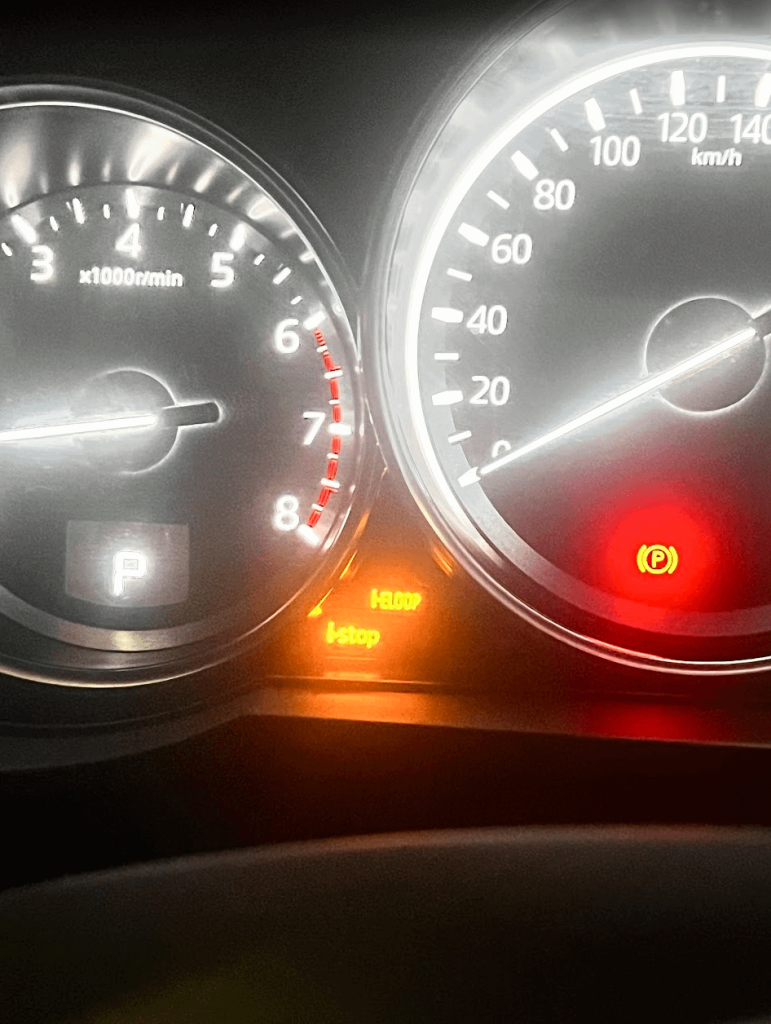
Have you ever wondered if your Mazda has the i-ELOOP system? This smart technology can save fuel and improve your driving experience, but it’s not always easy to tell if your car is equipped with it.
Knowing whether your Mazda has i-ELOOP can help you get the most out of your vehicle and even boost its value. Keep reading to discover simple ways to find out if your Mazda is using this innovative system—and why it matters for you.
What Is I-eloop
If you’re curious about the technology behind your Mazda’s fuel efficiency, understanding I-ELOOP is a great place to start. I-ELOOP is Mazda’s innovative regenerative braking system designed to capture and store energy that would otherwise be lost during braking. This stored energy then powers your vehicle’s electrical components, reducing the load on the engine and improving overall fuel economy.
Basic Features
I-ELOOP works by using a capacitor to store electricity generated when you slow down or brake. Unlike traditional batteries, this capacitor charges and discharges quickly, making the system highly efficient. The system automatically activates without any input from you, seamlessly blending with your driving experience.
- Energy is captured during deceleration and braking
- Stored energy powers electrical components like lights and air conditioning
- Reduces engine load, leading to better fuel efficiency
- Uses a high-capacity electric double-layer capacitor instead of a conventional battery
Benefits For Drivers
How does this technology benefit you on the road? First, it helps you save fuel, especially in stop-and-go traffic where braking is frequent. You’ll notice your vehicle feels smoother because the system reduces the engine’s electrical demands.
Additionally, I-ELOOP can extend the lifespan of your car’s battery by sharing the electrical load. This means fewer visits to the mechanic for battery replacements. Have you ever wondered why some cars feel more responsive during city driving? I-ELOOP plays a role in that improved responsiveness.
Models That Include I-eloop
Mazda introduced the I-ELOOP system to boost fuel efficiency. This technology recovers energy during braking and stores it for later use. Knowing which Mazda models include I-ELOOP helps you identify this feature in your vehicle. Below, find details on common Mazda vehicles with I-ELOOP and the years this system was available.
Common Mazda Vehicles With I-eloop
- Mazda6
- Mazda CX-5
- Mazda CX-9
- Mazda3 (select trims)
These models often feature I-ELOOP in higher trims or specific engine types. The system appears mostly in Mazda’s mid-size and larger vehicles.
Year Range For I-eloop Availability
| Model | Start Year | End Year |
|---|---|---|
| Mazda6 | 2013 | 2017 |
| Mazda CX-5 | 2013 | 2017 |
| Mazda CX-9 | 2013 | 2017 |
| Mazda3 | 2014 | 2016 |
After these years, Mazda shifted to newer technologies. Models with I-ELOOP may have a badge or mention in the owner’s manual.
How To Identify I-eloop In Your Mazda
Wondering if your Mazda is equipped with the innovative I-ELOOP system? Identifying this feature can enhance your understanding of your car’s technology and help you make the most of its fuel-saving benefits. Let’s break down simple ways you can confirm if I-ELOOP is part of your driving experience.
Check The Dashboard Indicators
Start by turning on your Mazda and watching the dashboard closely. Vehicles with I-ELOOP often display a specific indicator light that looks like a battery or energy symbol when the system is active. This light typically appears during braking or deceleration, signaling that the regenerative braking system is capturing energy.
If you notice this symbol illuminating consistently during your drives, there’s a good chance your Mazda has I-ELOOP. Have you ever caught that light and wondered what it meant? Now you know it’s tied directly to energy recovery and efficiency.
Look For I-eloop Badges
Mazda usually brands their vehicles with visible badges or decals to highlight special features like I-ELOOP. Check the rear, sides, or even the engine bay for a small “I-ELOOP” emblem. This badge serves as a quick visual confirmation and often appears on models equipped with this system.
Spotting this badge is a straightforward way to tell without digging into manuals or tech specs. Next time you park your car, take a moment to check around for this subtle yet telling sign.
Review The Owner’s Manual
Your Mazda’s owner’s manual is a treasure trove of specific information about your vehicle’s features, including I-ELOOP. Look for sections that discuss fuel efficiency, regenerative braking, or energy recovery systems. The manual typically explains how I-ELOOP works and how to recognize it within your car.
Have you ever skimmed the manual only to find detailed info that changes how you use your vehicle? This is a perfect example. If you’re unsure after checking the dashboard and badges, the manual can confirm your car’s tech lineup in clear language.
Credit: www.mazda6club.com
Using The Mazda Connect System
The Mazda Connect system offers a simple way to check your vehicle’s features. It is an intuitive interface found in many Mazda models. You can access various settings, including fuel-saving technologies like I-ELOOP. This system helps drivers stay informed about their car’s status without needing extra tools.
Accessing Vehicle Features
Start by turning on your Mazda’s infotainment screen. Use the control knob or touchscreen to open the main menu. Look for the “Applications” or “Vehicle Status” section. This area shows key information about your car’s systems and features. Navigate through the menu to find detailed data about fuel efficiency and energy recovery.
Finding I-eloop Status
Within the vehicle features menu, locate the “I-ELOOP” option. It may appear under “Energy Recovery” or “Brake Energy Regeneration.” Selecting this option shows real-time status and performance data. You can see if the system is active and how it impacts fuel economy. This screen also helps monitor the battery charge level related to I-ELOOP.
Physical Inspection Tips
Checking your Mazda for the i-ELOOP system doesn’t always require high-tech tools. A simple physical inspection can reveal a lot about whether your vehicle has this energy-saving feature. By knowing what to look for, you can quickly spot key components without needing to dive into complex diagnostics.
Locating The Capacitor Unit
The i-ELOOP system uses a capacitor to store energy generated during braking. This capacitor is usually a large, box-like component found near the engine bay. In many Mazda models, it sits close to the battery or the fuse box.
If you open the hood, look for a unit labeled with “capacitor” or something similar. It may have thick cables connecting it to other parts of the engine. If you spot a large, rectangular black box that doesn’t look like a battery, you might have found the i-ELOOP capacitor.
Signs Of Regenerative Braking Components
Regenerative braking is a key part of i-ELOOP, so your Mazda will have certain parts linked to this system. Check around the brake area for extra wiring or sensors that aren’t typical on standard brake systems.
Look under the vehicle near the wheels and brake lines for any electrical connectors or modules. These components help capture braking energy and send it to the capacitor.
Have you noticed your Mazda’s brake pedal feeling slightly different or smoother during stops? This could indicate the presence of regenerative braking parts working behind the scenes.
Common Misconceptions About I-eloop
Many Mazda owners get confused about I-ELOOP. This system often gets mixed up with other car technologies. Knowing what I-ELOOP really does helps avoid false ideas. Clear facts lead to better understanding of your car’s features.
Difference Between I-eloop And Hybrid Systems
I-ELOOP is not the same as a hybrid system. It stores energy during braking, using a capacitor. This energy powers the car’s electrical parts. Hybrid cars use batteries to assist the engine directly. I-ELOOP does not drive the engine. It only helps reduce fuel use by powering accessories.
Fuel Efficiency Expectations
I-ELOOP improves fuel efficiency, but not drastically. It saves fuel by reducing engine load. This happens when the system powers lights and air conditioning. Expect small gains, not huge jumps in mileage. I-ELOOP works best in city driving with frequent stops. It is a support system, not a main fuel saver.
Troubleshooting I-eloop Issues
Troubleshooting I-ELOOP issues helps keep your Mazda running efficiently. The I-ELOOP system recovers energy during braking and stores it. Problems with I-ELOOP can affect fuel efficiency and car performance. Recognizing signs early can save time and money.
Start by understanding what warning lights mean. These lights alert you to I-ELOOP system problems. Knowing when to visit a dealer ensures proper care and repair.
Warning Lights And What They Mean
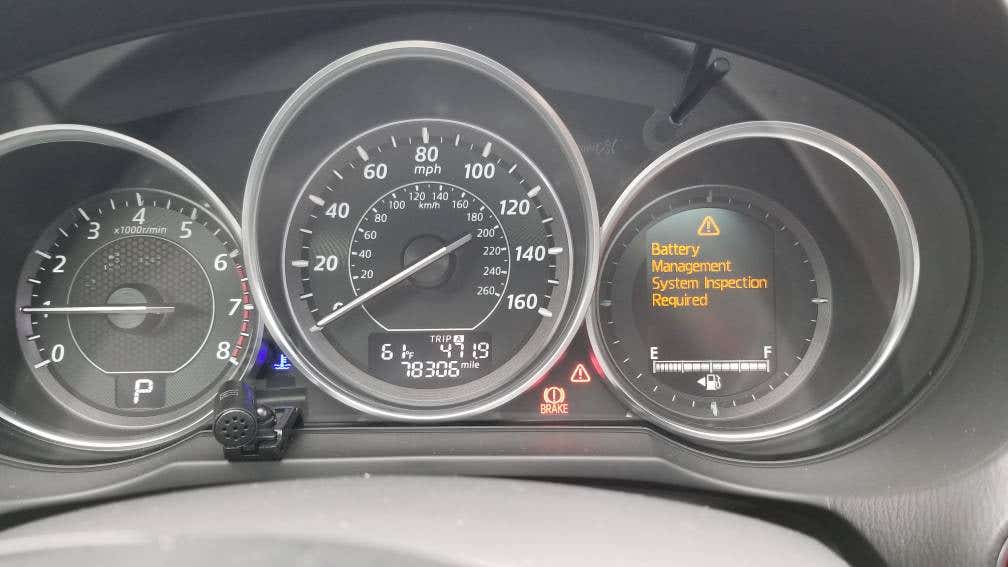
Your Mazda dashboard shows warning lights related to I-ELOOP. The most common is the battery or charging system light. It may glow if the I-ELOOP system is not charging properly.
Another light is the brake system warning. It can indicate issues with the energy recovery process. A check engine light might also appear, signaling a system fault.
- Battery Light:Possible battery or charging issue
- Brake Warning Light:Energy recovery or brake system problem
- Check Engine Light:General fault in I-ELOOP or other systems
Watch for these lights during driving. If any light stays on, do not ignore it.
When To Visit A Dealer
Visit a Mazda dealer if warning lights stay on after restarting. Also seek help when your car shows poor fuel economy or strange noises. A dealer can run detailed diagnostics on the I-ELOOP system.
Do not attempt complex repairs yourself. The I-ELOOP system involves high voltage and special parts. Certified technicians have the right tools and knowledge to fix issues safely.
Regular checkups keep the system working well. Dealers can update software and replace worn components. Early repair prevents bigger problems and saves money.
Credit: www.cx3forum.com
Credit: www.mazda3revolution.com
Frequently Asked Questions
What Is Mazda’s I-eloop Technology?
Mazda’s i-ELOOP is a regenerative braking system that stores energy during braking. It converts kinetic energy into electricity, which powers the vehicle’s electrical components. This enhances fuel efficiency and reduces the load on the engine. The system is particularly beneficial in stop-and-go city driving conditions.
How Can I Identify If My Mazda Has I-eloop?
Check your vehicle’s dashboard for an i-ELOOP indicator light. You can also refer to your owner’s manual. Additionally, examine the specifications in the vehicle’s documentation. If uncertain, contact your Mazda dealer for confirmation.
Which Mazda Models Include The I-eloop Feature?
I-ELOOP is available in select Mazda models like the Mazda6 and certain CX-5 trims. It is often included in higher trims or as part of a technology package. Always verify with your dealer or Mazda’s official website for up-to-date model information.
Does I-eloop Improve Fuel Efficiency Significantly?
Yes, i-ELOOP can improve fuel efficiency by up to 5%. It reduces the engine’s workload by powering electrical systems using stored energy. This is especially beneficial in urban driving conditions with frequent stops.
Conclusion
Knowing if your Mazda has i-ELOOP helps you understand its fuel-saving features. Check the owner’s manual or look for the i-ELOOP badge on the car. The system uses energy recovery to improve efficiency. This technology supports smoother driving and reduces fuel use.
Being aware of i-ELOOP lets you appreciate your car’s smart design. Keep these tips in mind to spot the feature easily. Enjoy your Mazda’s improved performance and greener ride.