Have you ever faced the frustrating problem of your DEF (Diesel Exhaust Fluid) freezing when you need it most? It can bring your vehicle to a halt and cause unexpected delays.
But what if you could stop this from happening altogether? Knowing how to keep your DEF from freezing isn’t just a smart move—it’s essential for keeping your engine running smoothly in cold weather. You’ll discover simple, practical tips that protect your DEF and save you time and money.
Keep reading to learn how to avoid freezing problems and keep your diesel engine performing at its best, no matter the temperature outside.
Causes Of Def Freezing
Understanding what causes DEF to freeze helps in keeping it in good condition. Diesel Exhaust Fluid (DEF) is sensitive to temperature changes. Knowing the reasons behind freezing can prevent damage and maintain engine efficiency.
Freezing Point Of Def
DEF freezes at 12°F (-11°C). This temperature is higher than water’s freezing point. When the temperature drops below this, DEF turns solid. Freezing does not harm DEF but affects its flow. Engines need DEF in liquid form for proper operation.
Environmental Factors
Cold weather is the main cause of DEF freezing. Outdoor storage in winter raises the risk. Wind chill and shade can lower temperatures further. Sudden cold snaps freeze DEF quickly. Constant low temperatures make thawing harder.
Storage Conditions
Storing DEF in unheated areas increases freezing chances. Exposure to direct cold air or snow causes freezing. Large containers freeze slower but are harder to thaw. Proper storage in insulated or heated spaces helps. Avoid placing DEF near cold walls or floors.
Effects Of Frozen Def
Frozen Diesel Exhaust Fluid (DEF) can lead to several serious issues that affect your vehicle’s performance and reliability. Understanding these effects helps you take timely action and avoid costly repairs or downtime. Let’s break down what happens when DEF freezes and why it matters to your engine and operations.
Impact On Engine Performance
DEF is essential for reducing harmful emissions in modern diesel engines. When DEF freezes, it cannot be injected into the exhaust system properly. This interruption can cause your engine to run inefficiently or even enter a limp mode to protect itself.
You might notice increased exhaust smoke or unusual engine warnings. Have you ever experienced reduced power or hesitation during cold starts? That could be a sign of frozen DEF affecting the system’s ability to function.
Potential Damage Risks
Frozen DEF can cause physical damage inside the DEF tank and injection system. When the fluid expands as it freezes, it puts pressure on components that aren’t designed to handle ice.
This pressure may lead to cracked tanks, damaged pumps, or blocked injector nozzles. Repairing these parts can be expensive and time-consuming, often requiring specialized service.
Ignoring frozen DEF increases the risk of long-term engine damage. Protecting your DEF system is protecting your engine’s health.
Operational Delays
Frozen DEF doesn’t just affect your engine; it can bring your entire operation to a halt. Trucks may refuse to start or run at reduced capacity until the DEF thaws and the system resets.
These delays can disrupt delivery schedules and increase downtime. If you rely on tight deadlines, even a few hours lost can have a ripple effect on your business.
Have you planned for DEF freezing in your cold-weather operations? Preventative measures save you from unexpected downtime and costly fixes.
Proper Storage Practices
Proper storage practices are key to keeping DEF from freezing. DEF, or Diesel Exhaust Fluid, is sensitive to temperature changes and must be stored correctly. Storing DEF properly helps maintain its quality and ensures it works well in your vehicle. Follow these guidelines for the best results.
Ideal Temperature Ranges
DEF freezes at 12°F (-11°C). Keep it above this temperature to prevent freezing. The best storage temperature is between 23°F and 86°F (-5°C to 30°C). Avoid extreme heat or cold. This range keeps DEF stable and ready for use.
Storage Container Types
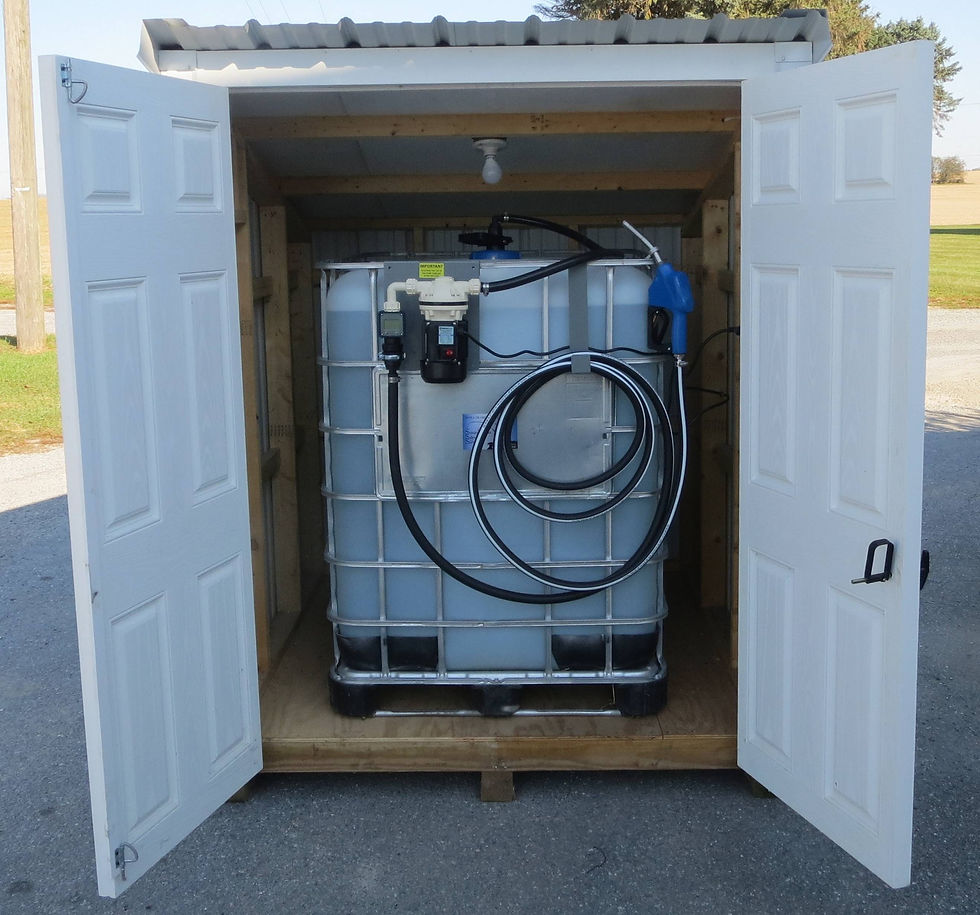
Use containers made of high-density polyethylene (HDPE). HDPE is resistant to chemicals and temperature changes. Avoid metal containers that can rust or react with DEF. Containers should be sealed tightly to prevent contamination and evaporation.
Location Tips
- Store DEF indoors in a cool, dry place.
- Avoid direct sunlight that heats the fluid.
- Keep containers off the ground to prevent temperature swings.
- Use insulated storage during cold months.
- Place near the vehicle for easy access but away from heat sources.
Credit: azurechemical.com
Preventive Measures During Use
Preventive measures during use help keep DEF fluid from freezing. These steps ensure the fluid stays effective in cold conditions. Proper care during operation reduces damage to the system.
Maintaining Fluid Temperature
Keep DEF fluid warm by storing it in a heated area before use. Avoid exposing it to freezing temperatures for long periods. Using insulated containers can help maintain fluid warmth. Warm fluid flows better and prevents blockages in the system.
Using Heated Tanks
Heated tanks provide a constant temperature for DEF storage. They prevent the fluid from freezing inside the tank. Many modern vehicles have built-in tank heaters for this reason. Using external heaters can also be effective in cold climates.
Regular Fluid Checks
Check DEF fluid levels frequently during cold weather. Low fluid levels increase the risk of freezing. Inspect the fluid for any signs of crystallization or cloudiness. Replace the fluid if it shows signs of damage or contamination.
Defrosting Frozen Def
Defrosting frozen Diesel Exhaust Fluid (DEF) requires care to avoid damage. Proper thawing restores its effectiveness and keeps engines running smoothly. Taking the right steps helps maintain DEF quality and prevents costly repairs.
Safe Thawing Methods
Thaw DEF slowly at room temperature. Avoid heat sources like heaters or direct sunlight. Place the container in a warm area away from cold drafts. Let it thaw naturally for several hours or overnight. Using warm water baths can speed up thawing but keep water below 50°C (122°F). Stir gently to mix any separated fluid.
Avoiding Damage
Do not use open flames or microwaves to thaw DEF. High heat can break down the urea solution, ruining the fluid. Avoid shaking the container violently. This can cause air bubbles and reduce fluid quality. Keep the container sealed during thawing to prevent contamination. Always check for cloudiness or crystals after thawing.
When To Replace Def
Replace DEF if it shows discoloration or strong odor. Cloudy fluid or crystals may indicate freezing damage. If the thawed DEF does not return to clear liquid, discard it. Avoid using expired DEF, as it loses effectiveness. Regularly check the expiration date and storage conditions. Using fresh DEF ensures optimal engine performance.

Credit: www.integrityfleet.us
Choosing Quality Def
Choosing quality Diesel Exhaust Fluid (DEF) is key to prevent freezing and ensure smooth engine performance. Poor quality DEF can freeze at higher temperatures, causing issues in cold weather. Understanding what makes DEF reliable helps protect your vehicle and saves maintenance costs.
Certification Standards
Quality DEF meets strict certification standards. Look for products that follow ISO 22241 guidelines. These standards control purity, urea concentration, and water quality. Certified DEF resists freezing better and prevents damage to the emission system.
Additives That Prevent Freezing
Some DEF brands add specific ingredients to lower the freezing point. These additives keep DEF liquid in colder climates. They reduce the risk of crystal formation inside tanks and lines. Always check the label to ensure freeze-preventing additives are included.
Trusted Brands
Choose DEF from well-known, trusted brands. These companies invest in quality control and testing. Trusted brands usually provide detailed product information and certification proof. Using their DEF reduces the chance of freezing and system failures.

Credit: azurechemical.com
Frequently Asked Questions
What Is Def And Why Does It Freeze?
DEF (Diesel Exhaust Fluid) is a liquid that reduces diesel emissions. It freezes at 12°F (-11°C). Freezing can block the supply system, causing engine issues.
How Can I Prevent Def From Freezing In Cold Weather?
Store DEF in a heated area or insulated container. Use vehicle heaters designed for DEF tanks to keep it above freezing temperature.
Can I Use Additives To Stop Def Freezing?
No, additives are not recommended. They can damage the DEF quality and emissions system. Use proper storage and heating methods instead.
What Happens If Def Freezes While Driving?
Frozen DEF can clog the injection system, causing the engine to enter limp mode. The vehicle may stop until DEF thaws and flows properly.
Conclusion
Keeping DEF from freezing is crucial for vehicle performance. Use proper storage solutions. Choose insulated tanks or heated containers. Monitor temperatures regularly during cold weather. Regular checks prevent freezing issues. Maintain the DEF at optimal levels. Follow manufacturer guidelines for best results.
Protecting DEF ensures smooth vehicle operation. Avoid costly repairs with these simple steps. Maintain efficiency and safeguard your investment. By implementing these tips, your DEF stays functional. Enjoy hassle-free driving all winter long. Make vehicle maintenance a priority. This ensures reliability and longevity.
Stay informed and proactive about DEF care.