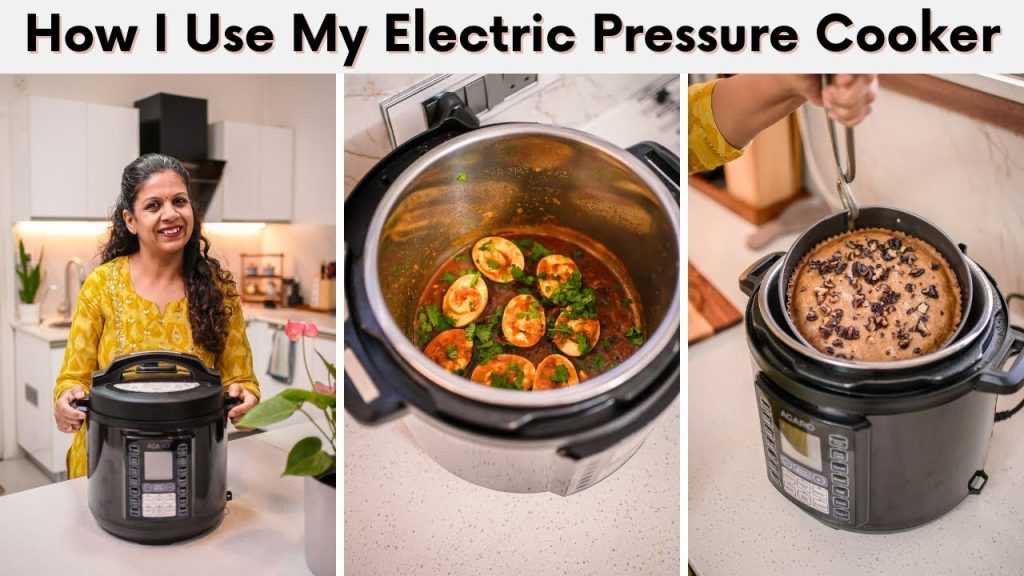
Are you ready to save time and make cooking easier? Using a pressure cooker can transform the way you prepare meals.
But if you’ve never used one before, it might feel a bit intimidating. Don’t worry—this guide will walk you through every step, so you can start cooking delicious dishes faster and with less effort. By the end, you’ll feel confident and excited to use your pressure cooker for all kinds of recipes.
Keep reading to discover simple tips and tricks that will change your cooking game!
Choosing The Right Pressure Cooker
Using a pressure cooker saves time when cooking meals. Picking the right one makes cooking easier and safer.
Consider the types, size, and material before buying a pressure cooker. These factors affect performance and durability.
Types Of Pressure Cookers
There are two main types of pressure cookers: stovetop and electric. Each type works differently and suits different needs.
Stovetop pressure cookers heat quickly and reach high pressure. Electric ones have built-in timers and settings for easy use.
- Stovetop pressure cookers: fast heating, manual control
- Electric pressure cookers: automatic settings, slower heating
Size And Capacity
Choose a pressure cooker size based on your family or meal size. Small cookers suit singles or couples, large ones fit big families.
Common sizes are 4, 6, and 8 quarts. Pick a size that matches how much food you cook often.
- 4-quart: good for 1-2 people
- 6-quart: fits 3-5 people
- 8-quart and larger: best for big families or meal prep
Material And Build Quality
Pressure cookers come in stainless steel or aluminum. Stainless steel lasts longer and looks better. Aluminum heats quickly and costs less.
Check for a sturdy lid and safety features. Good seals and pressure valves keep cooking safe and easy.
- Stainless steel: durable, resistant to rust
- Aluminum: lightweight, heats fast
- Strong lid with secure locking
- Reliable pressure release valves
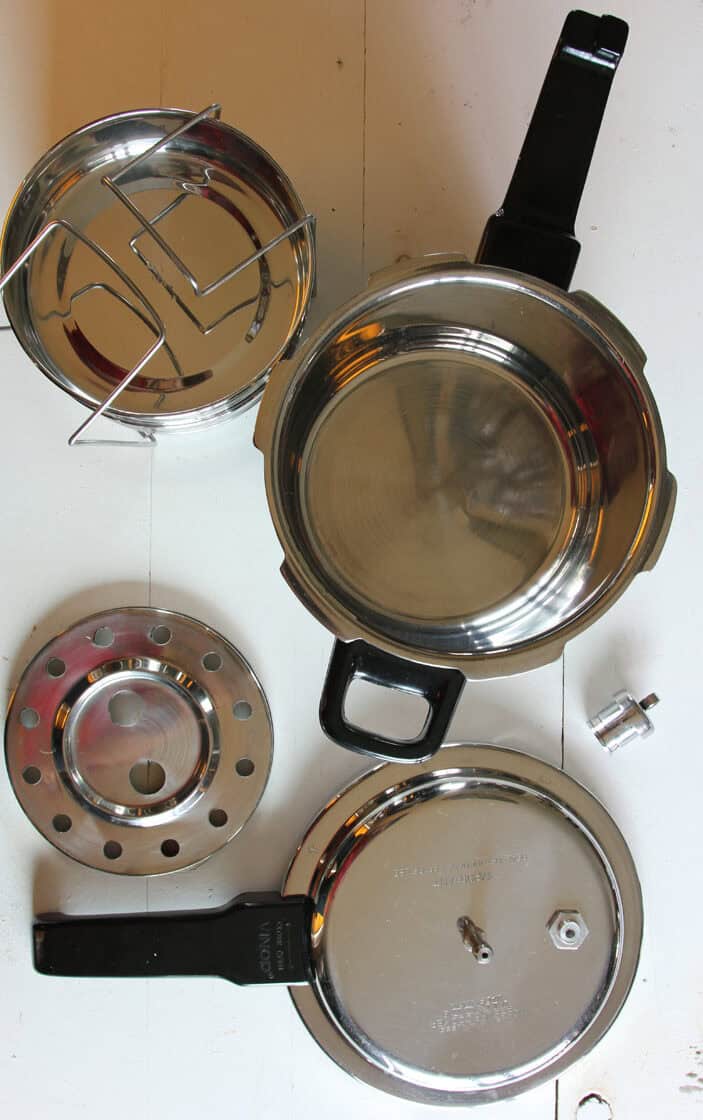
Basic Pressure Cooker Components
A pressure cooker is a sealed pot that cooks food quickly using steam pressure. It has several key parts that work together.
Knowing these parts helps you use the cooker safely and effectively. Let’s look at the main components.
Lid And Sealing Ring
The lid fits tightly on the pot to create a sealed space. It locks in steam and pressure.
A flexible sealing ring sits inside the lid. It keeps the lid airtight by filling any gaps.
- The lid must lock securely to the pot.
- The sealing ring should be clean and flexible.
- Replace the sealing ring if it cracks or hardens.
Pressure Valve
The pressure valve controls the steam inside the cooker. It lets out extra steam to keep pressure safe.
It also shows when the cooker is pressurized. You should never open the lid until the valve drops.
- Steam escapes through the valve to keep pressure steady.
- Check the valve for blockages before cooking.
- Do not force the lid open while pressure is inside.
Safety Features
Pressure cookers have safety parts to prevent accidents. These include locks and backup valves.
Safety features stop the lid from opening when pressure is high. They also release pressure if the main valve fails.
- Locking mechanisms keep the lid closed under pressure.
- Backup valves release steam if pressure gets too high.
- Always check safety parts before each use.
Preparing Ingredients For Pressure Cooking
Preparing ingredients properly helps pressure cookers work well. It also keeps food tasty and safe.
Follow simple steps like chopping and adding liquids. These tips make cooking easier and faster.
Chopping And Layering
Cut food into even pieces for quick, even cooking. Big chunks take longer to cook.
Place denser foods at the bottom of the cooker. Softer items go on top to avoid overcooking.
- Cut vegetables in similar sizes
- Layer hard vegetables first
- Add delicate foods last
- Avoid mixing thick and thin pieces together
Liquid Requirements
Pressure cookers need enough liquid to create steam. This steam cooks the food fast.
Use at least one cup of water or broth. Less liquid may cause burning or no steam.
- Check your recipe for exact liquid amounts
- Use water, broth, or juice as liquids
- Do not fill liquids above the maximum mark
Avoiding Overfilling
Do not fill the pressure cooker more than two-thirds full. Overfilling stops steam from building.
For foods that expand like rice or beans, fill only half the pot. This prevents spills and pressure problems.
- Leave space for steam to circulate
- Check the cooker’s maximum fill line
- Do not pack food tightly inside

Credit: www.abt.com
Setting Up And Operating
Using a pressure cooker saves time and energy when cooking. It cooks food quickly by trapping steam inside.
To use it safely and well, follow the right steps to set up and operate your pressure cooker.
Sealing The Lid Properly
Sealing the lid well is important to keep the pressure inside. Check the gasket or sealing ring for cracks or dirt.
- Clean the rim of the cooker before placing the lid.
- Place the lid so it fits perfectly on the pot.
- Lock the lid according to the cooker’s instructions.
- Make sure the pressure valve is closed or set correctly.
Selecting Pressure Levels
Pressure cookers often have different pressure settings. Choose the right level for your recipe to cook food properly.
| Pressure Level | Use For | Pressure Range |
| Low | Delicate foods like fish and vegetables | 5 to 7 psi |
| High | Meats, beans, and grains | 10 to 15 psi |
Adjusting Cooking Time
Set the cooking time based on the recipe and pressure level. Shorter times work well for tender foods.
- Check the recipe for suggested cooking time.
- Set the timer on your pressure cooker or watch the clock.
- Release pressure safely when cooking ends.
- Adjust time if you cook similar foods often.
Managing Pressure And Cooking Time
Using a pressure cooker saves time and cooks food evenly. Managing pressure and cooking time is key.
Knowing how to control pressure helps you cook food perfectly every time.
Reaching Pressure Quickly
Start with high heat to build pressure fast. Keep the lid sealed tightly to trap steam inside.
Watch the pressure indicator to know when the cooker is ready. Avoid opening the lid before pressure builds.
- Use enough liquid as the recipe says
- Keep the cooker on high heat until pressure rises
- Seal the lid properly to prevent steam leaks
Maintaining Steady Pressure
Once pressure is reached, lower the heat to keep it steady. Too much heat can cause pressure to spike.
Adjust the stove heat so the pressure indicator stays in the right range. This keeps food cooking evenly.
- Reduce heat after pressure builds
- Watch the pressure gauge or indicator
- Keep pressure steady for the cooking time
Using Natural Vs. Quick Release
Natural release means turning off heat and letting pressure drop slowly. This keeps food tender.
Quick release lets steam out fast by opening the valve. Use this for vegetables or quick stops.
- Natural release: wait 10-20 minutes for pressure to drop
- Quick release: open valve carefully to release steam fast
- Use natural release for meats and beans
- Use quick release for soft vegetables and seafood
Credit: www.butteredveg.com
Safety Tips While Using A Pressure Cooker
Using a pressure cooker can save time when cooking meals. It is important to use it safely to avoid accidents.
Follow safety tips to keep yourself and your kitchen safe while using a pressure cooker.
Checking The Sealing Ring
The sealing ring keeps steam inside the cooker. Check it before every use to make sure it is not cracked or damaged.
If the sealing ring is worn out, replace it. A bad ring can cause steam to escape and stop the cooker from working properly.
Avoiding Blocked Valves
Pressure cookers have valves that release steam safely. Make sure these valves are clean and not blocked by food.
- Clean valves after each use
- Check for clogs before cooking
- Use a small brush or toothpick to clear blockages
Handling Steam Safely
Steam inside the cooker is very hot and can cause burns. Always release steam carefully following the cooker instructions.
- Use a long utensil to open steam valves
- Keep your face and hands away from the steam outlet
- Wait for the cooker to cool before opening the lid
Cleaning And Maintenance
Keeping your pressure cooker clean and well-maintained helps it last longer. Regular care ensures safe and efficient cooking every time.
Follow simple steps to clean parts carefully and store the cooker properly after use.
Disassembling For Cleaning
Take the pressure cooker apart before cleaning. Remove the lid, sealing ring, and any detachable parts. Check the manual to avoid damaging the cooker.
Wash each part with warm, soapy water. Use a soft sponge to avoid scratches. Rinse well and dry completely before reassembling.
Maintaining The Sealing Ring
The sealing ring keeps steam inside. It needs regular checks and cleaning. If it cracks or hardens, replace it to keep your cooker safe.
- Remove the sealing ring from the lid after each use.
- Wash it gently with warm water and mild soap.
- Dry the ring completely before putting it back.
- Store spare sealing rings in a cool, dry place.
- Inspect the ring monthly for signs of wear or damage.
Storage Tips
| Storage Tip | Reason |
|---|---|
| Store cooker with lid upside down | Prevents odors and preserves sealing ring shape |
| Keep cooker in a dry place | Avoids rust and mold growth |
| Do not lock lid during storage | Allows air circulation and prevents pressure buildup |
| Clean cooker fully before storing | Stops food residue from attracting pests |

Credit: modernistcuisine.com
Troubleshooting Common Issues
Pressure cookers save time and energy in the kitchen. Sometimes, they may not work as expected. Knowing how to fix common problems helps you cook safely and well.
This guide covers three common issues: pressure not building, steam leaks, and food overcooked or undercooked. Read each section for easy fixes.
Pressure Not Building
If your pressure cooker does not build pressure, the problem could be one of these:
- The lid is not closed properly.
- The sealing ring is damaged or misplaced.
- There is not enough liquid inside.
- The pressure valve is blocked or stuck.
- The heat source is too low.
Check these parts and correct any issues. Make sure to add the right amount of liquid and close the lid tightly before cooking.
Steam Leaks
Steam leaks happen when steam escapes from the cooker. This stops pressure from building and wastes energy. Common causes include:
| Cause | How to Fix |
| Damaged sealing ring | Replace the sealing ring with a new one |
| Lid not closed properly | Align and lock the lid firmly |
| Food blocking the valve | Clean the valve and remove food debris |
| Warped lid or pot rim | Inspect for damage; repair or replace parts |
Always inspect the sealing ring and valve before cooking. Clean parts regularly to avoid leaks.
Food Overcooked Or Undercooked
Food may cook unevenly or not as expected. Fix this by following these tips:
- Use the right cooking time for the food type.
- Cut ingredients into uniform sizes.
- Do not overfill the cooker; follow max fill lines.
- Release pressure properly after cooking.
- Ensure the heat stays steady during cooking.
Expert Tips For Best Results
Using a pressure cooker can save time and enhance flavors. It cooks food faster by using steam pressure.
Following simple tips helps you get the best texture and taste from your meals.
Layering Ingredients For Even Cooking
Place ingredients in the cooker carefully. Put dense foods at the bottom near the heat source.
- Start with items like root vegetables or meat
- Add lighter vegetables or grains on top
- Keep delicate items on the very top to avoid overcooking
- Do not overfill the cooker to allow steam flow
Using Natural Release For Tenderness
After cooking, let the pressure drop naturally for best texture. This method keeps food moist and tender.
- Turn off the heat when cooking time ends
- Leave the pressure cooker closed for 10-20 minutes
- Wait for the pressure indicator to drop fully
- Open the lid carefully following safety steps
Adapting Recipes For Pressure Cooking
Not all recipes work the same in a pressure cooker. Adjust time and liquid to fit this method.
| Recipe Type | Time Adjustment | Liquid Needed |
| Soups and Stews | Reduce by 1/3 | Keep as original |
| Rice and Grains | Cut by half | Use slightly less |
| Vegetables | Shorten greatly | Less liquid needed |
| Meat | Depends on cut and size | Use enough to create steam |
Frequently Asked Questions
How Do You Safely Use A Pressure Cooker?
Always check the sealing ring and valve before use. Never overfill the cooker. Follow manufacturer instructions carefully to avoid accidents.
What Foods Cook Best In A Pressure Cooker?
Legumes, tough meats, rice, and vegetables cook well. Pressure cooking tenderizes tough cuts and saves cooking time significantly.
How Long Does Pressure Cooking Usually Take?
Cooking times vary by food type, typically 5 to 30 minutes. Always follow recipe guidelines for best results.
Can You Open A Pressure Cooker Anytime?
No, wait until pressure fully releases. Opening too soon can cause burns and spills.
Conclusion
Using a pressure cooker saves time and energy in the kitchen. It cooks food quickly and keeps flavors rich. Always follow safety steps to avoid accidents. Clean the cooker after each use to keep it working well. Practice a few times to get comfortable with it.
Enjoy tasty meals with less effort and fuss. A pressure cooker can make cooking easier and faster for everyone. Give it a try and see the difference yourself.