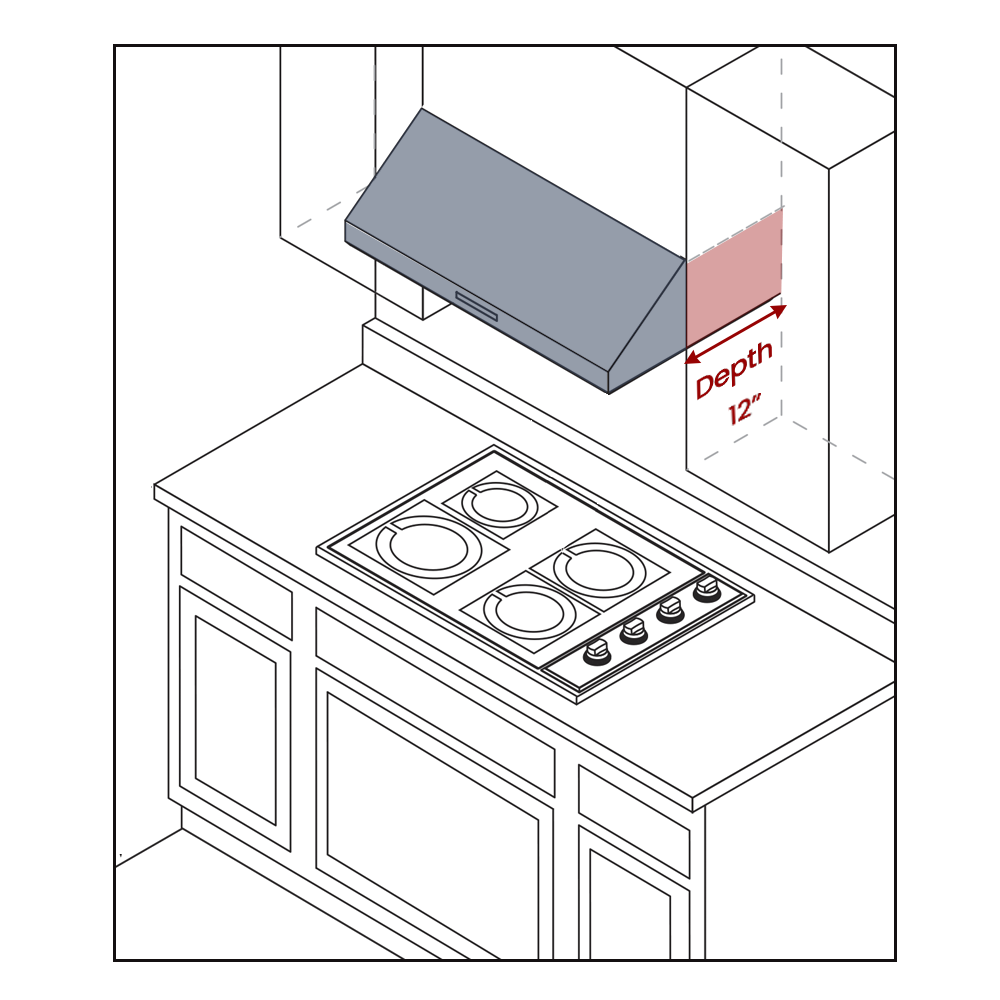
Have you ever wondered why your kitchen sometimes feels like a smoke-filled battlefield after cooking a meal? It might be time to take a closer look at your range hood.
One crucial factor that often gets overlooked is the height at which your range hood is installed above your stove. This small detail can make a world of difference in your cooking experience, from the quality of air you breathe to the efficiency of your kitchen setup.
In this blog post, you’ll discover the ideal height for your range hood, ensuring that it not only enhances the aesthetics of your kitchen but also maximizes its functionality. Stick around, because what you learn could transform your cooking space into the pleasant, smoke-free haven you’ve always wanted.
Credit: www.sydneyrangehoods.com.au
Ideal Height For Range Hoods
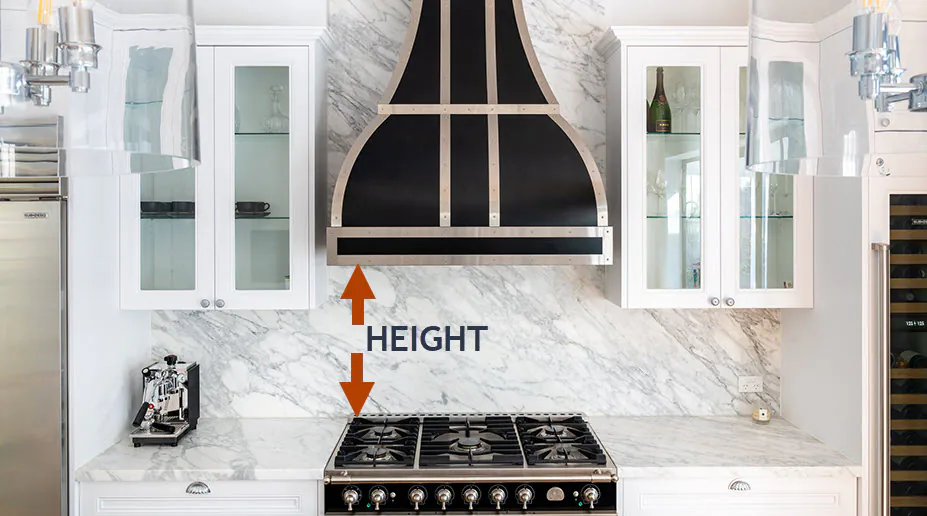
Knowing the ideal height for your range hood can make a big difference in your kitchen’s air quality and cooking comfort. Positioning it correctly ensures that smoke, steam, and odors are captured efficiently without interfering with your cooking space. But what height works best, and what should you consider before installation?
Recommended Distance Above Stove
The most common recommendation is to install the range hood between 24 to 30 inchesabove the cooking surface. This range strikes a balance between effective ventilation and enough clearance to avoid bumping your head or catching fire hazards.
For gas stoves, the height should be closer to 27-30 inches to prevent heat damage to the hood. Electric stoves allow for a slightly lower placement, around 24-27 inches. Have you measured your stove’s size and burner type before deciding where to place your hood?
Factors Influencing Height
Several factors affect the ideal height of your range hood:
- Type of Cooking:If you frequently cook with high flames or lots of steam, a higher hood might be safer and more effective.
- Hood Power:More powerful hoods can be installed higher without losing efficiency.
- Ceiling Height:Low ceilings limit how high you can mount the hood, while taller ceilings provide more flexibility.
- Kitchen Design:Consider cabinets, lighting, and your own height to make the hood comfortable to use.
Think about your daily cooking habits and kitchen setup. Could your cooking style require a custom height adjustment? Getting this right can save you from constant adjustments or poor air quality.
Types Of Range Hoods And Height Requirements
Range hoods come in different types, each with specific height needs above the stove. The right height ensures strong ventilation and safety. Choosing the proper hood and height improves kitchen air quality and cooking comfort.
Under-cabinet Hoods
Under-cabinet hoods install beneath kitchen cabinets. They fit well in smaller kitchens with limited space. The ideal height for these hoods is usually 20 to 24 inches above the stove. This height balances effective smoke capture and safe clearance from heat. Check the manufacturer’s guide for exact recommendations. Too low can block cooking space, too high reduces suction power.
Wall-mounted Hoods
Wall-mounted hoods attach to the wall above the stove. They offer strong ventilation and a stylish look. The standard height range is 24 to 30 inches above the cooking surface. Taller ceilings may require adjusting the height. Proper installation prevents heat damage and maximizes smoke removal. Make sure the hood covers the entire cooking area for best results.
Island Hoods
Island hoods hang from the ceiling over stoves on kitchen islands. They need more clearance due to open space around them. The recommended height is between 28 and 36 inches above the stove. This height avoids head bumps and keeps air flow efficient. The hood size should match the cooktop width for full coverage. Stronger fans often pair with island hoods to handle open kitchen layouts.
Impact Of Height On Performance
The height of a range hood above the stove greatly affects its performance. Choosing the right height balances safety, efficiency, and comfort. Too high or too low can cause problems in kitchen ventilation.
Understanding how height impacts key factors helps in selecting the best installation height.
Ventilation Efficiency
Range hoods work best when placed at the right height. If too high, smoke and steam may spread before capture. This lowers air quality and leaves odors behind. Too low, and the hood may block your cooking space.
Optimal height ensures the hood pulls out smoke quickly. It creates a strong airflow to clear the kitchen air. The usual recommended height is between 24 and 30 inches above the stove.
Noise Levels
Noise from the range hood depends on fan speed and distance. When the hood is too close, you hear more sound. The motor and airflow noise become louder near your ears.
Installing the hood at the right height reduces noise impact. It also allows the fan to run efficiently without extra strain. Proper height helps keep kitchen noise at a comfortable level.
Heat And Smoke Capture
Heat rises quickly from the stove. A hood placed too high misses capturing hot air and smoke fast. This lets heat linger, making cooking less pleasant.
At the correct height, the hood traps heat and smoke immediately. It prevents buildup and protects cabinets and walls from damage. Efficient capture keeps the kitchen cleaner and safer.
Credit: blog.yaleappliance.com
Safety And Building Codes
Understanding safety and building codes is key when deciding how high to install your range hood. These rules are designed to protect you from hazards like fire, smoke, and poor ventilation. Ignoring them can lead to costly repairs or even dangerous situations in your kitchen.
Local Regulations
Local building codes vary widely depending on your city or state. These rules often specify the minimum and maximum height for range hoods above stoves. Checking with your local building department or a licensed contractor helps you avoid violations and ensures your installation meets legal standards.
For example, some areas require the hood to be at least 24 inches above an electric stove but allow less clearance for gas ranges. Have you checked your local codes before starting your kitchen remodel? It’s a step many skip but shouldn’t.
Fire Safety Guidelines
Fire safety is a top priority when placing your range hood. Most guidelines recommend keeping the hood at least 30 inches above a gas stove to prevent heat damage or ignition of materials. Using non-combustible materials around the cooking area adds an extra layer of protection.
Remember, a hood too low can trap heat and grease, increasing fire risk. Too high, and it won’t capture smoke effectively. Getting this balance right keeps your kitchen safer and your air cleaner.
Installation Tips For Optimal Height
Setting the right height for your range hood ensures it works well and looks good. Proper installation helps remove smoke, steam, and odors effectively. It also prevents damage to your hood and keeps your kitchen safe.
Measuring And Marking
Start by measuring the distance from your stove top to the ceiling. Use a tape measure to find the middle point above the stove. Mark the exact height where the hood will be installed. Make sure the marks are level and clear.
Follow the manufacturer’s recommended height. Usually, this is between 24 and 30 inches above the stove. Mark the spots for screws or brackets based on these measurements.
Adjusting For Stove Type
Gas stoves need more clearance than electric ones. This is because gas flames generate more heat. For gas stoves, keep the hood between 27 and 30 inches high. For electric stoves, 24 to 27 inches is enough.
Check your stove’s size and design. Wider stoves might need wider hoods. This affects where you place the hood for best coverage.
Ensuring Proper Venting
Plan the vent path before installation. Short, straight vents work best for airflow. Avoid sharp bends or long duct runs.
Use the right duct size and material. Metal ducts are better than plastic for durability and safety. Seal all joints tightly to prevent leaks.
Make sure the vent exits outside your home. Proper venting keeps your kitchen air fresh and clean.
Common Mistakes To Avoid
Getting the height of your range hood right is more important than many realize. Mistakes here can lead to poor ventilation, safety risks, and an inefficient kitchen setup. Understanding common pitfalls helps you avoid costly fixes and keeps your cooking space comfortable and clean.
Too High Or Too Low Placement
Placing your range hood too high means it won’t capture all the smoke and odors effectively. You might think a higher hood looks better, but it sacrifices performance. On the other hand, putting it too low can interfere with cooking, making it hard to use pots and pans without bumping your head.
Think about the last time you cooked and noticed lingering smells or greasy walls. That’s often the result of a hood placed outside the ideal range. The right height usually falls between 24 to 30 inches above the stove, but this depends on your hood type and stove.
Ignoring Manufacturer Instructions
Every range hood comes with specific installation guidelines for a reason. Skipping these details can lead to ventilation problems and void your warranty. I once helped a friend install a hood without checking the manual; it was too close to the stove and caused overheating issues.
Always read the instructions carefully and follow the recommended height and clearance. It’s not just about safety—it ensures your hood works as intended, removing smoke and grease efficiently. Have you checked the manual before installation, or did you rely on guesswork?
Customizing Height For Unique Kitchens
Adjusting the height of your range hood is essential to match your kitchen’s unique setup. Every kitchen is different, and a one-size-fits-all approach rarely works. By customizing the height, you ensure optimal performance, better air circulation, and a design that fits your space perfectly.
High Ceilings And Large Ranges
If your kitchen has high ceilings, placing the range hood too low can make the space feel cramped. You might need to mount it higher than usual to maintain balance and visual appeal. However, raising it too much can reduce its effectiveness in capturing smoke and odors.
For large ranges, the hood should be wide enough and positioned carefully. Aim for a height that allows the hood to cover the entire cooking surface without hanging too low. Typically, this means installing the hood between 30 to 36 inches above the stove, but with high ceilings, you may need to adjust closer to the upper limit.
Ask yourself: does your current setup capture all cooking fumes efficiently? If not, adjusting height could solve this without replacing the whole unit.
Compact Kitchen Solutions
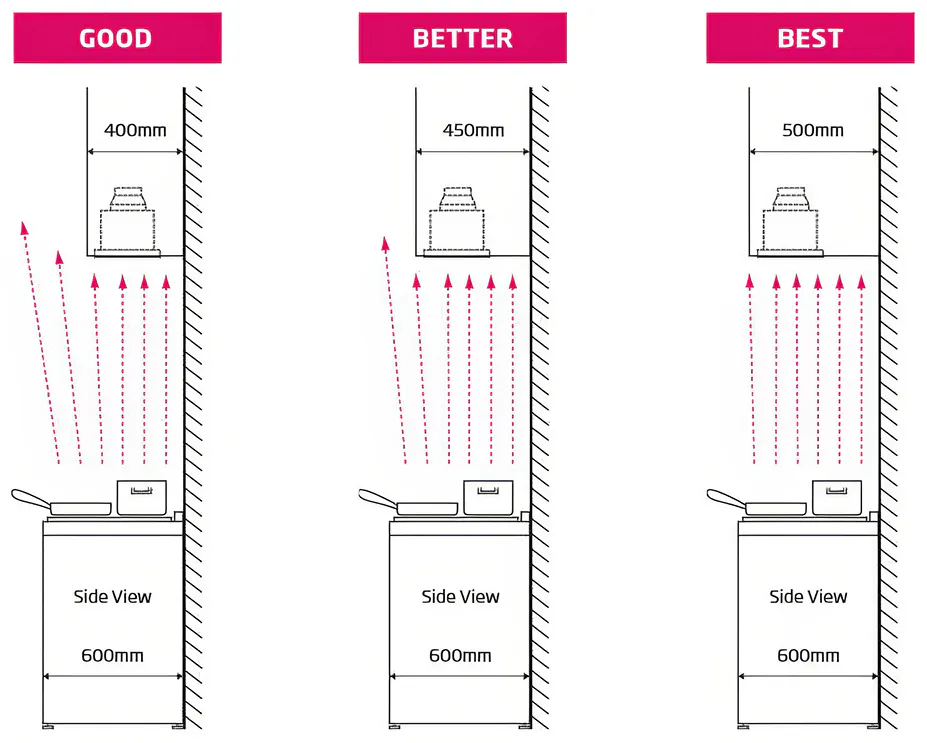
Small kitchens require a different approach to range hood height. Space is limited, so the hood must be close enough to catch smoke but not so low it interferes with cooking. In compact spaces, 24 to 30 inches above the stove usually works best.
Consider slim or wall-mounted hoods to save space without sacrificing performance. You can also look for models with adjustable height brackets, giving you flexibility as your kitchen needs change.
Think about your cooking habits here. Do you need quick ventilation or a quieter, less intrusive hood? Finding the right height makes a big difference in your daily kitchen experience.
Credit: www.sydneyrangehoods.com.au
Frequently Asked Questions
How High Should A Range Hood Be Above A Gas Stove?
A range hood should be installed 24 to 30 inches above a gas stove. This height ensures efficient smoke and odor removal. It also complies with most manufacturer recommendations and safety standards for gas appliances.
What Is The Ideal Height For An Electric Stove Hood?
For electric stoves, the range hood should be placed 20 to 24 inches above the cooking surface. This distance balances effective ventilation with safety, preventing heat damage to the hood while capturing steam and odors well.
Does Range Hood Height Affect Ventilation Efficiency?
Yes, the height directly impacts ventilation efficiency. If too high, smoke and grease may not be captured. If too low, it can interfere with cooking and pose safety risks. Proper height ensures optimal airflow and kitchen comfort.
Can Range Hood Height Vary By Kitchen Design?
Yes, kitchen layout and ceiling height can affect hood placement. However, it’s best to follow manufacturer guidelines and local codes. Custom adjustments should still maintain effective ventilation and safety clearances.
Conclusion
Choosing the right height for your range hood improves kitchen safety and air quality. A hood placed too low may block your view and cause accidents. Too high, and it won’t remove smoke or smells well. Aim for the recommended distance to keep your cooking space clean and comfortable.
Proper installation helps your hood work at its best. Now, you can cook with less worry about smoke or grease. A well-set range hood makes your kitchen safer and more pleasant. Simple steps lead to better cooking experiences every day.