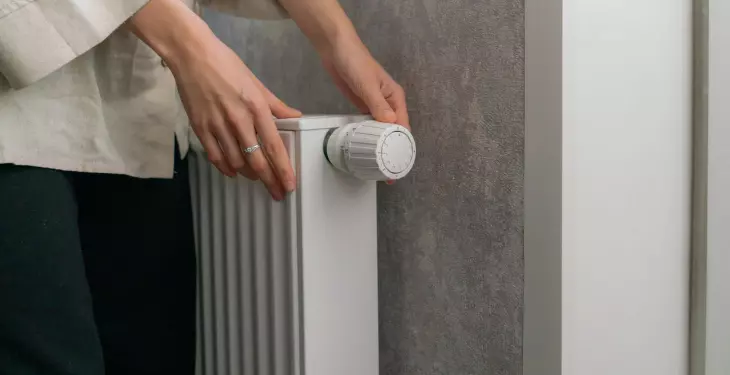
Have you ever touched your radiator and wondered just how hot it really gets? Knowing the answer can help you stay safe and keep your home comfortable.
Whether you’re curious about your heating system or worried about burns, understanding how hot a radiator can become is important. You’ll discover the facts about radiator temperatures, why they heat up the way they do, and simple tips to protect yourself and your family.
Keep reading to learn what you need to know about your radiator’s heat.
Radiator Temperature Range
Understanding the temperature range of a radiator is essential for both safety and efficiency. Radiators need to reach a high enough temperature to warm your space effectively but not so hot that they become a hazard. Knowing how hot your radiator gets can help you set your heating system wisely and avoid burns or energy waste.
Average Heat Levels
Most home radiators operate between 120°F and 180°F (49°C to 82°C). This range is enough to heat rooms comfortably without overheating. Some models can go higher, especially in older or industrial systems, sometimes reaching up to 200°F (93°C).
Have you ever touched a radiator and felt it too hot to handle? That’s usually because the temperature is at the upper end of this range. Knowing these numbers helps you understand what to expect and when to be cautious around your radiator.
Factors Influencing Heat
The heat level of a radiator depends on several factors. The type of radiator, the water temperature inside it, and the room size all play a role.
- Water temperature:Hotter water means a hotter radiator.
- Radiator type:Cast iron radiators retain heat longer but heat up slower than aluminum ones.
- Thermostat settings:Your thermostat controls how hot the water gets, which affects radiator temperature.
- Room insulation:Poor insulation means the radiator works harder and might get hotter to maintain warmth.
Have you adjusted your thermostat recently? Small changes can significantly impact how hot your radiator feels and how efficiently it heats your space.
Comparison With Other Heating Devices
Radiators heat differently compared to devices like space heaters or underfloor heating. Space heaters can reach higher surface temperatures, often above 250°F (121°C), but they heat smaller areas directly.
Underfloor heating systems operate at much lower temperatures, usually between 85°F and 110°F (29°C to 43°C), providing gentle and even warmth. Radiators strike a balance by heating the air through convection and radiation at moderate temperatures.
Thinking about switching your heating system? Consider how each device’s heat level affects comfort and safety in your home. Which one fits your lifestyle and heating needs best?

Credit: www.reddit.com
Materials Affecting Heat Retention
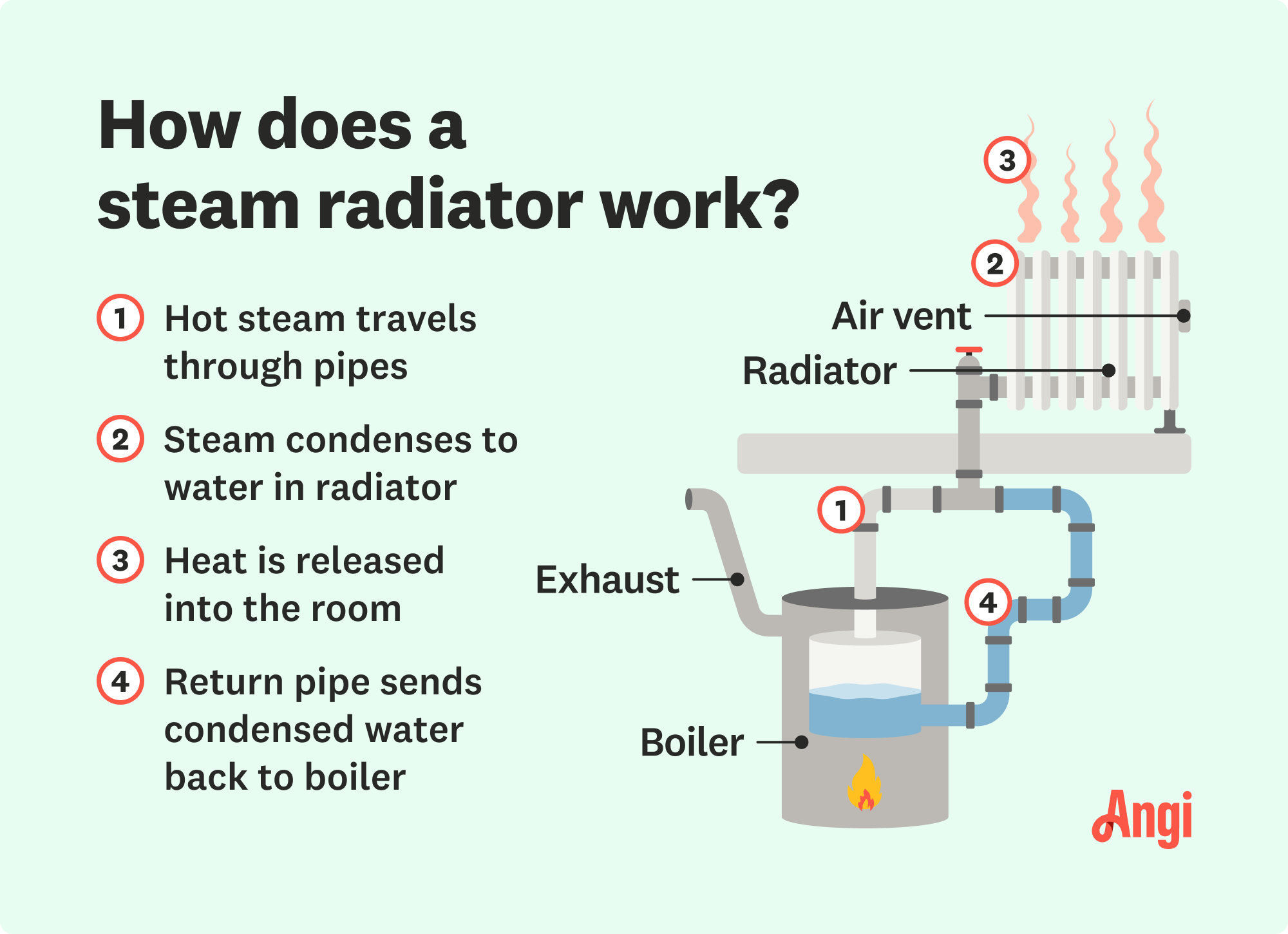
Radiators heat a room by transferring warmth from hot water or steam to the air. The materials used in a radiator greatly affect how much heat it retains and releases. Different metals and finishes change how fast the radiator heats up and cools down. Understanding these materials helps explain why some radiators feel hotter or stay warm longer than others.
Metal Types Used
Radiators are made from various metals, each with unique heat properties. Common metals include:
- Cast Iron:Holds heat well and releases it slowly. Great for steady warmth.
- Steel:Heats up quickly but cools down faster than cast iron.
- Aluminum:Very fast at heating and cooling. Lightweight and efficient.
Cast iron radiators stay warm longer after the heating stops. Aluminum radiators react quickly to temperature changes but lose heat faster.
Surface Finishes And Coatings
The surface finish of a radiator also affects heat retention. Smooth and shiny finishes reflect heat, reducing warmth transfer. Matte or textured surfaces improve heat radiation to the room.
Special coatings can protect the metal and improve heat output. Some paints help spread heat evenly. Others prevent rust, which can reduce efficiency over time.
Safety Concerns Around Radiators
Radiators can get very hot, which raises important safety concerns. Knowing how to stay safe around radiators helps prevent accidents. Heat from radiators can cause burns and other injuries. Taking simple precautions keeps everyone safe in the home.
Burn Risks
Radiators often reach temperatures between 150°F and 180°F (65°C to 82°C). Such heat can cause painful burns on contact. Skin can get red, blistered, or damaged after touching a hot radiator. Even brief contact can be dangerous, especially for sensitive skin.
Metal surfaces of radiators conduct heat well. This makes them hotter than other heating devices. Radiators without covers or guards increase the risk of burns. Keep a safe distance and avoid direct contact.
Child And Pet Safety Tips
- Use radiator covers or guards to block direct contact.
- Place furniture or barriers to keep children and pets away.
- Teach children not to touch radiators or sit close to them.
- Check radiator temperature regularly to ensure it is safe.
- Never leave children or pets unattended near hot radiators.
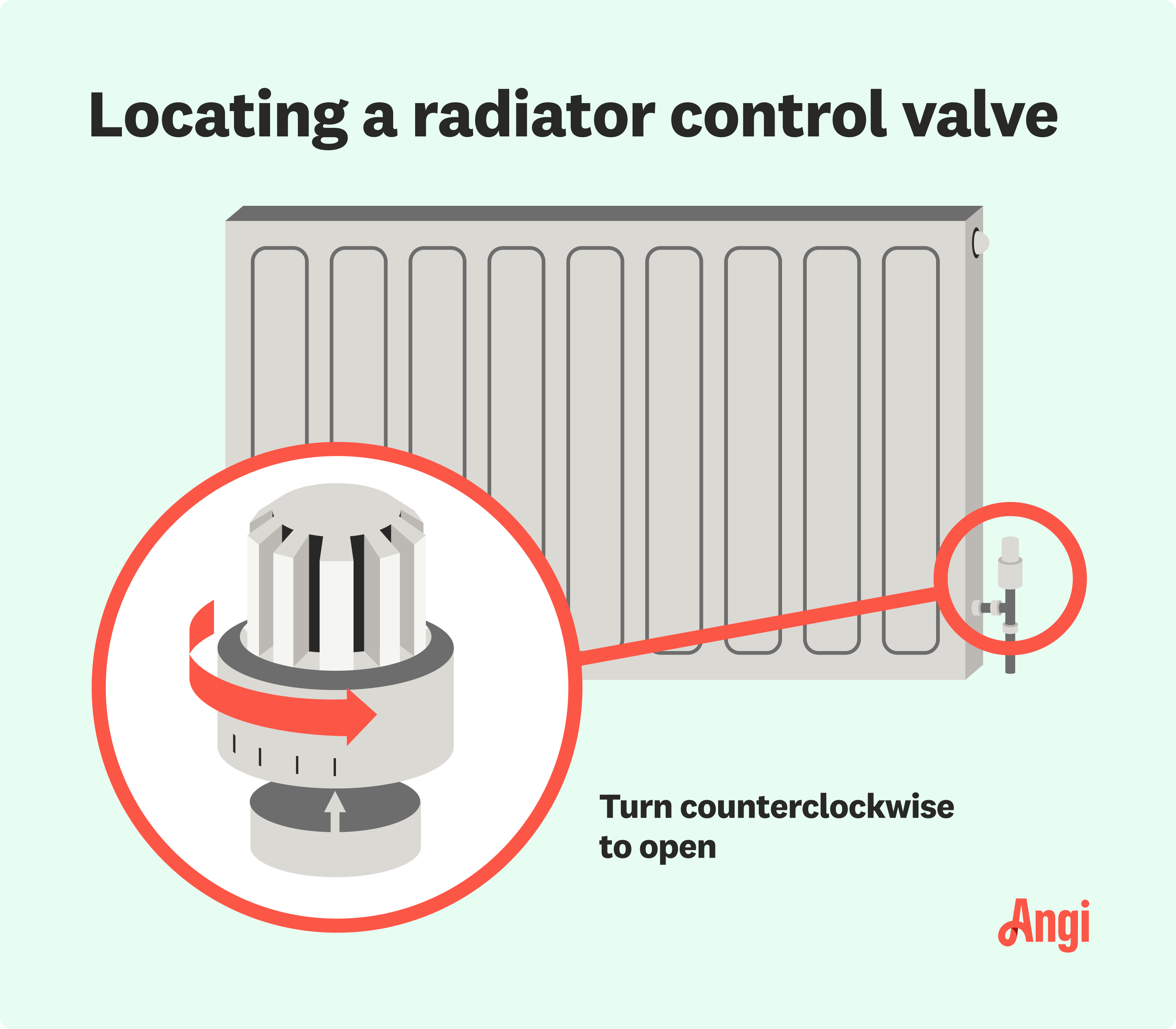
- Consider thermostatic radiator valves to control heat output.
Taking these simple steps reduces the chance of burns. Safe use of radiators protects your family and pets from harm.
Credit: www.angi.com
Energy Efficiency And Heat Output
Understanding the balance between energy efficiency and heat output is essential for managing your home’s warmth without wasting power. Radiators that get too hot may waste energy, while those that don’t heat enough leave you reaching for extra layers. Let’s explore how heat affects energy use and what you can do to improve your radiator’s performance.
How Heat Impacts Energy Use
The hotter a radiator gets, the more energy it consumes. High temperatures can heat a room quickly but might also cause your heating system to work harder than necessary. Have you noticed your bills spike during colder months? That’s often because radiators run hotter than they need to be.
Maintaining a moderate temperature on your radiator can reduce energy consumption while still keeping your space comfortable. You might think turning the radiator all the way up is faster, but it often leads to wasted heat escaping through walls and windows.
Improving Radiator Performance
Simple adjustments can make a big difference in how efficiently your radiator heats your home. Bleeding your radiators to remove trapped air ensures heat spreads evenly. I once ignored this, and my living room stayed cold even with the thermostat high—after bleeding, the warmth improved instantly.
Adding reflective panels behind radiators helps direct heat into the room instead of the wall. Also, regularly checking for leaks and insulating your pipes can keep heat where it belongs. What small changes could you make today to boost your radiator’s efficiency?
Maintenance Tips To Manage Heat
Managing the heat of a radiator is key for safety and comfort. Regular maintenance keeps radiators working efficiently and prevents overheating. Simple tasks can extend the life of your heating system and improve warmth control.
Bleeding Radiators
Air trapped inside radiators reduces heat output. Bleeding removes this air and restores proper function. Use a radiator key or flat screwdriver to open the valve slightly. You will hear a hissing sound as air escapes. Close the valve once water starts to drip out. Regular bleeding helps maintain even heat and prevents cold spots.
Cleaning And Upkeep
Dust and dirt block heat from radiators. Wipe the surface with a damp cloth regularly. Vacuum behind and under the radiator to clear dust buildup. Check for leaks or rust spots and fix them quickly. Paint peeling can reduce heat efficiency. Keep furniture and curtains away to allow free heat flow. Clean radiators work better and stay warmer for longer.
Innovations In Radiator Design
Radiators have come a long way from the bulky, hot-to-touch units of the past. Today’s designs focus not only on heating efficiency but also on user comfort, safety, and environmental impact. Innovations in radiator technology make it easier for you to control the heat in your home without wasting energy or risking burns.
Smart Temperature Controls
Imagine adjusting your radiator’s heat from your phone before you even step inside. Smart temperature controls allow you to do just that by connecting radiators to apps and home automation systems. This technology helps maintain a consistent temperature, reducing energy waste by heating only when needed.
Some models learn your routine, adjusting heat automatically to save money and keep you comfortable. Have you ever forgotten to turn off your radiator before leaving home? Smart controls solve this by giving you remote access and scheduling options.
Eco-friendly Models
Eco-friendly radiators use sustainable materials and designs to reduce environmental impact. Many are made from recycled metals and designed to operate at lower temperatures while providing the same warmth. This means less energy consumption and fewer emissions from your heating system.
Some newer models also integrate with renewable energy sources like solar panels. Choosing an eco-friendly radiator could be your next step toward reducing your household’s carbon footprint. How much could you save by switching to a greener heating option?
Credit: www.angi.com
Frequently Asked Questions
How Hot Can A Radiator Get?
Radiators can reach temperatures between 160°F and 180°F. This range ensures efficient heating in homes. However, this can vary based on the system’s settings and type.
Is It Safe To Touch A Hot Radiator?
Touching a hot radiator isn’t safe. Surface temperatures can cause burns. Always exercise caution around radiators, especially with children and pets.
Why Does My Radiator Get Extremely Hot?
Radiators can overheat due to thermostat issues or trapped air. Ensure regular maintenance to avoid overheating and ensure optimal efficiency.
Can Radiators Cause A Fire?
Radiators are designed to be safe. However, flammable materials should be kept away. Ensure no items are placed directly on or too close to them.
Conclusion
Radiators get quite hot, usually between 150 and 180 degrees Fahrenheit. This heat helps warm up rooms quickly and efficiently. It is important to be careful around radiators to avoid burns. Regular checks keep them working safely and well. Understanding radiator heat helps you use heating systems better.
Keep your space warm and comfortable all winter long. Simple care and attention go a long way. Radiators play a key role in home heating. Stay safe and enjoy the cozy warmth they provide.