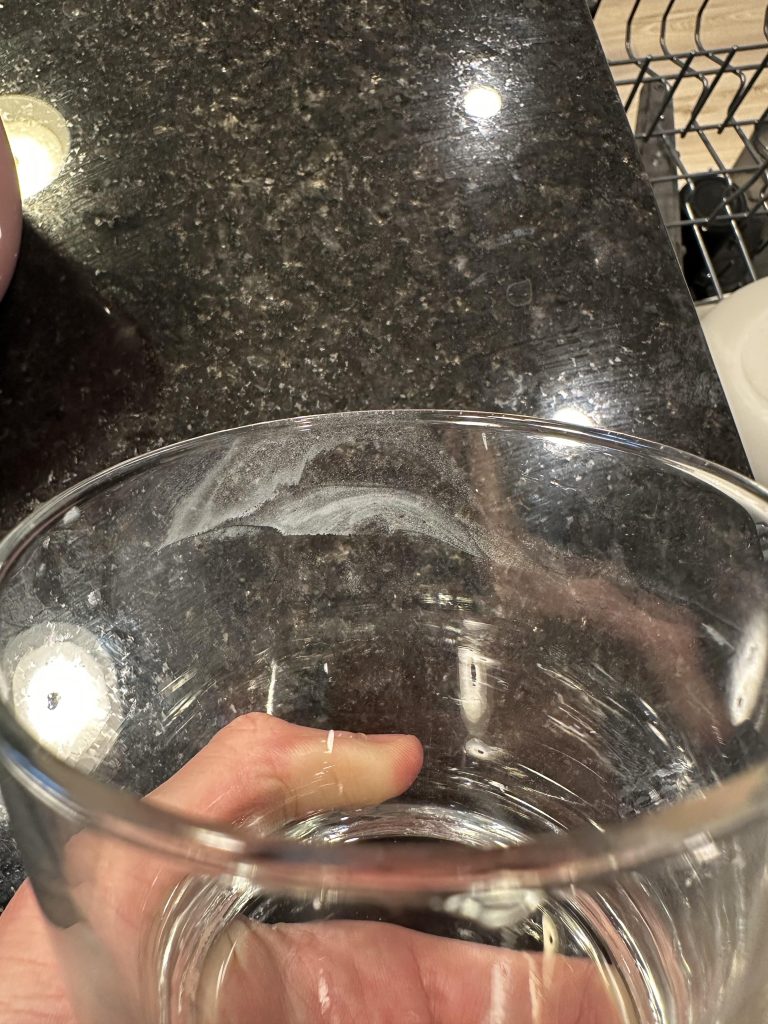
Have you ever opened your dishwasher, excited to unload your sparkling clean glasses, only to be met with an unpleasant smell? You’re not alone.
Many people experience this unexpected odor, and it can be both confusing and frustrating. The question “Why do my glasses smell after the dishwasher? ” Might have crossed your mind more than once. We’ll delve into the reasons behind this pesky problem, offering you insights and solutions to ensure your glasses smell as fresh as they look.
Stay with us to uncover the mystery and learn how to keep your glasses odor-free for good.
Common Causes Of Smelly Glasses
Noticing a strange smell on your glasses right after running them through the dishwasher can be frustrating. Understanding why this happens can help you fix the problem quickly and avoid unpleasant surprises during your next meal. Several factors can cause your glasses to retain odors, and pinpointing the exact cause can save you time and effort.
Residue Buildup
Residue from food particles and oils can stick to your glasses even after a dishwasher cycle. This leftover grime traps odors and makes your glasses smell unpleasant. Regularly checking for residue on both the glasses and inside the dishwasher can prevent this issue.
Detergent Issues
Not all detergents are created equal. Using too much detergent or one that doesn’t dissolve well can leave a film on your glasses that carries a bad smell. You might want to experiment with different brands or adjust the amount you use to find what works best for your dishwasher.
Dishwasher Cleanliness
When was the last time you cleaned your dishwasher? Grease, food scraps, and soap scum can build up inside the machine, causing odors that transfer to your glasses. Running a cleaning cycle or wiping down the interior parts can help keep smells at bay.
Water Quality
Hard water with high mineral content can affect how well your dishwasher cleans. Minerals can deposit on glassware, leading to a strange taste or smell. Installing a water softener or using rinse aids designed for hard water may improve the smell and cleanliness of your glasses.
Drying Problems
If your dishwasher doesn’t dry well, moisture can linger on your glasses, creating a breeding ground for bacteria or mold. This damp environment often causes musty odors. Make sure your dishwasher’s drying function is working properly or consider opening the door slightly after the cycle to let moisture escape.

Credit: www.reddit.com
How Residue Leads To Odor
Have you ever noticed a strange smell lingering on your glasses right after they’ve been washed in the dishwasher? This isn’t just a random occurrence. Residue buildup from your dishwasher can cling to your glasses and cause unpleasant odors. Understanding how these residues form can help you prevent that unwanted smell and keep your glasses fresh and clean.
Food Particles And Grease
Small bits of food and grease can stick to your glasses during the washing cycle. Even when your dishwasher seems to clean well, some particles might not fully rinse away. These leftovers start to break down over time, creating odors that cling to the glass surface.
Have you ever found tiny spots on your glasses after a dishwasher run? Those could be the food particles and grease not fully removed. Regularly checking and pre-rinsing your dishes can reduce this problem significantly.
Soap Scum Formation
Soap scum forms when detergent mixes with minerals in water and leaves a film on your glasses. This film can trap odors and make your glasses feel sticky or dull. If your detergent isn’t fully rinsed off, that soap residue builds up and causes an unpleasant smell.
Try using less detergent or switching to a high-quality rinse aid. These small changes can help prevent soap scum and keep your glasses smelling clean after every wash.
Hard Water Deposits
Hard water contains minerals like calcium and magnesium that can leave spots and a chalky residue on your glasses. These deposits can hold onto odors and make glasses look cloudy. Over time, hard water buildup worsens, making it harder to wash away smells.
Using a dishwasher cleaner designed to remove mineral deposits can help. You might also consider installing a water softener if hard water is a constant issue in your home.
Detergent And Rinse Aid Effects
Have you ever noticed a strange smell lingering on your glasses after running them through the dishwasher? This often happens due to the detergent and rinse aid used during the wash cycle. These cleaning agents can leave behind residues or odors that cling to the glass surface, affecting your drinking experience.
Using Too Much Detergent
Using excessive detergent is a common mistake that leads to unpleasant smells on your glasses. Too much detergent doesn’t fully rinse off, leaving a soapy residue behind. This residue can emit a chemical or sour odor, which you’ll notice especially when sipping from your glass.
Try reducing the amount of detergent you use and observe if the smell fades. Sometimes, less detergent means a cleaner rinse and fresher glasses.
Low-quality Detergents
Not all detergents are created equal. Lower-quality detergents often contain strong fragrances and fillers that can stick to your glassware. These ingredients might smell fine in the bottle but leave a persistent scent once dried.
Consider switching to a high-quality, fragrance-free detergent designed for glassware. This simple change can make a big difference in how your glasses smell after washing.
Rinse Aid Residues
Rinse aids help glasses dry faster and prevent spots, but they can also cause odors if not used properly. If too much rinse aid is added or it doesn’t rinse off completely, it can leave a sticky film that traps smells.
Check your dishwasher’s rinse aid settings and adjust the amount to avoid overuse. Have you ever tried wiping your glasses with a vinegar solution after the dishwasher? It can help remove rinse aid residues and freshen up the smell instantly.

Credit: www.reddit.com
Maintaining Your Dishwasher
Maintaining your dishwasher is key to preventing unpleasant smells on your glasses. Dirt, food particles, and soap scum can build up inside the machine. This buildup causes odors that transfer to your glasses after washing. Regular care keeps your dishwasher clean and your glasses fresh.
Cleaning Filters And Seals
Filters catch food debris to stop clogs. Clean them at least once a month. Remove the filter and rinse under warm water. Use a soft brush to clear stubborn bits. Seals around the door can trap dirt and mold. Wipe seals with a damp cloth and mild soap. Check for cracks or damage and replace if needed.
Running Dishwasher Cleaners
Dishwasher cleaners help remove grease and scale inside the machine. Run a cleaning cycle once a month. Place the cleaner in the detergent slot. Use a product made for dishwashers only. These cleaners dissolve grime and freshen your dishwasher. This step reduces bad odors on your dishes and glasses.
Regular Maintenance Tips
- Check spray arms for blockages and clean them.
- Leave the door open after each wash to air dry.
- Use the right amount of detergent to avoid residue.
- Inspect and clean the drain area regularly.
- Run hot water before starting a cycle for better cleaning.
Simple maintenance keeps your dishwasher running well. It prevents smells and keeps your glasses spotless. Consistent care saves money and improves hygiene in your kitchen.
Improving Water Quality
Improving the quality of your water can make a big difference in why your glasses smell after running them through the dishwasher. Hard water often leaves behind minerals and residues that cause unpleasant odors. Addressing water quality can help keep your glassware fresh and sparkling.
Water Softening Solutions
Hard water contains high levels of calcium and magnesium, which can cling to your glasses and cause a musty smell. Installing a water softener can reduce these minerals by replacing them with sodium or potassium ions. This simple change often prevents buildup and keeps your dishes smelling clean.
If you’ve noticed a chalky residue or cloudy spots on your glasses, softening your water might be the fix you need. Have you checked if your home’s water is hard? It’s worth finding out to avoid ongoing issues with your dishwasher.
Checking For Mineral Content
Testing your water’s mineral content is a practical step to understand what’s causing the odor. You can use affordable home test kits or ask your local water supplier for a detailed report. Knowing the exact minerals present helps you choose the right treatment method.
For example, high iron levels can leave a metallic smell on your glasses. Identifying this early allows you to take targeted action, such as installing an iron filter, rather than guessing what’s wrong.
Using Filtered Water
Switching to filtered water for your dishwasher can reduce smells caused by impurities. Simple inline filters or pitcher filters remove chlorine, sediments, and other contaminants that affect taste and odor. This small change often leads to fresher-smelling glassware straight from the dishwasher.
Consider this: if your tap water smells off, how can you expect your glasses to smell clean after washing? Filtering water is an easy step that might save you from constantly battling unwanted odors.
Drying Techniques To Prevent Odor
Drying your glasses properly after a dishwasher cycle plays a crucial role in preventing that unpleasant odor. If moisture lingers on the surface or inside the frames, it creates an environment where bacteria and mildew thrive. Paying attention to how you dry your glasses can make a big difference in keeping them fresh and odor-free.
Proper Ventilation
Good airflow is essential to help your glasses dry quickly. Leaving the dishwasher door slightly open after the cycle allows steam to escape and air to circulate. This simple step reduces trapped moisture that causes smells.
Try placing your glasses in a well-ventilated area instead of a cramped cabinet immediately after washing. Have you noticed how items dry faster near a window or fan? Use that natural airflow advantage to your benefit.
Using Heated Dry Cycle
The heated dry cycle in dishwashers is designed to speed up the drying process and minimize water spots. Activating this option helps remove excess moisture that can linger on your glasses.
However, it’s important to check if your glasses are dishwasher-safe for heated drying to avoid damage. If your glasses tolerate the heat, this cycle can be a quick fix to reduce odors without any extra effort.
Manual Drying Options
If you want to take control, drying your glasses manually works wonders. Use a clean, lint-free cloth or microfiber towel to wipe off water immediately after the dishwasher cycle ends.
Pay special attention to the nose pads and hinges where moisture tends to hide. Hand drying ensures no damp spots remain, cutting off the breeding ground for bacteria.
Have you ever tried air-drying your glasses on a rack with a soft towel underneath? This method combines natural drying with protection from scratches, a smart alternative if you prefer to avoid heat.
Alternative Cleaning Methods For Glasses
If your glasses come out of the dishwasher with an unpleasant smell, it might be time to try different cleaning methods. Dishwashers sometimes leave behind residues or trapped moisture that cause odors. Exploring alternative cleaning techniques can help keep your glasses fresh and crystal clear without that unwanted scent.
Hand Washing Tips
Washing your glasses by hand gives you better control over the cleaning process. Use warm water and a mild dish soap to gently scrub away oils and grime. Avoid harsh detergents that can leave a residue or smell on your glasses.
Rinse thoroughly with clean water to remove all soap traces. Dry your glasses immediately with a soft, lint-free cloth to prevent water spots and lingering odors. Have you noticed how hand washing can make your glasses feel cleaner and fresher compared to the dishwasher?
Vinegar Rinse Technique
White vinegar is a natural deodorizer and can help remove buildup causing smells. Mix equal parts of white vinegar and water in a bowl or spray bottle. Rinse your glasses in this solution for a few minutes or spray and wipe them down.
After the vinegar rinse, wash your glasses again with mild soap and water to avoid the vinegar scent lingering. This simple step can break down mineral deposits and eliminate odors that dishwashers often miss. Could a quick vinegar rinse become your new secret weapon against smelly glasses?
Baking Soda Solutions
Baking soda is excellent for neutralizing odors and gentle enough for delicate glassware. Make a paste with baking soda and a little water, then gently scrub your glasses with a soft cloth or sponge. Focus on areas where odors seem strongest.
Rinse well to remove all baking soda residue, then dry thoroughly. This method tackles stubborn smells without harsh chemicals. Have you ever tried baking soda on your glasses? It might surprise you how effective it is at refreshing them.

Credit: www.reddit.com
Frequently Asked Questions
Why Do My Glasses Smell After Dishwasher Use?
Glasses can smell due to leftover detergent residue or food particles. The dishwasher may not rinse thoroughly, causing odors. Using less detergent and running a rinse cycle can help prevent smells on glasses after washing.
Can Dishwasher Detergent Cause Glasses To Smell?
Yes, strong dishwasher detergent can leave a chemical smell on glasses. Overusing detergent or not rinsing well may result in odors. Choose a mild detergent and ensure proper rinsing to keep glasses fresh.
How To Remove Bad Smell From Dishwasher-cleaned Glasses?
Rinse glasses with warm water and vinegar to remove odors. Soaking glasses briefly in lemon water also helps. Proper drying and avoiding overloading the dishwasher improve smell and cleanliness.
Does Dishwasher Cleanliness Affect Glasses’ Smell?
Yes, a dirty dishwasher can transfer odors to glasses. Food buildup and mold inside the machine cause bad smells. Regularly clean the dishwasher filter and seals to maintain fresh-smelling glasses.
Conclusion
Dishwasher smells on glasses come from leftover detergent or food bits. These can stick to the glass surface and cause odors. Running a rinse cycle or cleaning the dishwasher regularly helps. Avoid strong detergents that leave a smell behind. Dry glasses outside the dishwasher for fresh air.
Small changes keep your glasses clean and odor-free. Simple steps make a big difference in daily use. Keep your glassware smelling fresh and clear for every drink.