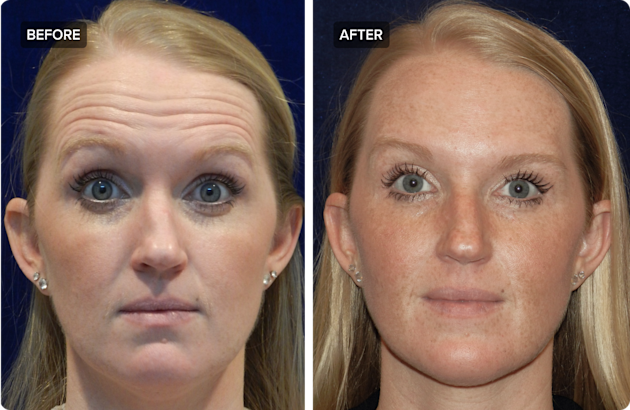
Have you ever wondered how long your Botox can withstand freezing temperatures? If you’re storing Botox or considering it, this is a crucial question.
Understanding how temperature affects Botox can ensure its effectiveness and safety. Imagine investing in Botox only to find it’s been compromised by improper storage. That’s a scenario you want to avoid, right? By the end of this article, you’ll have the clarity you need to keep your Botox in optimal condition.
Stay with us as we uncover the facts that could save your investment and give you peace of mind.
Credit: yycbotox.com
Botox And Temperature Sensitivity
Botox is a delicate substance that reacts to temperature changes more than you might expect. Its effectiveness depends heavily on how it is stored, especially concerning cold temperatures. Understanding Botox’s sensitivity to freezing can help you maintain its potency and achieve the best results from your treatments.
Chemical Stability Of Botox
Botox is made from botulinum toxin, a protein that is sensitive to environmental changes. Its chemical structure remains stable within a specific temperature range, typically between 2°C and 8°C (36°F and 46°F). Outside this range, especially below freezing, the protein can denature, losing its effectiveness.
In my experience handling Botox, I’ve noticed that even slight deviations in storage temperature can impact the results. Have you ever wondered why some Botox treatments don’t last as long? The answer often lies in how the product was stored before use.
Impact Of Cold On Botox Molecules
Freezing temperatures cause water inside the Botox vial to crystallize. This can disrupt the delicate protein molecules, leading to irreversible damage. Once frozen, Botox may clump or degrade, making it unsafe or ineffective for injection.
Cold doesn’t just pause Botox’s activity; it can break it down. This is why manufacturers strictly advise against freezing Botox. If you’re storing Botox at home or in a clinic, ensuring it never freezes is crucial for preserving its quality.
- Store Botox in a refrigerator, not a freezer.
- Maintain consistent temperature without fluctuations.
- Check the vial for any signs of crystallization or cloudiness before use.
Have you ever had doubts about how your Botox was stored? Asking your provider about their storage methods can make a big difference in your treatment outcomes.
Credit: drtimpearce.com
Freezing Effects On Botox
Botox is a delicate protein that requires careful storage. Temperature plays a key role in maintaining its strength. Freezing Botox can cause changes that affect its quality. Understanding these effects helps ensure safe handling and effective results.
What Happens When Botox Freezes
Freezing Botox causes ice crystals to form inside the vial. These crystals can break down the protein structure. This damage reduces Botox’s ability to work properly. The texture may change, becoming cloudy or grainy. Freezing also affects the solution’s potency. Once thawed, frozen Botox often loses its full effectiveness.
Duration Botox Can Withstand Freezing
Botox is not designed to handle freezing temperatures for long. Short exposure to freezing might not cause serious harm. However, leaving Botox frozen for more than a few hours can damage it. Manufacturers recommend storing Botox between 2°C and 8°C (36°F and 46°F). Freezing below this range for over 24 hours usually ruins the product. Always check the vial before use to ensure safety and quality.
Storage Guidelines For Botox
Proper storage of Botox is crucial for maintaining its strength and safety. Botox is a delicate product sensitive to temperature changes. Following specific storage guidelines ensures the medication stays effective until use.
Recommended Temperature Ranges
Botox should be stored between 2°C and 8°C (36°F and 46°F). This range keeps Botox stable and prevents damage. Temperatures below freezing can harm the protein and reduce its effectiveness. Avoid freezing Botox at all costs.
Avoiding Temperature Fluctuations
Keep Botox in a consistent temperature environment. Sudden temperature changes can degrade the product. Store it in a dedicated medical refrigerator if possible. Avoid placing Botox near the refrigerator door or in areas exposed to heat. Use a thermometer to monitor storage conditions regularly.
Signs Of Botox Degradation
Knowing the signs of Botox degradation is essential if you want to ensure the treatment remains safe and effective. Botox is a delicate protein that can lose its quality when exposed to freezing temperatures beyond recommended limits. Spotting these signs early can save you from ineffective results and potential side effects.
Visual Indicators
One of the easiest ways to tell if Botox has degraded is by checking its appearance. Fresh Botox should be clear and free from any cloudiness or particles. If you notice any discoloration, clumping, or sediment, it’s a strong sign that the Botox has been compromised.
Have you ever opened a vial only to find it looking different from before? That change in clarity or texture usually means the protein structure has been damaged by improper freezing. Using such Botox can lead to unpredictable outcomes.
Loss Of Potency
Even if Botox looks normal, freezing can cause a hidden loss of potency. This means the treatment won’t work as effectively, and you might not see the expected results. Reduced potency can be frustrating, especially after investing time and money in the procedure.
Think about it—if Botox doesn’t relax your muscles as it should, you might end up needing additional treatments sooner than planned. This not only increases costs but also exposes you to more injections unnecessarily. Always ask your provider about how the product was stored to avoid this problem.
Safe Handling Practices
Handling Botox safely is crucial for maintaining its effectiveness. This includes correct storage, transport, and thawing. Botox is sensitive to freezing temperatures and improper handling can reduce its potency. Following safe handling practices helps preserve the quality and ensures patient safety.
Transporting Botox
Transport Botox in a cool, insulated container. Keep the temperature stable between 2°C and 8°C (36°F and 46°F). Avoid freezing during transport, as it damages the product. Use cold packs, but prevent direct contact with Botox vials. Monitor temperature with a reliable thermometer. Minimize transport time to reduce temperature fluctuations.
Proper Thawing Methods
Thaw Botox slowly in a refrigerator at 2°C to 8°C. Avoid thawing at room temperature or using warm water. Do not refreeze Botox after thawing. Use Botox within 24 hours of thawing for best results. Gently swirl the vial to mix; do not shake. Proper thawing preserves Botox’s strength and safety.
Clinical Implications Of Frozen Botox
Freezing Botox affects its chemical makeup and clinical use. Understanding these changes is key for safe treatments. Botox, a delicate protein, can lose strength when frozen. This impacts how well it works and patient safety.
Effectiveness After Freezing
Freezing Botox can reduce its potency. The protein structure may break down at low temperatures. This leads to weaker results or shorter effects. Doctors may need higher doses to get the same outcome. Some studies show slight effectiveness loss after freezing. But repeated freeze-thaw cycles cause more damage. Proper storage is critical to keep Botox effective.
Risks Of Using Frozen Botox
Using frozen Botox carries safety risks. Damaged proteins may cause unexpected reactions. There is a higher chance of inflammation or irritation. Contamination risk rises if storage is improper. Patients might experience less predictable results. This can affect patient trust and treatment success. Always use Botox stored as recommended by manufacturers.
Alternatives To Freezing Botox
Freezing Botox may seem like a straightforward way to extend its shelf life, but it can actually reduce its effectiveness. If you’re concerned about maintaining the quality of Botox without freezing, there are other practical alternatives to consider. These options can help you store Botox safely while preserving its potency.
Optimal Storage Solutions
Instead of freezing, storing Botox in a refrigerator between 2°C and 8°C (36°F to 46°F) is the best practice. This temperature range keeps the product stable without risking the breakdown of its active ingredients.
Always keep Botox away from direct sunlight and avoid temperature fluctuations. A dedicated medical refrigerator or a cool, consistent environment in your home can work well.
Have you noticed how even brief exposure to higher temperatures affects medications? Botox is no different. Consistent cool storage ensures your Botox stays effective until its expiration date.
Use Of Stabilizers
Stabilizers are additives that help maintain the integrity of Botox during storage and handling. These compounds protect the protein structure, reducing the risk of degradation over time.
Some formulations of Botox include stabilizers like human serum albumin, which helps prevent clumping and preserves its activity. While you can’t add stabilizers yourself, choosing products with these built-in agents offers an extra layer of protection.
Could future innovations allow you to customize Botox preservation? While that remains to be seen, selecting Botox with stabilizers and proper storage dramatically improves its shelf life.
Credit: www.realself.com
Frequently Asked Questions
How Long Can Botox Tolerate Freezing Temperatures?
Botox should never be frozen. Freezing damages its protein structure and reduces effectiveness. It is best stored between 2-8°C (36-46°F).
What Happens If Botox Is Accidentally Frozen?
If Botox is frozen, its potency decreases significantly. It may become ineffective or unsafe to use. Always avoid freezing to maintain quality.
Can Botox Be Stored In A Freezer Temporarily?
No, Botox must not be stored in a freezer at any time. Proper refrigeration is essential to preserve its stability and results.
How Should Botox Be Stored For Maximum Shelf Life?
Store Botox refrigerated between 2-8°C in its original vial. Avoid freezing or exposure to heat to ensure maximum shelf life and effectiveness.
Conclusion
Botox does not tolerate freezing temperatures well. Freezing can damage its effectiveness quickly. It should stay stored in a refrigerator, not a freezer. Proper storage helps keep Botox safe and useful longer. Always follow the supplier’s guidelines for storage. Using Botox stored at freezing temperatures risks poor results.
Keep your Botox cool, but never let it freeze. This simple care ensures better outcomes and safety. Remember, proper handling matters most for Botox’s quality.