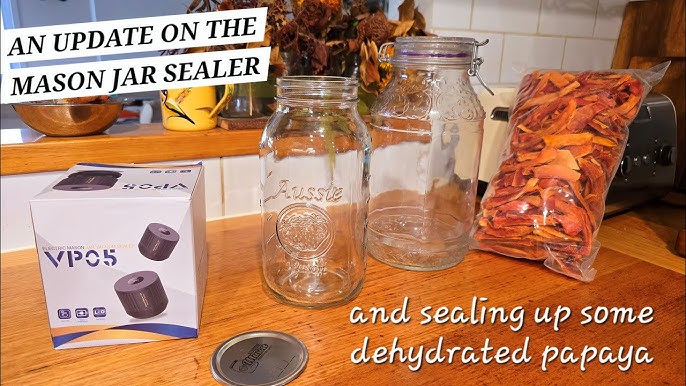
Have you ever wondered how long your vacuum sealed jars can keep your food fresh and safe? It’s a question many of us ask, especially when you’re trying to make the most out of your pantry space and preserve those delicious homemade jams or pickles.
Vacuum sealing is a game changer in the world of food storage, but understanding its longevity can save you time, money, and prevent unnecessary waste. Imagine opening a jar months later, and it’s just as fresh as the day you sealed it.
Intrigued? Read on to discover the secrets behind vacuum sealed jars and learn how to maximize their shelf life. You’ll be surprised at how simple tweaks can make a big difference!
Shelf Life Of Vacuum Sealed Jars
Vacuum sealed jars help preserve food by removing air and slowing spoilage. The shelf life depends on many factors. Proper sealing and storage make a big difference. Understanding these details helps keep food fresh longer. This section explains how long vacuum sealed jars last.
Factors Affecting Longevity
Several key factors affect how long vacuum sealed jars last:
- Type of Food:Some foods last longer than others.
- Storage Temperature:Cooler temperatures extend shelf life.
- Jar Quality:Strong seals prevent air and moisture entry.
- Preparation Method:Proper cleaning and cooking increase longevity.
- Light Exposure:Dark storage prevents nutrient loss and spoilage.
Each factor plays a role in maintaining freshness. Ignoring one can reduce shelf life.
Common Food Types And Their Durations
| Food Type | Vacuum Sealed Shelf Life |
|---|---|
| Dried Fruits | 1 to 2 years |
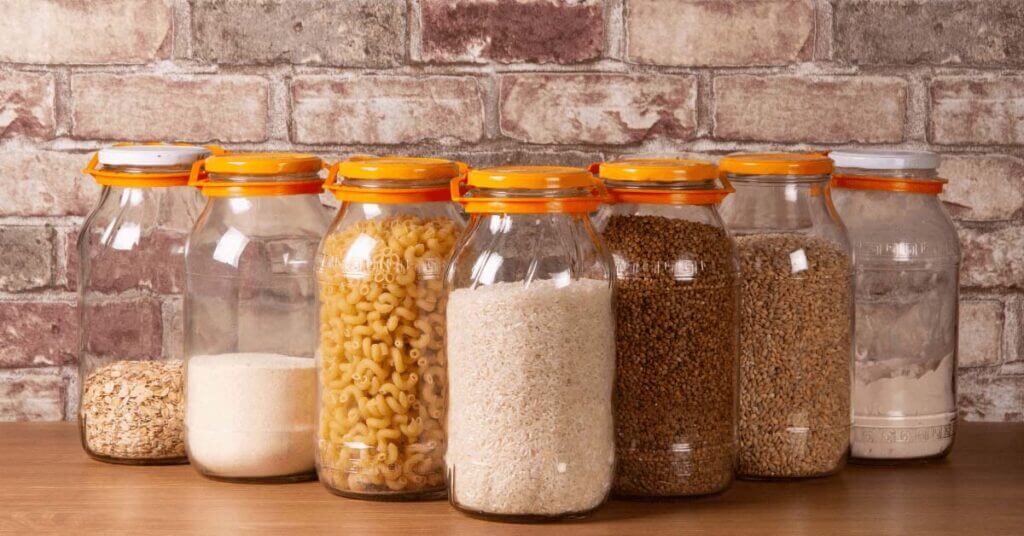
| Grains and Rice | 1 to 3 years |
| Cooked Meals | 1 to 2 weeks (refrigerated) |
| Raw Meat (Frozen) | 1 to 3 years |
| Pickled Vegetables | 6 months to 1 year |
Vacuum sealing extends these times compared to regular storage. Still, always check for signs of spoilage before use.
Credit: vakumar.net
Benefits Of Vacuum Sealing
Vacuum sealing jars offers several practical benefits that can change the way you store food. It’s more than just a preservation method—it’s about maintaining quality, safety, and flavor. You might be surprised how vacuum sealing can extend the life of your favorite foods and keep them tasting fresh.
Preserving Flavor And Nutrients
When you vacuum seal jars, you remove the air that causes food to lose its flavor and nutrients. This means your spices, herbs, or homemade sauces stay vibrant and fresh for much longer. I once vacuum sealed homemade tomato sauce, and months later, it tasted just as fresh as the day I made it.
Without exposure to oxygen, delicate vitamins and natural flavors don’t break down as quickly. This helps you enjoy the full taste and nutritional benefits of your food, even after weeks or months in storage.
Preventing Spoilage And Contamination
Vacuum sealing creates a tight seal that blocks bacteria, mold, and other contaminants from reaching your food. This reduces the risk of spoilage and extends shelf life significantly. Have you ever opened a jar only to find mold or an off smell? Vacuum sealing helps avoid that unpleasant surprise.
By cutting off oxygen, vacuum sealed jars slow down the growth of aerobic bacteria that cause food to spoil. This means fewer wasted ingredients and more money saved in the long run. It also gives you peace of mind knowing your stored food is safe to consume.
Storage Tips For Maximum Freshness
Keeping your vacuum sealed jars fresh for as long as possible depends largely on how you store them. Proper storage not only preserves the food’s taste and texture but also extends its shelf life significantly. Here are some practical tips to help you maintain maximum freshness.
Ideal Temperature And Environment
Vacuum sealed jars last longest when stored in a cool, dark place. Temperatures between 50°F and 70°F (10°C to 21°C) work best to slow down spoilage without risking freezing. Avoid places where temperature fluctuates, like near ovens or windows, because heat and light can degrade the contents quickly.
Humidity also plays a role. A dry environment prevents moisture from seeping into the jars and causing mold or spoilage. Think about storing your jars in a pantry, cupboard, or basement rather than a damp kitchen corner.
Avoiding Common Storage Mistakes
One mistake is placing vacuum sealed jars directly on cold surfaces like concrete floors. This can cause condensation inside the jar, compromising the seal and freshness. Instead, use wooden shelves or place a cloth under the jars to keep them insulated.
Another common error is stacking jars too tightly. Crowding reduces air circulation and increases the risk of accidental breakage. Leave some space between jars and handle them gently to maintain the vacuum seal.
Have you ever noticed an off smell or discoloration after storing jars for a while? It might be due to broken seals or using jars with tiny cracks. Always inspect your jars before sealing and store only those in perfect condition.

Credit: www.reddit.com
Signs Of Spoiled Vacuum Sealed Jars
Vacuum sealed jars can keep food fresh for a long time. Still, spoilage can happen. Knowing the signs of spoiled vacuum sealed jars helps avoid eating bad food. It protects health and saves money. Here are key signs to check before using sealed jars.
Visual Indicators
- The jar lid bulges or swells outwards.
- Rust appears on the lid or jar rim.
- Cloudy or murky liquid inside the jar.
- Visible mold spots or discoloration on the food.
- Leaks or sticky residue around the jar seal.
- The seal is broken or loose on the lid.
Smell And Texture Changes
- A sour, rotten, or off smell when opening the jar.
- The food feels slimy or sticky instead of firm.
- Unusual fizzing or bubbling inside the jar.
- Food texture is mushy or overly soft.
- Any strange or unpleasant taste during a small test.
Comparing Vacuum Sealing With Other Methods
Vacuum sealing is a popular way to keep food fresh longer. It removes air, which slows down spoilage and prevents freezer burn. Other preservation methods work differently and offer various benefits and limits. Comparing these options helps choose the best way to store food safely and efficiently.
Canning Vs Vacuum Sealing
Canning uses heat to kill bacteria and seal jars tightly. It can keep food safe for one year or more. It works well for fruits, vegetables, and sauces.
Vacuum sealing removes air but does not cook or sterilize food. It extends freshness but usually for shorter times than canning.
- Canning is good for long-term storage without refrigeration.
- Vacuum sealing is best for short to medium storage with refrigeration or freezing.
- Canning jars require careful heating to avoid spoilage.
- Vacuum sealed jars need cool storage and fast use for best quality.
Freezing Vs Vacuum Sealing
Freezing slows down bacteria and enzyme activity by turning food solid. It can keep food safe for months to a year.
Vacuum sealing removes air before freezing, reducing freezer burn and preserving texture.
- Freezing alone can cause ice crystals and dry spots on food.
- Vacuum sealed food freezes better and keeps a fresher taste.
- Vacuum sealing reduces freezer space by compacting food.
- Both methods need proper packaging to avoid contamination.
Credit: foodprepguide.com
Best Practices For Vacuum Sealing Jars
Vacuum sealing jars can dramatically extend the shelf life of your food, but getting the best results depends on following the right practices. Mastering these techniques helps keep your contents fresh, flavorful, and safe. Let’s look at the key steps that ensure your vacuum-sealed jars perform their best over time.
Choosing The Right Jars And Sealing Equipment
Not all jars are created equal when it comes to vacuum sealing. Glass jars with thick walls and a wide mouth usually work best because they provide a strong seal and resist breakage. Avoid thin or decorative jars that might crack under pressure.
Using the right lids is just as important. Choose lids specifically designed for vacuum sealing—those with a sealing gasket or rubber ring ensure an airtight closure. Regular canning lids without a rubber seal won’t hold a vacuum effectively.
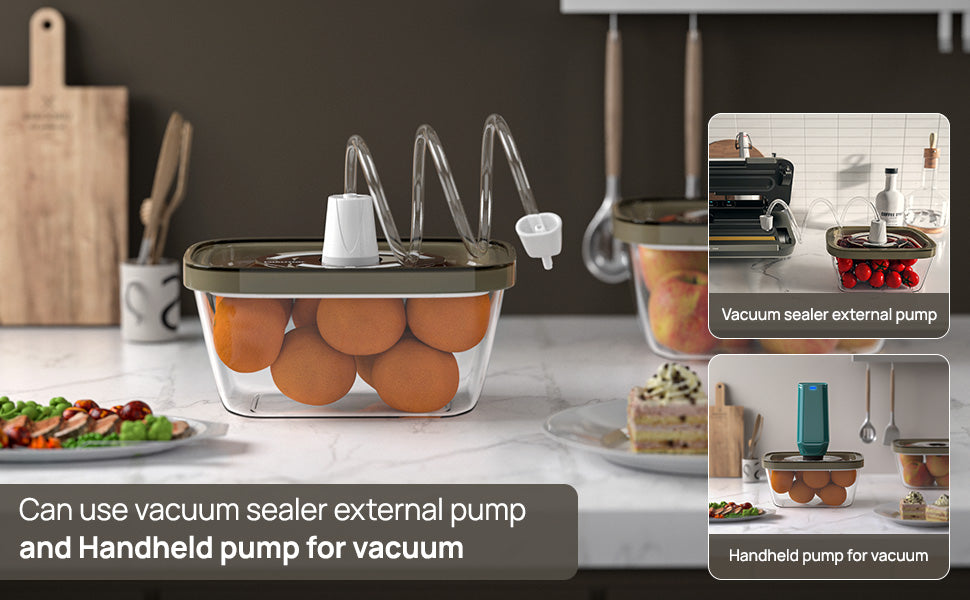
Investing in a reliable vacuum sealer designed for jars can make a huge difference. Some sealers come with special attachments or accessories that fit jar lids perfectly, helping you create a strong vacuum without guesswork.
Proper Sealing Techniques
Before sealing, always check your jars and lids for any chips, cracks, or dirt. Even tiny imperfections can prevent a proper seal and compromise the vacuum.
Fill your jars leaving enough headspace—usually about ½ inch—so the vacuum can form properly. Overfilling can block the sealing area and cause leaks.
When sealing, follow your vacuum sealer’s instructions carefully. Some require you to place the lid on and then use the vacuum pump or machine to remove air. Hold the lid steady until the vacuum forms, then tighten the band ring snugly but not overly tight.
After sealing, test the seal by pressing the center of the lid. If it doesn’t pop back or move, you’ve got a good vacuum. If it flexes or makes noise, reseal or use a new lid.
Have you ever opened a jar only to find the contents spoiled? Checking seals regularly can prevent unpleasant surprises and wasted food.
Frequently Asked Questions
How Long Do Vacuum Sealed Jars Last Unopened?
Vacuum sealed jars last 1 to 5 years unopened, depending on contents. Proper storage in a cool, dark place extends shelf life. Always check for signs of spoilage before use.
Does Vacuum Sealing Increase Jar Shelf Life?
Yes, vacuum sealing removes air, slowing spoilage and bacterial growth. This extends the shelf life significantly compared to non-sealed jars. It maintains food quality and freshness longer.
Can Vacuum Sealed Jars Go Bad After Opening?
Yes, once opened, vacuum sealed jars lose protection and spoil faster. Refrigerate after opening and consume within a few days to weeks. Follow specific storage guidelines for best results.
What Factors Affect Vacuum Sealed Jar Longevity?
Temperature, storage conditions, jar quality, and food type affect longevity. Keep jars in a cool, dark, and dry place for best preservation. Avoid exposure to heat and sunlight.
Conclusion
Vacuum sealed jars keep food fresh much longer than open containers. They can last from months to years, depending on the item inside. Always store jars in a cool, dark place for best results. Check seals regularly to avoid spoilage and waste.
Proper sealing prevents air and moisture from ruining your food. Use vacuum sealed jars to save money and reduce food waste. Simple steps make a big difference in food storage life. Keep your pantry organized and your food safe with vacuum sealing.