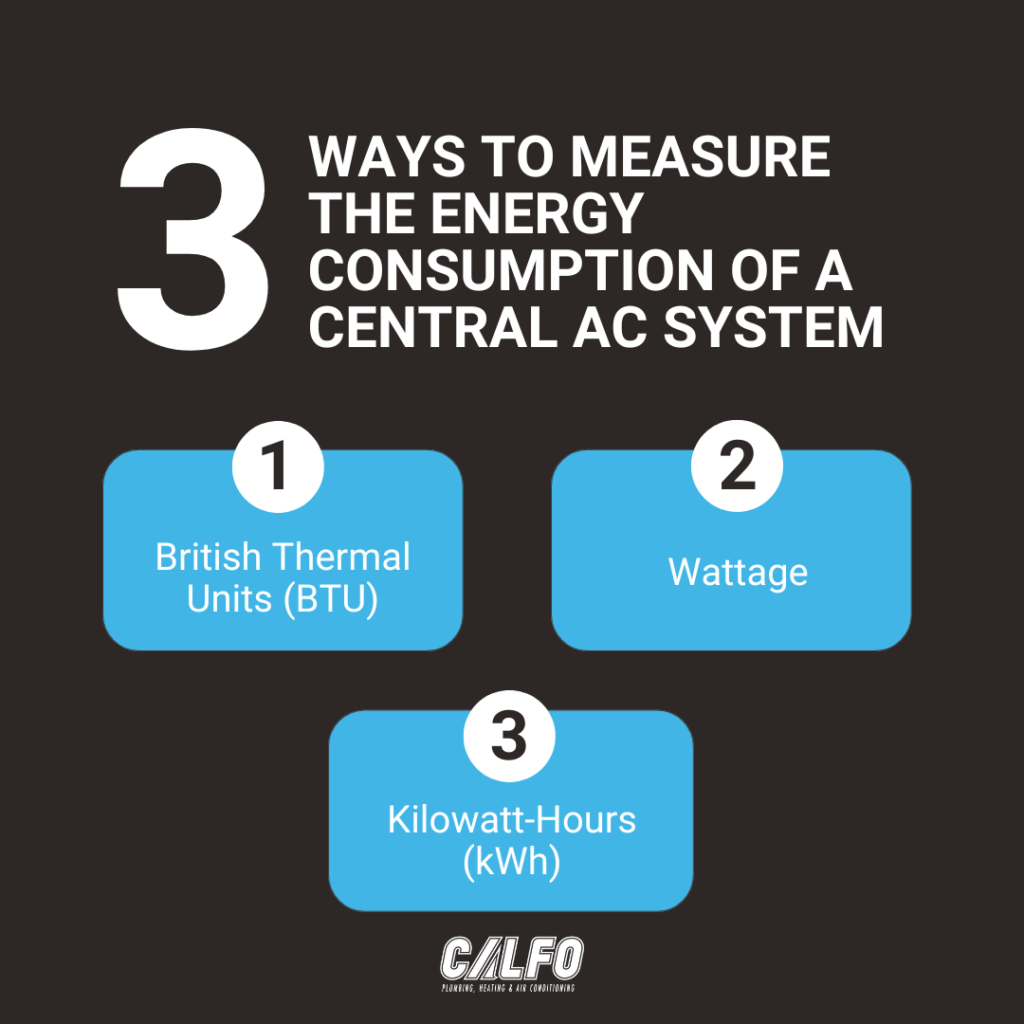
Are you wondering how many watts your air conditioner uses? Knowing this can help you save money on electricity and keep your home comfortable without surprises on your bill.
Whether you’re choosing a new unit or trying to cut down energy costs, understanding the wattage is key. You’ll discover exactly what affects your air conditioner’s power use and how to make smart choices that fit your needs. Keep reading to take control of your cooling and your costs!

Credit: aurorasolar.com
Air Conditioner Power Basics
Wattageshows how much power an air conditioner uses. It tells us the energy needed to run the unit.
A higher watt number means the air conditioner uses more electricity. This can lead to higher bills.
Several factors affect power use:
- Room size – bigger rooms need more power to cool.
- Unit type – some models use energy more efficiently.
- Temperature setting – lower temperatures use more power.
- Outside weather – hotter days make the unit work harder.
- Insulation – well-insulated rooms keep cool air better.
Wattage By Ac Type
Different air conditioners use different amounts of power measured in watts. Knowing this helps choose the right one for your space and budget.
| AC Type | Typical Wattage Range | Notes |
|---|---|---|
| Window Units | 500 – 1,500 watts | Good for small rooms, easy to install |
| Split Systems | 900 – 2,000 watts | Quieter, more efficient, for medium rooms |
| Portable ACs | 800 – 1,500 watts | Easy to move, less efficient than split systems |
| Central Air Conditioners | 3,000 – 5,000 watts | Cool whole houses, need professional installation |
Energy Consumption By Capacity
Air conditioners use different watts based on their capacity. Small units, between 5,000 and 8,000 BTU, usually consume about 500 to 900 watts. These are good for small rooms or offices.
Medium units, ranging from 9,000 to 14,000 BTU, consume roughly 1,000 to 1,400 watts. They cool medium-sized rooms effectively without using too much power.
Large units, above 15,000 BTU, need more power, around 1,500 watts or more. These are suitable for big rooms or open spaces.
| Unit Size | BTU Range | Power Consumption (Watts) |
|---|---|---|
| Small Units | 5,000 – 8,000 | 500 – 900 |
| Medium Units | 9,000 – 14,000 | 1,000 – 1,400 |
| Large Units | 15,000+ | 1,500+ |
Credit: www.renogy.com
Calculating Ac Energy Use
To estimate the daily energy consumptionof an air conditioner, first find its power in watts. This is often listed on the unit or in the manual. Next, multiply the watts by the number of hours the AC runs each day. This gives the total watt-hours used daily.
The Energy Efficiency Ratio (EER)helps compare different AC models. It shows how many watts the unit uses to cool one BTU (British Thermal Unit). A higher EER means the AC uses less power for the same cooling.
| Parameter | Description |
|---|---|
| Power (Watts) | Energy used by the AC per hour |
| Operating Hours | How long the AC runs daily |
| Daily Consumption (Watt-hours) | Power × Operating Hours |
| Energy Efficiency Ratio (EER) | Cooling output (BTU) ÷ Power (Watts) |
Impact Of Usage Patterns
Thermostat settings have a big impact on energy use. Setting the temperature lower uses more watts. Keeping it at a steady, moderate temperature saves power. Each degree cooler can increase power use by about 6%.
The running time of an air conditioner also matters. The longer it runs, the more watts it uses. Shorter, efficient use reduces power consumption. Using a timer helps control running time.
Room size and insulation affect power needs too. Larger rooms need more power to cool. Poor insulation lets cool air escape, making the unit work harder. Well-insulated rooms keep cool air inside and save energy.
Ways To Save Energy
Energy-efficient air conditionersuse less power and save money. Look for models with Energy Starlabels. These units cool well without wasting electricity. Choosing the right size is key. A too-large unit uses extra energy. A too-small unit runs all the time.
Regular maintenance keeps units running smoothly. Clean or replace air filtersevery month. Dirty filters block airflow and waste power. Check and clean the coilsyearly to help cooling. Keep the outdoor unit free of leaves and debris.
- Set thermostats to a comfortable but not too cold temperature.
- Use ceiling fans to help air circulation.
- Close curtains to block heat from the sun.
Smart thermostatsadjust temperature automatically. They learn your schedule and save energy when you are away. You can control them from a phone. This helps avoid cooling empty rooms and reduces power use.
Comparing Costs
Comparing the watts of different air conditioners helps find the best fit for your space and budget. Lower wattage means less electricity use, saving money. Consider both power and cost before choosing an air conditioner.
Electricity Rates And Bills
Electricity ratesaffect your monthly bills the most. The higher the rate, the more you pay for the same power.
Air conditionersuse watts to show power use. More watts mean more electricity used.
Check your local electricity rate. Multiply it by the AC watts used to estimate cost.
Cost Vs. Cooling Performance
| Watts Used | Cooling Power (BTU) | Approximate Cost per Hour ($) |
|---|---|---|
| 500 Watts | 5,000 BTU | 0.06 |
| 1000 Watts | 10,000 BTU | 0.12 |
| 1500 Watts | 15,000 BTU | 0.18 |
More watts mean better cooling but higher cost. Choose one that fits your budget and needs.

Credit: udpwr.com
Frequently Asked Questions
What Is The Wattage Of A Typical Air Conditioner?
The wattage of a typical air conditioner varies widely. It generally ranges from 500 to 3500 watts. The exact wattage depends on the unit’s size and model. Larger units consume more watts than smaller ones. Always check the manufacturer’s specifications for accurate wattage details.
How Do I Calculate Air Conditioner Wattage?
To calculate air conditioner wattage, multiply the unit’s voltage by its amperage. This information is usually found on the unit’s label. For example, a 120-volt unit with 10 amps uses 1200 watts. Always ensure to check the label for precise calculations.
Why Is Knowing Air Conditioner Wattage Important?
Knowing the wattage is crucial for understanding energy consumption. It helps in managing electricity bills effectively. High wattage indicates more energy use, leading to higher costs. It also helps in determining the right generator size for backup power.
How Can I Reduce My Air Conditioner’s Energy Usage?
To reduce energy usage, maintain the unit regularly. Clean or replace filters monthly. Set the thermostat to a higher temperature when possible. Use energy-efficient models with higher SEER ratings. Proper insulation of your home also reduces energy consumption.
Conclusion
Choosing the right air conditioner wattage saves energy and money. Small rooms need less power; big rooms need more. Check the size before buying. Using the right wattage keeps your home cool and your bills low. Avoid guessing—measure your space carefully.
A well-sized AC works better and lasts longer. Think smart, stay comfortable, and save energy.