Have you ever found yourself standing in front of your dishwasher, staring at the detergent compartment, and wondering just how much dishwashing powder you should use? You’re definitely not alone.
Getting the right amount can be tricky, but it’s crucial for clean dishes and the longevity of your machine. Use too much, and you might end up with residue or even damage your appliance. Use too little, and you risk having to rewash your dishes.
This simple question can make a big difference in your kitchen routine. So, how do you find that perfect balance? Keep reading to discover the secrets that will transform the way you wash your dishes, save you money, and protect your dishwasher.
Credit: www.walmart.com
Choosing The Right Dishwashing Powder
Choosing the right dishwashing powder makes a big difference in cleaning results. The right powder cleans dishes well and protects your washing machine. It also helps save water and energy by working efficiently. Understanding types of powders, eco-friendly choices, and how powders compare to tablets guides your selection.
Types Of Dishwashing Powders
Dishwashing powders come in several types. Some powders focus on strong grease removal. Others are gentle and safe for delicate dishes. Some powders include enzymes to break down food stains quickly. Check the label for specific features like anti-spot or anti-limescale agents. Choosing the right type depends on your dishwashing needs and water hardness.
Eco-friendly Options
Eco-friendly dishwashing powders use natural ingredients. These powders avoid harsh chemicals and reduce environmental impact. They often use plant-based surfactants and biodegradable formulas. Many eco-friendly powders come in recyclable or minimal packaging. Choosing green options helps protect water sources and reduces plastic waste. They work well in most dishwashers but may need the correct dosage to perform best.
Powder Vs. Tablets
Powders offer flexibility in the amount used. This can save money and reduce waste. Tablets provide convenience with a fixed dose. Tablets dissolve quickly and prevent overuse. Powders may clean better in hard water by adjusting the amount. Tablets suit busy households or those who want a simple solution. Both types can clean well if used correctly. Consider your washing habits and machine type when choosing.
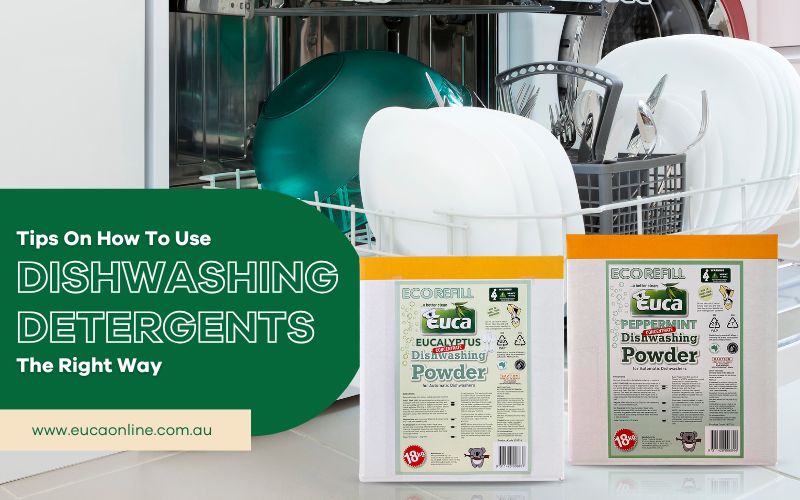
Credit: www.eucaonline.com.au
Measuring The Correct Amount
Measuring the correct amount of dishwashing powder is key for clean dishes and a healthy dishwasher. Using too much powder can leave residue, while too little may not clean properly. Knowing the right quantity helps save money and protects the environment.
Each dishwasher and powder brand may have different needs. Reading the label is a good start. Then, adjust based on your water type and how dirty the dishes are. A careful approach ensures the best results every time.
Recommended Dosage Per Load
Most dishwashing powders suggest using about one tablespoon per regular load. Some machines have a detergent compartment with marks to guide you. Use these markers to avoid guesswork. For heavily soiled dishes, add a little more powder, but not too much.
For small or light loads, reduce the amount. Overloading with powder does not improve cleaning. It may cause spots or film on dishes.
Factors Affecting Quantity
Several factors affect how much dishwashing powder you need:
- Load size and type of dishes
- Level of food residue
- Dishwasher model and efficiency
- Water temperature during the wash cycle
Adjust the powder amount based on these factors. Less powder suits lighter loads and newer machines. More powder may be needed for older machines or very dirty dishes.
Adjusting For Water Hardness
Water hardness changes how well dishwashing powder works. Hard water has more minerals that can reduce cleaning power. Use more powder in hard water areas for better results.
Soft water requires less powder to avoid excess suds. Check your local water hardness report. Some dishwashing powders label instructions for soft, medium, or hard water. Follow these guidelines to find the right amount.
Using Dishwashing Powder Effectively
Using dishwashing powder correctly helps clean dishes well and saves powder. It also stops residue buildup in your dishwasher. Understanding how to load dishes, decide on pre-rinsing, and pick the right cycle improves washing results. Follow simple tips to make the most of your dishwashing powder.
Loading The Dishwasher Properly
Place dishes so water reaches all surfaces. Avoid overlapping plates or bowls. Cups and glasses go on the top rack. Pots and pans fit on the bottom rack. Face dirty sides toward the spray jets. Leave space between items for water flow.
Pre-rinsing Vs. No Pre-rinse
Pre-rinsing removes large food bits before washing. Small scraps can stay, as modern powders handle them well. Avoid heavy grease build-up by scraping food into the trash. Pre-rinsing wastes water and may lower washing power. Use pre-rinse only for very dirty dishes.
Cycle Selection Tips
- Choose a normal cycle for everyday dishes.
- Use a heavy cycle for pots, pans, and baked-on food.
- Quick or eco cycles save energy but work best on lightly soiled dishes.
- Delicate cycle suits fragile items like glass and fine china.
- Match cycle length to dish dirtiness for best results.
Common Mistakes To Avoid
Using the right amount of dishwashing powder can make a huge difference in your cleaning results and the lifespan of your dishes and dishwasher. Many people unknowingly make mistakes that either waste the powder or leave dishes unclean. Let’s look at some common errors you should avoid to get the best wash every time.
Using Too Much Powder
Adding too much dishwashing powder doesn’t mean your dishes will be cleaner. Instead, it can cause excessive suds that may overflow or leave a sticky residue on your plates and glassware.
Overuse also strains your dishwasher, potentially leading to mechanical issues over time. Have you noticed your dishes feeling filmy or your dishwasher needing extra rinses? That might be why.
Try using the amount recommended on the packaging. It’s usually enough to handle regular dish loads without wasting product.
Using Too Little Powder
On the flip side, using too little powder can leave your dishes greasy or spotted. Skimping to save powder often backfires, requiring you to wash dishes again.
Dishwashers rely on a precise balance of detergent to break down food particles and grease. Insufficient powder disrupts this balance, especially with heavily soiled dishes.
If you’ve ever pulled out dishes that still have food bits stuck, it’s time to check whether you’re under-using your powder.
Ignoring Manufacturer Instructions
Each dishwashing powder brand has specific instructions tailored for their formula. Ignoring these can cause poor cleaning results or even damage your dishwasher.
Some powders require different amounts depending on water hardness or load size. Skipping this step means you miss out on optimal performance.
Next time you buy a new powder, take a moment to read the label carefully. Following those guidelines will save you time, money, and frustration.
Tips For Sparkling Dishes
Keeping dishes spotless requires more than just the right amount of dishwashing powder. Small habits make a big difference. Follow these tips for sparkling dishes every time.
Adding Rinse Aid
Rinse aid helps water slide off dishes quickly. It stops water spots and streaks. Pour rinse aid into the dishwasher’s special compartment. This makes dishes dry faster and look cleaner.
Regular Dishwasher Maintenance
Clean your dishwasher often to keep it working well. Remove food bits from the filter after every use. Wipe down the door seals to stop mold and smells. Run an empty cycle with vinegar or a dishwasher cleaner once a month.
Dealing With Stubborn Stains
Some stains need extra care. For tough spots, soak dishes in warm water before washing. Use a small brush or sponge to scrub stuck-on food. For hard stains, try a paste of baking soda and water before placing dishes in the dishwasher.
Credit: www.walmart.com
Frequently Asked Questions
How Much Dishwashing Powder Is Needed Per Load?
Use about one tablespoon of dishwashing powder for a standard load. Adjust the amount based on water hardness and load size. Avoid using too much powder to prevent residue on dishes.
Can Too Much Dishwashing Powder Harm Dishes?
Yes, excessive powder can leave residue and cause cloudiness on glassware. It may also reduce the dishwasher’s efficiency. Always follow the recommended dosage for best results.
Does Water Hardness Affect Dishwashing Powder Quantity?
Yes, hard water requires more dishwashing powder to clean effectively. Soft water needs less powder to avoid soap buildup. Check your local water hardness to adjust the amount accordingly.
How To Measure Dishwashing Powder Correctly?
Use a measuring spoon or the detergent cap to measure powder. Follow the dishwasher manufacturer’s instructions for precise amounts. Proper measurement ensures optimal cleaning and prevents waste.
Conclusion
Using the right amount of dishwashing powder saves money and cleans dishes well. Too much powder can leave residue and waste product. Too little may not clean properly. Follow the instructions on the package for best results. Adjust the amount based on water hardness and dish dirtiness.
Small changes can make a big difference in cleaning. Clean dishes mean a healthier kitchen and happier meals. Keep your dishwashing routine simple and effective. This way, your dishes will always shine without extra effort.