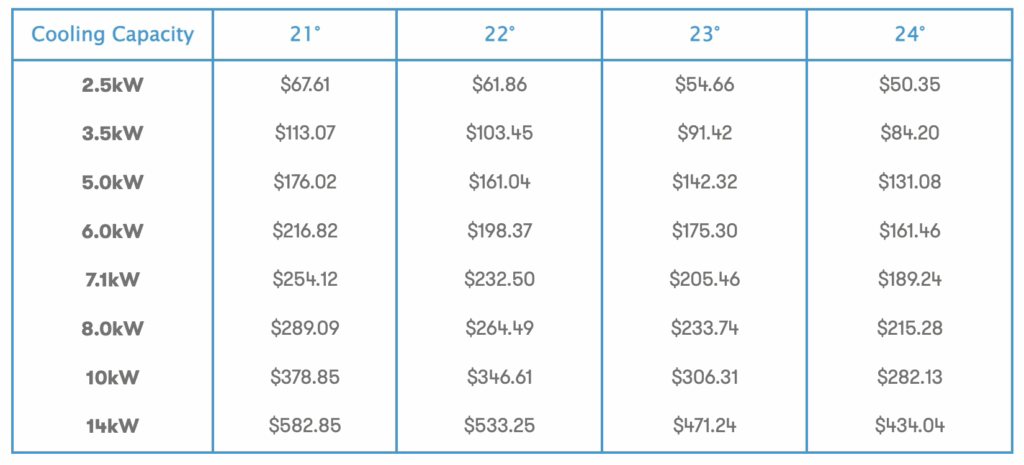
Wondering how much it really costs to run your air conditioner? You’re not alone.
When the heat climbs, keeping your home cool can send your energy bills soaring. But what if you could understand exactly where your money goes and find ways to save? You’ll discover the real costs behind running your AC and simple tips to keep your cool without breaking the bank.
Keep reading—you might be surprised at how much you can save!

Credit: au.jackery.com
Factors Influencing Ac Running Costs
Energy efficiency ratingsshow how much power an air conditioner uses. Higher ratings mean lower electricity bills. Check the SEER or EER numbers before buying.
Unit size and capacityaffect costs too. Bigger units cool more space but use more energy. Choose a size that fits your room for best savings.
Usage patternsmatter a lot. Running the AC all day costs more than using it only when needed. Setting a timer can help save money.
Local electricity ratesvary by location. Higher rates increase running costs. Knowing your local rate helps estimate monthly expenses.
Climate and weather impacthow long you need the AC. Hotter climates mean more hours of use. This raises your total running cost.
Calculating Daily And Monthly Expenses
An air conditioner’s power use is shown in kilowatts (kW). This number tells how much energy it uses every hour. To find out the cost, multiply kW by the hours used each day.
Electricity bills show the price per kilowatt-hour (kWh). This price varies by location and provider. Multiply the kWh rate by your AC’s daily kWh use to get the daily cost.
| AC Power (kW) | Hours Used Daily | Electricity Rate ($/kWh) | Daily Cost ($) | Monthly Cost ($) |
|---|---|---|---|---|
| 1.5 | 8 | 0.12 | 1.44 | 43.20 |
| 2.0 | 6 | 0.15 | 1.80 | 54.00 |
| 1.2 | 10 | 0.10 | 1.20 | 36.00 |
Comparing Different Air Conditioner Types
Window unitscost less to buy and install. They cool one room well but use more electricity per hour. They are best for small spaces or single rooms.
Central ACcools the whole house. It uses ducts to spread cold air. It costs more to install but can be cheaper to run for large spaces. It uses less energy per square foot.
Ductless mini-splitsare good for homes without ducts. They are easy to install and cool multiple rooms. They save energy by cooling only used areas.
Portable air conditionerscan be moved from room to room. They cost less upfront but are less efficient. They use more power and work best for small spaces or temporary cooling.

Credit: northnjhvac.com
Tips To Lower Ac Energy Bills
Set your thermostatto around 78°F (26°C) when home. Raise it higher when away. This helps save energyand lowers bills.
Clean or replace filtersregularly. Dirty filters make AC work harder. Check coils and vents to keep airflow smooth. This keeps your AC efficient.
Seal windows and doorsto stop cool air from escaping. Use weatherstripping or caulk to close gaps. Good insulation keeps your home cooler longer.
- Use fansto move air around. Ceiling fans help cool people, not rooms.
- Open windows at night for fresh air when it’s cooler outside.
- Close curtains during the day to block heat from sun.
Smart Technology For Energy Savings
Programmable thermostatshelp save energy by setting your AC to run only when needed. They let you choose times for cooling, avoiding waste. This means less electricity use and lower bills.
Energy monitoring devicesshow how much power your AC uses. They give real-time info, helping you spot high usage times. Watching your energy use can lead to smart changes and savings.
Smart AC controllersconnect to your phone. You can turn your AC on or off from anywhere. These controllers also learn your habits and adjust settings to save energy without losing comfort.
Credit: www.furnaceprices.ca
Long-term Savings Strategies
Upgrading to Energy Star modelscan reduce electricity use. These air conditioners use less power. They save money over time. The initial cost is higher but pays off.
Investing in solar powerhelps cut energy bills. Solar panels provide clean energy. They work well with air conditioners. This lowers long-term costs and reduces pollution.
Scheduling off-peak usagemeans running AC during cheaper hours. Many energy companies charge less at night or early morning. This simple change lowers monthly bills. It also eases power demand during busy hours.
Frequently Asked Questions
How Do You Calculate Ac Running Costs?
To calculate AC running costs, check the unit’s wattage and your electricity rate. Multiply the wattage by the hours used, then divide by 1,000 to find kilowatt-hours (kWh). Multiply kWh by your electricity rate to determine the cost. This gives you an estimate of how much it costs to run your AC.
Does Ac Size Affect Electricity Bills?
Yes, AC size affects electricity bills significantly. Larger units consume more electricity, increasing running costs. Conversely, a unit too small for your space will work harder, also raising costs. Choosing an appropriately sized AC ensures efficient cooling and optimal energy usage, helping maintain lower electricity bills.
What Is The Cheapest Time To Run An Ac?
Running your AC during off-peak hours is usually cheaper. These hours vary by location and provider. Typically, nighttime or early morning hours are considered off-peak. During these times, electricity demand is lower, and rates are often reduced, making it more cost-effective to use your AC.
How Does Ac Efficiency Impact Costs?
AC efficiency directly impacts running costs. More efficient units use less electricity, reducing your overall expenses. Look for models with a high Seasonal Energy Efficiency Ratio (SEER). Higher SEER ratings indicate better efficiency, which translates to lower costs in the long run while maintaining effective cooling.
Conclusion
Running an air conditioner costs depend on several factors. Energy use, unit size, and local rates all matter. Using your AC wisely saves money and energy. Setting the thermostat a bit higher helps reduce bills. Regular maintenance keeps your system running efficiently.
Small changes can make a big difference over time. Understanding these costs helps you plan better for summer. Stay cool without spending too much. Simple steps lead to smart energy use and savings.