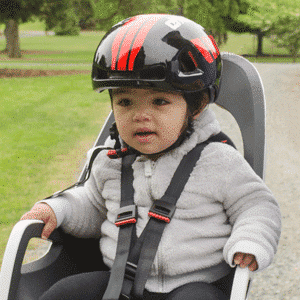
When it comes to keeping your child safe while biking, the right helmet fit is everything. You might think any helmet will do, but a poor fit can put your child at risk.
How can you be sure the helmet fits just right? What should you look for to protect your little one’s head properly? Keep reading, and you’ll discover simple, clear steps to make sure your child’s helmet offers the best protection—because their safety depends on it.
Choosing The Right Size
Picking the correct helmet size is key to keeping a child safe. A helmet that fits well protects better and feels more comfortable. It is important to measure the child’s head carefully before buying a helmet.
Two main steps help you find the right size: measuring the head circumference and checking the helmet size charts. Each step guides you to the best fit for your child.
Measuring Head Circumference
Use a soft measuring tape to find the head size. Wrap the tape around the child’s head, just above the eyebrows and ears. This shows the largest part of the head. Make sure the tape is level and not too tight.
- Place tape just above eyebrows
- Wrap around above the ears
- Keep tape level all around
- Measure twice for accuracy
- Note the measurement in centimeters or inches
Checking Helmet Size Charts
Helmet makers provide size charts to match head measurements to helmet sizes. Use your child’s head circumference to find the recommended helmet size. This helps you pick a helmet that fits snugly without being too tight.
| Head Circumference (cm) | Helmet Size |
|---|---|
| 48 – 52 | XS |
| 52 – 56 | S |
| 56 – 60 | M |
| 60 – 64 | L |
.png)
Credit: www.jejamescycles.com
Helmet Positioning On The Head
A bike helmet must fit well to protect a child properly. The way the helmet sits on the head is very important.
Correct positioning helps keep the helmet stable and safe during a fall or crash.
Placing The Helmet Level
Place the helmet level on the child’s head. It should not tilt backward or forward.
The helmet must cover the top of the forehead and sit just above the eyebrows.
- Check that the helmet rests evenly from front to back.
- Make sure it feels snug but not too tight.
- Ask the child to shake their head gently to test stability.
Ensuring Forehead Coverage
The helmet should cover the forehead well. It protects the front of the head in a fall.
Leave space of about one or two finger widths above the eyebrows to allow clear vision.
- Check that the front edge of the helmet sits low enough on the forehead.
- Adjust the straps so the helmet stays in place without sliding up.
- Ensure the child can see clearly without the helmet blocking their view.
Adjusting The Straps
Properly adjusted straps keep a child’s bike helmet safe and comfortable. Straps must fit snugly without causing discomfort. Loose or tight straps reduce protection during a fall.
Focus on two key areas: securing the side straps and tightening the chin strap. Both parts work together to hold the helmet firmly on the child’s head.
Securing Side Straps
Side straps must form a “V” shape just below the ears. This keeps the helmet steady and prevents it from sliding. Adjust the sliders on both sides to get the right fit.
- Place the sliders directly under the earlobes.
- Ensure the straps are flat and not twisted.
- Check that the “V” shape sits comfortably under the ears.
- Tighten or loosen the sliders until the fit feels secure.
Tightening The Chin Strap
The chin strap holds the helmet in place during movement. It should be snug but allow the child to open their mouth easily. Use the buckle and adjusters to get a perfect fit.
| Chin Strap Fit | How to Check |
| Too Loose | Helmet shifts when the child shakes their head |
| Too Tight | Child feels discomfort or cannot open mouth fully |
| Correct Fit | Strap fits snugly with room for one finger under the strap |

Credit: www.safetyandhealthmagazine.com
Comfort And Fit Checks
A bike helmet must fit a child properly for safety. Comfort and fit are key to ensure they wear it every time.
Here are some tips to ensure the helmet fits well and feels comfortable for your child.
Performing The Shake Test
The shake test helps check if the helmet is secure. Place the helmet on the child’s head.
Ask them to shake their head side to side. The helmet should not move.
- If it shifts, tighten the straps.
- Adjust the fitting ring if available.
- Ensure it stays level on the head.
Avoiding Pressure Points
Pressure points cause discomfort and can lead to headaches. Check for even pressure all around the head.
Make sure there are no tight spots or gaps. The helmet should sit snugly without pinching.
- Adjust the padding for comfort.
- Ensure the straps are not too tight.
- Check fit regularly as the child grows.
Helmet Safety Standards
Choosing the right bike helmet for a child helps protect their head during falls. Safety standards ensure helmets meet tests for impact and fit.
Parents should look for certified helmets to be sure their child is wearing safe gear.
Recognizing Certified Helmets
Certified helmets carry labels that show they meet safety rules. These labels come from government or safety groups.
- Look for stickers inside the helmet with codes like CPSC, ASTM, or Snell.
- Check the helmet for a manufacturing date to avoid expired models.
- Make sure the helmet fits snugly and does not wobble on the child’s head.
Replacing Old Or Damaged Helmets
Helmets lose safety features over time or after a crash. Replace helmets to keep your child protected.
| Condition | Action |
| Helmet older than 5 years | Replace with a new one |
| Helmet with cracks or dents | Do not use, replace immediately |
| Helmet involved in a crash | Replace even if no damage shows |
| Straps or buckles broken | Replace or repair before use |
Encouraging Helmet Use
Getting children to wear bike helmets is important for their safety. A helmet must fit well to protect their head properly.
Parents and caregivers can help children enjoy wearing helmets by making it a positive habit. This encourages regular use every time they ride.
Making Helmets Fun
Children like to wear helmets when they see them as fun and cool. Let your child choose a helmet with their favorite color or design.
Adding stickers or decorations can make helmets unique and exciting. This helps kids feel proud to wear their helmet all the time.
- Pick bright colors or fun patterns
- Use stickers to personalize helmets
- Talk about helmets as a fun part of biking
Setting A Good Example
Children copy what adults do. Wear your helmet every time you ride your bike.
Show your child that helmets are important for safety. This helps them understand why they must wear one too.
- Always wear your helmet on rides
- Talk about why helmets protect your head
- Encourage family bike rides with helmets
.jpg)
Credit: www.jejamescycles.com
Frequently Asked Questions
How Tight Should A Child’s Bike Helmet Fit?
A child’s bike helmet should fit snugly without causing discomfort. It must not move when shaken. Proper fit ensures maximum protection during impact.
Where Should The Helmet Sit On A Child’s Head?
The helmet should sit level on the child’s head. It must cover the forehead and sit about one inch above the eyebrows for optimal safety.
How To Adjust Helmet Straps For Children?
Straps should form a V shape under the ears. Buckles must be snug but comfortable, allowing one or two fingers between chin and strap.
When Is It Time To Replace A Child’s Bike Helmet?
Replace a helmet after any crash or impact. Also, consider replacement if it’s more than five years old or shows visible damage.
Conclusion
A bike helmet must fit snugly on a child’s head. It should sit level, not tilting forward or backward. Straps need to be tight but comfortable, securing the helmet well. Check that the helmet does not move when your child shakes their head.
A proper fit helps protect your child during falls. Always choose the right size and adjust the helmet regularly. Safety starts with the right fit. Keep your child safe every ride.