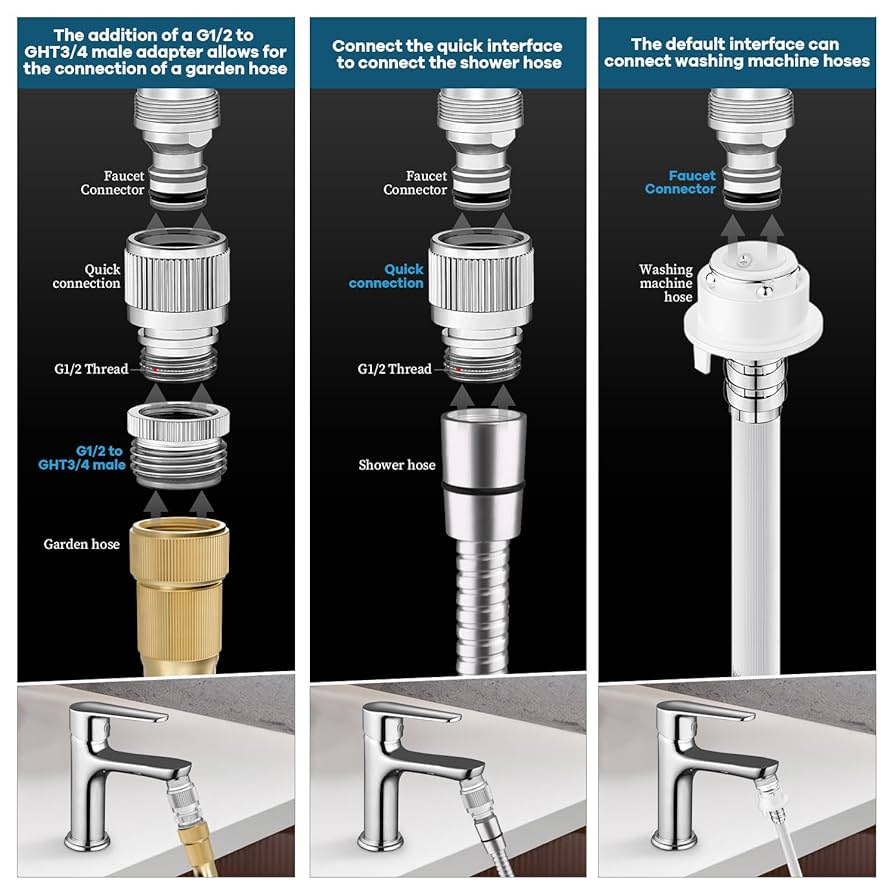
Do you need to water your garden but only have access to your kitchen faucet? Connecting a garden hose to your kitchen faucet might seem tricky at first, but it’s easier than you think.
Imagine turning on the tap and having water flow directly to your plants without any hassle. In this guide, you’ll discover simple steps to make this connection quickly and safely. Keep reading, and you’ll be ready to get your garden thriving in no time!
Tools And Materials Needed
Connecting a garden hose to a kitchen faucet needs some tools and parts. Getting the right supplies makes the job easier and prevents leaks.
Below are the main items you will need before starting the connection process.
Garden Hose And Faucet Adapter
A faucet adapter links your kitchen faucet to the garden hose. It fits over the faucet and has a threaded end for the hose. Most adapters are made of brass or plastic.
Hose Connector Types
- Threaded connectors screw onto the hose and adapter.
- Quick-connect fittings snap on for fast attachment.
- Compression connectors tighten with a nut to seal the connection.
Choose a connector type that fits your hose and faucet adapter size.
Additional Supplies
| Item | Purpose |
| Rubber Washer | Prevents leaks at connection points |
| Plumber’s Tape | Seals threaded joints |
| Adjustable Wrench | Tightens connectors without damage |
| Bucket or Towel | Catches water drips during installation |
Preparing The Kitchen Faucet
Connecting a garden hose to your kitchen faucet can save time and effort. Proper preparation of the faucet is important to avoid leaks and damage.
Follow these steps carefully to make sure your faucet is ready for the hose connection.
Checking Faucet Compatibility
Not all kitchen faucets fit garden hoses. Check the faucet type before buying an adapter or hose.
| Faucet Type | Compatible with Garden Hose |
|---|---|
| Standard Threaded Faucet | Yes |
| Pull-Out Spray Faucet | No |
| Single-Handle Faucet | Depends on adapter |
| Touchless Faucet | No |
Removing Existing Attachments
Remove any attachments like aerators or filters from the faucet tip. This helps the hose fit properly.
- Turn off the water supply.
- Use pliers or your hand to unscrew the aerator.
- Keep the parts safe in case you want to reinstall them later.
Cleaning The Faucet
Clean the faucet threads and tip before attaching the hose. Dirt can cause leaks or poor connection.
Use this simple cleaning method:
- Wipe the faucet tip with a damp cloth.
- Check for mineral buildup and scrub gently with a toothbrush.
- Rinse with water and dry with a towel.
Choosing The Right Adapter
Connecting a garden hose to a kitchen faucet needs the right adapter. This makes sure water flows without leaks.
Choosing the correct adapter depends on the faucet type and hose size. This guide helps you pick the right one.
Thread Size And Type
Faucets and hoses use different thread sizes and types. Most kitchen faucets have either male or female threads.
- Measure faucet thread diameter to match the adapter.
- Check if threads are straight (BSP) or tapered (NPT).
- Choose adapters that fit either 15mm or 22mm threads, common for kitchen faucets.
- Adapters often convert from faucet thread to standard garden hose thread (usually 3/4 inch).
Adapter Features
Look for adapters with durable materials like brass or stainless steel. This prevents rust and leaks.
| Feature | Benefit |
| Rubber Washer | Prevents water leaks at connection points |
| Thread Seal Tape | Improves tightness and stops drips |
| Quick-Connect | Makes attaching and detaching hose easier |
| Corrosion Resistant | Lasts longer outdoors and in wet conditions |
Where To Buy
You can find adapters at hardware stores, garden centers, or online shops. Check product details carefully.
- Local hardware stores often have staff to help choose the right adapter.
- Online stores offer a wide variety with customer reviews.
- Specialty garden stores may have adapters designed for kitchen faucets.
- Buy from trusted sellers to avoid low-quality parts.

Credit: www.amazon.com
Attaching The Adapter
Connecting a garden hose to a kitchen faucet needs an adapter. This adapter links the faucet to the hose.
Make sure you have the right adapter that fits your faucet and hose size. This will help avoid leaks and damage.
Securing The Adapter To Faucet
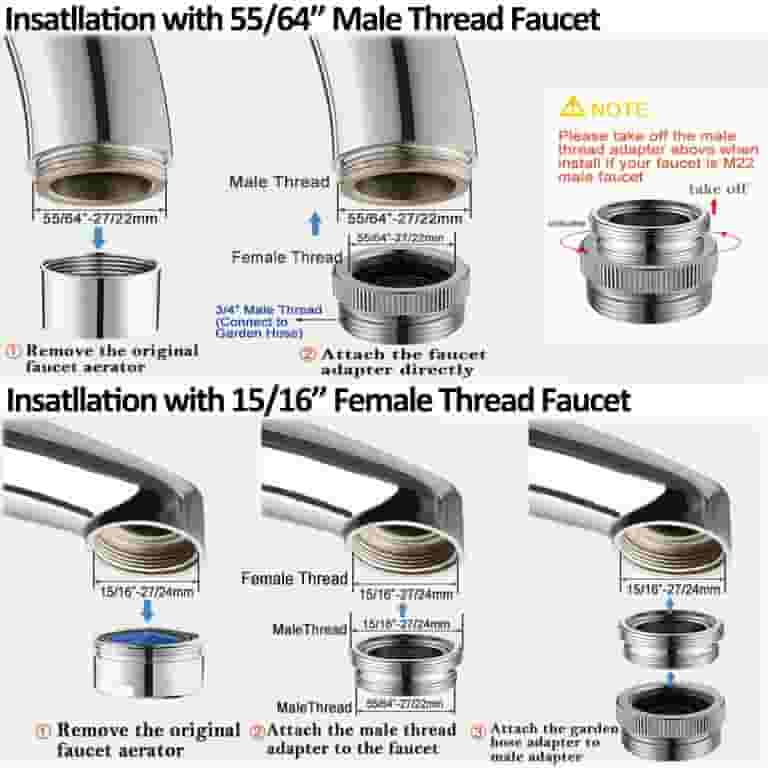
First, remove the aerator from the kitchen faucet. This is where you will attach the adapter.
Twist the adapter onto the faucet threads by hand. Turn it clockwise until it feels snug.
- Check the adapter fits tightly on the faucet.
- Do not force the adapter to avoid damage.
- Hand-tighten only; avoid using tools.
Ensuring A Tight Seal
To stop water leaks, the adapter must seal tightly. Check if it has a rubber washer inside.
If the washer is missing or worn, replace it. This helps create a water-tight seal between parts.
- Place the washer inside the adapter’s opening.
- Align the adapter correctly before tightening.
- Do not overtighten to protect the washer.
Testing For Leaks
Turn on the faucet slowly to check for leaks around the adapter. Watch for water drops or spray.
If you see leaks, tighten the adapter a little more by hand. If leaks continue, check the washer.
- Turn faucet on and off to test multiple times.
- Look closely at the connection point for water.
- Replace the adapter or washer if leaks persist.
Connecting The Garden Hose
Connecting a garden hose to a kitchen faucet is simple. It allows you to water plants or wash outdoor areas easily.
Here are clear steps to attach the hose, secure it, and check the connection for leaks.
Attaching The Hose To Adapter
First, you need a faucet adapter that fits your kitchen faucet. Screw the adapter tightly onto the faucet.
Next, connect the garden hose to the adapter. Turn the hose connector clockwise until it is snug.
Using Hose Clamps
Hose clamps keep the hose firmly attached to the adapter. They prevent leaks and slipping.
- Slide the hose clamp over the end of the hose before attaching it.
- Push the hose onto the adapter as far as it will go.
- Tighten the hose clamp around the hose using a screwdriver.
- Make sure the clamp is tight but not too tight to damage the hose.
Checking Hose Connections
| Check Point | What to Do |
| Adapter connection | Ensure it is screwed on tightly |
| Hose clamp | Verify it is secure and not loose |
| Hose end | Look for cracks or damage |
| Water test | Turn on faucet and watch for leaks |
If you find leaks, tighten connections or replace damaged parts. A good seal keeps water flowing only where you want it.
Safety Tips And Maintenance
Connecting a garden hose to a kitchen faucet needs care. Safety and maintenance help avoid problems.
Proper steps keep your home safe and your hose working well for years.
Avoiding Water Damage
Water damage can happen if the connection leaks or breaks. Always check the faucet and hose for tight fits.
Use a faucet adapter made for indoor use to prevent leaks. Turn off water when not using the hose.
- Check for leaks before use
- Use rubber washers for a tight seal
- Turn off faucet when finished
- Keep hose away from sharp edges
Storing The Hose Properly
Store the hose inside when not in use. Cold weather can freeze water inside and damage the hose.
Roll the hose neatly to stop kinks. Avoid leaving it in direct sunlight for long times.
- Drain all water before storage
- Keep hose in a cool, dry place
- Use a hose reel or hanger
- Do not fold or bend tightly
Regular Inspection
Check the hose and faucet connection often. Look for cracks, leaks, or worn parts.
Replace washers or hoses if you find damage. Regular care helps stop bigger problems later.
- Inspect hose for cracks or holes
- Check faucet adapter for wear
- Replace damaged washers immediately
- Test connections before each use
Troubleshooting Common Issues
Connecting a garden hose to a kitchen faucet can be tricky. Sometimes, issues arise that need simple fixes.
Here are some common problems and how to solve them. This guide will help you fix leaks, low pressure, and adapter issues.
Leaks And Drips
Leaks and drips happen if connections are not tight. A worn-out washer can also cause leaks.
Check the washer in the adapter. Replace it if it’s worn out. Ensure the adapter is tightly connected.
- Inspect the washer for damage
- Tighten connections with pliers
- Replace faulty washers
Low Water Pressure
Low water pressure can make watering difficult. This may be due to blockages or a kinked hose.
Check for kinks in the hose. Clean the faucet aerator to remove any blockages.
- Unkink the hose to allow water flow
- Remove and clean the faucet aerator
- Check for blockages in the hose
Adapter Fit Problems
Adapter fit problems occur if the adapter size doesn’t match the faucet. Using the right adapter is key.
Measure the faucet size before purchasing an adapter. Ensure the adapter fits snugly.
| Problem | Solution |
| Adapter too large | Buy a smaller adapter |
| Adapter too small | Use a larger adapter or additional washers |

Credit: www.reddit.com
Credit: www.walmart.com
Frequently Asked Questions
How Do I Connect A Garden Hose To A Kitchen Faucet?
To connect a garden hose, use a faucet adapter or a special kitchen faucet hose connector. Attach it securely to prevent leaks.
What Tools Are Needed To Attach A Hose To Kitchen Faucet?
You typically need a faucet adapter, a garden hose, and possibly Teflon tape for a tight seal.
Can I Use A Garden Hose With Any Kitchen Faucet?
Not all kitchen faucets fit garden hoses. Use adapters designed for kitchen faucets with aerators.
How To Prevent Leaks When Connecting Garden Hose To Faucet?
Ensure the adapter fits tightly, use plumber’s tape on threads, and check for cracks or damage.
Conclusion
Connecting a garden hose to a kitchen faucet is simple with the right tools. Always check for leaks before use. Tighten connections to avoid water waste. Using an adapter makes the process easier. This setup saves time for watering plants or cleaning.
Stay safe by turning off water after use. Enjoy the convenience of your new hose connection.