Are you tired of your fishing line tangling or breaking just when you’re about to catch a big one? Installing your fishing line the right way can make all the difference between a frustrating day and a successful fishing trip.
Whether you’re a beginner or need a quick refresher, this guide will show you simple, step-by-step methods to get your line set up perfectly every time. Keep reading, and you’ll learn how to make your fishing gear work for you—so you can focus on what really matters: landing that trophy fish.
Choosing The Right Fishing Line
Choosing the right fishing line is important for a good fishing experience. The fishing line connects your rod to the hook and bait.
Picking the right line helps you catch fish better and avoid line breaks or tangles.
Types Of Fishing Lines
There are three main types of fishing lines. Each type works best in different situations.
- Monofilament: A single strand, stretchy and easy to use.
- Fluorocarbon: Less visible in water and more resistant to sun damage.
- Braid: Made of many fibers, very strong and thin.
Choose the type based on your fishing needs and water conditions.
Matching Line To Fishing Style
Your fishing style affects which line you should pick. Different fish and fishing spots need different lines.
For example, use braid for deep water fishing. Monofilament works well for beginners and light fishing.
- Freshwater fishing: Monofilament or fluorocarbon are good choices.
- Saltwater fishing: Use strong fluorocarbon or braided lines.
- Fly fishing: Use special thin lines that float or sink.
Considering Line Strength And Thickness
Line strength is the weight it can hold before breaking. Thickness affects how far you can cast and how visible it is.
Stronger lines can catch bigger fish but may be thicker and more visible.
| Line Strength (lb) | Fishing Use |
|---|---|
| 2-6 | Small fish, light tackle |
| 8-12 | Medium fish, general use |
| 15-30+ | Large fish, heavy tackle |
Pick a line strength that matches the size of fish you want to catch.

Credit: www.youtube.com
Preparing Your Reel
Getting your reel ready for fishing is important. It helps you fish better. Follow these steps to ensure your reel is in good condition.
Preparation includes cleaning, inspecting, selecting the right spool, and setting the drag system. Let’s explore each step.
Cleaning And Inspecting The Reel
Before installing a new fishing line, clean and inspect your reel. This helps avoid problems when you’re out fishing.
- Use a soft cloth to wipe away dirt.
- Check for any damage or wear.
- Make sure all parts move smoothly.
Selecting The Spool Size
Choosing the right spool size is key. It ensures your line fits well and works properly during fishing.
Setting The Drag System
The drag system helps control the line tension. Set it correctly to avoid line breakage.
| Reel Type | Recommended Drag Setting |
| Spinning | Light |
| Baitcasting | Medium |
| Fly | Heavy |
Attaching The Line To The Reel
Attaching the fishing line to the reel is the first step in setting up your gear. This process ensures the line stays secure during casting and retrieval.
Proper attachment helps prevent line slippage and keeps your fishing smooth. The arbor knot is a popular choice for this task.
Tying The Arbor Knot
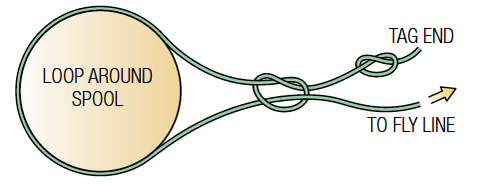
The arbor knot holds the fishing line firmly to the reel spool. It is simple to tie and very reliable for most fishing lines.
- Wrap the line around the spool of the reel.
- Tie an overhand knot around the standing line.
- Tie a second overhand knot at the tag end.
- Pull both knots tight against the spool.
- Trim the excess tag end to avoid tangles.
Securing The Line Properly
After tying, secure the line by winding it evenly onto the reel. This prevents loose loops and tangles while fishing.
| Tip | Reason |
|---|---|
| Keep tension on the line while winding | Prevents loose coils and line slippage |
| Wind the line evenly across the spool | Distributes line for smooth casting |
| Fill the spool to about 1/8 inch from the edge | Avoids overfilling and line tangles |
Spooling The Line
Spooling the fishing line correctly is key for good casting and fishing. It helps avoid problems like tangles and breaks.
This guide covers how to keep line tension, fill the spool evenly, and prevent line twist and overfill.
Maintaining Line Tension
Keep the line tight while spooling to avoid loose coils. Loose line can cause tangles and reduce casting distance.
- Hold the line between your fingers to keep it tight.
- Use a cloth or glove for a better grip on slippery line.
- Apply steady pressure as the line winds onto the spool.
- Ask a friend to help spool if needed for better tension control.
Filling The Spool Evenly
Fill the spool evenly to stop the line from bunching on one side. Uneven spooling causes line tangles and casting problems.
| Tip | How to Do It |
|---|---|
| Guide the line | Move the line back and forth across the spool with your fingers. |
| Keep steady speed | Turn the reel handle smoothly without stopping or jerking. |
| Check line level | Stop often to see if the line is piling evenly on the spool. |
Avoiding Line Twist And Overfill
Line twist makes knots and weak spots. Overfilling causes line to spill out and tangle.
Follow these tips to avoid problems:
- Attach the line to the spool so it unrolls from the supply spool in the same direction.
- Spin the reel slowly and keep tension steady.
- Leave a small gap (about 1/8 inch) from the spool rim to avoid overfill.
- Cut off any old line before spooling new line to prevent twists.
Finishing Touches
After installing the fishing line, the final steps are important. These steps help make sure your line stays strong and works well.
Follow the finishing touches carefully to get the best fishing experience.
Cutting And Securing The Line End
Cut the fishing line cleanly using sharp scissors. Leave a small tail to secure it properly.
Use knots or clips to tie the line end tightly. This stops the line from slipping or loosening.
- Cut the line about 1 inch from the knot
- Use a strong knot like the Palomar knot
- Trim any extra line close to the knot
Threading The Line Through Guides
Thread the fishing line through each guide on the rod. Start from the reel and move toward the tip.
Make sure the line passes smoothly through every guide. This helps with casting and prevents tangles.
- Check each guide for damage or dirt
- Pass the line through all guides in order
- Keep tension on the line while threading
Testing The Setup
After threading and securing the line, test the setup. Pull the line gently to check for tight knots.
Cast the line a few times in a safe area. Look for smooth line flow and no snags.
- Pull the line to check knot security
- Make short test casts to check guides
- Adjust the tension if the line feels loose
Credit: monsterbass.com
Tips For Line Maintenance
Fishing line needs care to stay strong and ready to use. Proper maintenance helps avoid breaks and tangles.
Follow simple steps to keep your line in good shape and your fishing trips successful.
Regular Inspection For Damage
Check your fishing line before every trip. Look for cracks, frays, or discoloration. These signs show the line is weak.
- Run the line through your fingers slowly to feel rough spots.
- Look closely at the line under bright light for small cuts.
- Check knots and connection points for wear.
- Replace line if you see any damage to avoid losing fish.
Replacing Old Or Worn Line
Old line loses strength and can break easily. Change the line regularly to keep it reliable.
| Type of Line | Recommended Replacement Time |
| Monofilament | Every 6 months |
| Fluorocarbon | Every 12 months |
| Braid | Every 12 months |
Always spool new line tightly and evenly to prevent tangles and improve casting.
Storing The Reel Properly
Proper storage keeps your line in good condition and ready for use. Store reels in a cool, dry place.
- Loosen the drag to reduce pressure on the line.
- Keep the reel away from direct sunlight to avoid line damage.
- Use a reel cover or case to protect from dust and dirt.
- Check line tension before storing after each use.

Credit: www.youtube.com
Frequently Asked Questions
How Do I Choose The Right Fishing Line?
Select fishing line based on target fish, water type, and fishing style. Consider line strength, material, and visibility for best results.
What Tools Do I Need To Install Fishing Line?
You need a fishing rod, reel, line, scissors, and possibly a line spooler for easier installation and accuracy.
How Do I Tie Fishing Line To A Reel?
Attach the line to the spool using an arbor knot. Tighten securely, then wind the line evenly onto the reel.
How Much Fishing Line Should I Spool On My Reel?
Fill the spool about 1/8 inch below the reel’s rim to avoid tangles and maintain smooth casting.
Conclusion
Installing fishing line is simple with the right steps. Take your time and follow each part carefully. Check the line for knots and make sure it is tight. Practice a few times to feel more confident. Soon, you will be ready to fish without worry.
Enjoy your time by the water and catch some fish! Keep your gear in good shape for better results. Fishing can be fun and relaxing when done right.