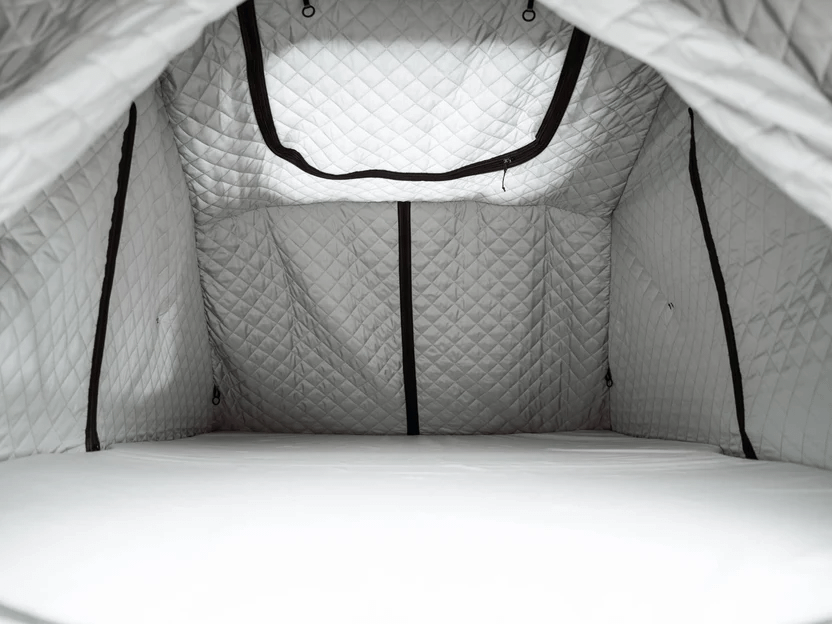
Are you tired of waking up shivering inside your tent? Proper insulation can make all the difference between a cold, restless night and a warm, cozy sleep under the stars.
Whether you’re camping in chilly weather or just want to stay comfortable, knowing how to insulate your tent is a game-changer. In this guide, you’ll discover simple, effective tips that anyone can use to keep the cold out and the warmth in.
Ready to transform your camping experience? Let’s dive in and make your next trip the most comfortable one yet.
Choosing The Right Tent
Picking the right tent helps keep you warm inside. The tent type affects how well it holds heat.
Good insulation depends on the tent’s materials and design. This guide helps you choose wisely.
Seasonal Tent Types
Tents come in types for different seasons. Each type offers different protection and warmth.
Winter tents block wind and snow better than summer tents. Three main types include:
- 3-Season Tents:Best for spring, summer, and fall. Lightweight but less insulated.
- 4-Season Tents:Made for harsh winter weather. Strong frames and thick fabric.
- Convertible Tents:Can change between 3- and 4-season uses. Flexible for different weather.
Materials And Insulation Features
Tent materials affect warmth and comfort. Look for fabrics that block cold and trap heat.
Common insulation features include double walls, reflective layers, and sealed seams.
- Double-Wall Design:Inner breathable layer and outer waterproof layer keep warmth in.
- Insulated Fabrics:Some tents use thicker or coated fabrics to reduce heat loss.
- Sealed Seams:Prevent cold air and moisture from entering the tent.
- Reflective Linings:Reflect body heat back inside to keep the tent warm.

Credit: www.battlbox.com
Selecting Insulation Materials
Choosing the right insulation for your tent is crucial. It keeps you warm and comfortable during your outdoor adventures.
There are several options available. Each has its own benefits and uses. Let’s explore them.
Foam Pads And Mats
Foam pads are lightweight and easy to carry. They provide a barrier between the ground and your sleeping bag.
- Available in various thicknesses
- Can be rolled up for easy packing
- Provides a comfortable sleeping surface
Reflective Blankets
Reflective blankets are often used in emergency kits. They reflect body heat back to you, helping to keep you warm.
| Feature | Benefit |
| Lightweight | Easy to carry and pack |
| Waterproof | Protects against moisture |
| Durable | Reusable for multiple trips |
Sleeping Bags And Liners
Sleeping bags come in different temperature ratings. Choose one based on the weather conditions you expect.
Preparing The Tent Site
Insulating your tent starts with choosing the right spot. A good site keeps the tent warm and safe.
Proper ground preparation helps keep cold and moisture away. This makes your camping stay more comfortable.
Finding A Sheltered Location
Look for a spot shielded from strong winds. Trees or large rocks can block cold air. Avoid low areas where cold air settles.
- Choose a flat area with natural windbreaks
- Avoid open fields or hilltops
- Stay away from places prone to flooding
- Check for overhead branches that might drop debris
- Pick a sunny spot to get warmth during the day
Ground Preparation Tips
Prepare the ground to stop cold and dampness. A dry, smooth base helps insulate the tent floor.
| Ground Type | Preparation Tip |
| Grass | Clear leaves and rocks, lay a groundsheet |
| Soil | Flatten surface, use a thick tarp for moisture |
| Sand | Level the area, add a foam pad for insulation |
| Rocky | Remove sharp stones, use thick mats or rugs |
b-1.jpg)
Credit: www.dtbdoutdoor.eu
Insulating The Tent Floor
Keeping the floor of your tent warm is very important for a good night’s rest. Cold air and damp ground can make the inside uncomfortable. Using the right materials to insulate the floor helps keep you warm and dry.
This guide focuses on two simple ways to add insulation to your tent floor. You can use ground tarps and foam pads to create a barrier between you and the cold earth.
Using Ground Tarps
Ground tarps are placed under your tent to protect it from moisture and cold. They add a layer that stops heat from escaping into the ground. Choose a tarp that fits your tent size to avoid water pooling under the tent.
- Pick a waterproof tarp that is slightly smaller than your tent floor.
- Lay the tarp flat on the ground before setting up the tent.
- Make sure the tarp does not extend beyond the tent edges to prevent water from collecting under the tent.
- Check the tarp for holes or tears before use.
Layering With Foam Pads
Foam pads add cushioning and insulation on top of the tent floor. They trap warm air and stop cold from reaching your sleeping bag. Many campers use foam pads to improve comfort and heat retention.
| Type of Foam Pad | Insulation Value (R-Value) | Best Use |
|---|---|---|
| Closed-cell foam | 2 to 3 | Basic insulation, lightweight |
| Self-inflating foam | 3 to 4 | Good warmth and comfort |
| Thick foam mats | 4 to 5 | High insulation, heavier |
Insulating The Tent Walls And Roof
Keeping your tent warm is important for comfort. Insulating the walls and roof helps block cold air. It also stops heat from escaping.
There are simple ways to add insulation. Using reflective materials and extra fabric layers can make a big difference.
Applying Reflective Materials
Reflective materials send heat back inside the tent. They help keep the tent warmer during cold nights. You can use emergency blankets or reflective foils.
- Attach reflective foil to the inside walls and roof.
- Use tape or clips to secure the material without damage.
- Make sure the reflective side faces inward to reflect heat.
- Avoid covering vents to keep airflow safe.
Adding Extra Fabric Layers
Adding more fabric layers creates a barrier to cold air. Thick fabrics trap warm air and reduce heat loss. You can hang blankets or quilts inside the tent.
| Fabric Type | Best Use | Benefits |
| Wool Blanket | Walls and roof | Good warmth and moisture resistance |
| Fleece Throw | Roof only | Lightweight and soft insulation |
| Quilted Fabric | Walls | Extra padding and heat retention |

Credit: klymit.com
Managing Ventilation
Proper ventilation is key to keeping your tent comfortable and dry. It helps control moisture and air flow inside your shelter.
Good ventilation also balances warmth and fresh air. This guide explains how to manage ventilation well.
Avoiding Condensation
Condensation happens when warm air inside the tent meets cold surfaces. It creates water droplets that make gear wet.
- Keep vents open to let moist air escape.
- Use mesh panels to allow air flow but keep bugs out.
- Avoid drying wet clothes inside the tent.
- Place the tent on dry ground to reduce moisture coming up.
- Cook outside to prevent adding steam inside.
Balancing Warmth And Airflow
Ventilation helps keep fresh air while keeping warmth inside. It’s a balance between cold drafts and stale air.
| Tip | Effect |
| Open vents partially | Allows air flow without losing too much heat |
| Use a tent with adjustable vents | Control airflow depending on weather |
| Seal gaps at night | Retains warmth but keep some vent open |
| Use a breathable tent fabric | Helps moisture escape but keeps warm air in |
Using Heat Sources Safely
Keeping warm inside a tent is important during cold weather. Using heat sources helps, but safety must come first. Poor use of heaters can cause fires or carbon monoxide poisoning.
Learn how to choose and use heat sources safely. This will keep you warm and protect everyone in the tent.
Portable Heaters Options
There are different portable heaters you can use inside a tent. Each type has benefits and risks. Pick one that fits your tent and heating needs.
- Electric heaters: Safe if you have power. They do not produce fumes.
- Propane heaters: Provide strong heat but need ventilation.
- Butane heaters: Small and light, good for short use.
- Wood stoves: Great heat but need space and a chimney pipe.
Safety Precautions
Using heaters safely means following rules that protect you and others. Always check your heater before use and keep the tent well ventilated.
- Never leave heaters running while you sleep.
- Keep heaters away from flammable materials like sleeping bags or tents.
- Use carbon monoxide detectors inside the tent.
- Ventilate the tent to avoid buildup of dangerous gases.
- Follow the heater’s instructions carefully.
- Keep a fire extinguisher or water nearby.
Additional Tips For Staying Warm
Keeping warm inside a tent can be challenging during cold weather. Using extra methods can help you stay comfortable all night.
Simple steps like wearing the right clothes and eating warm food make a big difference. Here are some helpful tips to keep heat inside your tent.
Wearing Appropriate Clothing
Dress in layers to keep your body heat trapped. Start with a thin base layer that absorbs sweat and add warm layers on top.
Wear a hat and gloves to protect your head and hands. These areas lose heat quickly. Avoid cotton clothes since they hold moisture.
- Base layer: wool or synthetic fabric
- Middle layer: fleece or insulated jacket
- Outer layer: windproof and waterproof
- Warm socks and insulated boots
- Hat, gloves, and scarf
Utilizing Hot Water Bottles
Hot water bottles are a simple way to add warmth inside your sleeping bag. Fill them with hot water before bedtime.
Place the bottle near your feet or under your sleeping bag. It can keep you warm for hours as the heat slowly releases.
- Use a durable bottle that won’t leak
- Wrap the bottle in a cloth for safety
- Refill with hot water if needed during the night
- Keep the bottle sealed tightly
Eating Warm Meals
Eating warm meals before sleeping helps raise your body temperature. Hot food gives you energy to stay warm longer.
Choose easy-to-cook meals like soups, stews, or instant noodles. Drink warm beverages like tea or broth to stay hydrated.
- Prepare meals with high calories
- Eat slowly to help digestion
- Carry lightweight cooking gear
- Drink warm liquids often
Frequently Asked Questions
How Can I Insulate A Tent For Cold Weather?
Use reflective blankets, foam mats, and insulated liners inside your tent. Seal gaps and use a windbreak outside to reduce heat loss.
What Materials Work Best For Tent Insulation?
Closed-cell foam, reflective emergency blankets, and insulated sleeping pads are effective. These materials trap heat and block cold air efficiently.
Is It Necessary To Insulate A Tent In Mild Weather?
Not always. Insulation helps retain warmth during cold nights but may cause overheating in mild weather. Use breathable layers accordingly.
How Do I Prevent Moisture When Insulating A Tent?
Use moisture-wicking liners and ventilate the tent properly. Avoid trapping condensation by allowing airflow and keeping insulation dry.
Conclusion
Insulating your tent keeps you warm and comfortable outdoors. Use simple materials like foam, blankets, or sleeping pads. Seal gaps to stop cold air from coming in. Layering helps trap heat inside the tent. These easy steps make camping more enjoyable in cold weather.
Stay cozy and enjoy nature without feeling cold. Try these tips on your next trip for better warmth. Simple changes can make a big difference.