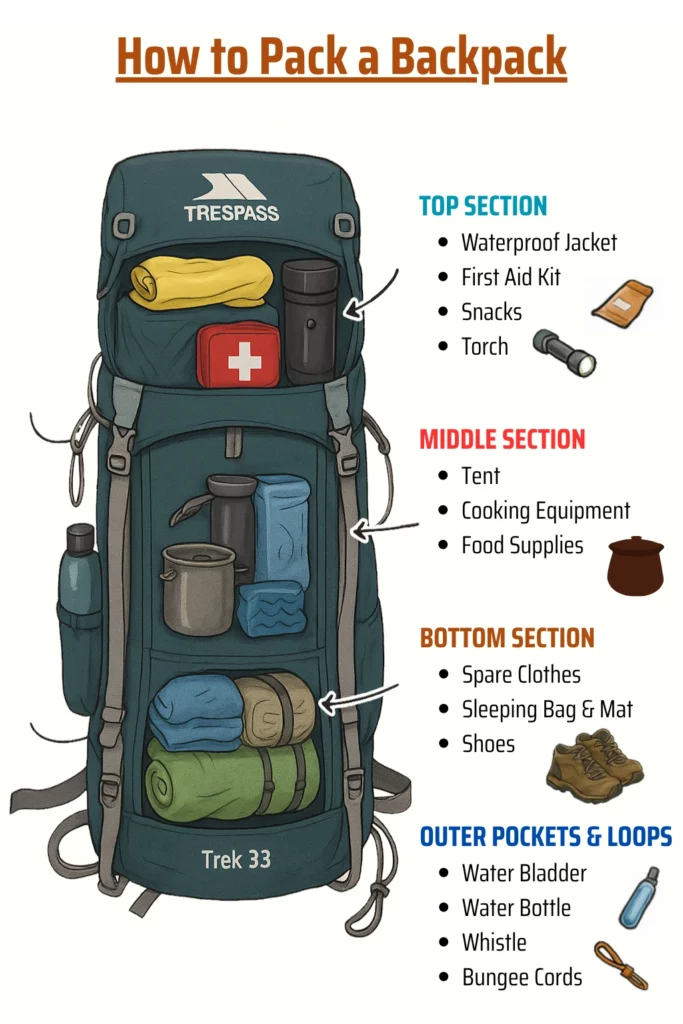
Packing a tent into your backpack might seem simple, but if you don’t do it right, it can take up too much space and weigh you down. Imagine struggling to close your pack or finding your tent soggy after a rainy hike.
You want to avoid that. In this guide, you’ll learn easy, practical steps to fold and pack your tent efficiently. By the end, you’ll know exactly how to save space, protect your gear, and make your next outdoor trip smoother.
Ready to pack smarter? Let’s dive in.
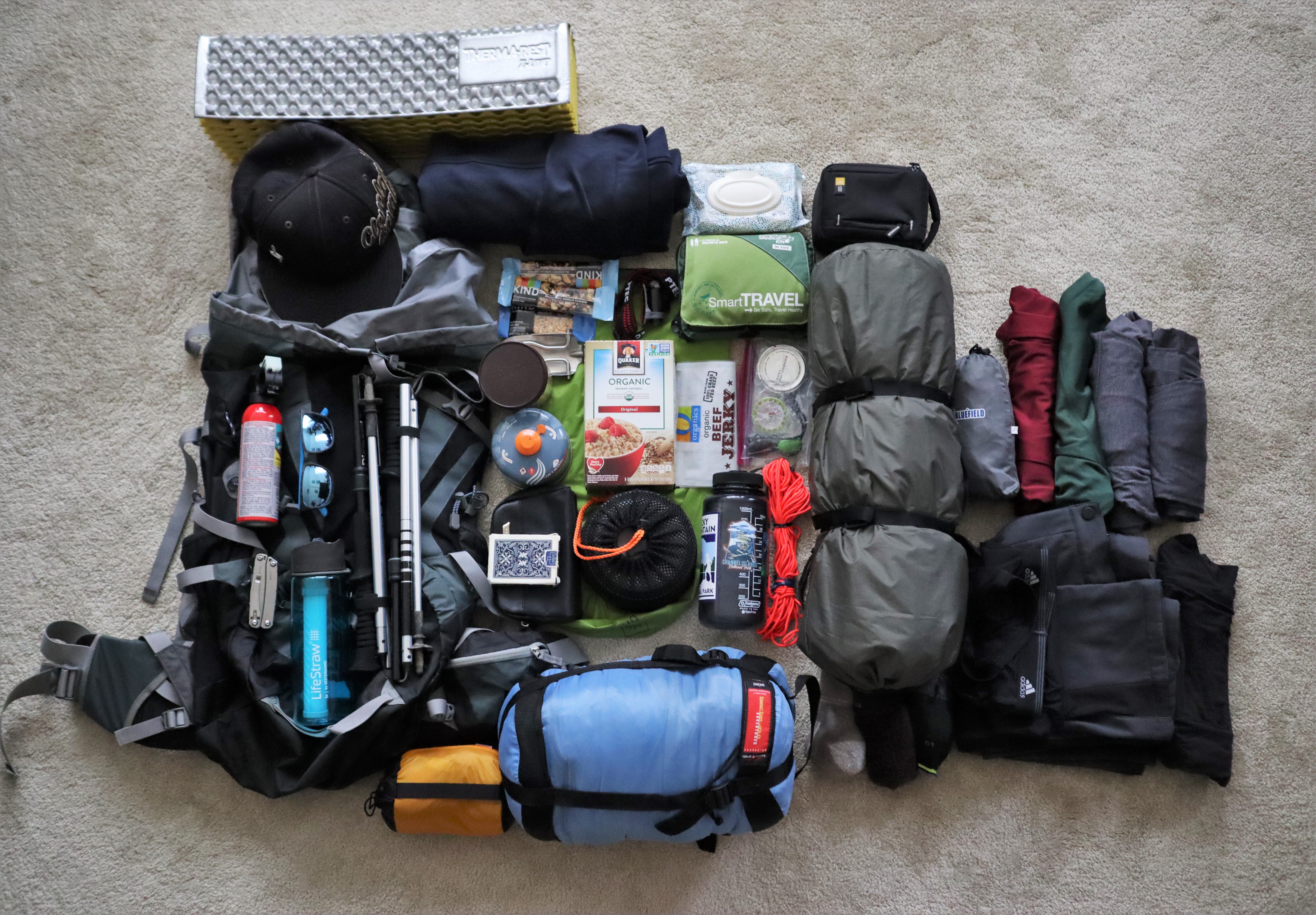
Credit: pangolinswithpacks.com
Choosing The Right Tent
Packing a tent into a backpack needs careful tent choice. The right tent makes your trip easier and more comfortable.
Consider size, weight, and material before buying. This helps you carry less and stay safe outdoors.
Size And Weight Considerations
Pick a tent that fits your needs but is light to carry. A heavy or big tent can slow you down.
- Choose a tent with enough space for sleepers and gear.
- Look for tents made for backpacking, as they are lighter.
- Check packed size to make sure it fits your backpack.
- Lighter tents cost more but save energy while hiking.
- Consider the season; 3-season tents weigh less than 4-season ones.
Material And Durability
Tent material affects weight, durability, and weather resistance. Choose materials that match your trip style.
| Material | Weight | Durability | Water Resistance |
| Nylon | Light | Moderate | High |
| Polyester | Moderate | High | High |
| Canvas | Heavy | Very High | Moderate |
Preparing Your Tent For Packing
Packing a tent properly ensures it fits in your backpack. It also keeps it in good condition for future use. Follow these steps to prepare your tent before packing.
Cleaning And Drying
Clean your tent to remove dirt and debris. This prevents damage during storage. A clean tent also smells better when you use it again.
Dry your tent completely to avoid mold and mildew. Moisture can ruin the fabric over time. Ensure all parts are dry before packing.
- Shake out dirt and leaves
- Wipe with a damp cloth if necessary
- Air dry in a well-ventilated area
Disassembling Components
Disassemble your tent by taking apart all components. This makes packing easier and prevents damage. Keep all parts organized for quick setup next time.
Separate the poles, stakes, and rainfly. Place them in their respective bags. Roll the tent fabric neatly to save space.
| Component | Action |
| Poles | Fold and store in pole bag |
| Stakes | Place in a small bag |
| Rainfly | Fold and roll with the tent |
Folding Techniques
Packing a tent correctly saves space and protects the fabric. Good folding keeps the tent neat and easy to carry.
Folding needs care and attention. Using the right technique helps you fit your tent into your backpack faster.
Compact Folding Methods
Compact folding reduces the tent size to save backpack space. Start by shaking out the tent to remove dirt and air.
Fold the tent flat by aligning the edges and smoothing wrinkles. Keep the poles and stakes separate to avoid damage.
- Lay tent flat and fold sides toward the center
- Fold in thirds or quarters for a narrow shape
- Keep fabric tight but not strained
- Pack poles and stakes separately in a side pocket
Rolling Vs. Folding
Rolling tents creates a tight cylinder. Folding tents makes a flat bundle. Each way has benefits and limits.
Rolling stops wrinkles and fits well in long bags. Folding is faster and fits better in square spaces.
- Rolling:Keeps fabric smooth and compact
- Rolling:Needs more space in width
- Folding:Saves width space in backpacks
- Folding:Can cause creases if done tightly

Credit: www.reddit.com
Using A Tent Stuff Sack
Packing a tent into a backpack takes skill and the right tools. A tent stuff sack helps you compress and protect your tent. This guide shows how to use one well.
Choosing the right sack and using proper stuffing methods make your pack lighter and easier to carry. Follow these tips for better results.
Selecting The Right Sack
Pick a stuff sack that fits your tent snugly. It should be strong and water-resistant. A sack with compression straps helps reduce bulk.
- Size: Match the sack size to your tent packed size.
- Material: Choose ripstop nylon or polyester for durability.
- Water Resistance: Look for water-repellent coatings or sealed seams.
- Compression: Straps or cords to tighten the sack and save space.
- Weight: Select a light sack to keep your pack weight down.
Proper Stuffing Methods
Stuffing your tent correctly keeps it compact and protects fabric and poles. Avoid rolling, which traps air and takes more space.
| Stuffing Method | Description | Benefits |
|---|---|---|
| Stuffing | Push the tent straight into the sack without folding. | Keeps fabric tight and reduces air pockets. |
| Rolling | Roll the tent tightly like a sleeping bag. | Easy but traps air and takes more space. |
| Folding | Fold tent into a flat shape before stuffing. | Neater but less compact than stuffing. |
Start stuffing from the tent’s bottom end. Push the fabric firmly into the sack. Use your hands to compress it as you go. Tight stuffing helps save space.
Organizing Tent Accessories
Packing your tent neatly helps save space in your backpack. Organize each part so you can find it quickly.
Keep small items safe and tent poles protected. This makes setting up camp easier and faster.
Packing Poles And Stakes
Break down tent poles into their shortest sections. Bundle them tightly to avoid damage.
Place poles and stakes in separate bags. Use stiff bags to keep poles straight and stakes from poking other gear.
- Use a pole sleeve or wrap poles in a cloth
- Keep stakes in a small pouch or container
- Pack poles and stakes at the bottom or side of your backpack
Securing Small Items
Small items like clips, repair kits, and guylines can get lost easily. Keep them in one place.
Use a small zippered pouch or clear bag for these items. Label the bag if possible.
- Gather all small parts before packing
- Store them in a separate pouch or bag
- Attach the pouch inside your backpack for easy access
Placing The Tent In Your Backpack
Packing your tent correctly helps keep your backpack balanced. It also saves space for other gear.
Knowing where to place the tent inside your backpack improves comfort. It makes hiking easier and safer.
Ideal Placement For Balance
Place the tent close to your back and near the center of the pack. This keeps your weight balanced.
Heavy items should go low and close to your spine. This prevents strain and helps maintain good posture.
- Put the tent at the bottom center of the pack.
- Keep it near your back for better weight distribution.
- Place heavier gear below or around the tent.
- Light items go on top or at the pack’s edges.
Maximizing Space Efficiency
Roll or stuff the tent tightly to reduce its size. Use compression sacks if you have them.
| Method | Benefits |
|---|---|
| Rolling the Tent | Saves space and avoids wrinkles |
| Stuffing the Tent | Quick packing but may be bulky |
| Using Compression Sack | Compresses volume, fits better in pack |
Fill gaps around the tent with smaller items. This prevents shifting and keeps the pack steady.
Additional Packing Tips
Packing a tent correctly helps keep it safe and ready to use. This section offers extra tips for your tent packing process.
These tips focus on protecting your tent and making it easy to reach during your trips.
Waterproofing Your Tent
Keeping your tent dry is important. Use these methods to add extra waterproofing before packing.
- Spray the tent fabric with a waterproofing spray before folding it.
- Check and seal seams with waterproof tape or sealant.
- Store the tent in a waterproof bag or cover inside your backpack.
- Keep the tent poles and stakes separate to avoid damage to the fabric.
Quick Access Strategies
Sometimes you need your tent fast. These ideas help you pack so you can get your tent quickly.
| Strategy | Description |
| Top Pocket Storage | Keep the tent in the top backpack pocket for easy reach. |
| External Straps | Use straps outside the pack to hold the tent securely but accessibly. |
| Separate Dry Bag | Store the tent in a dry bag that you can pull out without unpacking everything. |
| Color Coding | Use a bright cover or strap to spot the tent quickly. |
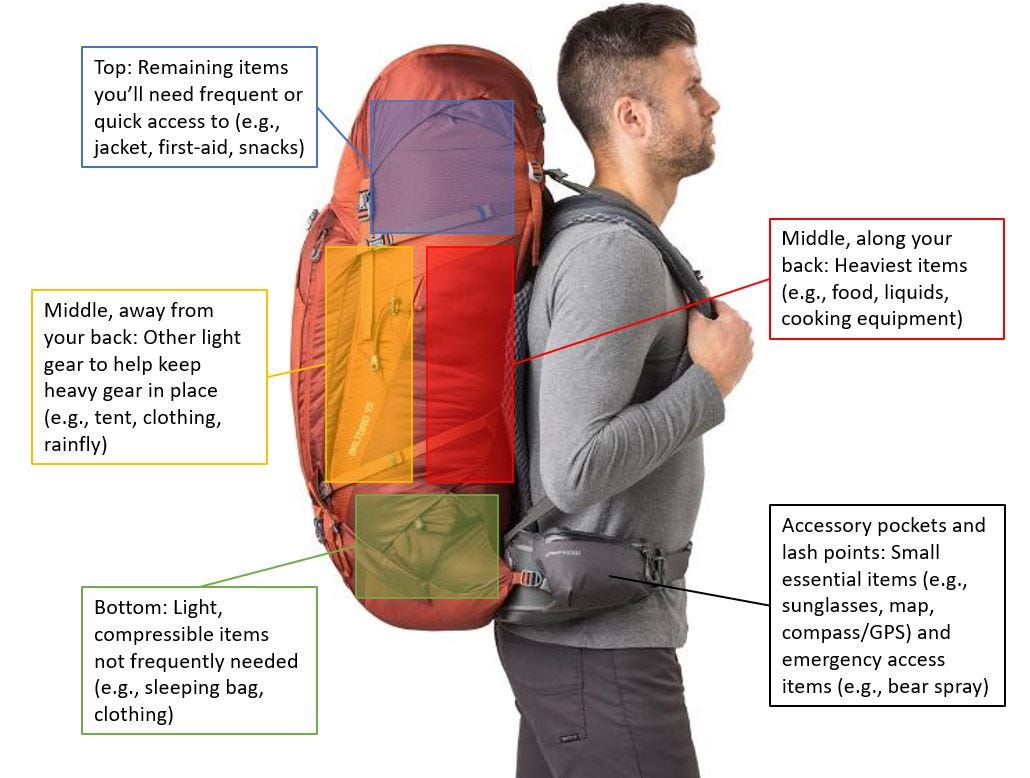
Credit: pangolinswithpacks.com
Frequently Asked Questions
How Do I Compress A Tent For Backpacking?
Use a stuff sack to tightly roll your tent. Remove excess air and fold poles separately. This saves space and keeps the tent compact in your backpack.
What’s The Best Way To Protect A Tent In A Backpack?
Wrap your tent in a waterproof bag or rainfly. Keep it away from sharp objects. This prevents damage from moisture and punctures during your hike.
Should I Dry My Tent Before Packing It?
Yes, always dry your tent completely before packing. Moisture can cause mold and odors. Dry tents last longer and stay fresh for your next trip.
How Can I Save Space Packing A Tent?
Disassemble poles and pack them separately. Fold your tent tightly and use compression straps. This organizes your gear and maximizes backpack space.
Conclusion
Packing a tent well saves space and makes hiking easier. Roll the tent tightly and keep all parts together. Use compression sacks or straps to keep it compact. Place the tent at the bottom or side of your backpack. This balances weight and protects the tent from damage.
Practice packing a few times before your trip. Doing this helps you pack faster and smarter. A well-packed tent means more comfort on your adventure. Ready to hit the trail?