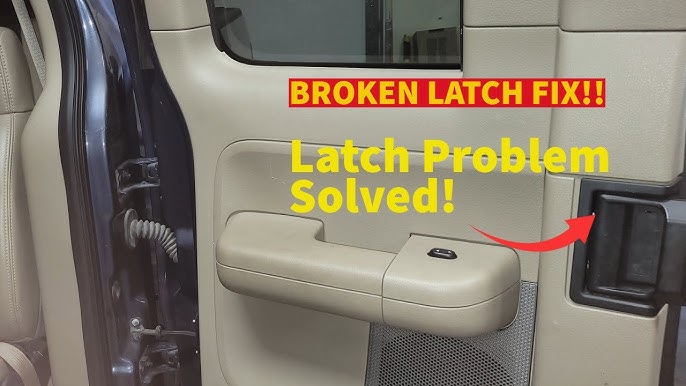
Is your Ford F150’s rear door latch giving you trouble? You’re not alone, and fixing it might be easier than you think.
A faulty door latch can be frustrating and even unsafe, but with the right steps, you can get your truck’s door working smoothly again. In this guide, you’ll discover simple, clear instructions to repair your rear door latch quickly—no need to spend a fortune at the mechanic.
Keep reading, and by the end, you’ll have the confidence and know-how to tackle the repair yourself.

Credit: www.youtube.com
Tools And Materials Needed
Before you start repairing the rear door latch on your Ford F150, gathering the right tools and materials will save you time and frustration. Having everything ready means you can focus on the fix without unexpected interruptions. Let’s look at what you need to get this job done efficiently and correctly.
Essential Tools For The Repair
- Screwdrivers:Both flathead and Phillips screwdrivers are necessary to remove screws and pry off panels without damage.
- Socket Set:A ratchet with various socket sizes helps you remove bolts holding the door latch assembly.
- Trim Removal Tools:These plastic tools prevent scratching or breaking the door panel when you remove it.
- Pliers:Needle-nose pliers assist in disconnecting clips and handling small parts.
- Torx Drivers:Some Ford F150 models use Torx screws in the door latch, so having a set of these drivers is handy.
Materials You’ll Need
- Replacement Door Latch:Make sure to get the exact match for your Ford F150’s year and model for a perfect fit.
- Lubricant Spray:A spray like WD-40 helps loosen stuck parts and keeps the latch mechanism moving smoothly.
- Cleaning Cloths:Use these to wipe away dirt, grime, and old grease during the repair.
- Electrical Tape:Handy for securing any loose wiring or connectors if your door latch has electronic components.
Why Preparing Tools And Materials Matters
Have you ever started a repair only to realize you don’t have the right screwdriver or part? It disrupts your workflow and adds unnecessary stress. When I fixed my own F150 door latch, having everything on hand made the process smooth and less frustrating.
Getting these tools and materials ready also helps you spot any missing components early. You avoid multiple trips to the store and keep your focus on the repair itself. Are you ready to check your toolbox and order the parts you need?

Credit: www.youtube.com
Diagnosing The Rear Door Latch Issue
Diagnosing the rear door latch issue is the first step to fixing your Ford F150. Knowing the problem saves time and helps you repair it correctly. The door latch controls the opening and closing of the door. If it fails, the door may not close or open properly. Check symptoms and inspect parts carefully to find the exact problem.
Common Symptoms
- Door won’t latch or stay closed
- Door sticks or feels hard to open
- Strange noises when opening or closing
- Door opens while driving
- Power lock does not work on that door
Inspection Tips
- Check the door latch for visible damage or dirt
- Test the door handle and lock mechanism
- Look for broken or loose parts inside the door panel
- Listen for clicking sounds when operating the latch
- Ensure the door striker is aligned and not worn
Removing The Rear Door Panel
Removing the rear door panel on your Ford F150 is the first critical step to accessing and repairing the door latch. It might seem tricky at first, but with patience and the right approach, you can avoid damage and make the job much smoother. Taking time here saves you from costly mistakes later.
Disconnecting Electrical Components
Start by lowering the window fully to give yourself room to work. The rear door panel hides several electrical connectors for power windows, locks, and speakers. Gently pry off the panel near the edges using a plastic trim tool to avoid scratching the paint or breaking clips.
Once loose, look for the wiring harnesses connected to switches and speakers. Disconnect these by pressing the small tabs on the connectors and pulling them apart carefully. If you rush or pull harshly, you risk damaging the wiring, which can lead to bigger headaches down the line.
Unfastening Clips And Screws
With electrical components disconnected, focus on the clips and screws holding the panel in place. Most screws are hidden behind the door handle trim or inside small plastic covers—remove these covers first using a flathead screwdriver or trim tool.
Next, use a Phillips screwdriver to remove all visible screws. Then, gently pry around the panel edges with your trim tool to pop out the plastic clips. These clips can be stubborn, so work slowly and evenly around the panel. Ever tried pulling too hard on one spot and ended up with a broken clip? Avoid this by applying steady pressure around the whole perimeter.
After all clips and screws are free, lift the panel upward to detach it from the window ledge. Set it aside carefully to prevent scratches or damage. Now, you have clear access to the door latch mechanism ready for repair.
Accessing The Door Latch Mechanism
Accessing the door latch mechanism on a Ford F150 is the first key task in fixing a faulty rear door latch. It requires careful removal of parts to reach the latch safely. Knowing how to navigate the inner door components prevents damage and makes the repair easier.
Start by clearing away any barriers that hide the latch. This includes covers and panels designed to protect the door’s inside. Careful handling ensures these parts remain intact for reassembly.
Removing Protective Covers
Protective covers shield the door latch and internal components. These covers can be plastic or foam and often snap or screw into place. Gently pry or unscrew these covers without forcing them.
- Locate screws or clips securing the cover.
- Use a flathead screwdriver or panel removal tool.
- Work slowly around the edges to loosen the cover.
- Keep screws and clips safe for reinstallation.
Removing these covers reveals the inner workings of the door. It also gives room to access the latch mechanism directly.
Locating The Latch Assembly
The latch assembly is usually found near the edge of the rear door. It connects to the door handle and locking rods. Identifying the latch clearly helps avoid confusion during repair.
- Look for a metal box-like part attached with screws.
- Notice rods or cables linking to the door handle.
- Check for electrical connectors if your F150 has power locks.
- Observe the latch movement by gently moving the door handle.
Understanding the latch location and connections prepares you for the next repair steps. Clear visibility helps in diagnosing the latch problem accurately.
Repairing Or Replacing The Latch
Repairing or replacing the rear door latch on a Ford F150 can restore smooth door operation. The latch controls how the door closes and stays secure. Problems like sticking or failure to latch may require fixing or a full replacement. Simple repairs often save time and money compared to replacing the entire latch assembly. Understanding the right approach helps ensure safe and proper door function.
Fixing Stuck Or Jammed Latch
A stuck latch often results from dirt, rust, or debris buildup. Cleaning the latch mechanism improves movement and release. Use a spray lubricant designed for automotive locks to loosen parts.
- Spray lubricant into the latch opening and around moving parts.
- Operate the door handle several times to work the lubricant in.
- Wipe excess lubricant to prevent dirt attraction.
- Check for any visible damage or broken components.
If the latch remains stuck, gently tapping with a rubber mallet can help free it. Avoid using excessive force to prevent damage. Sometimes, cables or rods connecting to the latch may be misaligned or broken. Inspect these linkages and adjust or replace them as needed.
Replacing The Latch Assembly
Replacing the latch assembly restores full function when repairs fail. Start by removing the interior door panel to access the latch. Disconnect all electrical connectors and linkages attached to the latch.
- Remove screws and bolts holding the latch in place.
- Carefully extract the old latch assembly from the door.
- Install the new latch, ensuring proper alignment.
- Reconnect all linkages and electrical connectors securely.
- Test the door latch operation before reattaching the door panel.
Using original equipment manufacturer (OEM) parts ensures compatibility and durability. Take care to avoid pinching wires or cables during installation. Properly installed, the new latch will provide reliable door security and smooth operation.
Reassembling The Door Components
Reassembling the door components is a key part of fixing the rear door latch on your Ford F150. This step brings everything back together for smooth operation. Careful reassembly prevents damage and keeps the door working well.
Focus on aligning all parts correctly. Make sure wires and clips fit without force. Taking time here saves future repairs and ensures safety.
Reinstalling The Door Panel
Start by reconnecting any electrical connectors behind the panel. These power windows, locks, and speakers. Gently press the door panel back onto the door frame.
- Align the panel clips with the holes on the door
- Press firmly but carefully to snap clips into place
- Replace screws and tighten them securely
- Check that the panel sits flush and no gaps remain
Take time to avoid bending or cracking the panel. Confirm all parts, like door handles and switches, fit well.
Testing The Latch Functionality
After reassembly, test the door latch before driving. Open and close the door several times to check smooth action. Use the key fob or interior lock switch to test locking and unlocking.
- Listen for any unusual sounds
- Feel for resistance or sticking
- Ensure the door fully latches without gaps
Repeat these checks to catch any issues early. Proper testing ensures safety and keeps your Ford F150’s rear door reliable.
Maintenance Tips To Prevent Future Issues
Keeping your Ford F150’s rear door latch in top shape saves you time and money. Simple maintenance habits can stop small problems from becoming big headaches. Let’s dive into practical tips that keep your latch working smoothly and avoid future repairs.
Regular Cleaning And Lubrication
Dirt and grime buildup can make your door latch sticky or unresponsive. Use a clean cloth to wipe the latch area regularly, especially after driving in muddy or dusty conditions.
Apply a silicone-based lubricant to the latch mechanism every few months. This helps the parts move freely without attracting too much dirt. Avoid heavy grease, as it can gum up the latch over time.
Check For Loose Or Damaged Components
Vibrations from driving can loosen screws or bolts around the door latch. Take a moment to inspect the latch assembly and tighten any loose parts with a screwdriver or wrench.
If you spot any cracked plastic or bent metal parts, replace them immediately. Running your hand along the latch can help you feel anything unusual before it causes trouble.
Test Door Alignment Periodically
Doors that don’t close properly put extra strain on the latch. Close your rear door slowly and listen for any grinding or resistance. If it feels off, the door might be misaligned.
You can adjust the alignment by loosening the hinge bolts slightly and moving the door until it fits perfectly. Proper alignment reduces wear and keeps the latch functioning well longer.
Protect The Latch From Moisture
Moisture can cause rust and corrosion, leading to latch failure. After washing your truck or exposure to rain, dry the latch area with a soft cloth.
Consider applying a rust inhibitor spray during wet seasons. It creates a barrier that keeps water from settling on metal surfaces and causing damage.
Use The Door Gently
Slamming your door puts unnecessary stress on the latch and its components. Try closing the door with firm but controlled pressure to extend the latch’s life.
Has a friend ever slammed your truck door? You might want to gently remind them that it’s not just noise—it can lead to costly repairs down the road.

Credit: www.youtube.com
Frequently Asked Questions
How Do I Identify A Faulty Rear Door Latch?
A faulty rear door latch may show signs like difficulty in opening or closing the door. You might hear unusual noises when operating the door. If the latch seems loose or the door doesn’t stay closed, it likely needs repair or replacement.
What Tools Are Needed For Latch Repair?
For repairing a rear door latch, you typically need a screwdriver, pliers, and a socket wrench set. Having a trim removal tool can be useful to avoid damaging the door panel. Always ensure you have the correct size tools for your specific Ford F150 model.
Can I Repair The Latch Myself?
Yes, you can repair the rear door latch yourself with basic tools and mechanical knowledge. Follow a step-by-step guide and ensure you have the correct replacement parts. If unsure, consulting a professional mechanic is advisable to avoid further damage.
How Long Does The Repair Process Take?
Repairing a rear door latch on a Ford F150 usually takes about one to two hours. The duration depends on your experience level and if any unforeseen issues arise. Preparing all necessary tools and parts beforehand can help speed up the process.
Conclusion
Fixing the rear door latch on your Ford F150 is doable with patience. Follow each step carefully to avoid mistakes. Use the right tools and take your time. Small problems can cause big issues if ignored. A working latch keeps your truck safe and secure.
Regular checks help spot problems early. This repair saves money and keeps your vehicle reliable. Keep this guide handy for future repairs. Simple tasks like this boost your confidence in vehicle care. Don’t rush; safety matters most.