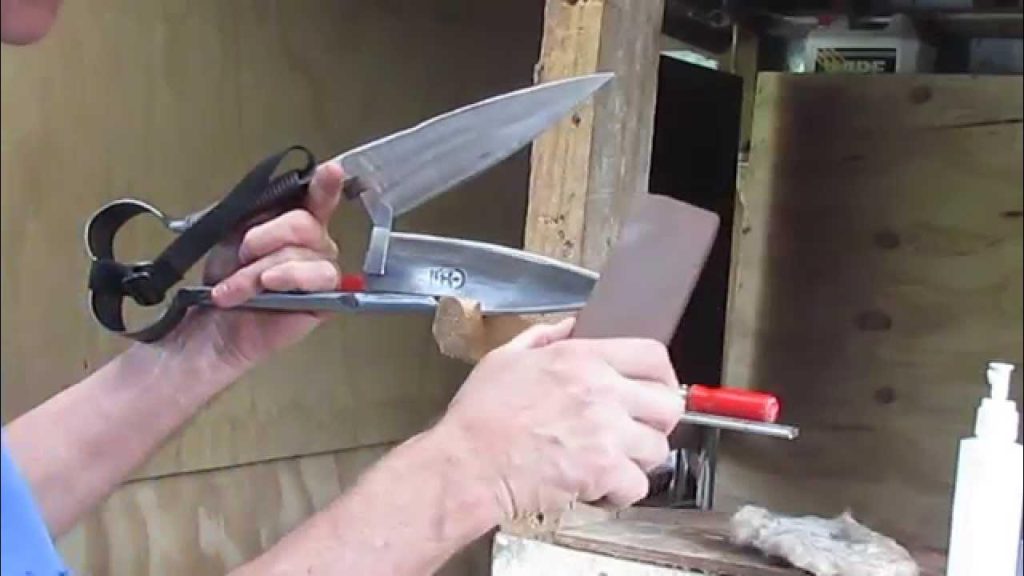
Are your sheep shears feeling dull and slowing you down? Sharp shears make all the difference when it comes to smooth, quick, and safe shearing.
If you want to save time, protect your flock, and keep your tools in top shape, learning how to sharpen your sheep shears is a must. You’ll discover simple, effective steps to bring your shears back to life—no special skills needed.
Keep reading, and soon you’ll be shearing like a pro with blades that cut clean every time.

Credit: www.youtube.com
Choosing The Right Tools
Sharpening sheep shears needs the right tools. Good tools help keep your shears sharp and safe.
Using proper equipment saves time and gives better results when sharpening sheep shears.
Essential Sharpening Equipment
You need some basic tools to sharpen sheep shears well. These tools help you work precisely and safely.
- A sharpening stone or file to grind the blades
- A clamp or vise to hold the shears steady
- A marker to highlight dull edges
- A cleaning brush to remove metal dust
- Lubricating oil to keep blades smooth
Types Of Sharpening Stones
Different stones work for different blade types and sharpness levels. Choose a stone that fits your shears.
Common sharpening stones include natural and synthetic types. Each has unique grit sizes for sharpening.
- Oil stones: use oil for lubrication, good for coarse sharpening
- Water stones: need water to work, provide fine sharpening
- Diamond stones: very hard, last long and sharpen fast
- Ceramic stones: offer smooth finish, good for touch-ups
Safety Gear To Use
Wear safety gear to protect yourself from sharp edges and metal particles while sharpening.
Safety gear also helps prevent accidents and keeps your hands and eyes safe during the process.
- Protective gloves to avoid cuts
- Safety glasses to shield your eyes
- A dust mask if metal dust forms
- Long sleeves to protect your arms
Preparing Sheep Shears
Sharpening sheep shears starts with proper preparation. Clean and inspect your shears carefully before sharpening.
This preparation helps protect the blades and ensures a sharper cut after sharpening.
Cleaning Before Sharpening
Remove dirt, wool, and grease from the shears. Clean blades sharpen better and last longer.
- Use a stiff brush to remove loose wool and dirt.
- Wipe blades with a cloth soaked in warm soapy water.
- Dry blades thoroughly to prevent rust.
- Apply a small amount of oil to protect the metal.
Disassembling The Shears
Take apart the shears carefully to sharpen each blade evenly. Note how parts fit before removal.
- Loosen the screw or bolt holding the blades together.
- Separate the blades gently to avoid bending them.
- Keep all small parts in a safe place.
- Check the spring and handle for wear or damage.
Inspecting For Damage
| Type of Damage | Signs to Look For | Action Needed |
|---|---|---|
| Rust | Brown spots or rough texture on blades | Remove with steel wool or replace blade if severe |
| Chips or Nicks | Small missing parts on blade edges | File out small chips or replace blade |
| Bent Blades | Uneven edges or difficulty closing shears | Gently straighten or replace blade |
| Loose Parts | Wobbling handles or blades | Tighten screws or replace damaged parts |
Sharpening Techniques
Keeping sheep shears sharp ensures a clean cut and reduces stress on the sheep. Regular sharpening helps maintain efficiency and extends the life of the shears.
Understanding the right techniques for sharpening is crucial. This guide will cover key methods to ensure your sheep shears remain in top condition.
Setting The Correct Angle
The angle of the blade is vital for effective sharpening. A consistent angle ensures that the shears cut smoothly.
Most sheep shears require an angle of around 30 degrees. Adjust the angle based on the manufacturer’s recommendation.
- Use a marker to highlight the blade edge
- Maintain a steady hand while sharpening
- Check the angle periodically
Using A Sharpening Stone
A sharpening stone is a reliable tool for sharpening sheep shears. It helps achieve a smooth and sharp edge.
Choose a fine-grit stone for the best results. Wet the stone slightly before use to prevent overheating the blade.
- Place the stone on a stable surface
- Move the shear blade across the stone in a consistent motion
- Flip the blade and repeat for the other side
Maintaining Blade Consistency
Consistent blade maintenance is essential for long-term performance. Regular checks and sharpening prevent dullness.
Inspect the blades before and after use. Address any nicks or unevenness promptly to ensure smooth operation.
- Clean blades after every use
- Store shears in a dry place
- Schedule regular sharpening sessions

Credit: www.amazon.com
Finishing Touches
After sharpening your sheep shears, some final steps help keep them in top shape. These finishing touches ensure smooth use and longer blade life.
Pay close attention to polishing, lubrication, and careful reassembly. Each step protects your investment and improves performance.
Polishing The Blades
Polishing removes tiny burrs left from sharpening. It also prevents rust and keeps blades smooth. Use a soft cloth or fine polishing stone for best results.
- Wipe blades clean with a dry cloth
- Use a fine polishing stone or metal polish
- Rub gently along the blade edge
- Remove all polish residue with a clean cloth
Lubricating Moving Parts
Lubrication keeps the shears opening and closing smoothly. It reduces wear on screws and joints. Use light machine oil or a lubricant made for tools.
| Part | Lubrication Tip |
| Pivot screw | Apply a drop of oil and move shears to spread |
| Spring mechanism | Light oil to prevent rust and ease motion |
| Blade surfaces | Wipe off excess oil to avoid buildup |
Reassembling The Shears
Put the shears back together carefully to keep parts aligned. Tighten screws just enough so blades move freely without wobbling.
- Place blades in correct positions
- Insert pivot screw and tighten moderately
- Attach any springs or washers
- Test shears by opening and closing slowly
- Adjust tightness if blades stick or feel loose
Maintenance Tips For Longevity
Keeping your sheep shears sharp and in good shape helps them last longer. Good care saves time and effort.
Learn simple steps to clean, store, and know when to get professional help for your shears.
Regular Cleaning Routine
Clean your sheep shears after every use. Dirt and wool bits can dull the blades and cause rust.
Use a brush or cloth to remove debris. Wipe the blades with oil to keep them smooth and rust-free.
- Remove wool and dirt after each use
- Use a soft brush to clean hard-to-reach areas
- Apply light oil on blades to prevent rust
- Check for damage or dull spots during cleaning
Proper Storage Practices
Store your sheep shears in a dry place. Moisture can cause rust and damage the blades.
Keep shears in a protective case or wrap them in a cloth. Avoid putting them in damp or dusty areas.
- Use a sheath or case for protection
- Store in a dry, cool spot away from dust
- Avoid leaving shears on wet surfaces
- Check stored shears regularly for rust or damage
When To Seek Professional Help
If your shears are very dull or damaged, professional sharpening is best. They have the right tools to restore sharpness.
Also, if parts are broken or blades do not align well, a professional can fix or replace them safely.
- Blades are chipped or deeply nicked
- Shears do not cut smoothly after sharpening
- Blades are misaligned or loose
- You lack the tools or skills for proper sharpening

Credit: www.youtube.com
Frequently Asked Questions
How Often Should I Sharpen Sheep Shears?
Sharpen sheep shears after every few uses or when cutting slows. Regular sharpening keeps blades effective and prevents wool damage. Frequent maintenance prolongs shear life and ensures smooth, clean cuts.
What Tools Are Needed To Sharpen Sheep Shears?
You need a flat file, sharpening stone, or rotary tool. A fine grit stone helps refine the edge. Clean shears before sharpening for best results.
Can I Sharpen Sheep Shears At Home Safely?
Yes, sharpening at home is safe with proper tools and care. Use steady hands and protective gloves. Follow step-by-step sharpening instructions to avoid blade damage or injury.
How Do I Know When Sheep Shears Need Sharpening?
Blades dull when cutting becomes difficult or wool pulls. Inspect edges for nicks or roughness. If shears skip or snag, sharpening is necessary.
Conclusion
Sharpening sheep shears keeps them working well and safe. Regular care saves time and effort during shearing. Use the right tools and follow steps carefully. A sharp blade cuts cleanly and protects the sheep’s wool. Practice sharpening often to improve your skill.
Keep your shears clean and dry to avoid rust. This simple routine helps your tools last longer. Now, you can shear sheep with confidence and ease.