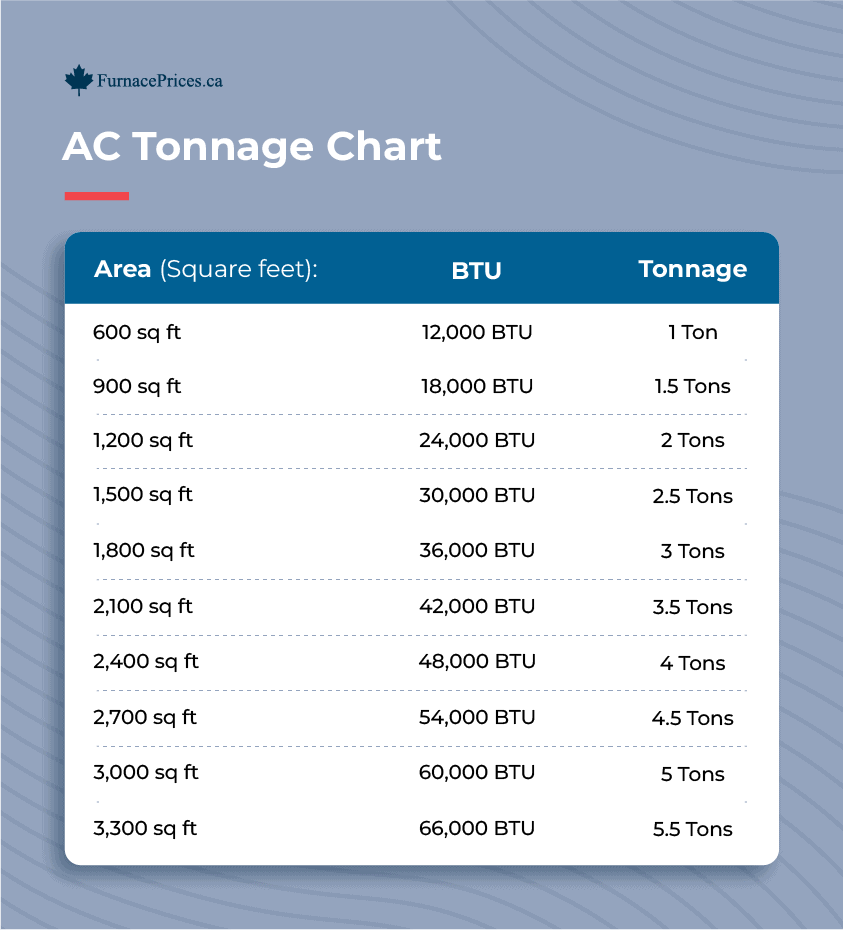
Are you struggling to find the right heating and cooling system size for your home or office? Choosing the perfect size isn’t just about comfort—it can save you money, reduce energy bills, and extend the life of your system.
Too big or too small, and you’ll face problems like uneven temperatures or high costs. You’ll discover simple, clear steps to size your heating and cooling system just right. Keep reading to make sure your space stays comfortable all year long without wasting a dime.
Importance Of Proper System Sizing
Sizing heating and cooling systems correctly is very important. It ensures the system works well and lasts long.
A system that is too big or too small can cause problems. Proper sizing helps save energy and money.
Impact On Energy Efficiency
A correctly sized system uses energy in the best way. It does not waste power by running too much or too little.
Systems that are too large turn on and off often. This wastes energy and raises bills. Small systems run all the time and use more power.
- Right size means less energy waste
- Reduces electricity and fuel use
- Helps lower monthly utility bills
Comfort And Performance
Proper system sizing keeps your home comfortable. It heats or cools rooms evenly and quickly.
Too big systems create hot or cold spots. Too small systems struggle to reach the right temperature. Good sizing means better air quality and less noise.
- Even room temperatures
- Better humidity control
- Quieter system operation
Cost Implications
Choosing the right system size saves money upfront and later. Oversized units cost more to buy and install.
Undersized units may need repairs or replacements sooner. Proper sizing lowers repair costs and extends system life.
- Lower purchase and installation cost
- Fewer repairs and breakdowns
- Longer system lifespan
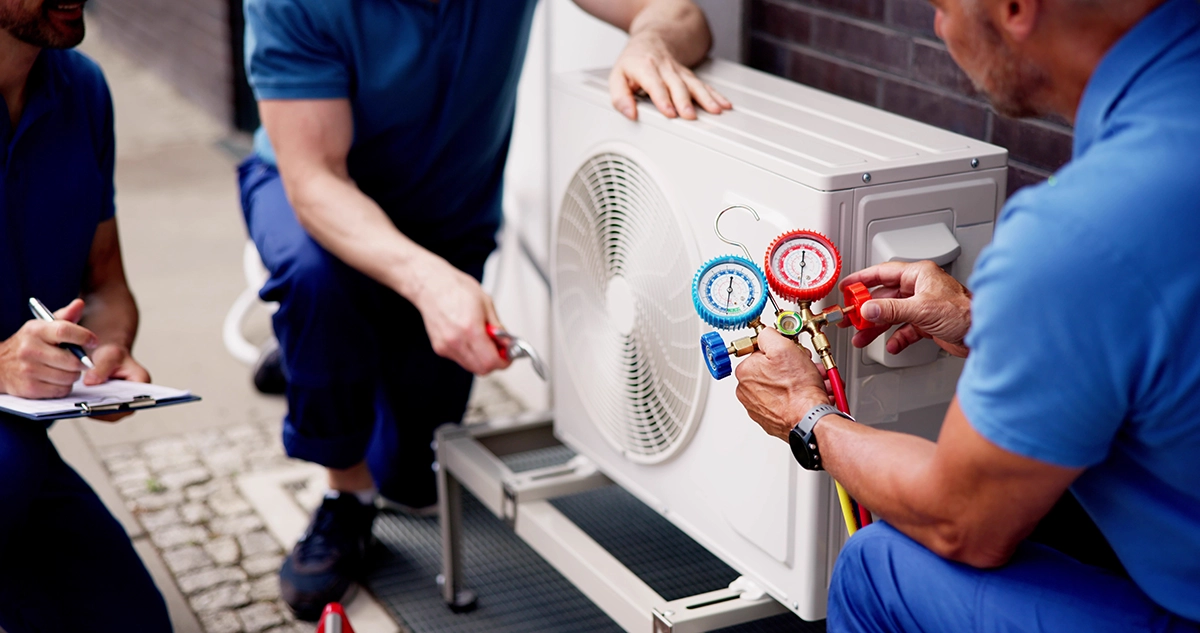
Credit: subzerotempcontrol.com
Key Factors Affecting System Size
Choosing the right size for heating and cooling systems is very important. A system that is too big or too small will not work well.
Several factors affect how large the system should be. These factors help decide the right size for your building.
Building Size And Layout
The size of your building is the main factor in system sizing. Larger buildings need bigger systems to heat or cool all rooms.
The layout also matters. Open spaces heat and cool differently than many small rooms. The system must match the building’s design.
Insulation And Air Leakage
Good insulation keeps warm or cool air inside. This reduces the system size needed. Poor insulation makes the system work harder.
Air leaks let outside air in. This changes indoor temperature and causes the system to use more energy. Sealing leaks helps size the system correctly.
Climate And Weather Patterns
Where the building is located affects system size. Hot or cold climates need stronger heating or cooling systems.
Seasonal changes and weather patterns also affect how often the system runs. This should be considered when sizing the system.
Occupant Behavior
How people use the building changes heating and cooling needs. More people or longer use means a larger system may be needed.
Turning systems off or changing temperature settings often affects energy use. This helps decide the right system size for comfort.
Methods For Calculating Heating Load
Sizing heating and cooling systems is important for comfort and energy use. Calculating heating load tells you how much heat a building needs.
There are different ways to find heating load. Each method looks at building features and weather conditions.
Manual J Calculation
Manual J is a popular way to find heating load for homes. It follows a detailed process created by experts.
The calculation checks walls, windows, doors, and insulation. It also looks at how air moves in and out.
- Measure room sizes and types of walls
- Check insulation levels
- Count windows and doors
- Include air leakage
- Use local climate data
Heat Loss And Gain Analysis
Heat loss and gain analysis checks how heat moves in and out of a building. It shows where heat escapes or enters.
This method looks at conduction, convection, and radiation. It helps find weak spots in insulation or windows.
- Calculate heat lost through walls and roof
- Check heat gained from sunlight
- Consider air leaks and ventilation
- Balance heat loss with heat gain
Using Software Tools
Software tools make heating load calculations faster. They use building data and weather info to give results.
These tools can handle complex buildings and many factors. They often follow standards like Manual J automatically.
- Input room sizes and materials
- Add insulation and window details
- Use local climate data
- Get heating load results quickly
- Compare different design options
Credit: www.furnaceprices.ca
Cooling Load Calculation Techniques
Cooling load calculation helps size heating and cooling systems correctly. It measures how much cooling a building needs to stay comfortable.
Accurate calculations save energy and improve system performance. Several factors affect the cooling load.
Solar Heat Gain Considerations
Solar heat gain is the heat from sunlight entering a building. It raises indoor temperatures and increases cooling needs.
Windows, walls, and roofs absorb and transfer solar heat inside. South and west-facing windows usually add the most heat.
- Use shading devices like awnings or blinds to reduce heat.
- Choose window glass with low solar heat gain coefficients.
- Consider the building’s orientation to the sun.
Internal Heat Sources
Internal heat comes from lights, appliances, and people inside the building. These sources add to the cooling load.
More people or equipment means more heat that the cooling system must remove.
- Count the number of occupants for each room.
- Estimate heat output from lighting and electronics.
- Adjust calculations for any extra heat from machinery.
Ventilation Requirements
Ventilation brings fresh outdoor air inside to maintain air quality. This air often needs cooling before entering the building.
Calculate the heat added by outdoor air to size the cooling system properly.
- Determine the required airflow rate for each space.
- Consider outdoor air temperature and humidity.
- Include heat gain from fans and ducts.
Selecting The Right Equipment
Choosing the right heating and cooling system is important for comfort and energy savings. The equipment must fit the size of your home or building.
Correct sizing helps the system run efficiently. It also prevents problems like uneven temperatures and high utility bills.
Matching Capacity To Load
Capacity means how much heat or cool air the system can produce. Load means how much heating or cooling your space needs.
Match the system capacity to the load for the best results. Too big systems waste energy. Too small systems work too hard.
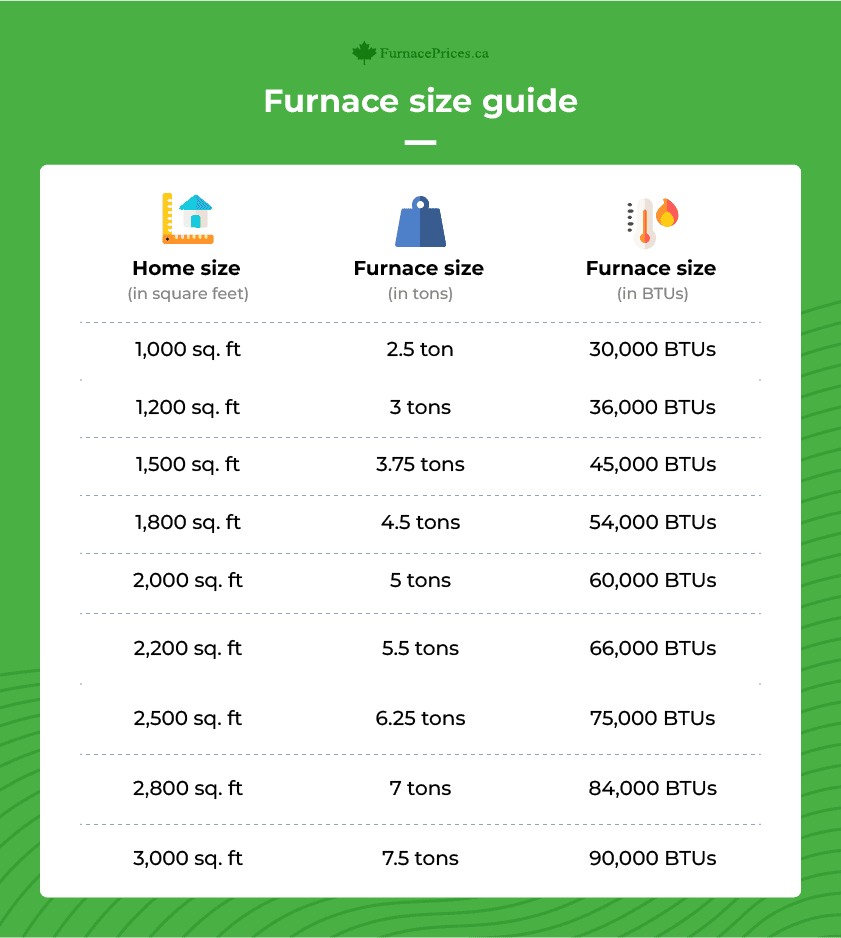
- Calculate the heat loss and gain of your home
- Use professional tools or hire an expert for accurate load calculation
- Choose equipment with capacity close to your calculated load
Types Of Heating Systems
Heating systems come in many forms. Each type works differently and fits different needs.
Common heating systems include furnaces, heat pumps, boilers, and electric heaters.
- Furnaces:Heat air and blow it through ducts
- Heat Pumps:Move heat from outside to inside or vice versa
- Boilers:Heat water or steam for radiators or floors
- Electric Heaters:Use electric resistance to produce heat
Types Of Cooling Systems
Cooling systems remove heat from your home to keep it cool. Different types suit different spaces and budgets.
Common cooling systems include central air conditioners, ductless mini-splits, and evaporative coolers.
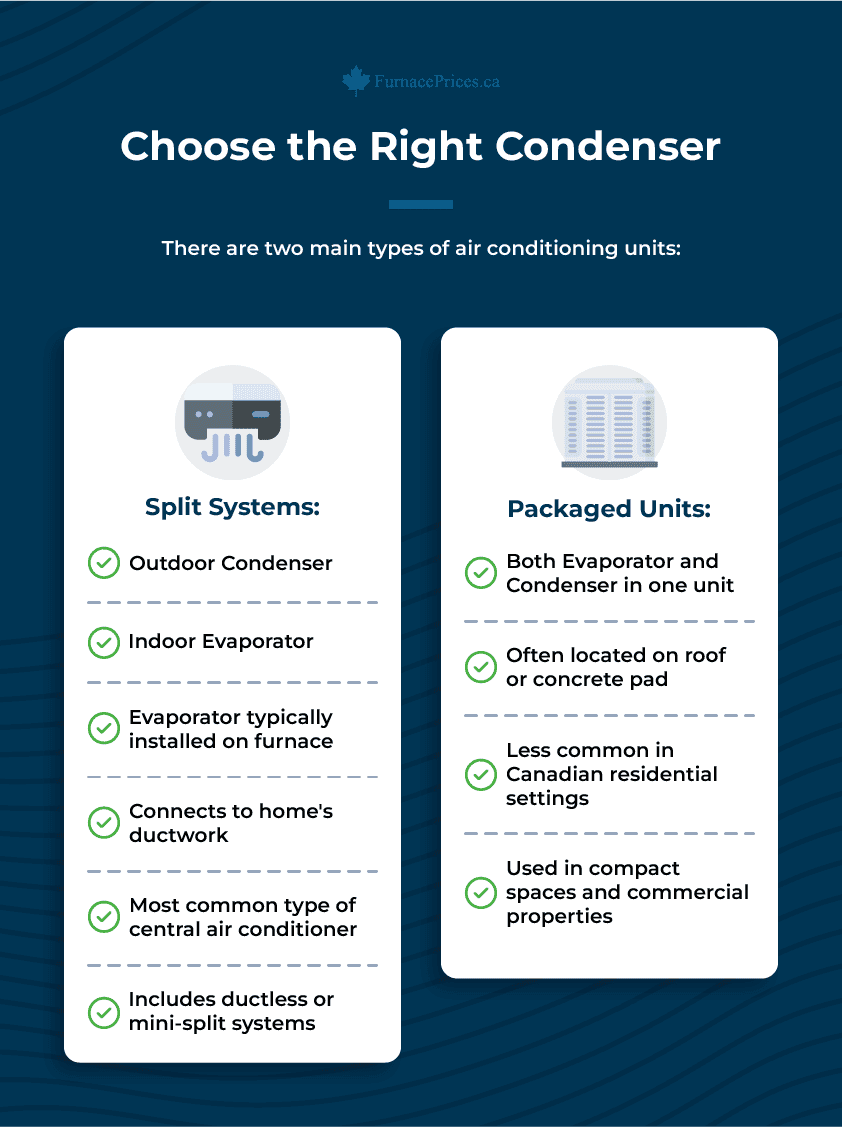
- Central Air Conditioners:Use ducts to cool air in the whole house
- Ductless Mini-Splits:Cool individual rooms without ducts
- Evaporative Coolers:Use water evaporation to cool air, good in dry climates
Credit: www.furnaceprices.ca
Common Sizing Mistakes To Avoid
Sizing heating and cooling systems correctly is important for comfort and cost. Many people make mistakes that can cause problems later.
Understanding common errors helps you avoid extra expenses and poor system performance. Let’s look at key sizing mistakes.
Oversizing Effects
Choosing a system that is too large can cause several issues. It may cool or heat too fast, leading to uneven temperature.
- Short cycling, which wears out parts quickly
- Higher energy bills due to frequent starts and stops
- Reduced humidity control and comfort
- Increased initial cost for a bigger unit
Undersizing Risks
A system that is too small cannot keep your space comfortable. It works harder and longer, which causes wear.
| Risk | Effect |
| Insufficient heating or cooling | Rooms stay too hot or cold |
| Higher energy use | System runs nonstop |
| Shorter equipment life | More breakdowns and repairs |
| Increased discomfort | Uneven room temperatures |
Ignoring Future Changes
Not planning for future needs causes problems. Changes in your home or office affect system size needs.
Consider these points to avoid future sizing errors:
- Adding rooms or expanding space
- Changing insulation or windows
- Adding more people or equipment
- Shifts in climate or weather patterns
Tips For Improving System Efficiency
Heating and cooling systems use a lot of energy. Improving their efficiency saves money and reduces waste. Small changes can make a big difference in how well these systems work.
Focus on key areas like maintenance, smart devices, and control options. These tips help your system run smoothly all year.
Regular Maintenance
Keeping your system clean and checked often helps it work better. Dirty filters and parts make your system work harder. This wastes energy and can cause breakdowns.
- Change air filters every 1-3 months.
- Clean vents and ducts yearly.
- Check for leaks or blockages.
- Schedule professional tune-ups once a year.
- Inspect insulation around pipes and ducts.
Smart Thermostats
Smart thermostats adjust the temperature automatically. They learn your schedule and save energy when you are away. You can control them from your phone or tablet.
| Feature | Benefit |
| Remote Control | Change settings from anywhere |
| Scheduling | Set temperatures for different times |
| Energy Reports | See how much energy is used |
| Adaptive Learning | Adjusts to your routine automatically |
Zoning And Controls
Zoning lets you heat or cool parts of your home separately. This avoids wasting energy in unused rooms. Controls help set different temperatures for each zone.
- Lower energy bills by targeting rooms used most.
- Better comfort for different family needs.
- Reduces wear on your main system.
- Easy to add or change zones with smart controls.
Frequently Asked Questions
What Factors Determine Heating And Cooling System Size?
System size depends on home size, insulation, climate, and window quality. Proper sizing ensures energy efficiency and comfort.
How Do I Calculate The Right Hvac System Size?
Use a Manual J load calculation or consult a professional. This accounts for heat gain and loss in your home.
Why Is Correct Hvac Sizing Important?
Correct sizing prevents energy waste, reduces costs, and maintains consistent indoor temperatures. Oversized or undersized units cause inefficiency.
Can I Size A Heating And Cooling System Myself?
DIY sizing is possible but not recommended. Professionals provide accurate assessments using specialized tools and experience.
Conclusion
Choosing the right size for heating and cooling systems is crucial. It ensures comfort and energy efficiency in your home. Too large or too small systems can lead to problems. Increased costs, uneven temperatures, or frequent repairs may occur. Understanding your space’s needs is key.
Consider factors like room size and climate. Don’t forget insulation quality. Professional guidance can be very helpful. Experts provide accurate assessments and recommendations. Investing time in proper sizing pays off. Your home remains comfortable year-round. Energy bills stay manageable. Properly sized systems last longer.
They deliver better performance and satisfaction.