Are you ready to make your fishing trips more successful? Knowing how to tie a hook on a fishing rod is a skill every angler needs.
Imagine standing by the water, feeling confident because your hook is securely attached. This simple yet crucial step can be the difference between a great catch and a missed opportunity. In this guide, you’ll discover an easy method to tie your hook perfectly every time.
Whether you’re a seasoned pro or just starting out, mastering this skill will enhance your fishing experience. Stick around, and you’ll soon be casting your line with confidence and precision.
Credit: www.beadinggem.com
Choosing The Right Hook
Picking the right hook is important for fishing success. The hook must fit the type of fish you want to catch.
Good hooks help you catch fish easily and keep the bait secure. Learn about hook types, sizes, and materials.
Types Of Fishing Hooks
There are many hook types for different fishing styles. Each type works best for certain fish and bait.
- J-Hooks: Classic shape, good for most fishing.
- Circle Hooks: Reduce fish injury, good for catch and release.
- Treble Hooks: Three points, used with lures.
- Octopus Hooks: Short shank, good for live bait.
- Siwash Hooks: Long shank, used with artificial baits.
Selecting Hook Size
Hook size matters for the fish you want to catch. Small hooks suit small fish and big hooks suit large fish.
Choose a size that fits your bait and target fish. Too big or too small hooks reduce your chances of a catch.
- Sizes range from tiny (size 32) to very large (size 20/0).
- Smaller numbers mean bigger hooks.
- Match hook size to bait size for best results.
Materials And Coatings
Hooks come in different materials like steel or high-carbon metal. Each material has different strength and sharpness.
Coatings protect hooks from rust and wear. They also help hooks stay sharp longer in water.
- Steel hooks are strong and durable.
- High-carbon hooks hold sharp points longer.
- Black nickel coating prevents rust.
- Bronze coating gives extra corrosion resistance.
- Teflon coating reduces friction for better hook sets.
Preparing The Fishing Line
Preparing the fishing line is important before tying a hook. It helps make sure the line is ready and strong.
Good preparation can prevent the line from breaking and improve your fishing experience.
Cutting The Line
Cut the fishing line cleanly to make tying the hook easier. Use sharp scissors or clippers.
Cutting the line at an angle helps the knot hold better and reduces slip.
Checking Line Strength
Check the strength of your fishing line before tying the hook. Pull the line gently to test it.
Look for any weak spots, frays, or damage. Replace the line if it looks worn out.
- Pull the line firmly to test strength
- Look closely for cuts or frays
- Do not use damaged line
Moistening The Line
Wet the fishing line with water or saliva before tying the knot. This helps the knot tighten smoothly.
Moistening reduces friction and prevents the line from weakening or breaking at the knot.
Popular Knot Techniques
Tying the right knot is important for fishing. It keeps your hook secure and helps catch fish.
Here are three popular knots used by many anglers. Each one is simple and strong.
Improved Clinch Knot
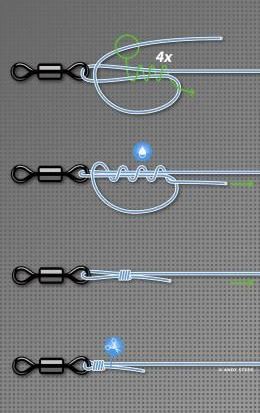
The Improved Clinch Knot is a common knot for tying hooks. It works well with light to medium fishing lines.
It is easy to tie and holds the hook tightly. This knot resists slipping when you pull the line.
- Thread the line through the hook eye
- Wrap the tag end around the line 5-7 times
- Pass the tag end through the small loop near the eye
- Then pass it back through the big loop
- Pull tight and trim the extra line
Palomar Knot
The Palomar Knot is simple and very strong. It works best with braided and monofilament lines.
This knot keeps the hook straight and is good for heavy fishing lines. It is quick to tie too.
- Double about 6 inches of line and pass it through the hook eye
- Tie a loose overhand knot with the doubled line
- Pass the hook through the loop of the knot
- Pull both ends of the line slowly to tighten
- Trim the tag end close to the knot
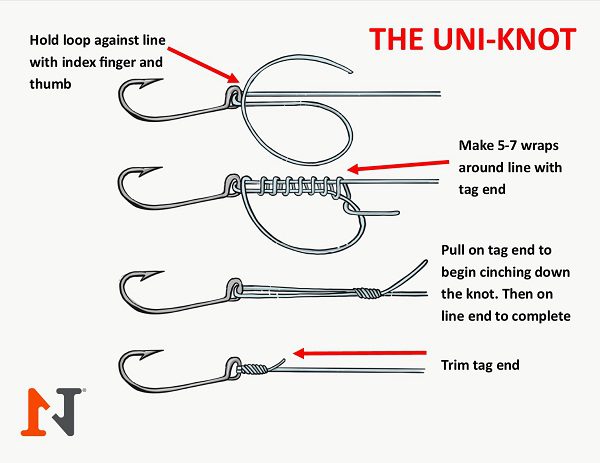
Uni Knot
The Uni Knot is versatile and works well for many fishing lines. It is also called the Duncan Knot.
This knot is easy to adjust before tightening. It is strong and good for attaching hooks and lures.
- Pass the line through the hook eye
- Make a loop by laying the tag end alongside the main line
- Wrap the tag end around both lines 5-6 times
- Pull the tag end to tighten the coils
- Slide the knot down to the hook eye and pull tight
- Cut the tag end close to the knot

Credit: mysterytacklebox.com
Step-by-step Knot Tying
Tying a hook on a fishing rod needs care and focus. A strong knot keeps the hook secure.
This guide shows clear steps to help you tie your hook right every time.
Threading The Hook
Begin by passing the fishing line through the eye of the hook. Pull enough line through to work comfortably.
Forming The Loops
Create loops by wrapping the tag end of the line around the standing line. This forms the knot’s base.
- Hold the hook and line firmly.
- Wrap the tag end around the standing line five to seven times.
- Pass the tag end back through the first loop near the hook eye.
Tightening The Knot
Pull the tag end and standing line slowly to tighten the knot. Make sure the coils stay neat.
Tip:Wet the line before pulling tight. This prevents damage and helps the knot hold better.
Trimming Excess Line
Cut off the extra tag end close to the knot. Leave a small bit to avoid slipping.
- Use sharp scissors or nail clippers.
- Trim about 2-3 millimeters from the knot.
- Check the knot for tightness after trimming.
Testing Knot Strength
After tying a hook on your fishing rod, it is important to test the knot strength. This ensures your knot will hold during fishing. A weak knot can cause loss of fish and tackle.
Testing knot strength helps you catch more fish with confidence. It also shows if you need to retie the knot.
Applying Tension
To test knot strength, gently pull on the line near the hook. Apply steady tension to check if the knot holds tight.
Pull the line with force similar to what a fish might apply. Do not jerk suddenly, as this may give a false result.
- Hold the rod firmly and pull the line slowly
- Feel if the knot slips or loosens
- Stop pulling if the knot stays secure
Identifying Weak Points
Look closely at the knot while applying tension. Check for any signs of slipping or fraying.
Weak points may include loose wraps or damaged line. These spots are where the knot may break.
- Watch for any movement in the knot wraps
- Check if the line near the knot shows wear
- Retie if you see gaps or loose coils
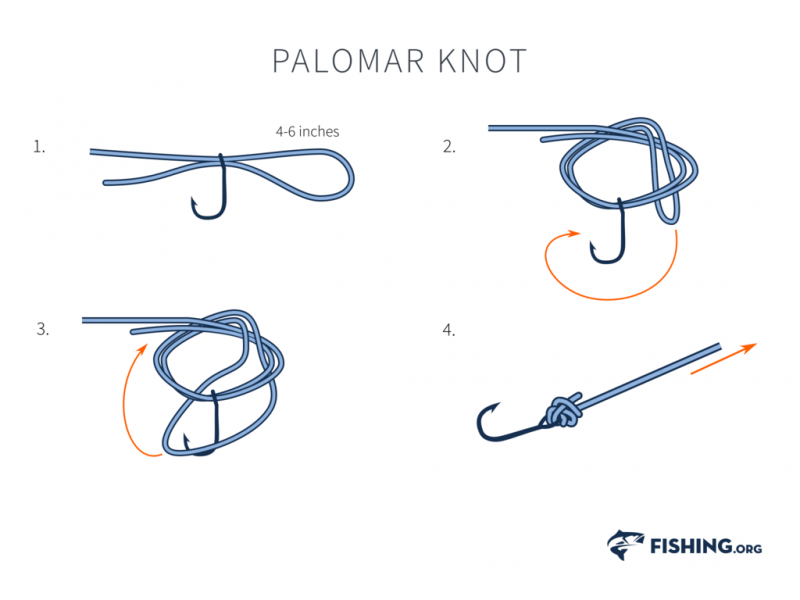
Credit: medium.com
Tips For Knot Durability
Tying a strong knot on your fishing rod is important for a good catch. A durable knot keeps the hook secure and stops the line from breaking.
Use these tips to make sure your knot lasts longer and works well under pressure.
Regular Line Inspection
Check your fishing line before and after each use. Look for any signs of wear like frays, cracks, or weak spots.
- Run your fingers along the line to feel for rough patches
- Look closely where the knot meets the hook
- Replace the line if you find damage
Avoiding Over-tightening
Pull the knot tight but do not overdo it. Too much pressure can weaken the line or knot.
| Effect | Cause | Tip |
|---|---|---|
| Line Damage | Excessive tightening | Tighten knot slowly and stop when firm |
| Knot Slip | Too loose knot | Pull tight enough to hold but not strain line |
| Weakened Knot | Repeated over-tightening | Check knot tension each time you tie |
Using Knot Lubricants
Apply water or saliva to the knot before tightening. Lubricants reduce friction and help the knot tighten smoothly.
- Wet the line with water or saliva
- Pull the knot slowly to avoid friction heat
- Make sure the knot is snug and neat
Frequently Asked Questions
How Do You Tie A Hook On A Fishing Rod?
To tie a hook, thread the line through the hook eye. Wrap the line around itself 5-7 times. Pull the tag end tight to secure the knot. Trim excess line for a clean finish.
What Is The Best Knot For Tying A Fishing Hook?
The improved clinch knot is the best for hooks. It’s strong, simple, and reliable for most fishing conditions. This knot keeps your hook secure and prevents slipping during fishing.
Can I Use Any Fishing Line To Tie A Hook?
Yes, you can use monofilament, fluorocarbon, or braided lines. Each line type works well with proper knot tying techniques. Choose based on your fishing needs and rod setup.
How Tight Should The Fishing Hook Knot Be?
The knot should be tight but not overly so. Pull firmly to remove slack and secure the hook. An overly tight knot can weaken the fishing line.
Conclusion
Tying a hook on a fishing rod is simple with practice. Use the steps shared here to get it right every time. A strong knot keeps your hook secure and helps catch fish. Don’t rush; take your time to make neat loops.
Try different knots to see what works best for you. Keep practicing, and you will feel more confident. Fishing becomes more fun when your gear works well. Ready to cast your line? Now, you know how to tie a hook like a pro.