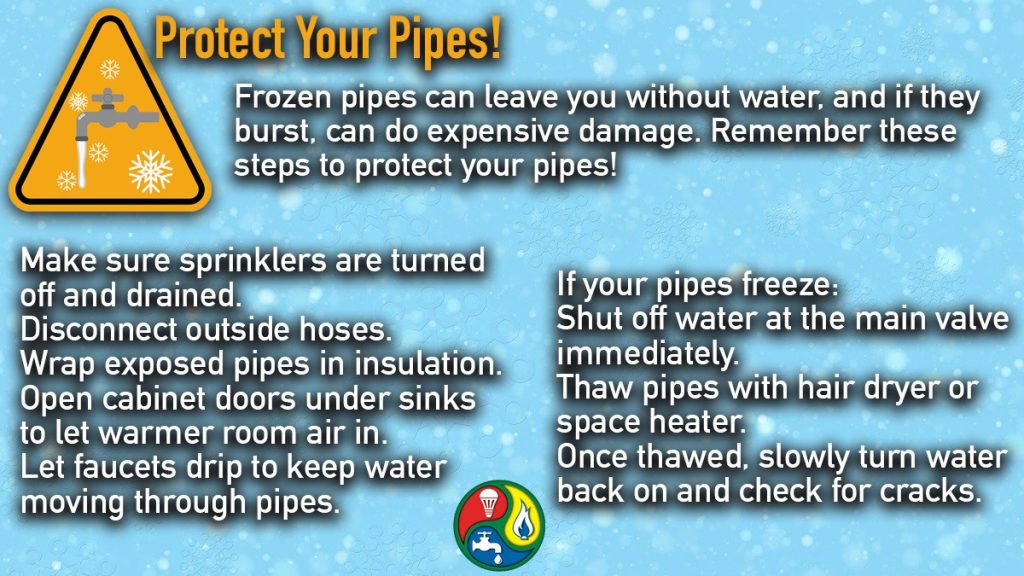
When winter hits, frozen pipes can turn into a costly and frustrating problem for you. But how do you protect your pipes before the temperature drops?
The key lies in something called the R value. Knowing the right R value to insulate your pipes can save you from leaks, bursts, and expensive repairs. You’ll discover exactly what R value you need to keep your pipes safe and warm, even in the coldest conditions.
Keep reading to protect your home and avoid winter headaches.
Credit: www.phcppros.com
Pipe Freezing Basics
Understanding the basics of pipe freezing is essential if you want to protect your plumbing during cold months. Frozen pipes can cause major headaches, from water damage to costly repairs. Knowing how and where pipes freeze helps you take the right steps to prevent it.
How Pipes Freeze
Water expands as it freezes, which puts pressure on pipes. This pressure can cause pipes to crack or burst, leading to leaks. Pipes usually freeze when the temperature drops below 20°F (-6°C), but factors like wind chill and insulation play a big role.
Think about your own home: if a pipe is exposed to cold air for several hours, it’s at risk. Pipes inside exterior walls or unheated spaces are especially vulnerable. You might not notice the problem until water flow stops or you see frost on the pipes.
Common Risk Areas
- Exterior walls:Pipes running along outside walls are exposed to cold air and freeze easily.
- Basements and crawl spaces:These areas often have poor insulation and low temperatures.
- Attics and garages:Pipes in unheated spaces face greater freezing risks.
- Under sinks near windows:Cold drafts can chill pipes quickly.
Have you checked these spots in your home? Identifying these vulnerable areas is the first step to choosing the right insulation and R value to protect your pipes effectively.
Credit: www.selecthomewarranty.com
Importance Of R Value
Understanding R value is key to keeping pipes safe from freezing. It shows how well insulation stops heat loss. Choosing the right R value means pipes stay warm and avoid damage.
What R Value Measures
R value measures insulation’s resistance to heat flow. The higher the R value, the better the insulation works. It helps keep warmth inside and cold air outside. This is critical for pipes in cold areas.
Impact On Pipe Insulation
Proper R value ensures pipe insulation works effectively. It reduces the chance of freezing during cold weather. Good insulation saves money by preventing costly repairs. It also keeps water flowing smoothly without blockages.
Recommended R Values
Preventing pipes from freezing is crucial in cold climates. Insulation plays a key role. The R-value measures insulation effectiveness. A higher R-value offers better thermal resistance. Knowing the recommended R-values helps keep pipes safe from freezing temperatures.
Indoor Vs Outdoor Pipes
Indoor pipes typically need less insulation. They are shielded by walls and heating systems. An R-value of 3-4 is usually sufficient for these pipes. Outdoor pipes, exposed to harsh weather, require more protection. An R-value of at least 5 is recommended for these pipes. This ensures they remain functional during cold spells.
Climate Considerations
The local climate greatly affects insulation needs. In milder climates, a lower R-value might suffice. Areas with severe winters demand higher R-values. For extremely cold regions, consider R-values above 7 for outdoor pipes. Understanding your climate helps in selecting the right insulation. Proper insulation ensures your pipes remain secure and efficient.
Choosing Insulation Materials
Choosing the right insulation material is key to protecting your pipes from freezing. Not all insulation types offer the same level of protection, so understanding their properties helps you make a better decision. Your choice affects not only how well the pipes stay warm but also the ease of installation and durability.
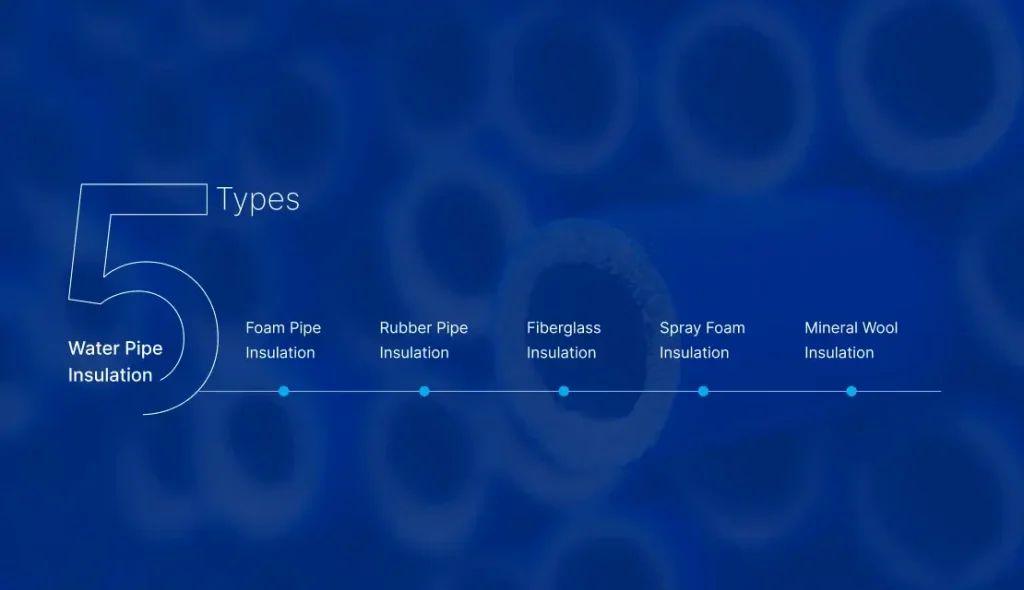
Types Of Insulation
You’ll find several insulation materials suited for pipe protection. Some are flexible, making them easy to install around bends and joints. Others are rigid, offering extra durability but requiring more effort to fit precisely.
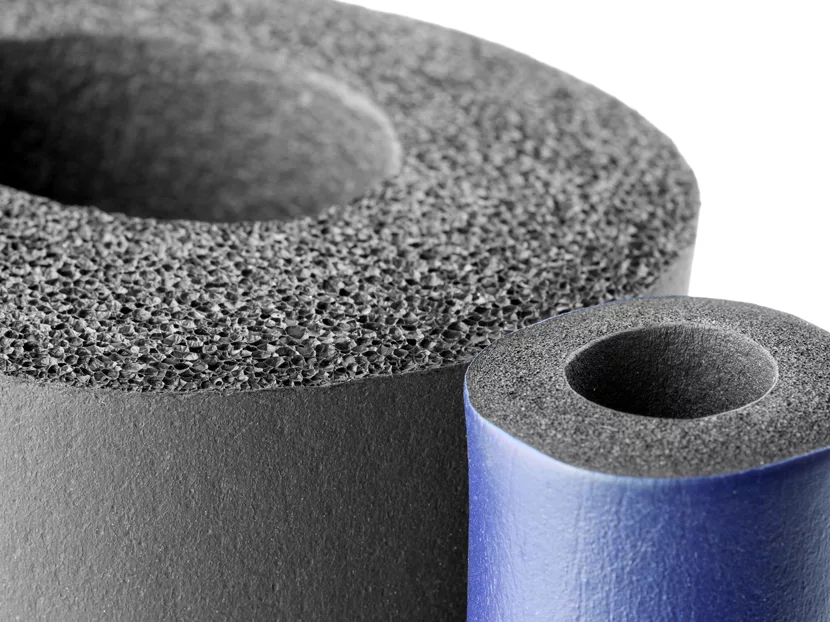
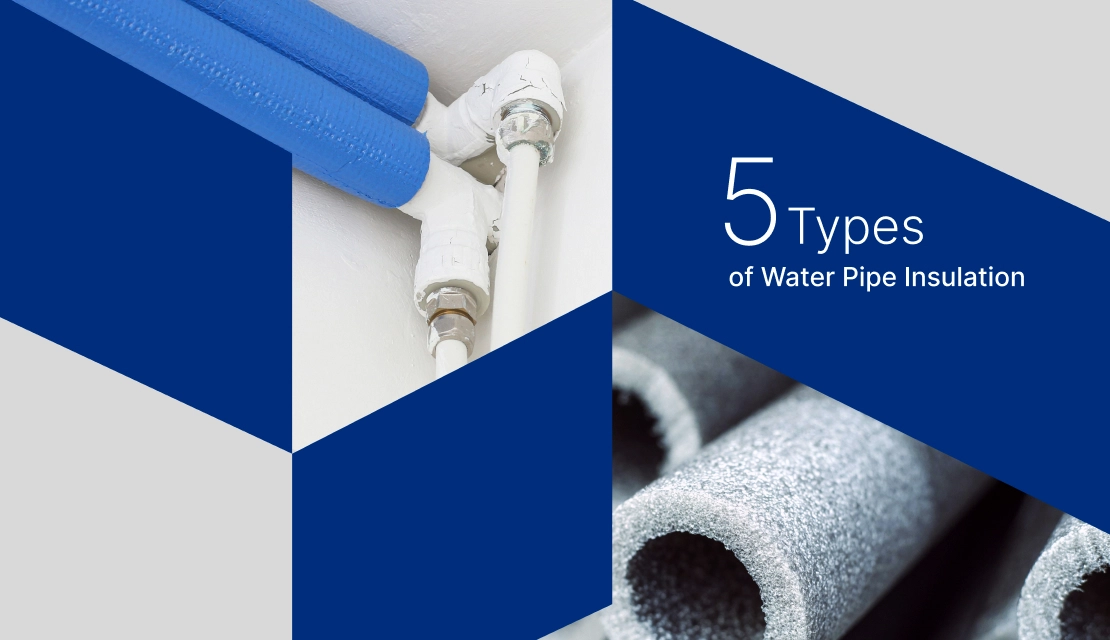
- Foam Tubing:Lightweight and simple to install, foam tubing is a popular choice for indoor pipes. It offers decent insulation and is resistant to moisture.
- Fiberglass Sleeves:These provide excellent thermal resistance but need to be covered with a vapor barrier to prevent moisture buildup.
- Rubber Insulation:More flexible than foam, rubber insulation handles temperature changes well and resists cracking.
- Reflective Foil Wraps:These reflect heat back toward the pipe, which can be helpful when combined with other insulation types.
R Value Ratings By Material
The R value measures how well an insulation material resists heat flow. Higher R values mean better insulation and a greater chance your pipes will stay freeze-free.
| Material | Typical R Value per Inch | Best Use |
|---|---|---|
| Foam Tubing (Polyethylene) | 3.6 to 4.0 | Indoor pipes, easy installation |
| Fiberglass | 3.0 to 4.2 | High-temperature pipes, outdoor use (with vapor barrier) |
| Rubber Insulation | 4.0 to 6.0 | Flexible areas, pipes with expansion needs |
| Reflective Foil Wrap | Varies, typically 2.0 to 3.0 | Supplementary insulation layer |
Have you noticed how some insulation materials feel warmer to the touch than others? That warmth often corresponds to a higher R value, meaning better protection. Choosing the right R value depends on your local climate and where your pipes are located.
Installation Tips
Installing insulation around pipes requires careful attention to detail. Proper installation helps maintain the right R value to stop pipes from freezing. Small mistakes can reduce insulation effectiveness and cause damage. Follow these tips to ensure the job is done well and your pipes stay safe in cold weather.
Proper Wrapping Techniques
Wrap insulation tightly around pipes without gaps. Overlap the insulation by at least half its width. Avoid stretching the material too thin, as this lowers its R value. Use insulation sleeves or foam tubes designed for pipes. Secure the insulation with plastic ties or tape that will not degrade outdoors.
- Start wrapping at one end of the pipe.
- Work slowly to cover every inch evenly.
- Keep insulation dry during and after installation.
Sealing And Protection
Seal all joints and seams with weatherproof tape to block cold air. Cover insulation with a protective layer like plastic sheeting or pipe wrap. This prevents moisture buildup, which can reduce insulation performance. Check for cracks or tears regularly, especially after storms or heavy winds. Repair any damage immediately to maintain proper insulation.
- Use vapor barriers to stop moisture penetration.
- Protect outdoor pipes with UV-resistant covers.
- Ensure insulation extends to pipe fittings and valves.
Credit: www.selecthomewarranty.com
Additional Preventive Measures
Keeping pipes from freezing requires more than just insulation with the right R value. Extra steps can protect pipes during cold spells. These measures help maintain warmth and prevent costly damage. They work alongside insulation to keep water flowing even in very low temperatures.
Heat Tape And Cables
Heat tape and cables wrap around pipes to provide steady warmth. They plug into outlets and turn on automatically or manually. This heat stops pipes from reaching freezing point.
These devices are flexible and easy to install on metal or plastic pipes. They come with built-in thermostats to control temperature and save energy. Heat tape is ideal for exposed pipes or those in unheated areas.
Maintaining Warmth Around Pipes
Keeping the area around pipes warm helps prevent freezing. Use foam pipe sleeves with the right R value. Seal cracks and holes near pipes to block cold air drafts.
Open cabinet doors under sinks to let warm air circulate. Let faucets drip slowly to keep water moving. These small actions reduce the risk of freezing during cold nights.
Monitoring And Maintenance
Keeping your pipes from freezing requires more than just installing insulation with the right R value. Continuous monitoring and maintenance play a critical role in ensuring that insulation remains effective over time. Without regular checks, even the best insulation can fail, leaving your pipes vulnerable when temperatures drop.
Regular Inspections
Check your pipe insulation regularly, especially before and during cold weather spells. Look for any cracks, gaps, or damp spots that could reduce the insulation’s effectiveness. You might be surprised how often small tears or displaced insulation go unnoticed until it’s too late.
It helps to create a simple inspection checklist and stick to a schedule. Walk through the areas where pipes run, such as basements, crawl spaces, or attics. Pay close attention to places where pipes pass through walls or floors, as these spots are common weak points.
Signs Of Insulation Failure
Be alert to signs that your insulation is no longer protecting your pipes. These include condensation forming on pipes, frost buildup, or unusually cold surfaces despite insulation being in place. If you notice any of these, it’s time to replace or add more insulation.
Also, watch out for water stains or mold, which can indicate moisture infiltration weakening the insulation. Ignoring these signs can lead to frozen pipes and costly repairs. Have you checked your insulation recently to catch these warning signals early?
Frequently Asked Questions
What R-value Prevents Pipes From Freezing Effectively?
An R-value of at least 6 to 10 is generally recommended to keep pipes from freezing. Higher R-values provide better insulation, reducing heat loss and protecting pipes during cold weather. Insulating pipes with proper materials ensures they stay warm and prevents costly damage.
How Does R-value Affect Pipe Insulation?
R-value measures insulation’s resistance to heat flow. A higher R-value means better thermal protection for pipes. This keeps water inside pipes from freezing by maintaining warmth. Choosing insulation with an appropriate R-value is crucial for effective freeze prevention.
Can Low R-value Insulation Cause Pipe Freezing?
Yes, low R-value insulation offers poor thermal resistance. It allows more heat to escape, increasing freezing risk. Using insufficient insulation can lead to frozen or burst pipes in cold conditions. Proper R-value selection is essential for pipe safety.
What Materials Provide High R-value For Pipes?
Foam pipe insulation, fiberglass, and rubber sleeves offer high R-values. These materials trap heat and prevent cold air exposure. Selecting the right material with adequate R-value ensures pipes remain frost-free and protected during winter.
Conclusion
Choosing the right R value protects your pipes from freezing cold. Higher R values mean better insulation and less chance of ice damage. Keep pipes in unheated spaces safe with proper insulation. Check local climate needs to pick the best R value.
Simple steps can save you from costly repairs later. Stay warm and avoid frozen pipes with smart insulation choices.