
Are you looking to make your compost bin work better for you? Turning your compost bin is a simple step that can speed up the breakdown of waste and create rich, healthy soil for your garden.
But if you’re unsure how or when to turn it, you might be missing out on the full benefits. You’ll discover easy tips and tricks to turn your compost bin the right way. By the end, you’ll feel confident to boost your composting game and watch your garden thrive like never before.
Keep reading to unlock the secrets of turning your compost bin effectively!
Benefits Of Turning Compost
Turning compost is an important step in the composting process. It helps to maintain a healthy environment for decomposition.
By turning the compost, you ensure that all materials break down evenly. This process also prevents unwanted smells.
Speeds Up Decomposition
Turning compost helps to increase air flow. Oxygen is important for the microbes that break down the organic matter.
With more oxygen, these microbes work faster. This speeds up the decomposition process significantly.
- More air means faster breakdown
- Helps maintain a balanced temperature
- Activates beneficial microbes
Prevents Odors
Odors in compost come from anaerobic conditions. These occur when there is not enough oxygen in the pile.
Turning compost introduces fresh air. This prevents the buildup of unpleasant smells.
- Fresh air reduces bad odors
- Stops the compost from becoming too wet
- Keeps pests away
Promotes Even Breakdown
Turning ensures that all parts of the compost pile are mixed. This means that everything gets an equal chance to decompose.
When compost is not turned, some areas might decompose faster than others. Turning helps to avoid this problem.
- All materials get mixed well
- Prevents clumps from forming
- Ensures nutrients are evenly distributed
Credit: bristolwastecompany.co.uk
When To Turn Your Compost
Turning your compost helps it break down faster. It adds air to the pile, which good bacteria need.
Knowing when to turn your compost keeps it healthy and stops bad smells from forming.
Signs Compost Needs Turning
Look for changes in your compost to know when to turn it. Smell, texture, and temperature are key clues.
- Foul or sour odor means low oxygen inside the pile
- Compost feels wet and compacted, which slows breakdown
- Temperature drops below 100°F (38°C), showing less activity
- Lots of bugs or pests appear on the surface
- Materials at the bottom look dry while top stays wet
Ideal Frequency
Turn your compost regularly to keep it healthy. The right timing depends on how fast the compost breaks down.
- Turn every 3 to 7 days for fast composting
- Turn every 2 weeks for slower compost piles
- Turn less often in cold weather, about once a month
- If compost smells bad, turn it right away
- Check temperature weekly to decide when to turn
Tools For Turning Compost
Turning compost helps speed up the decomposition process. It adds oxygen and mixes materials for better breakdown.
Using the right tools makes turning compost easier and more effective. Different tools work best for different compost setups.
Pitchforks And Shovels
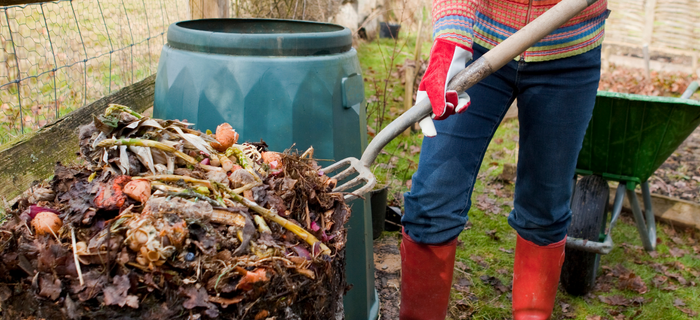
Pitchforks and shovels are common tools for turning compost piles. They let you move and mix materials easily.
Pitchforks work well to lift and aerate compost without crushing it. Shovels help turn and flip the pile quickly.
- Pitchforks have long, thin tines for gentle mixing
- Shovels have a flat blade for scooping and flipping
- Use gloves to protect your hands while turning
Compost Tumblers
Compost tumblers are sealed containers on a frame. They spin to mix compost without manual digging.
Tumblers keep compost contained and make turning clean and simple. Just rotate the barrel to aerate the pile.
- Spin the tumbler every few days for best results
- Keep the tumbler closed to retain heat and moisture
- Choose a tumbler size that fits your compost amount
Aeration Tools
Aeration tools add air to compost without full turning. They help oxygen reach deep inside the pile.
These tools usually have long handles and spikes to poke holes in the compost. They keep the pile fresh.
- Aeration tools reduce bad smells by increasing airflow
- Use them between full turns to keep compost healthy
- They are lightweight and easy to use for quick mixing

Credit: www.youtube.com
Step-by-step Turning Process
Turning your compost bin helps speed up decomposition. It also reduces odor and keeps materials balanced. Here is a simple guide to turn your compost bin correctly.
Follow these steps to prepare your tools, loosen the pile, and mix materials well. This will keep your compost healthy and active.
Prepare Your Tools
Gathering the right tools makes turning easier and safer. Use tools that help break and mix the compost.
- Wear gloves to protect your hands.
- Use a pitchfork or garden fork to lift and turn the pile.
- Have a shovel ready for heavy or compacted areas.
- Wear old clothes that you don’t mind getting dirty.
Loosen The Pile
Start by loosening the compost to improve airflow. Air helps microbes break down materials faster.
- Insert the pitchfork deep into the compost pile.
- Lift and turn the material from the center to the outside.
- Break up any large clumps or hardened pieces.
- Move the loosened material to the opposite side of the bin.
- Repeat until the entire pile is loosened and mixed.
Mix Materials Thoroughly
Mixing different compost materials helps balance moisture and nutrients. It speeds up decomposition and prevents bad smells.
| Material Type | Examples | Why Mix? |
| Greens | Vegetable scraps, grass clippings | Add nitrogen for microbes |
| Browns | Dry leaves, straw, paper | Provide carbon and structure |
| Moisture | Water or wet scraps | Keep pile damp but not wet |
Common Mistakes To Avoid
Turning your compost bin helps speed up decomposition. Doing it wrong can slow the process or cause problems.
Avoid these common mistakes to keep your compost healthy and active.
Overturning The Pile
Turning the compost too often can stop it from heating up. The heat is important for breaking down materials.
Turning too hard or fast can also damage the pile’s structure. This makes it harder for air to flow inside.
- Turn the pile every 1 to 2 weeks
- Use gentle, steady movements
- Keep the pile fluffy for good airflow
Ignoring Moisture Levels
Compost needs the right moisture to work well. Too dry or too wet stops the breakdown process.
Check the pile regularly. It should feel like a damp sponge, not soaking wet or dry.
- Add water if the pile is dry
- Add dry materials like leaves if too wet
- Cover the bin during heavy rain
Neglecting Temperature Monitoring
Temperature shows how active your compost is. If it is too low, the pile may not break down properly.
Use a compost thermometer to check the heat inside. Good compost heats between 130°F and 160°F.
- Check temperature twice a week
- Turn the pile if it cools down
- Adjust moisture to keep heat steady
Tips For Faster Decomposition
Turning your compost bin helps speed up the breakdown of materials. Proper care lets you get rich compost faster.
Follow these tips to improve the composting process and reduce wait time.
Balance Greens And Browns
Greens provide nitrogen, and browns add carbon to your compost. A good balance helps microbes work well.
- Use fresh grass clippings, fruit scraps, and vegetable peels as greens.
- Add dry leaves, straw, and paper as browns.
- Mix about two parts browns to one part greens for best results.
- Too many greens cause bad smell; too many browns slow decomposition.
Maintain Proper Moisture
Moisture is key for microbes to break down compost. The pile should feel like a damp sponge.
| Moisture Level | Effect |
| Too Dry | Decomposition slows; microbes die. |
| Ideal Moisture | Fast decomposition; active microbes. |
| Too Wet | Smelly compost; lack of oxygen. |
Ensure Adequate Aeration
Turning the compost adds air and stops bad smells. Oxygen helps microbes stay alive and work faster.
- Use a pitchfork or compost aerator tool.
- Turn the pile every few days or once a week.
- Break up clumps to increase airflow.
- Mix the outside materials into the center for even decomposition.
Troubleshooting Compost Issues
Turning your compost bin helps speed up the process. Sometimes problems can slow things down or cause bad smells. Fixing these issues keeps compost healthy.
Below are tips for fixing common problems like smelly compost, slow decomposition, and pests.
Fixing Smelly Compost
Smelly compost often means it is too wet or lacks air. Turn the bin to add oxygen and dry it out. Add dry leaves or paper to balance moisture.
Keep the compost moist like a wrung-out sponge. Avoid adding too much food waste at once. Mixing green and brown materials helps stop bad odors.
- Turn compost regularly for air flow
- Add dry brown materials if too wet
- Keep moisture balanced, not soggy
- Mix green (food scraps) and brown (leaves) materials
Dealing With Slow Decomposition
Slow compost means the materials are not breaking down well. Check that the pile is warm enough. Cold piles need more green materials or turning.
Make sure pieces are small. Chop large items to help microbes work faster. Keep the pile moist and turn it to mix everything well.
- Chop or shred large pieces
- Add green materials for nitrogen
- Turn often to mix and add oxygen
- Keep the pile warm and moist
Handling Pests
Pests like rats or flies can bother your compost bin. Avoid adding meat, dairy, or oily foods that attract pests. Cover food scraps with brown materials.
Use a compost bin with a lid or fine mesh to keep animals out. Turn compost regularly to prevent pest-friendly conditions.
- Do not add meat, dairy, or oily foods
- Cover food scraps with dry leaves or paper
- Use bins with tight lids or mesh
- Turn compost often to discourage pests

Credit: savvygardening.com
Frequently Asked Questions
How Often Should I Turn My Compost Bin?
Turn your compost bin every 3 to 7 days to speed up decomposition. Frequent turning adds oxygen, which helps microbes break down materials efficiently.
What Tools Do I Need To Turn A Compost Bin?
Use a garden fork or compost aerator to turn your compost. These tools help mix materials without damaging the pile structure.
Why Is Turning A Compost Bin Important?
Turning aerates the compost, supplying oxygen needed for microbes. It also prevents odors, reduces moisture, and helps balance temperature for faster breakdown.
Can I Turn Compost Too Often?
Yes, turning compost too often can slow decomposition. Aim for every few days to maintain proper aeration without disturbing microbes excessively.
Conclusion
Turning your compost bin regularly helps speed up the breakdown process. It keeps the materials mixed and aerated. This prevents bad smells and pests from appearing. A well-turned compost bin produces rich soil faster. It makes your garden healthier and greener.
Remember to turn your bin every few days. This simple step makes a big difference. Start turning your compost bin today for better results tomorrow.