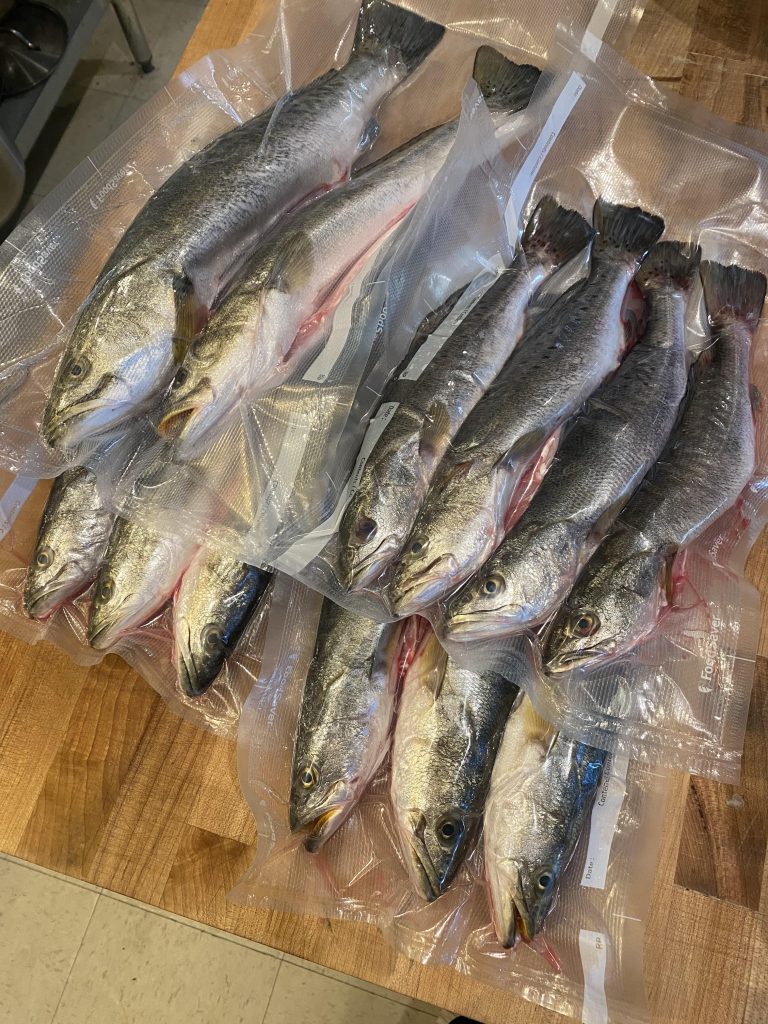
Are you tired of throwing out fish that’s gone bad too quickly? Do you wish you could keep your seafood fresh for longer?
If you’re nodding your head, then you’re in the right place. Learning how to vacuum seal fish is a game-changer. It not only preserves the flavor and texture of your catch but also saves you money and reduces waste. Imagine having fish that tastes just as fresh weeks later as it did the day you bought it.
Sounds too good to be true? It’s not. By the end of this article, you’ll be equipped with simple, effective techniques to vacuum seal your fish like a pro. Dive in and discover how you can make your fish stay fresh and delicious for much longer!

Credit: www.reddit.com
Benefits Of Vacuum Sealing Fish
Vacuum sealing fish offers a range of benefits that can make your seafood storage more efficient and enjoyable. It not only keeps your fish fresh longer but also maintains its quality and taste. Understanding these advantages helps you decide why vacuum sealing should be part of your kitchen routine.
Extending Shelf Life
Vacuum sealing removes the air around your fish, which slows down the growth of bacteria and mold. This means your fish stays fresh for days or even weeks longer than traditional storage methods. Have you ever found fish in your fridge going bad before you could cook it? Vacuum sealing can prevent that waste.
Preserving Flavor And Texture
When fish is exposed to air, it quickly loses moisture, leading to a dry texture and dull flavor. Vacuum sealing locks in the natural juices and flavors, so your fish tastes just like it did the day you bought it. Imagine biting into a piece of fish that’s as tender and flavorful as fresh-caught every time you cook.
Reducing Freezer Burn
Freezer burn happens when air reaches the surface of frozen fish, causing dry spots and tough texture. Vacuum sealing creates an airtight environment, protecting your fish from freezer burn. This means no more unpleasant surprises when you thaw your fish for dinner.
Choosing The Right Vacuum Sealer
Choosing the right vacuum sealer is key for keeping fish fresh and tasty. A good sealer protects against freezer burn and locks in flavor. Different sealers offer different features and price points. Understanding these options helps pick the best one for your needs.
Types Of Vacuum Sealers
- External Sealers:Simple and affordable. You place the bag edge outside the machine.
- Chamber Sealers:More advanced. The whole bag goes inside the chamber for a stronger seal.
- Handheld Sealers:Portable and easy for small jobs. Less powerful for wet foods.
Key Features To Consider
- Seal Strength:Look for a strong, airtight seal to keep fish fresh.
- Moisture Control:Some sealers handle wet fish better with special settings.
- Bag Compatibility:Check what bag sizes and types the sealer supports.
- Ease of Use:Simple controls and quick sealing save time in the kitchen.
- Durability:Choose a model built to last for frequent use.
Budget Options
- Basic external sealers start at low prices and work well for beginners.
- Mid-range models offer better seals and moisture settings for fish.
- Chamber sealers cost more but provide professional results for serious home cooks.
Preparing Fish For Vacuum Sealing
Preparing fish for vacuum sealing is key to keeping it fresh and tasty. Proper preparation stops spoilage and freezer burn. Clean, portion, and dry fish well before sealing. Each step helps preserve flavor and texture during storage.
Cleaning And Filleting
Start by rinsing the fish under cold water. Remove scales using a fish scaler or the back of a knife. Cut off the head and tail if desired. Slice along the backbone to separate fillets from the bones. Remove all bones carefully using tweezers.
Portioning For Storage
Cut fillets into serving-size pieces. Smaller portions freeze and thaw more evenly. Use a sharp knife for clean cuts. Avoid pieces that are too thin or too thick. Proper portioning saves space and reduces waste.
Drying And Patting Fish
Pat each piece dry with paper towels. Excess moisture can cause ice crystals in the bag. Let the fish air-dry for a few minutes on a clean surface. Dry fish seals better and lasts longer in the freezer.

Credit: www.cocklesandmussels.com
Vacuum Sealing Process
The vacuum sealing process preserves fish by removing air and sealing it tightly. This method helps keep fish fresh longer and prevents freezer burn. Proper technique is key to maintaining taste and texture. Understanding the right bags, sealing methods, and common pitfalls improves results.
Selecting Suitable Bags
Choose vacuum seal bags designed for freezing and moisture. Thicker bags protect fish better from freezer burn. Avoid thin or low-quality bags that can tear easily. Look for bags labeled BPA-free and food-safe. Use bags sized to fit the fish without extra air.
Sealing Techniques
Place fish flat inside the bag for even sealing. Leave enough space at the top for the sealing strip. Use a vacuum sealer to remove all air slowly and evenly. Check that the seal is strong and complete with no gaps. Avoid overfilling bags to ensure a solid seal.
Tips To Avoid Common Mistakes
- Pat fish dry before sealing to reduce moisture inside the bag.
- Freeze fish slightly before sealing if very wet or soft.
- Do not reuse bags, as they may lose sealing ability.
- Seal fish in portions to avoid thawing large amounts at once.
- Check seals regularly for any air leaks after sealing.
Storing Vacuum Sealed Fish
Storing vacuum sealed fish properly keeps it fresh and tasty longer. The vacuum seal removes air, slowing spoilage and freezer burn. Correct storage methods help preserve texture and flavor. Follow simple guidelines for refrigeration, freezing, and labeling to get the best results.
Refrigeration Guidelines
Keep vacuum sealed fish in the coldest part of the fridge. Ideal temperature is between 32°F and 38°F (0°C to 3°C). Use fish within 1 to 2 days for best taste and safety. Store fish away from raw meat to avoid cross-contamination. Do not open the seal until ready to cook.
Freezing Best Practices
Freeze vacuum sealed fish quickly to lock in freshness. Set freezer temperature at 0°F (-18°C) or lower. Vacuum sealed fish can last 6 to 12 months in the freezer. Avoid thawing and refreezing to keep quality high. Thaw fish in the fridge or under cold water, never at room temperature.
Labeling And Organizing
Label each vacuum sealed package with fish type and date sealed. Use waterproof markers or printed labels for clarity. Organize packages by date to use older fish first. Store packages flat to save space and freeze evenly. Clear labeling helps avoid waste and confusion.

Credit: fishingbooker.com
Thawing And Using Vacuum Sealed Fish
Handling vacuum sealed fish properly after freezing is key to preserving its freshness and flavor. Thawing and using vacuum sealed fish requires care to avoid spoilage and maintain texture. Let’s look at how you can safely thaw, cook, and keep your fish at its best.
Safe Thawing Methods
Thaw your vacuum sealed fish slowly in the refrigerator for 12 to 24 hours. This gentle process keeps the fish at a safe temperature, reducing the risk of bacteria growth.
If you’re short on time, place the sealed bag in a bowl of cold water. Change the water every 30 minutes until the fish is thawed. Avoid using warm or hot water as it can cause uneven thawing and spoilage.
Never thaw fish at room temperature. It may seem convenient, but it invites bacteria and ruins the quality.
Cooking Directly From Sealed Bags
Did you know you can cook some fish without removing it from the vacuum bag? Sous vide cooking is perfect for this. The sealed bag locks in moisture and flavor, giving you tender, perfectly cooked fish.
If you don’t have a sous vide machine, you can also poach vacuum sealed fish in gently simmering water. Just be sure the bag is heat-safe and sealed tightly to avoid leaks.
This method saves time and reduces mess. Are you ready to try this simple cooking hack?
Maintaining Quality After Thawing
Once thawed, use the fish within 1 to 2 days for the best taste. Keep it refrigerated and in its original vacuum sealed bag if possible.
If you need to store it longer, refreeze only if the fish was thawed in the refrigerator and has not been left out for more than two hours. Be aware that repeated freezing may affect texture.
To keep the fish fresh, pat it dry before cooking. Excess moisture can cause the fish to steam rather than sear, affecting flavor and texture.
Troubleshooting Vacuum Sealing Issues
Troubleshooting vacuum sealing issues helps keep fish fresh longer. Problems can ruin the seal or affect the fish quality. Understanding common issues saves time and reduces waste.
Seal Failures
Seal failures happen when the vacuum bag does not close properly. This lets air inside and causes spoilage. Check the sealing strip for dirt or moisture. Clean it gently with a dry cloth before sealing again.
Use the right type of vacuum bag designed for wet foods. Avoid overfilling the bag, as this stops proper sealing. Make sure the bag edge is flat and free from wrinkles.
Moisture Problems
Moisture can block the vacuum pump from creating a strong seal. Pat the fish dry with paper towels before sealing. Freeze the fish for 15-20 minutes to firm it up and reduce moisture.
Use a paper towel inside the bag to absorb excess liquid during sealing. Avoid sealing too soon after rinsing the fish. Moisture causes weak seals and possible leaks.
Fish Odor Management
Fish odor can linger in vacuum bags and storage areas. Rinse fish well with cold water to reduce smells. Use baking soda or lemon juice on the fish surface before sealing.
Store vacuum-sealed fish in the coldest part of the fridge or freezer. Clean the vacuum sealer regularly to prevent odor buildup. Proper sealing also helps lock in freshness and reduce smell.
Additional Tips For Maximum Freshness
Keeping fish fresh after vacuum sealing involves more than just sealing the bag properly. Small extra steps can make a big difference in taste and texture when you finally cook your fish. Let’s look at some practical tips that can help you get the most out of your vacuum-sealed fish.
Marinating Before Sealing
Marinating fish before vacuum sealing can enhance flavor and tenderness. Use simple marinades like lemon juice, garlic, herbs, or soy sauce. The vacuum seal helps the marinade penetrate deeply, so your fish tastes better when cooked.
Remember not to marinate fish for too long before sealing—30 minutes to an hour is usually enough. Too much acid from citrus can start to “cook” the fish, changing its texture.
Freezer Storage Hacks
Vacuum sealing extends freezer life, but proper storage makes a difference too. Label your bags with the date and type of fish. This helps you use older fish first and avoid freezer burn.
Store vacuum-sealed fish flat in the freezer to save space and promote faster freezing. Faster freezing means less ice crystal damage, keeping your fish fresher when thawed.
Using Vacuum Sealed Fish For Sous Vide
Vacuum sealed fish is perfect for sous vide cooking because the sealed bag holds in moisture and flavor. You can season the fish before sealing, then cook it gently in water at a precise temperature.
Cooking fish sous vide this way ensures even doneness and a tender texture. Have you tried sous vide with vacuum sealed fish? You might be surprised how restaurant-quality your meals become at home.
Frequently Asked Questions
How Do You Prepare Fish For Vacuum Sealing?
Clean and dry the fish thoroughly before sealing. Remove scales, bones, and excess moisture to prevent spoilage and freezer burn.
What Vacuum Seal Bags Work Best For Fish?
Use BPA-free, heavy-duty vacuum seal bags with a textured surface. These help remove air efficiently and protect fish quality.
Can Vacuum Sealing Extend Fish Shelf Life?
Yes, vacuum sealing can extend fish shelf life by 2 to 3 times. It slows oxidation and prevents freezer burn effectively.
Should Fish Be Frozen Before Vacuum Sealing?
It’s best to freeze fish slightly before sealing. This helps maintain shape and prevents juices from leaking during sealing.
Conclusion
Vacuum sealing fish keeps it fresh for longer. It stops air and moisture from causing spoilage. This method helps preserve taste and texture well. You save money by reducing food waste. Plus, it makes storing fish easier and neater. Follow simple steps for good results every time.
Try vacuum sealing to enjoy fresh fish anytime. A small effort with big benefits. Why not give it a go?